Category: Weddings & Venues

Real celebrations, remarkable venues, and the stories that unfold within them.

  • Behind the Lens: How I Capture the Emotion of a Wedding Day

    Behind the Lens: How I Capture the Emotion of a Wedding Day

    Wedding photography is about storytelling and emotion, preserving moments that the couple will cherish forever. In order to capture those heartfelt, emotional moments authentically I follow some photographic techniques. Behind the Lens: How I Capture the Emotion of a Wedding Day.

    Anticipate Emotional Moments

    I try to be observant and sharp-eyed during the whole day.

    Know the Schedule: Ι familiarize myself with the day’s timeline so I can anticipate key events like the first look, vows, or toasts. I tell my couples that the schedule is flexible. In other words, I am always open to changes and able to respond to a last minute request.

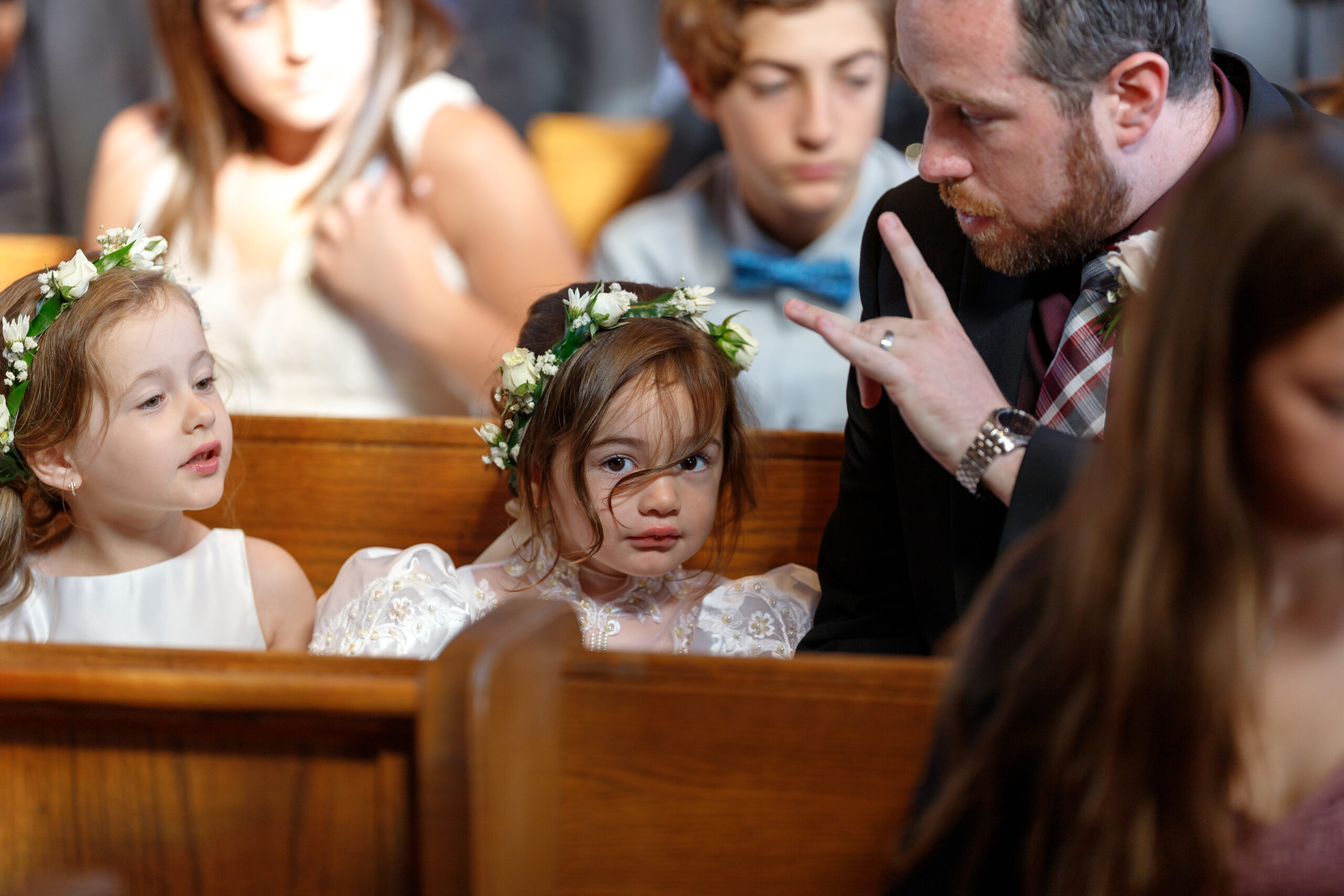
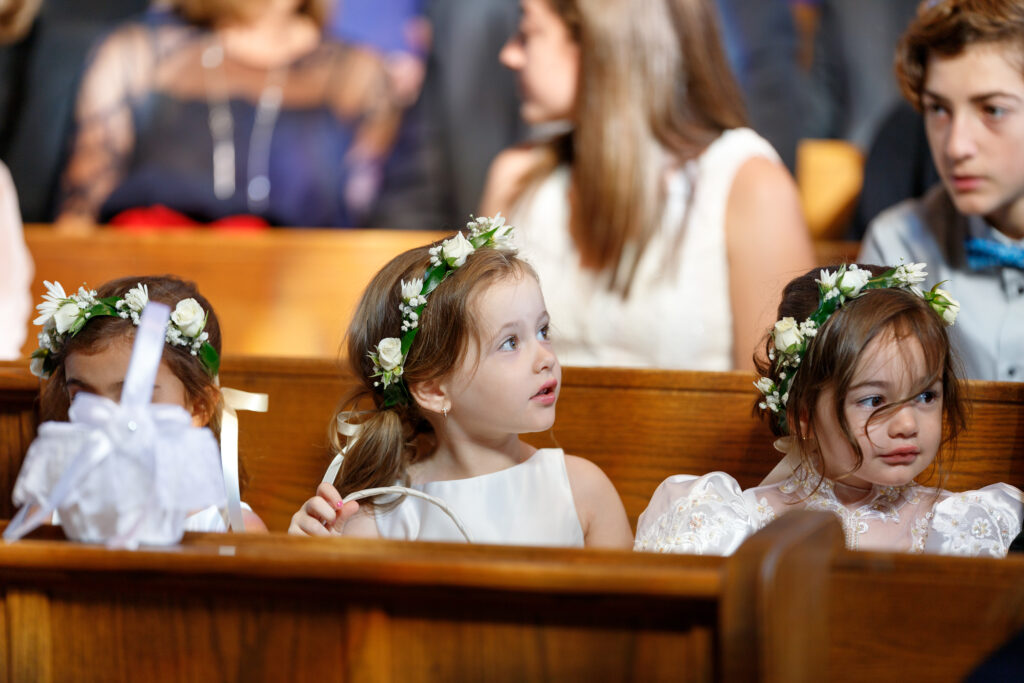
    Stay Observant: I watch for smaller moments—like a parent response to a first kiss or a flower girl’s shy smile.

    Learn Relationships: I understand family dynamics and close friendships to know where to focus during emotional exchanges. I try to meet the couple either in person or via a zoom call and discuss what the extended family may be expecting.

    Focus on Candid Moments

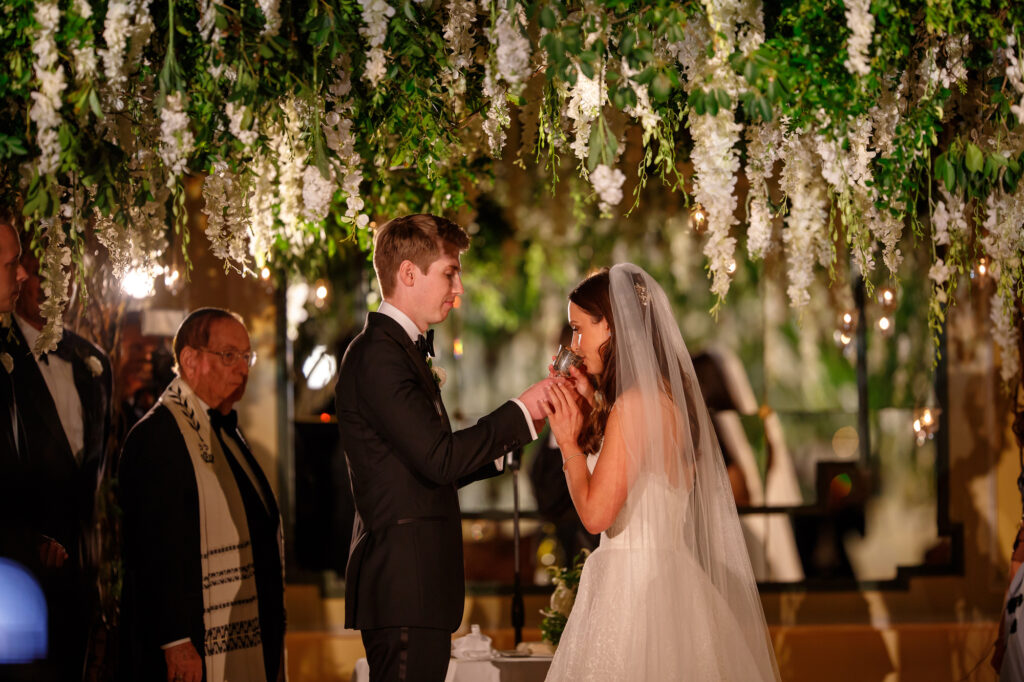
    Stay Unobtrusive: I use a 200mm f/2 telephoto lens to capture intimate moments from a distance without interrupting them.
    Document the In-Between: Some of the most genuine emotions happen between the big events—like nervous laughter before the ceremony or a quiet moment of reflection.


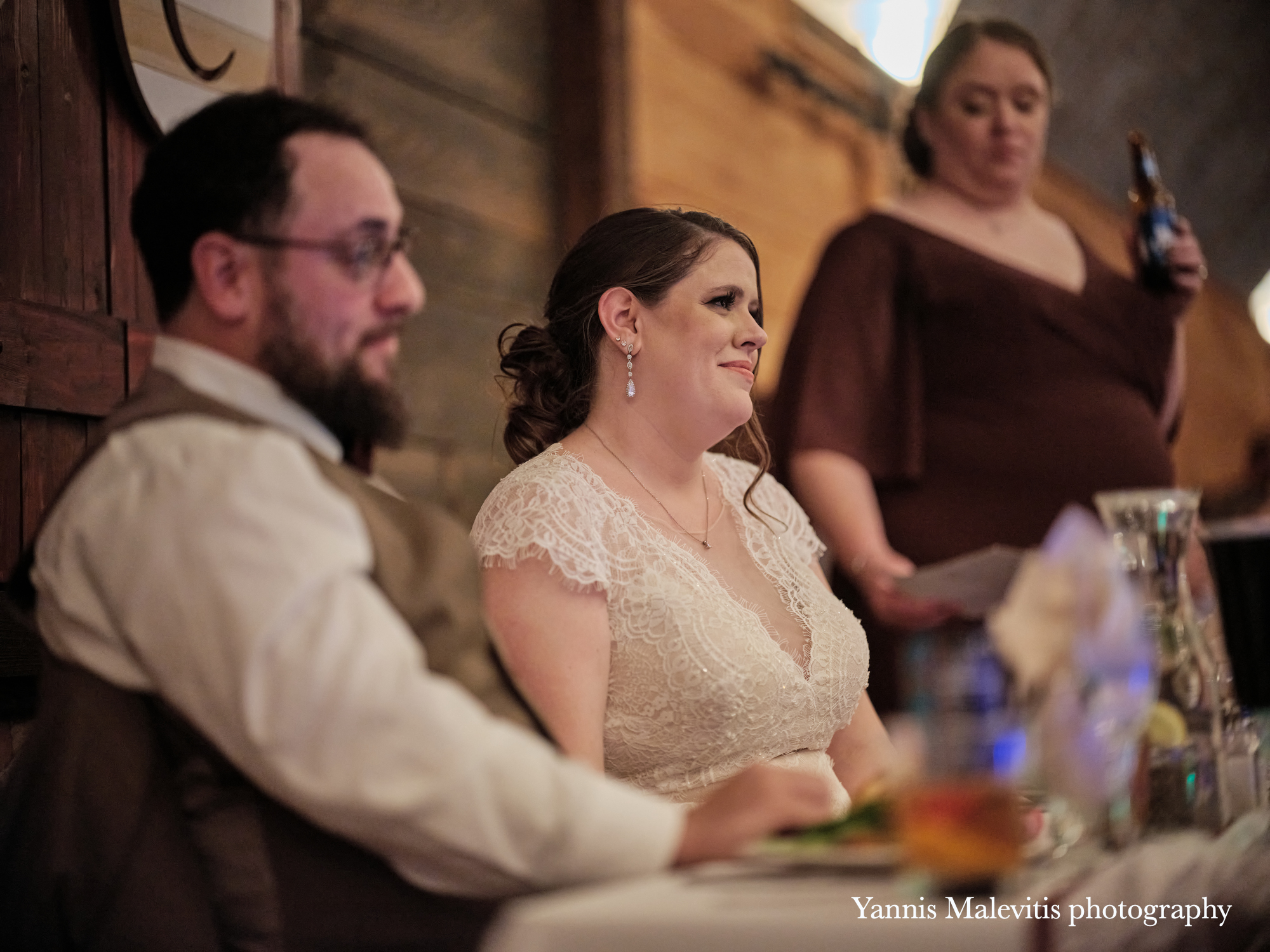
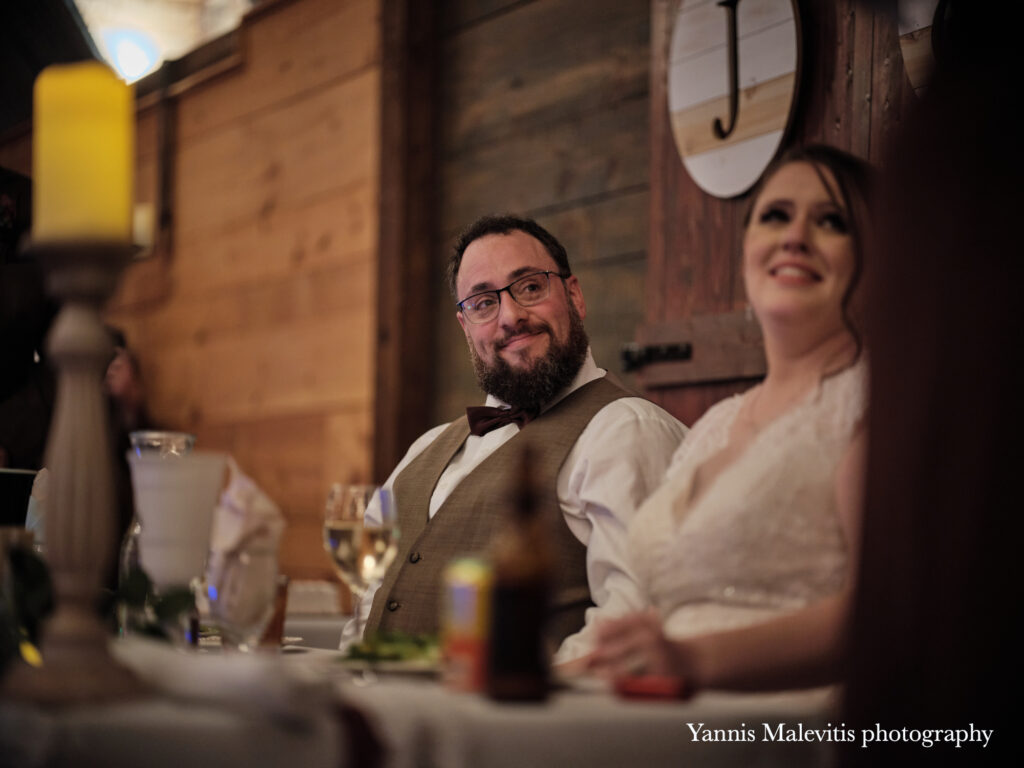
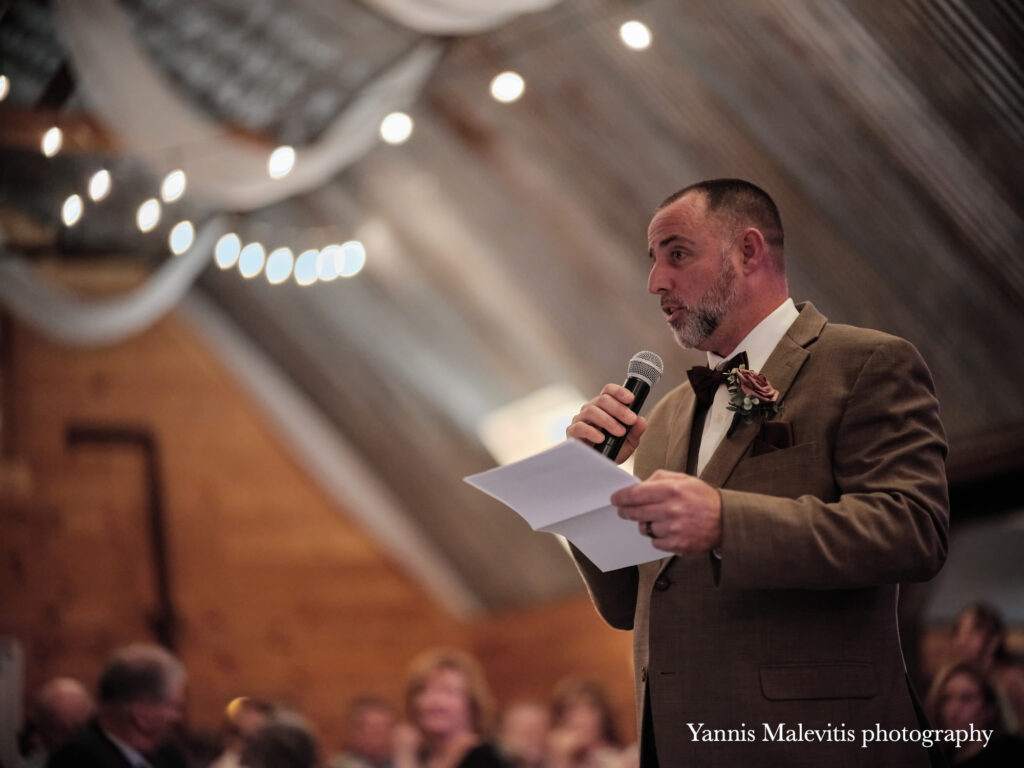
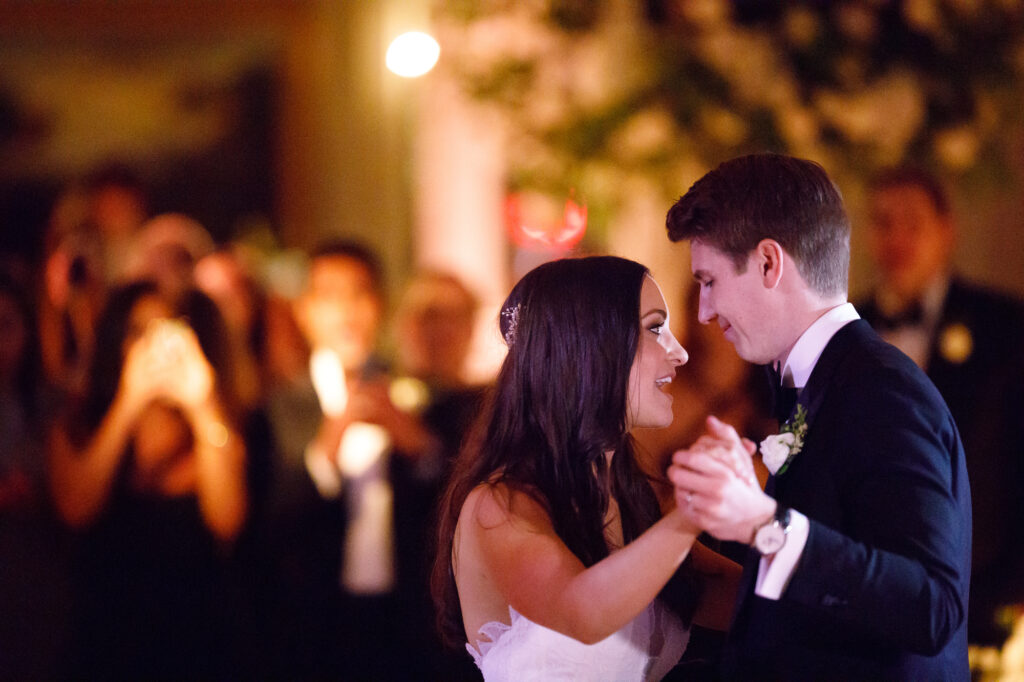
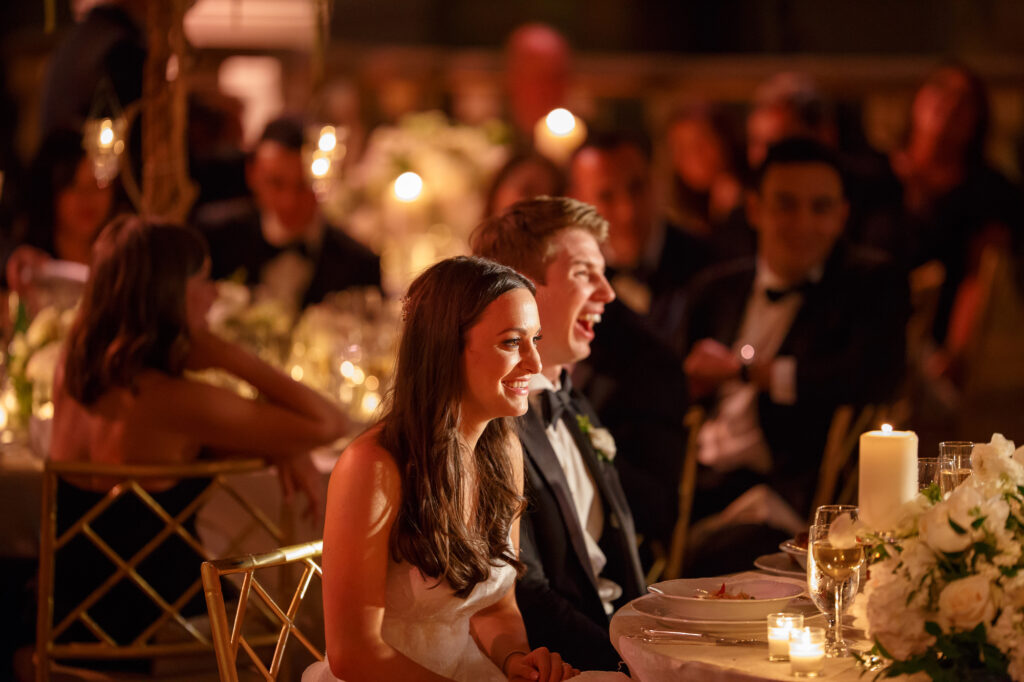
    Capture Reactions: When photographing speeches or dances, I aim to get the reactions of the couple, family, and friends.

    Highlight Connections

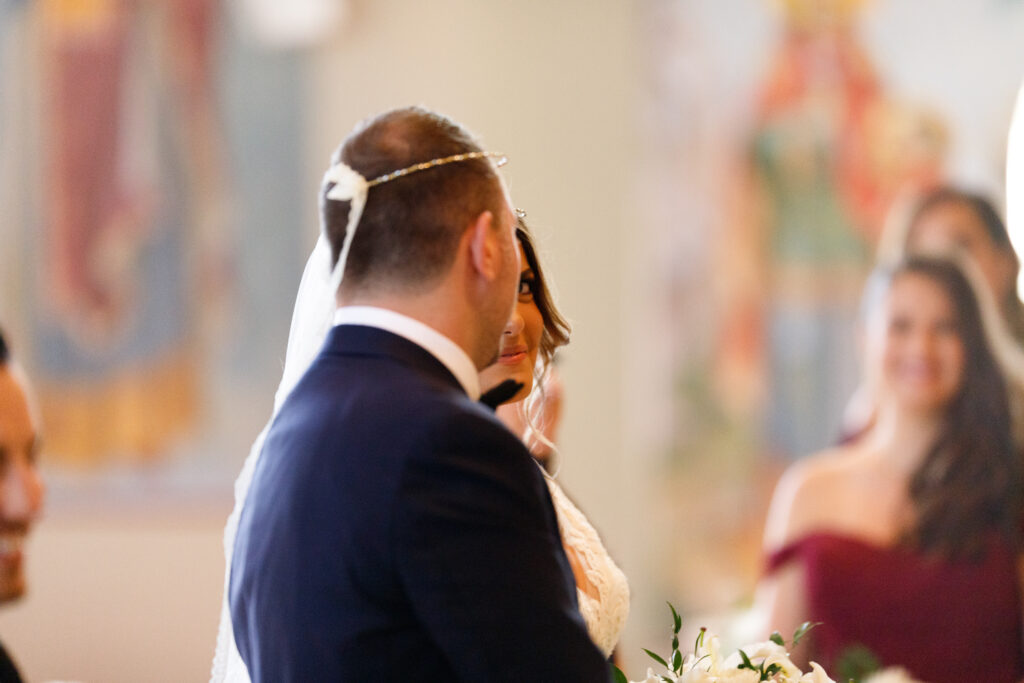
    Couple Interactions: I look for tender moments like a stolen glance, a shared laugh, or a comforting touch.
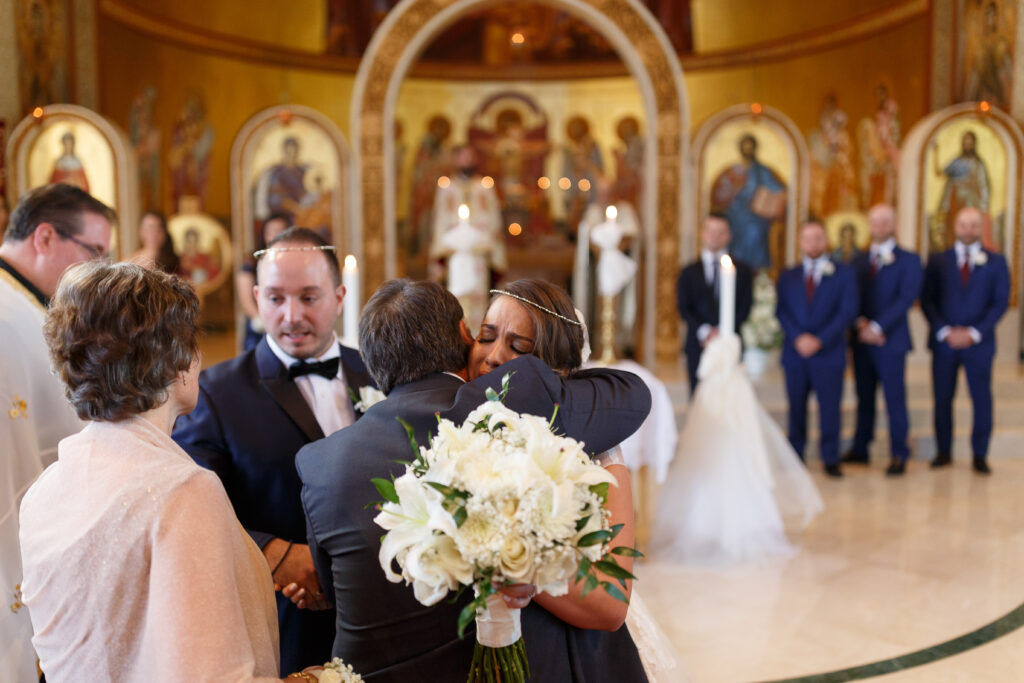
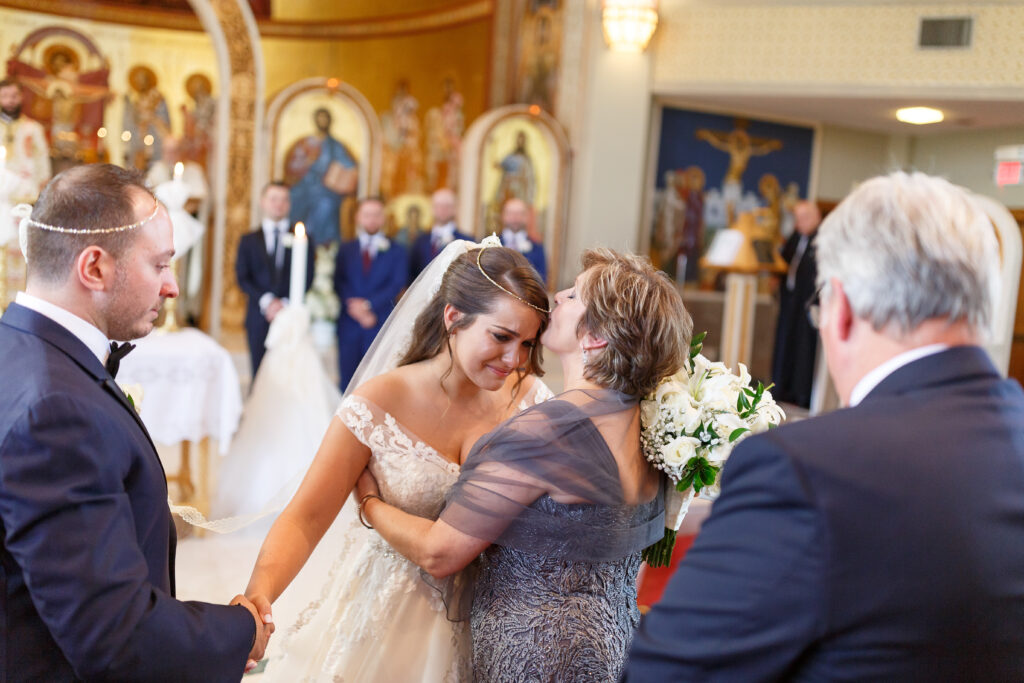
    Family Bonds: I photograph the joy or pride in parents’ faces, or moments of affection between siblings.


    Guest Engagement: I show the couple’s connection to their guests by capturing hugs, laughter, and conversations.

    Pay Attention to Body Language

    Hands and Gestures: A hand squeeze, a playful touch, or arms wrapped tightly in a hug can convey deep emotion.
    Facial Expressions: I focus on eyes, smiles, and even tears to tell the story of the moment.

    Use Creative Composition

    Close-Ups: I use the long lens to zoom in on faces, hands, or other details to highlight raw emotion.
    Framing: I use windows, doorways, or natural elements to frame emotional moments and create depth.
    Layered Shots: I include the environment or onlookers in my frame to add context and enhance storytelling.

    Leverage Lighting for Mood

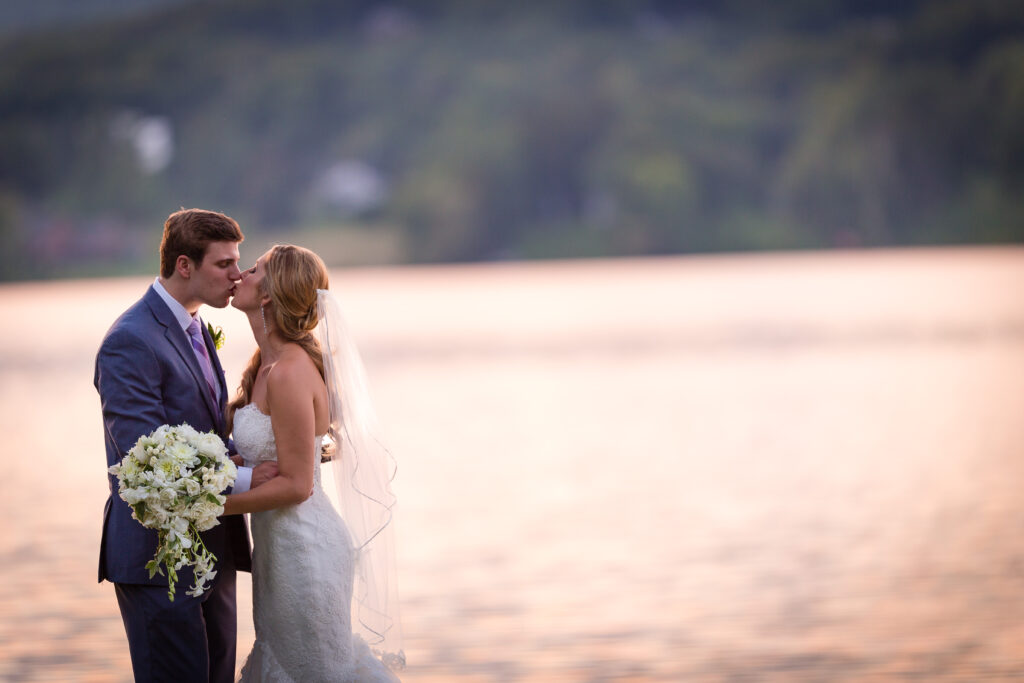
    Soft Light: I use natural light to create a warm, inviting atmosphere.
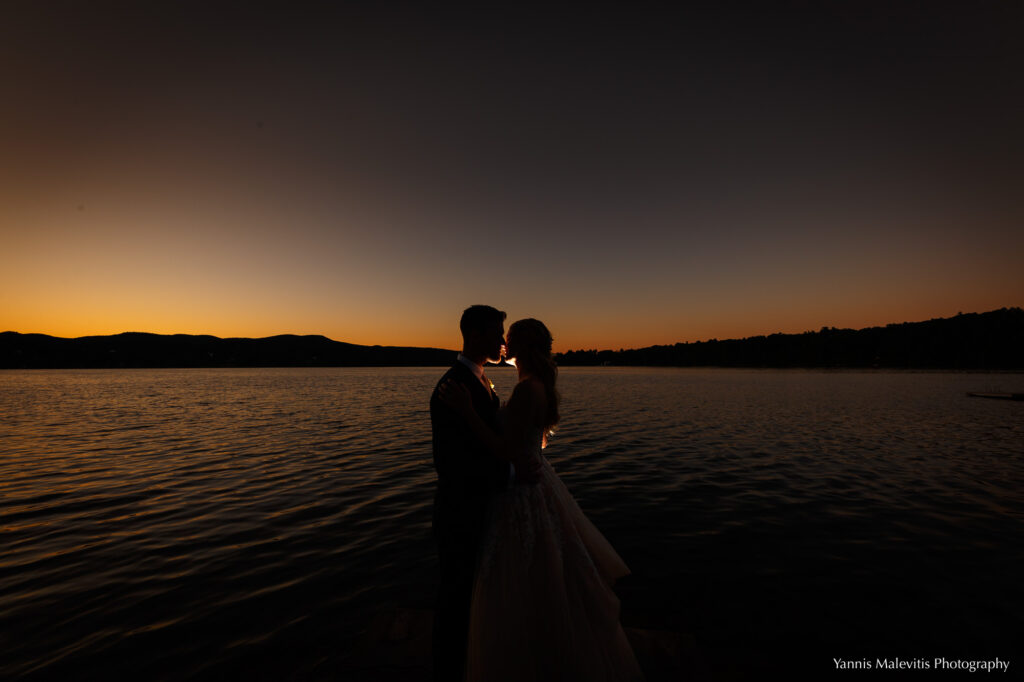
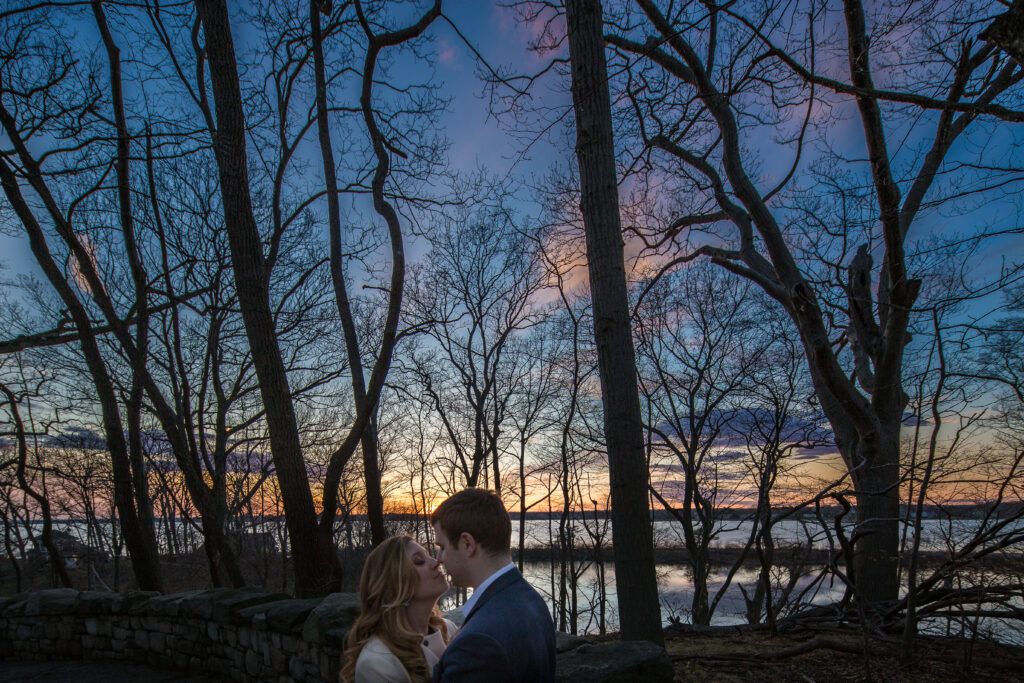
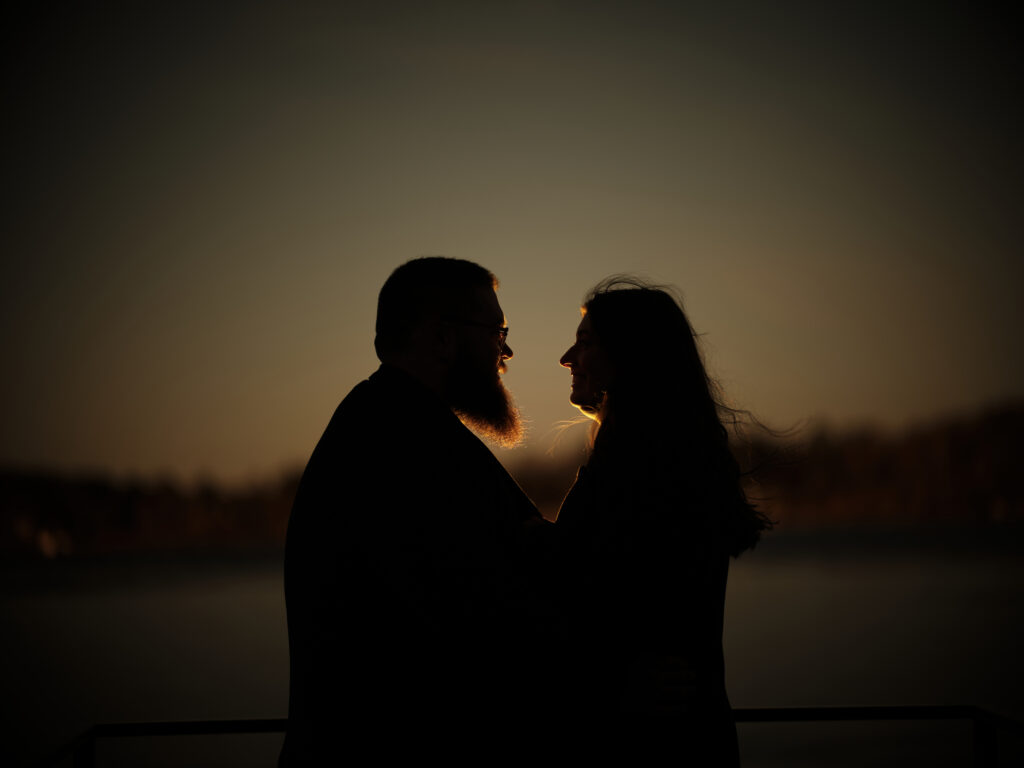
    Silhouettes: I capture dramatic emotional moments against backlit settings, like sunsets or twinkling lights.
    Shadows and Highlights: I play with contrast to emphasize the mood of a moment.

    Stay Patient and Ready

    Be in the Moment: I always have your camera ready to capture fleeting, unscripted moments.
    Let Emotions Unfold Naturally: I resist the urge to stage or direct; I allow genuine interactions to happen.
    Blend In: The more comfortable people are with my presence, the more authentic my shots will be.

    Capture the Atmosphere

    Details That Evoke Emotion: I include decor, letters, or sentimental items that tell the story of the day.
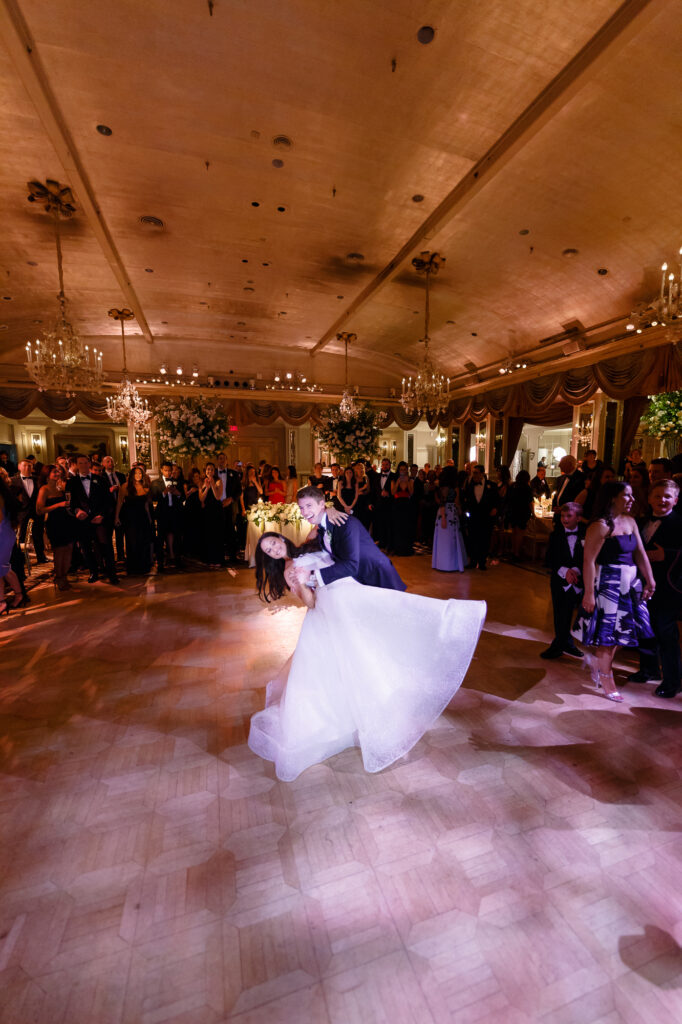
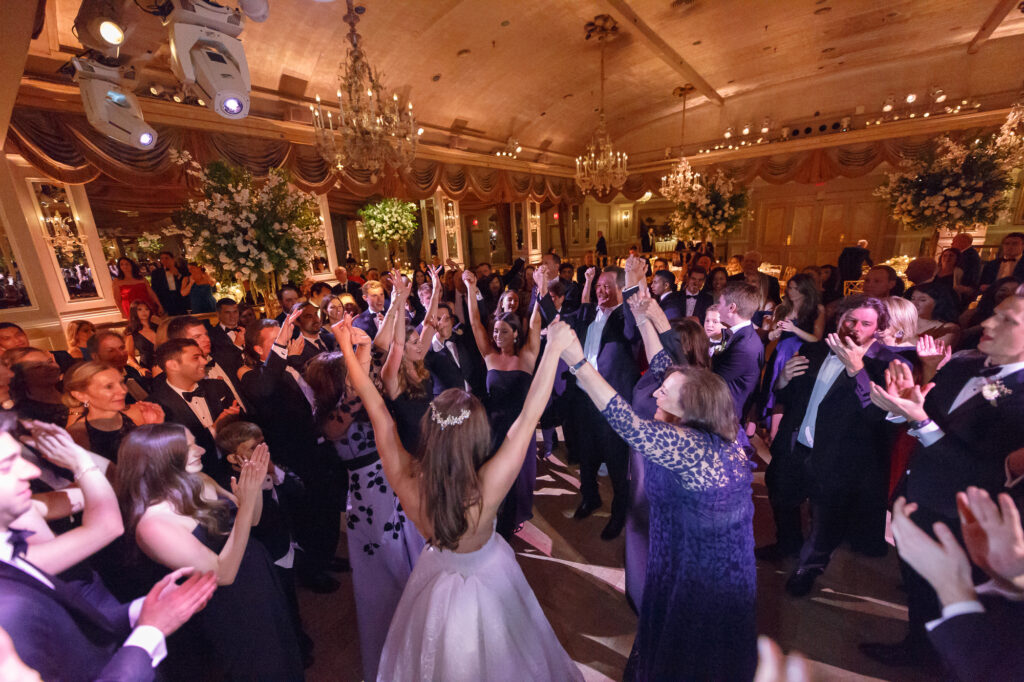
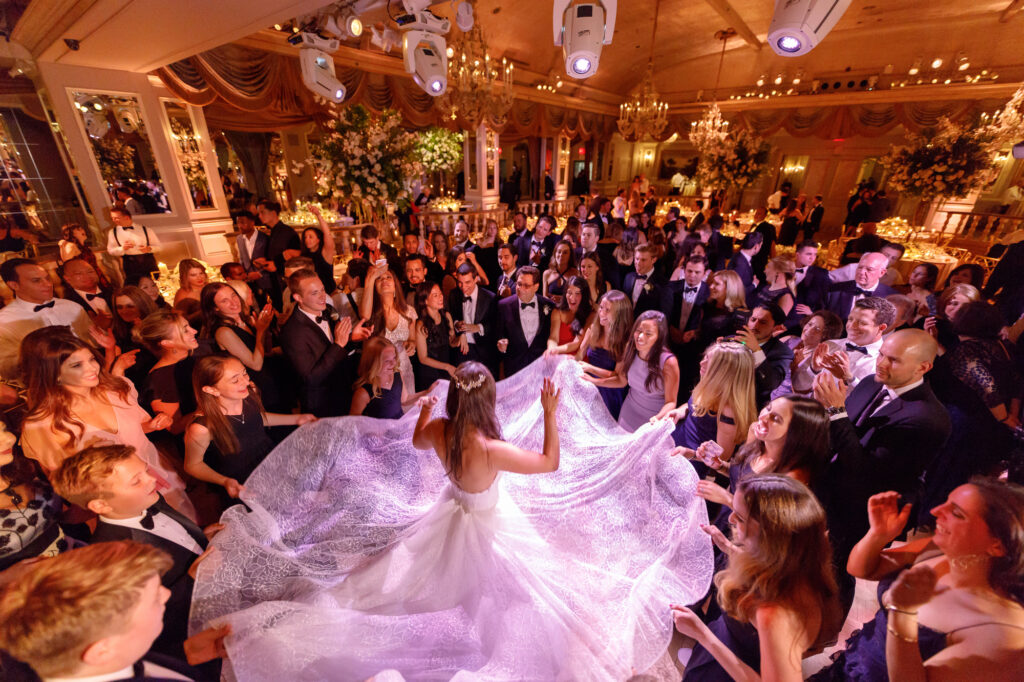
    Wide Shots of the Scene: I showcase the venue, the crowd, and the ambiance to preserve the emotional setting.

    By staying observant, blending into the background, and focusing on authentic interactions, I create a heartfelt visual narrative of the wedding day that resonates with the couple and their loved ones.

    Behind the Lens: How I Capture the Emotion of a Wedding Day. You may view further samples of my work on my website: www.ymvisuals.com

  • Tips for Stunning Golden Hour Wedding Portraits

    Tips for Stunning Golden Hour Wedding Portraits

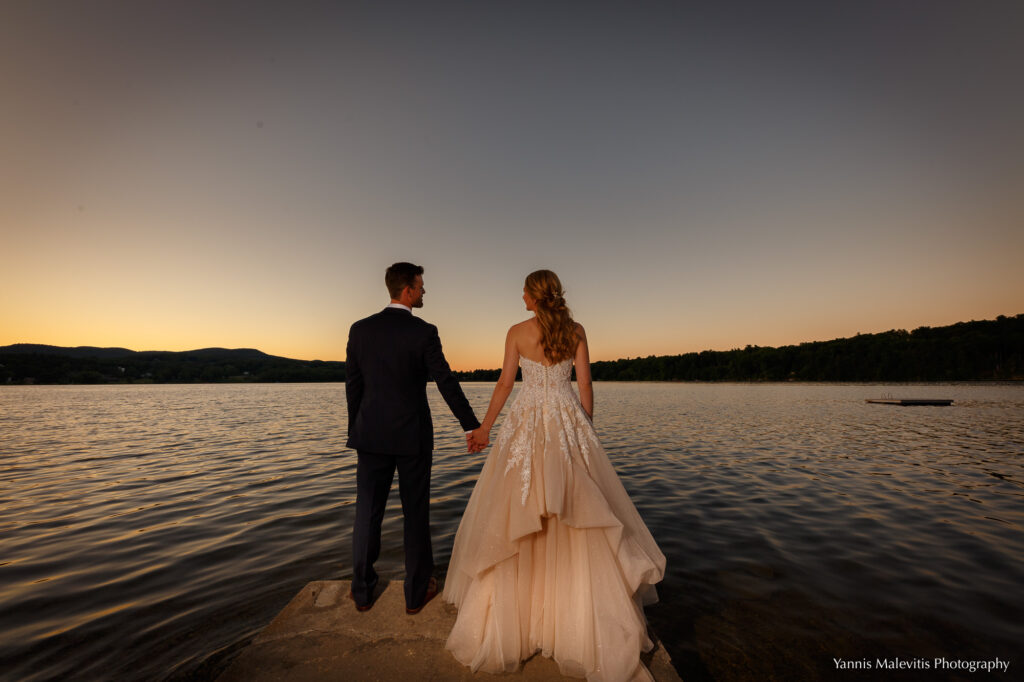
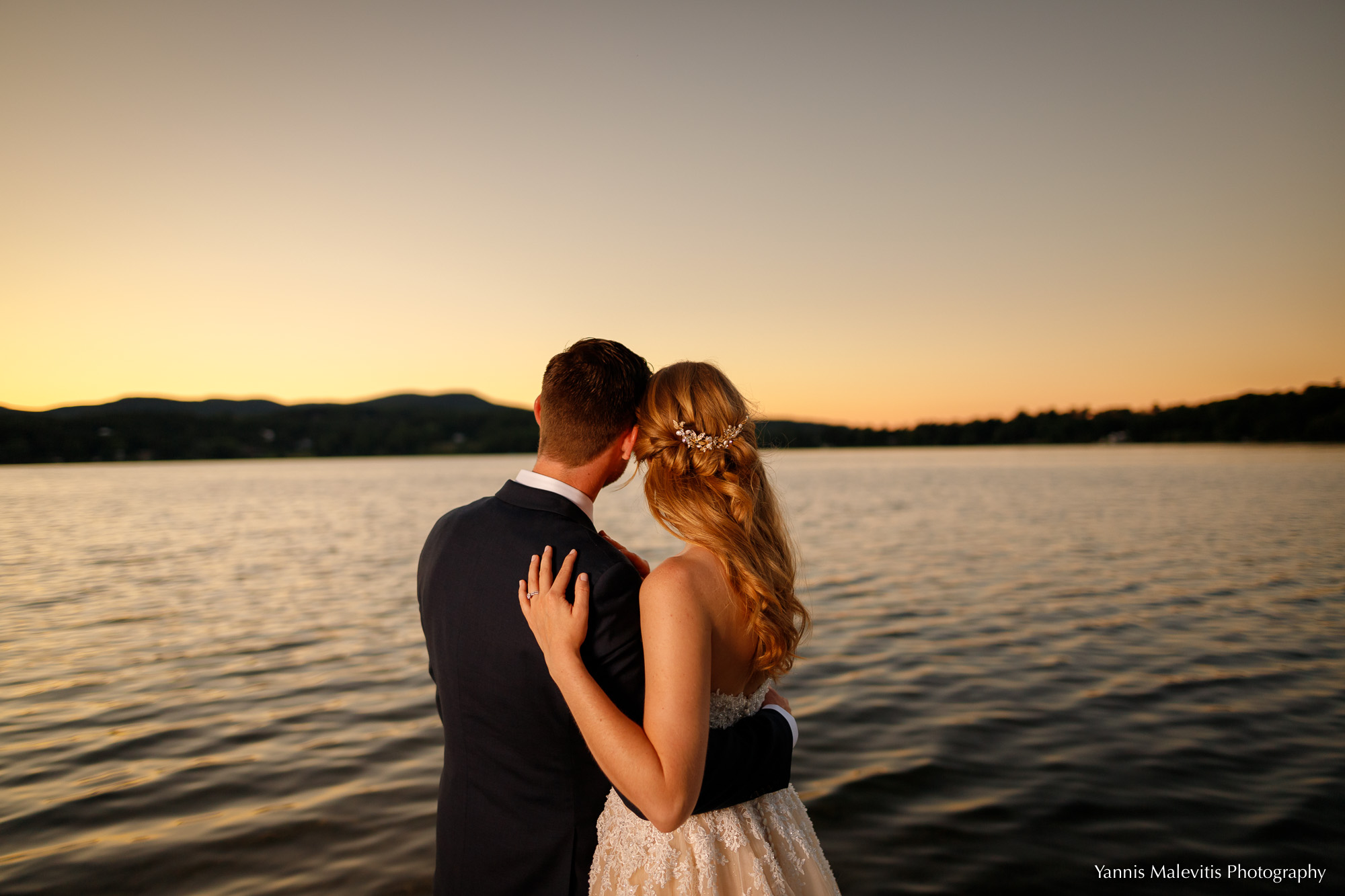
    I would like to offer a few tips for stunning golden hour wedding portraits. My aim is to provide insights into lighting, positioning, and equipment for capturing beautiful sunset photos.

    Golden hour—the magical time shortly after sunrise or before sunset—bathes everything in soft, warm light, making it a favorite for wedding portraits.

    First of all, we need to time it right. Golden hour lasts roughly 30-60 minutes, depending on the season and location. I usually coordinate with the couple and wedding planner to fit this session into the day’s timeline. It is important to allow time for positioning and transitions.

    Before the beginning of photography coverage, I identify open spaces or areas with interesting foregrounds, such as fields, water, or architectural elements, to complement the light.

    I always focus on emotions and natural poses. I ask from the couple to forget my presence and look to each other. I encourage them to laugh, walk hand-in-hand, or share quiet moments to capture candid, emotional shots. Possible ways to incorporate movement is to lean into each other, or walk through the light to create dynamic, natural compositions.

    I hope the above tips for stunning golden hour wedding portraits will be useful for couples looking to get married in 2025. My website www.ymvisuals.com provides additional images from various weddings.

  • Photographing wedding speeches

    Photographing wedding speeches

    Photographing wedding speeches requires capturing the emotion, interaction, and significance of the moment while ensuring the images are visually compelling.

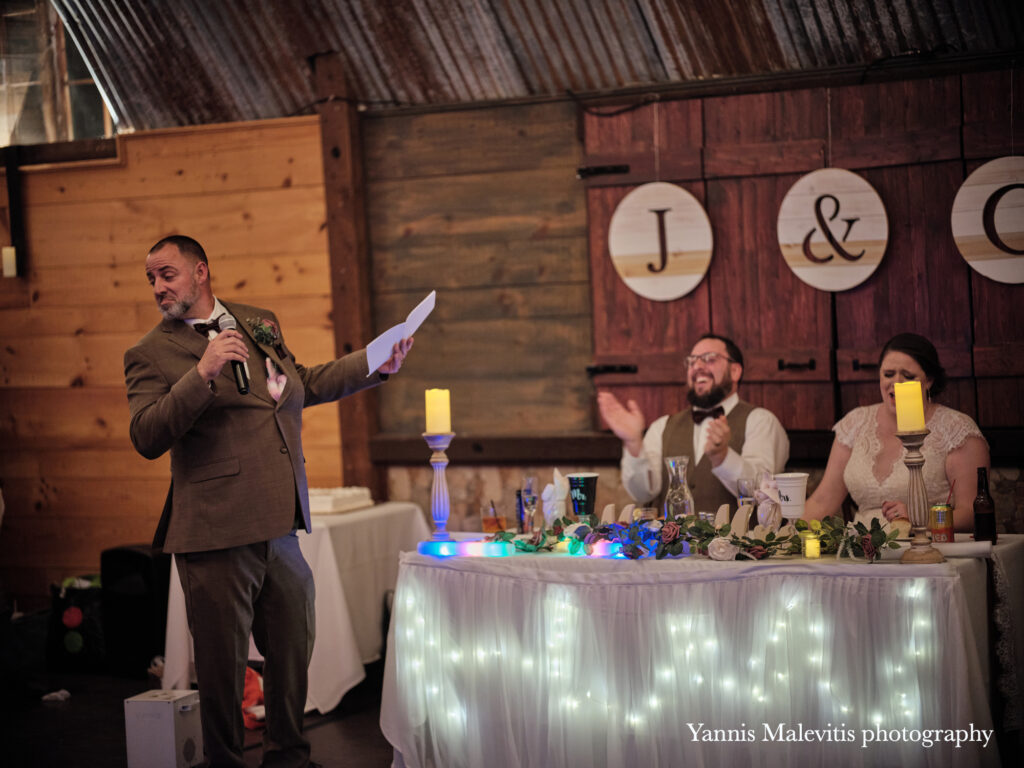
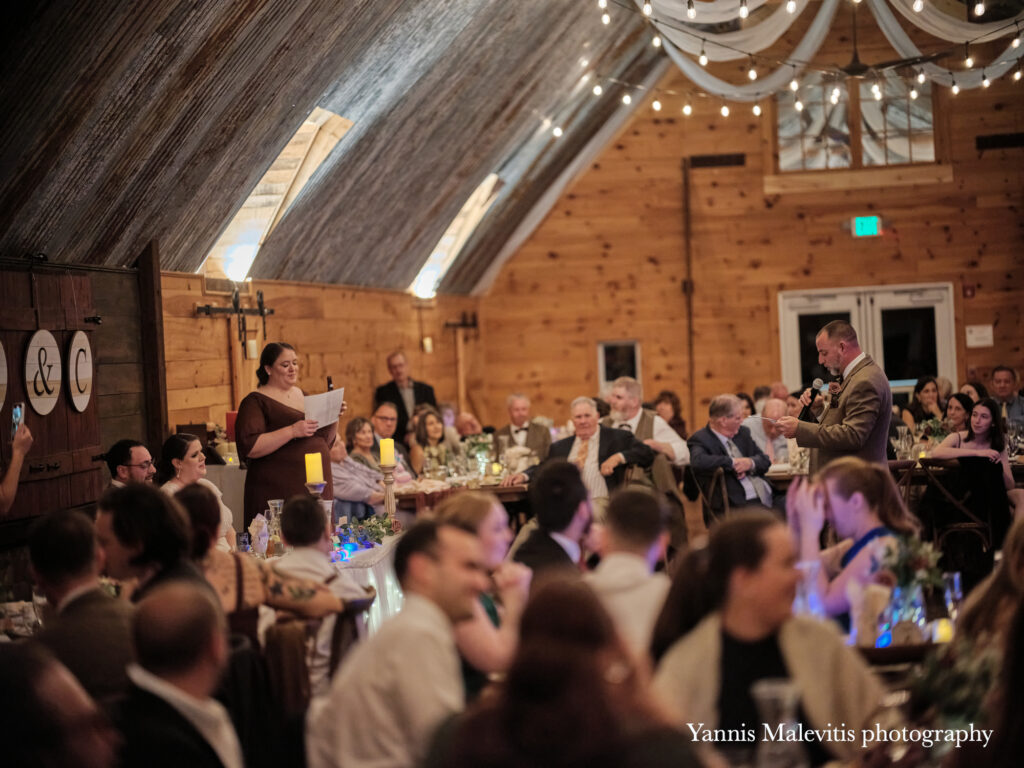
    There are different ways of photographing wedding speeches. Other photographers place flashes around the dancing floor and change the ambience and mood of the room. I prefer to work with available light and capture emotions the way we felt them.

    Key Moments I Capture

    a) The speaker:
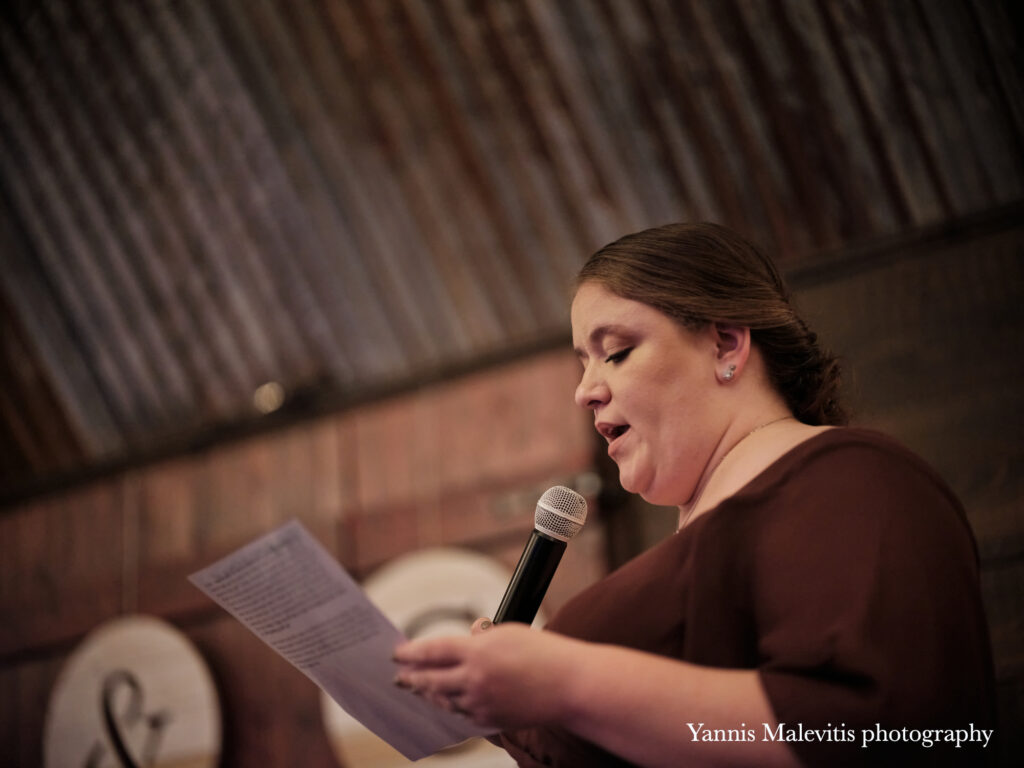
    I focus on their expressions, gestures, and body language to convey their emotion and engagement.
    b) The couple:
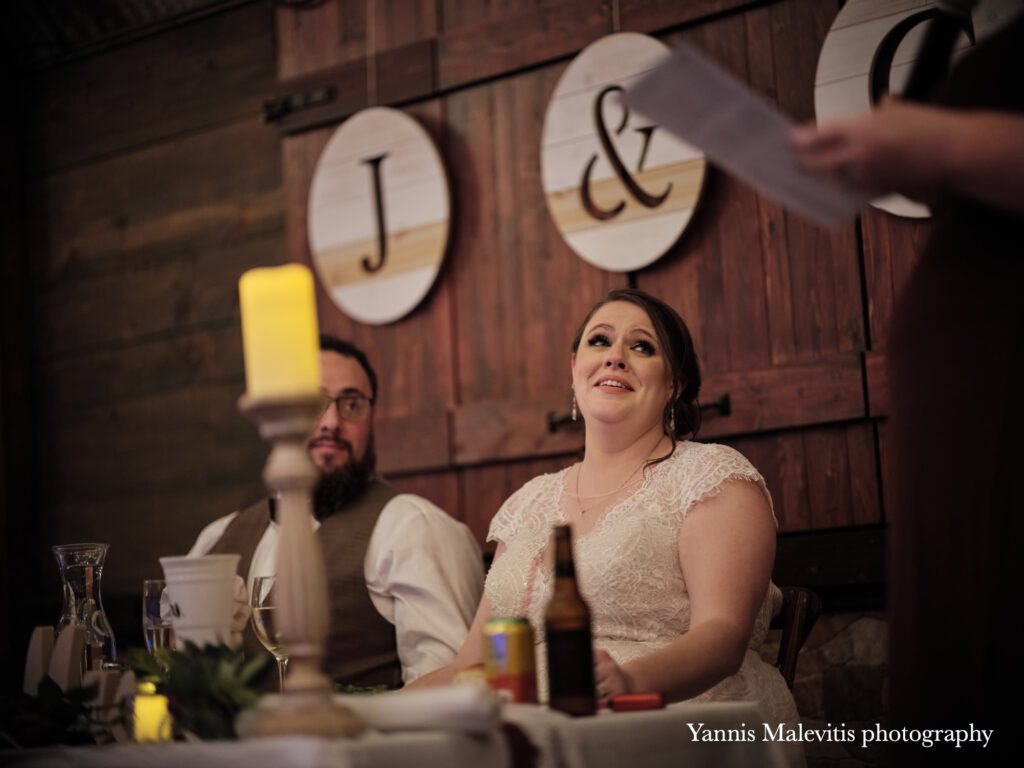
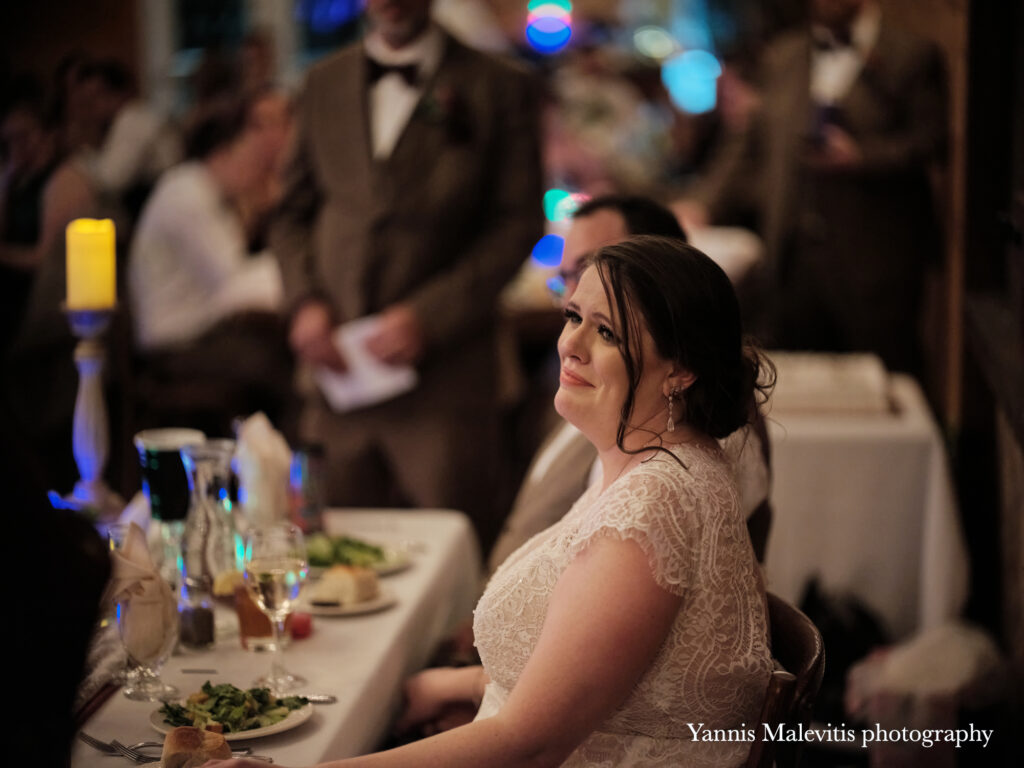
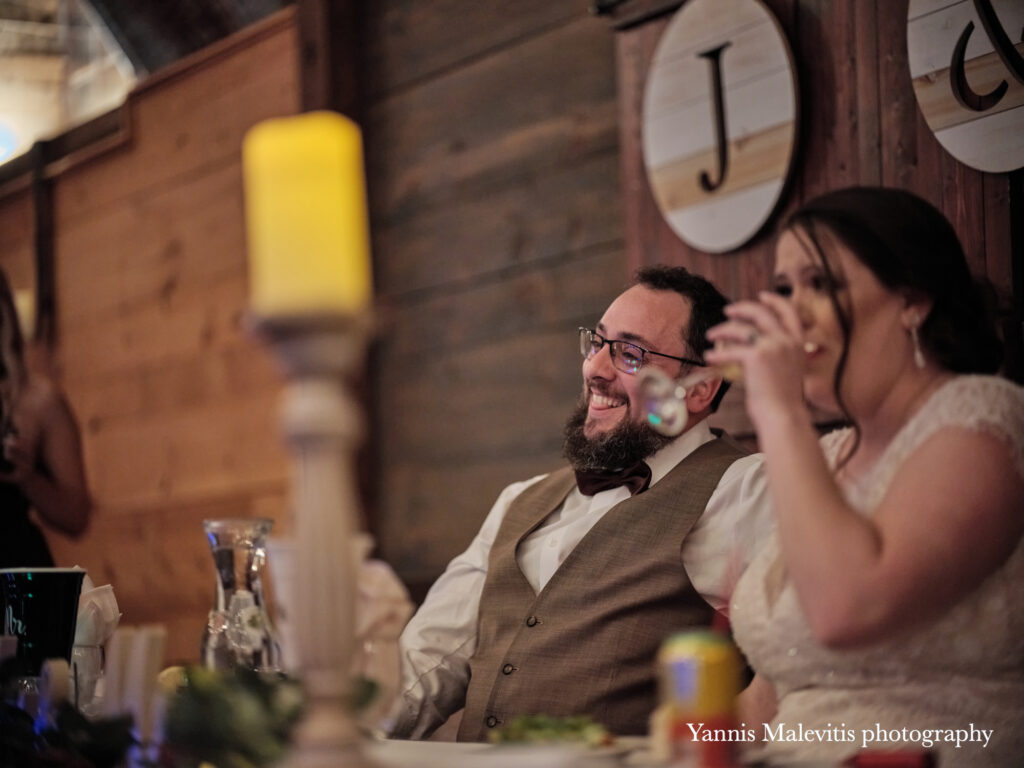
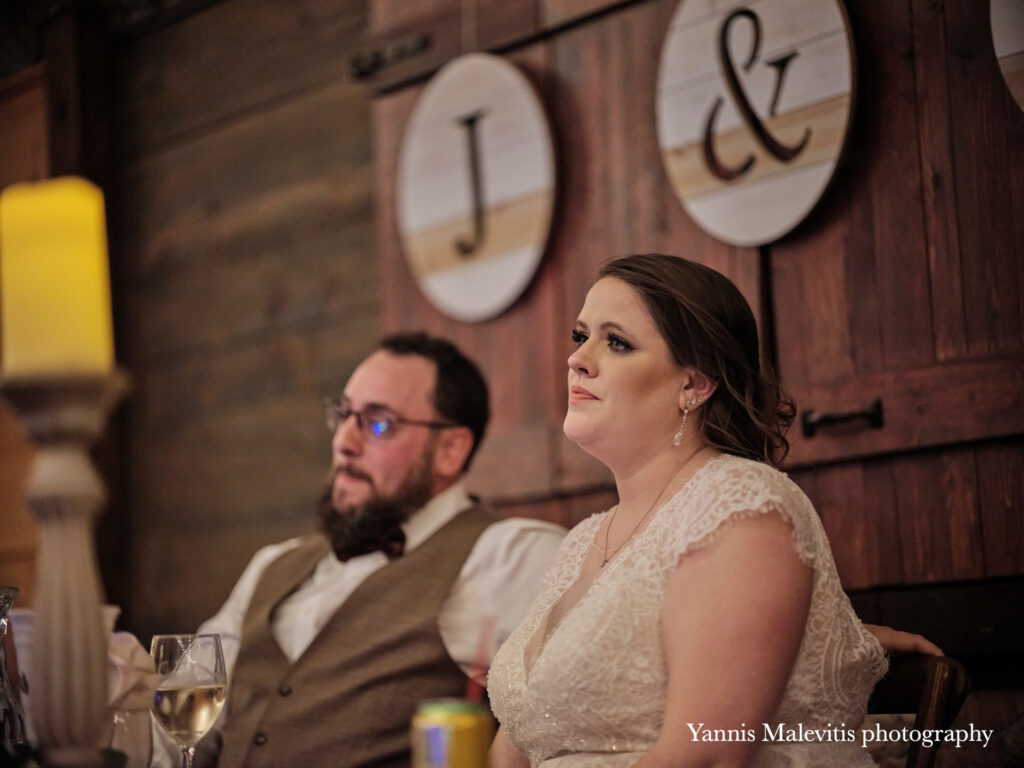
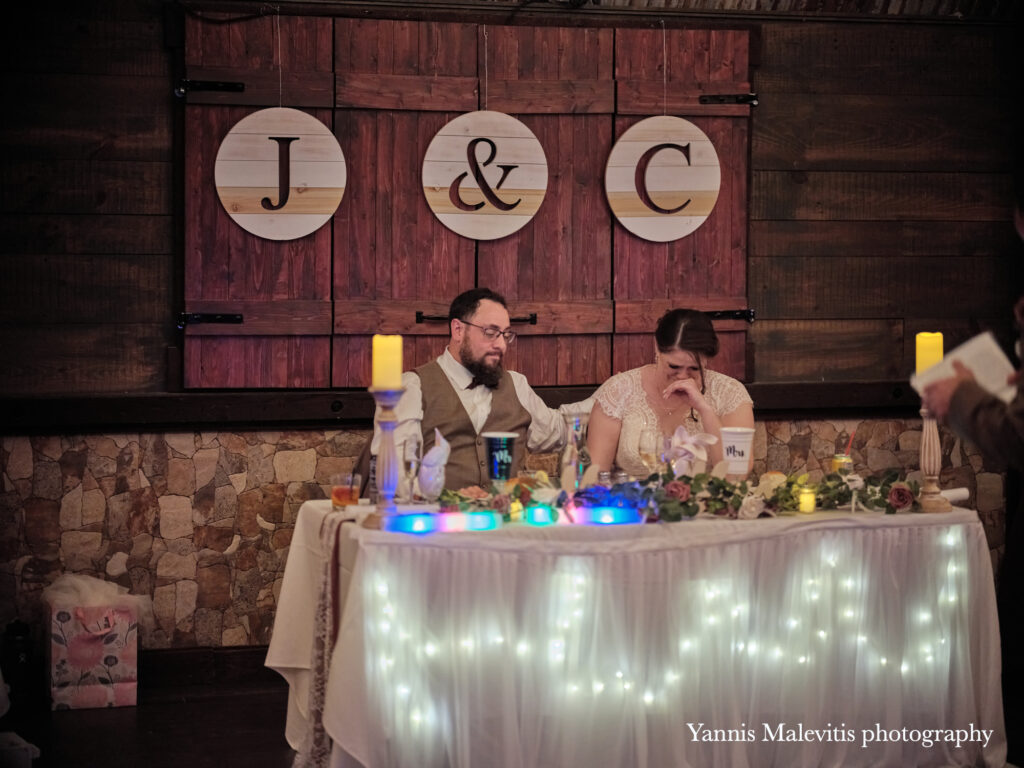
    I capture their reactions, such as laughter, smiles, or tears, as they listen to heartfelt words.
    c) Interaction:
    I look for connections between the speaker and the couple or the audience, like a heartfelt glance or shared smile.

    My preferred techniques

    I try to vary my angles. I photograph the speaker head-on, the couple from the side, and audience reactions from behind or the sides. I focus on the speaker’s eyes and facial expressions to convey sincerity. In addition I anticipate key moments, such as the punchline of a joke or the climax of a heartfelt story. It is my priority to move quietly and avoid distracting the speaker or guests.

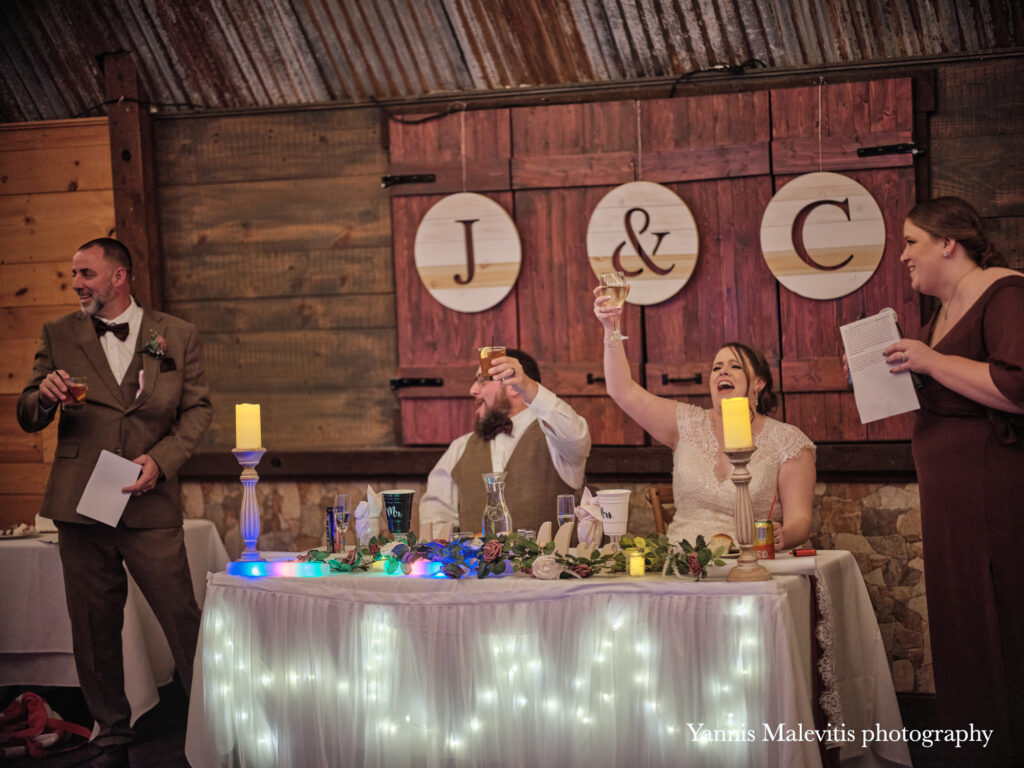
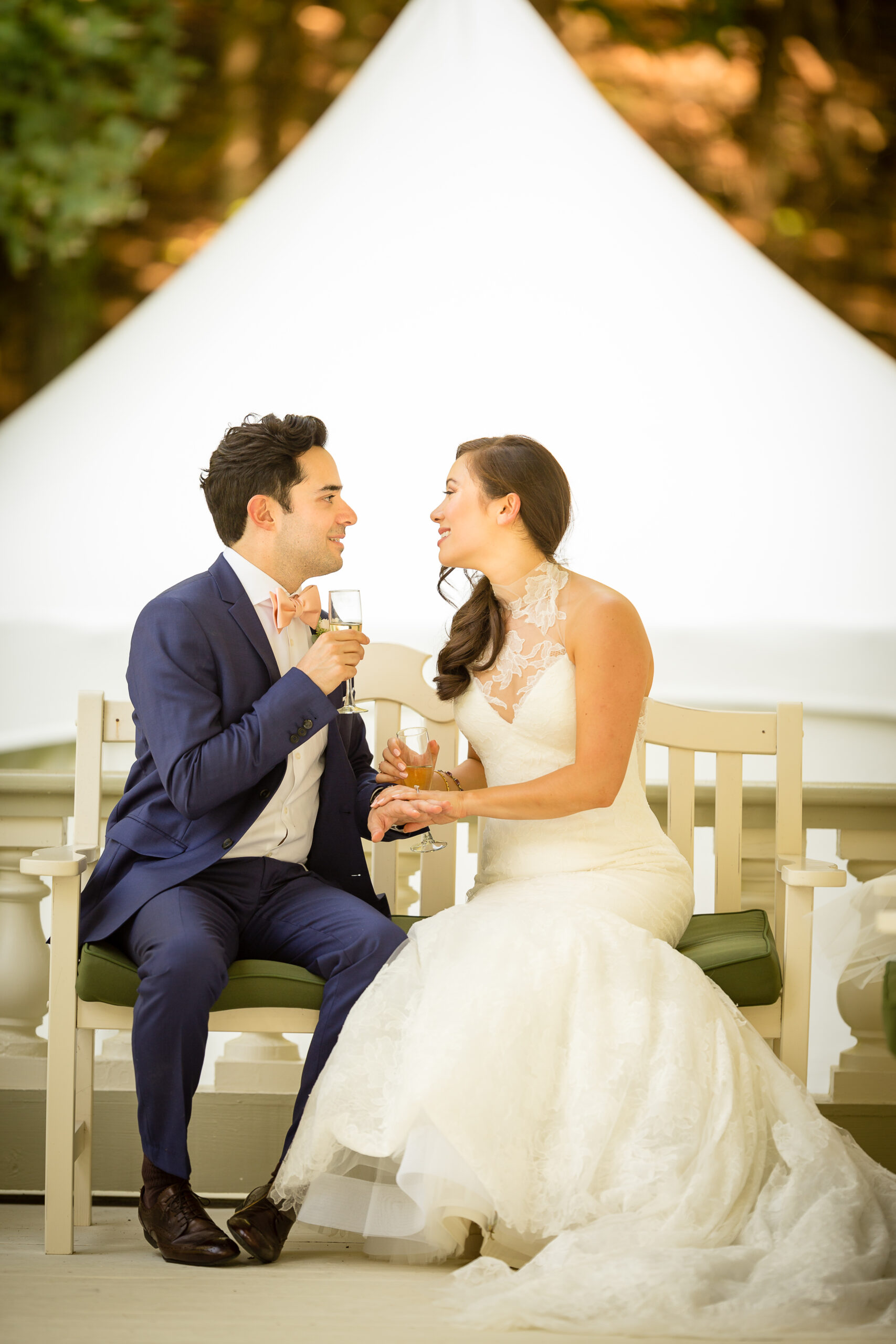
    I mainly use two focal lengths, an 85mm and a 50mm lens. I photographed the speeches of Colleen and Jordan’s wedding with a Fuji medium format camera and a Zeiss 100mm 1.4 lens. I love the way this particular lens isolates the subject and creates a unique 3D rendering effect.

    Wedding speech photography requires capturing emotion and interaction while maintaining visual appeal. The photographer focuses on the speaker, couple, and audience, using various angles and anticipating key moments to convey sincerity and connection.

  • Medium format camera during a wedding day

    Medium format camera during a wedding day

    Using a medium format camera during a wedding day can produce stunning, high-quality images due to its superior resolution, dynamic range, and detail. However, it requires careful planning and practice due to its larger size and slower operation compared to DSLR or mirrorless full frame cameras.

    I enjoy using the Fuji medium format camera with the Zeiss Otus 100mm 1.4 lens. I pay attention to focus, especially with wide apertures. Medium format cameras often have shallower depth of field, so precise focus is critical for portraits and close-ups.

    I embrace the slower pace of medium format photography. It is important to take time to frame and compose each shot carefully. In addition I explain to my couples that a medium format camera is ideal in some parts of the wedding day.

    I love the way a medium format camera renders the scene and reminds me of film rendering. Like film photography it has timeless aesthetic for a number of reasons:

    • Natural Look: It produces images with a soft, organic quality that’s often described as more “authentic” and less clinical than full frame.
    • Grain and Color: The distinctive color tones of the larger sensor — such as warm skin tones and rich shadows — lend an artistic quality that’s difficult to replicate with a smaller sensor.
    • Classic Feel: It can create images with a timelessness that resonates with the romantic and nostalgic atmosphere of weddings.

    As a medium format photographer I often shoot more deliberately due to technical characteristics of the camera. This intentionality can lead to more thoughtfully composed images.

    Medium format photography brings a romantic, artistic, and enduring quality to wedding images, making it a cherished medium for couples who value its unique charm and timelessness.

  • Sentimental first look

    Sentimental first look

    A sentimental first look is a private and emotional moment during a wedding day when the couple sees each other for the first time before the ceremony.

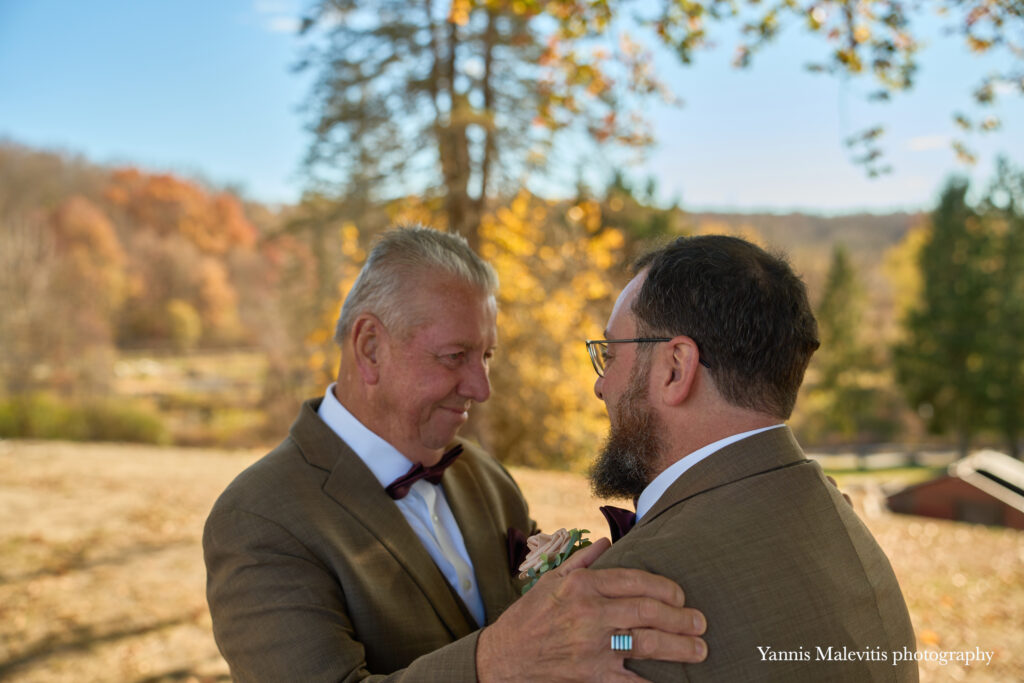
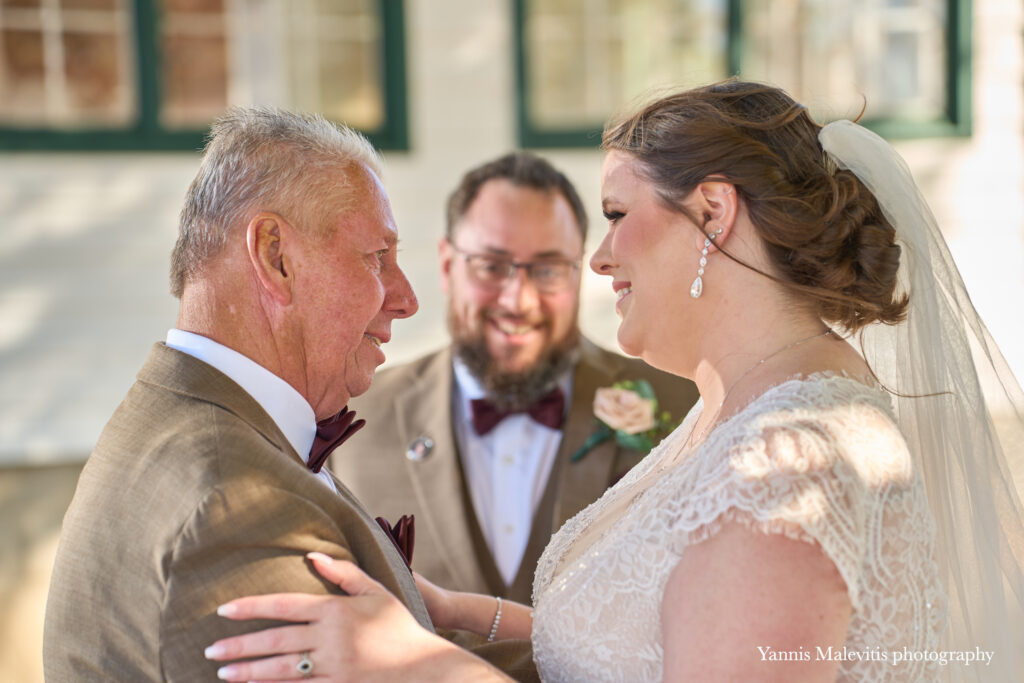
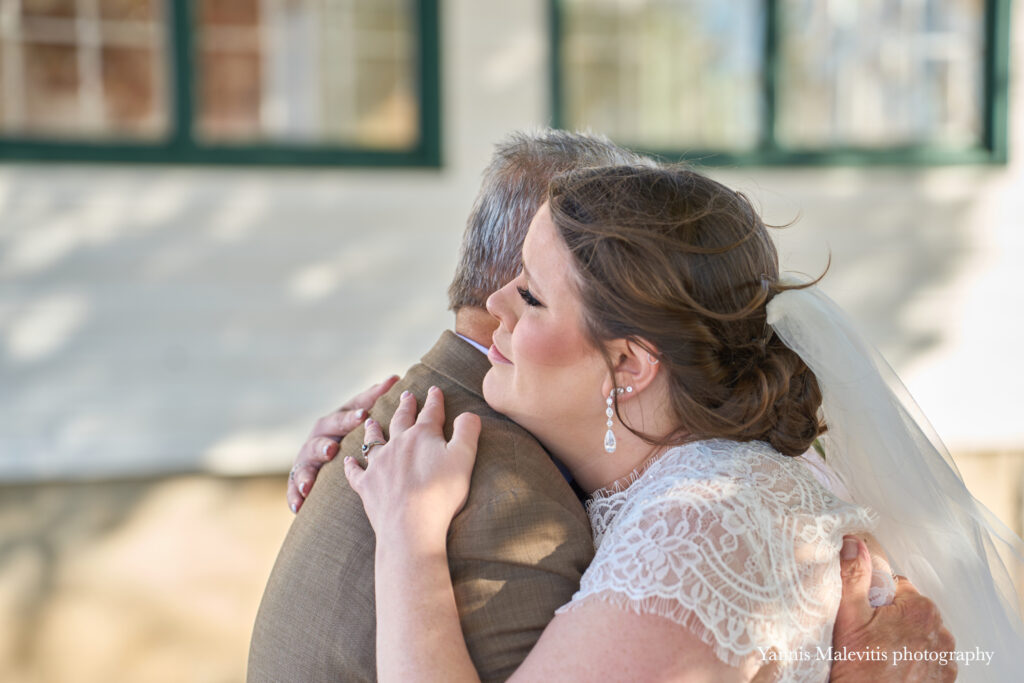
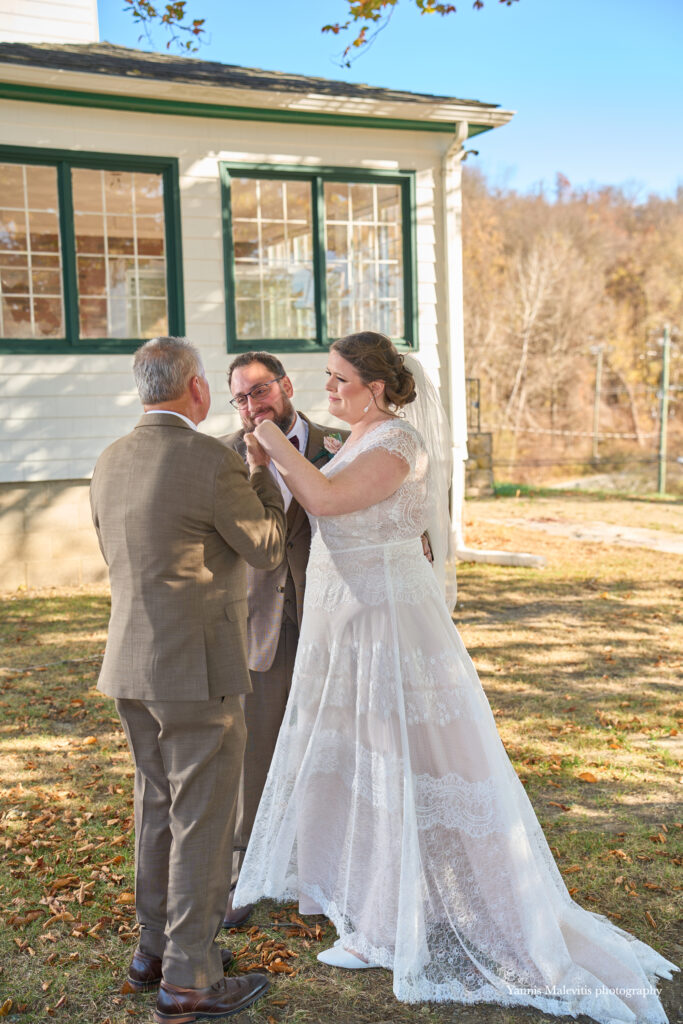
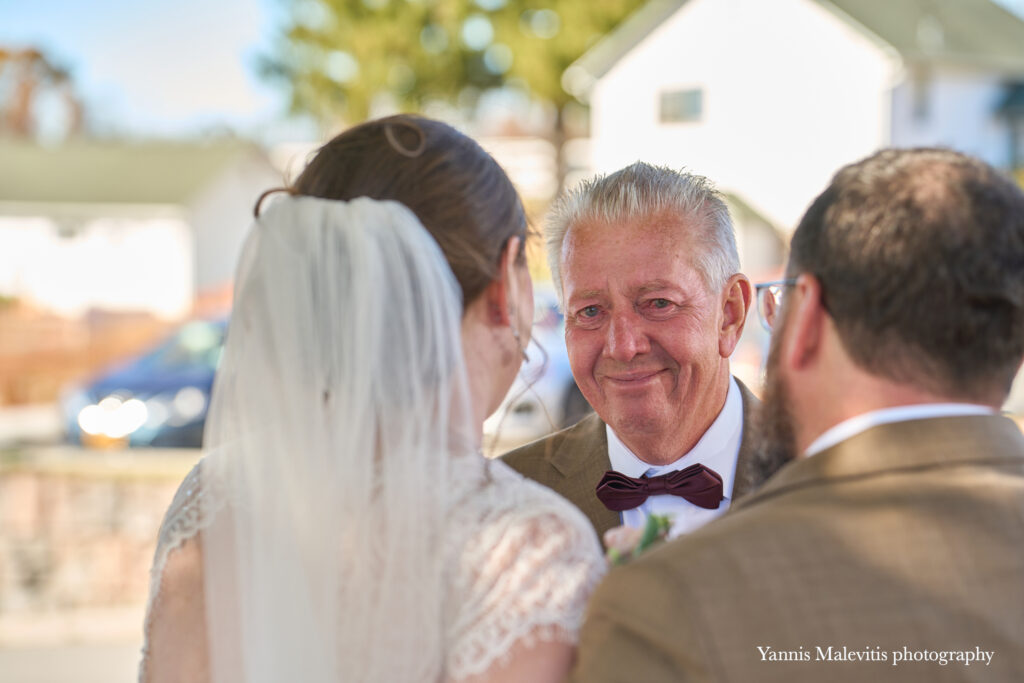
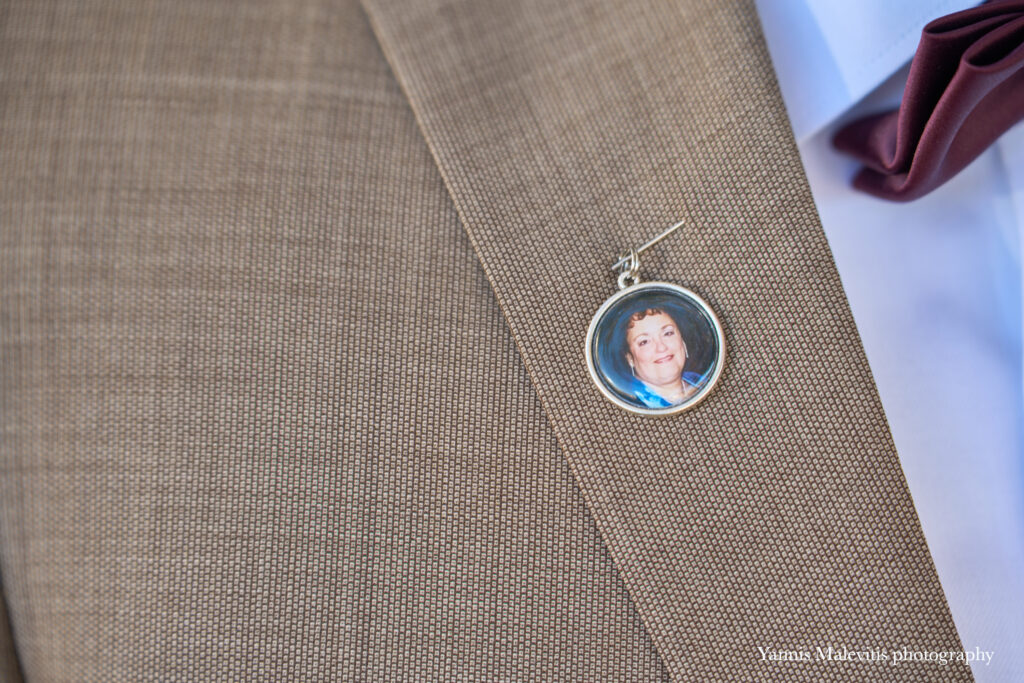
    As a photojournalist I aim to tell the story of the couple. Sometimes there is another story to be told when an important person is not present to participate in the joy of the couple. Before the wedding of Colleen and Jordan, I was informed that his mother had passed away a few years ago.

    The first look usually takes place in a picturesque, quiet location, such as a garden, or a scenic outdoor spot. The setting is chosen to reflect the couple’s personalities and provide a beautiful backdrop for photos.

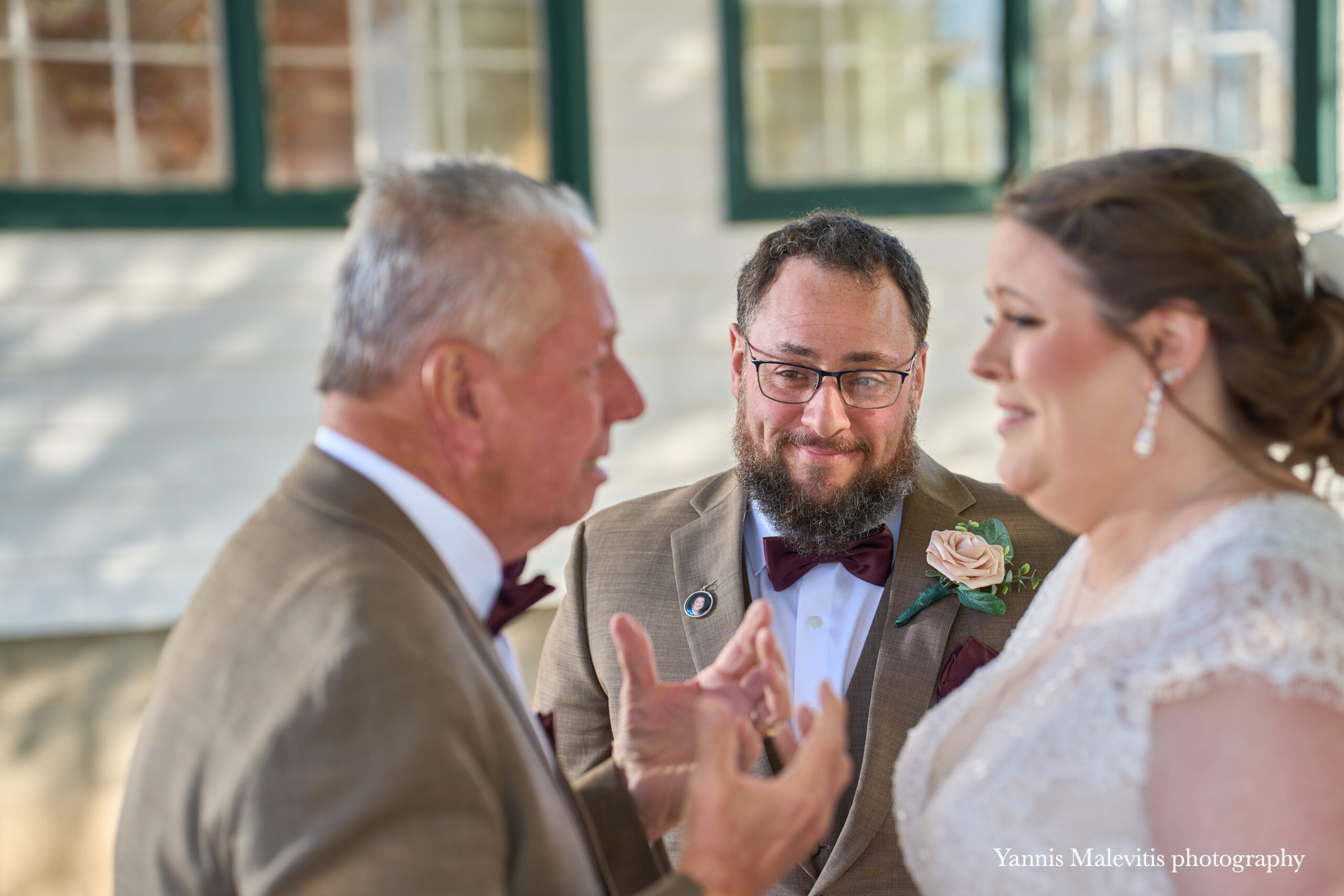
    When I first arrived at the wedding venue Tilly’s table, I spoke with Jordan and his father. I found a place for the first look and asked Jordan to wait for Colleen. The couple had decided to have all their relatives nearby so that they would be present during the first look.

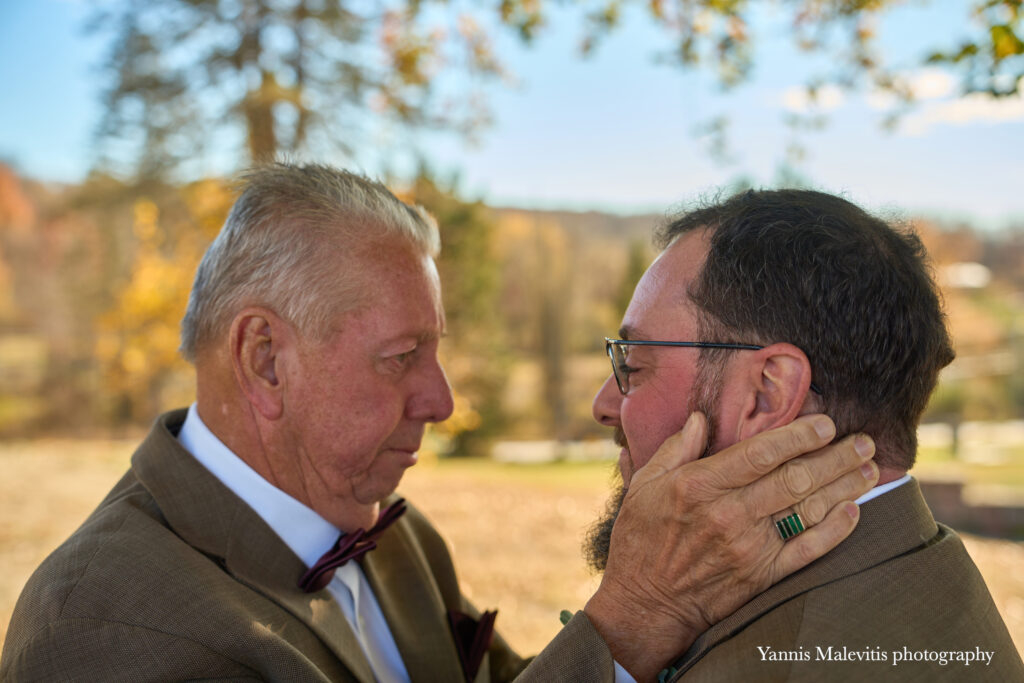
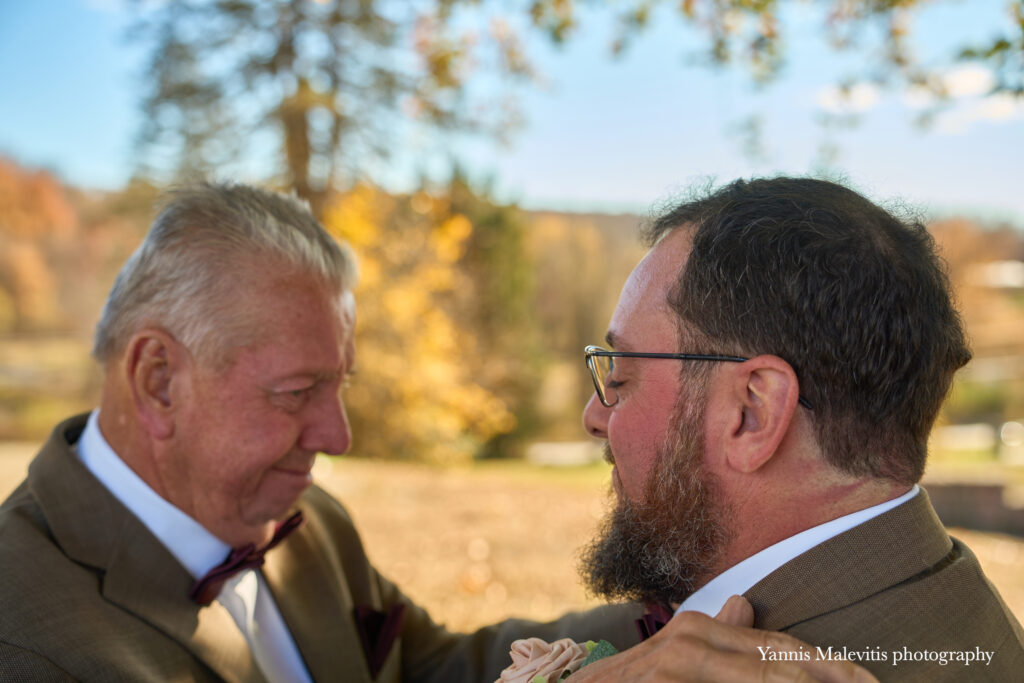
    Jordan was positioned with their back turned. As Colleen was walking towards him, his father moved closer to his son and hugged him. It was a highly emotional moment as both of them were missing Jordan’s mother.

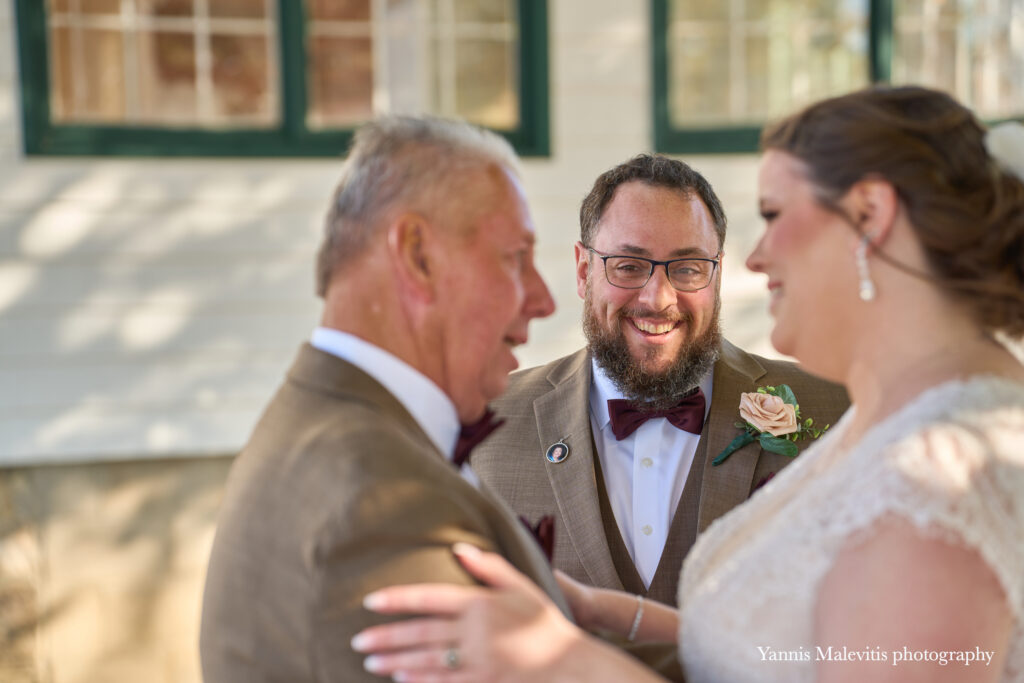
    A few seconds later Colleen approached and gently tapped her partner on the shoulder.
    Jordan turned around, and the couple experienced the emotional reveal together.

    Jordan’s father full of tears approached the couple and had an intimate short discussion with them.

    A sentimental first look is not just a photo opportunity; it’s a deeply meaningful experience that adds an intimate, memorable touch to the wedding day. It allows the couple to soak in a quiet moment together before the celebrations begin.

  • Wedding photojournalism

    Wedding photojournalism

    My favorite genre of wedding photography is wedding photojournalism with the intention to capture emotions.

    It could be defined as a style of wedding photography that focuses on capturing authentic, candid moments that tell the emotional story of a couple’s wedding day. It blends the techniques of traditional photojournalism with a deep sensitivity to the feelings, connections, and atmosphere of the event. 

    Preferred techniques

    a) Candid Photography
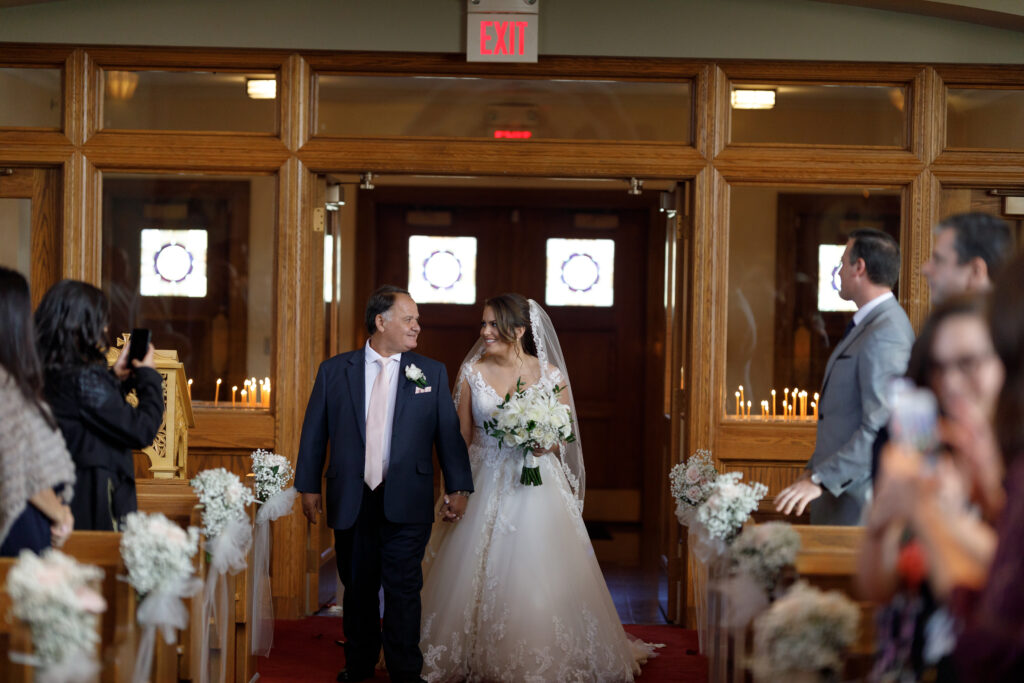
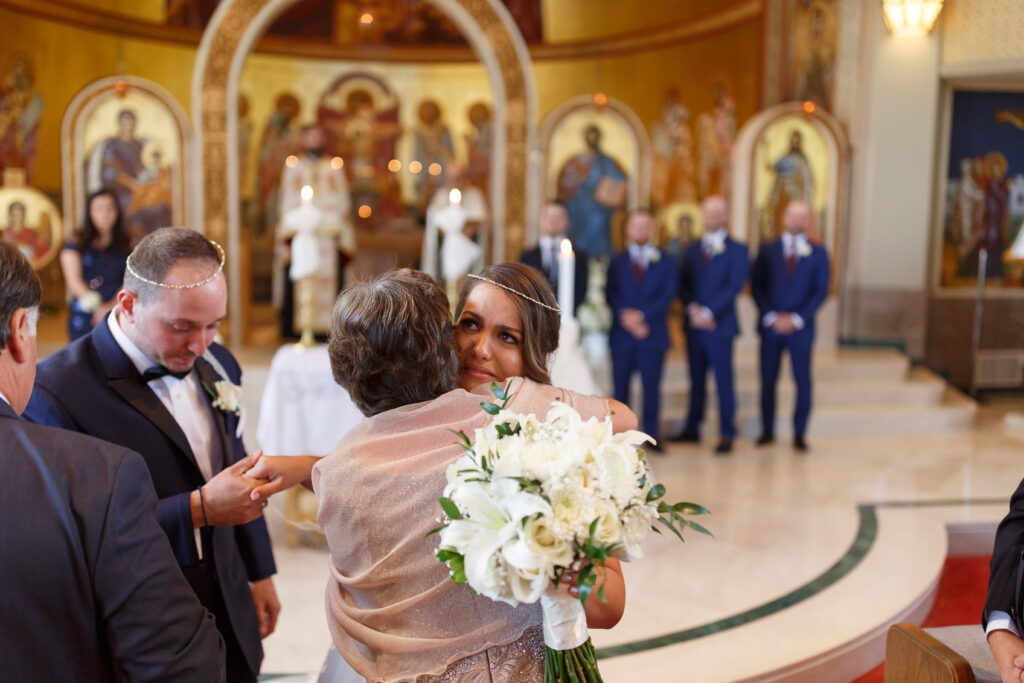
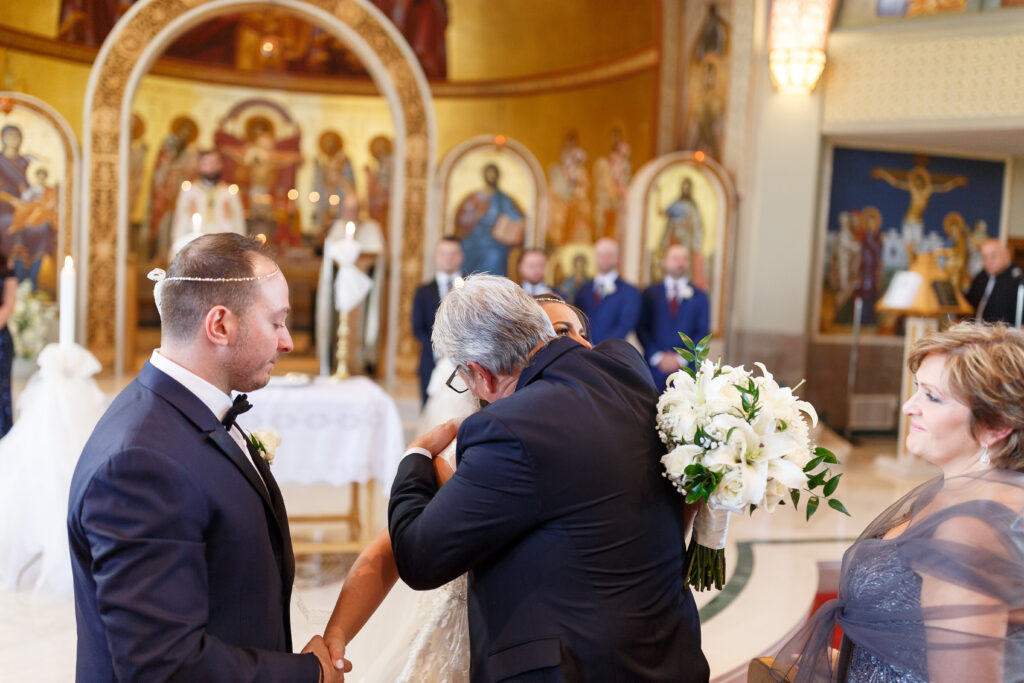
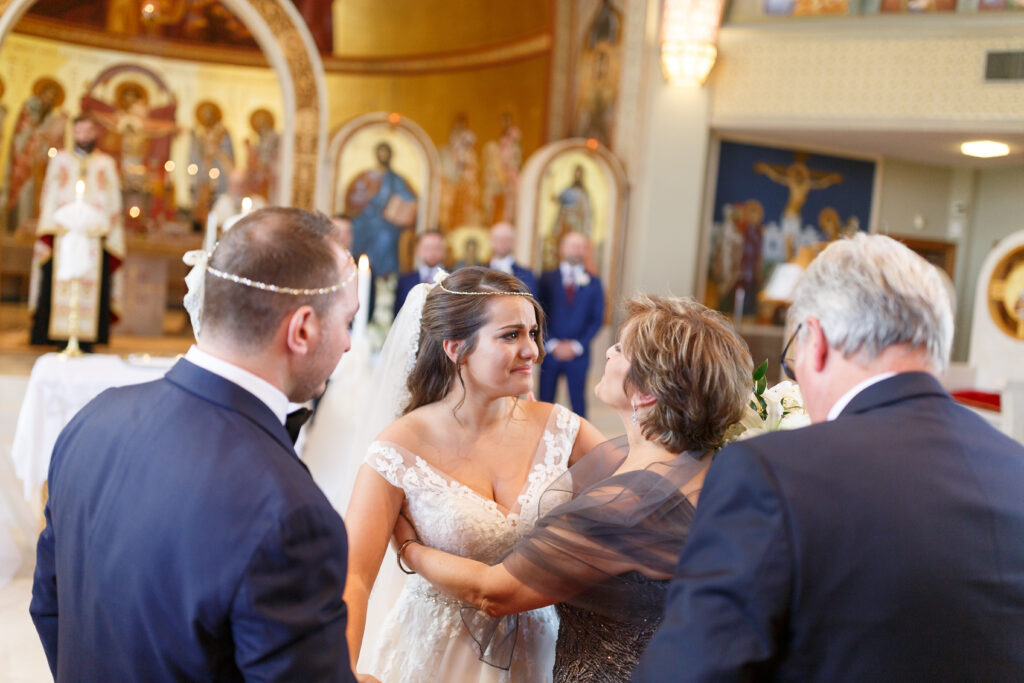
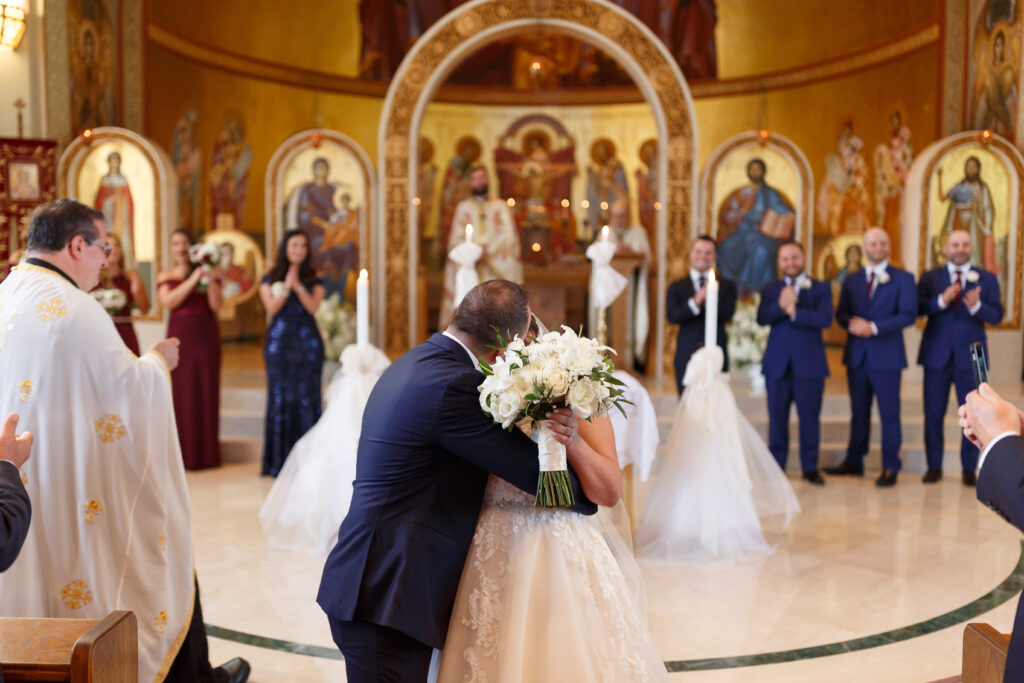
    Rather than staging shots, I observe and capture moments as they unfold. This allows for genuine, spontaneous reactions to be recorded. This is an image of the bride with her father walking down the aisle. For a split second they stopped, looked to each other and smiled.

    Wedding photojournalism

    b) Attention to Details
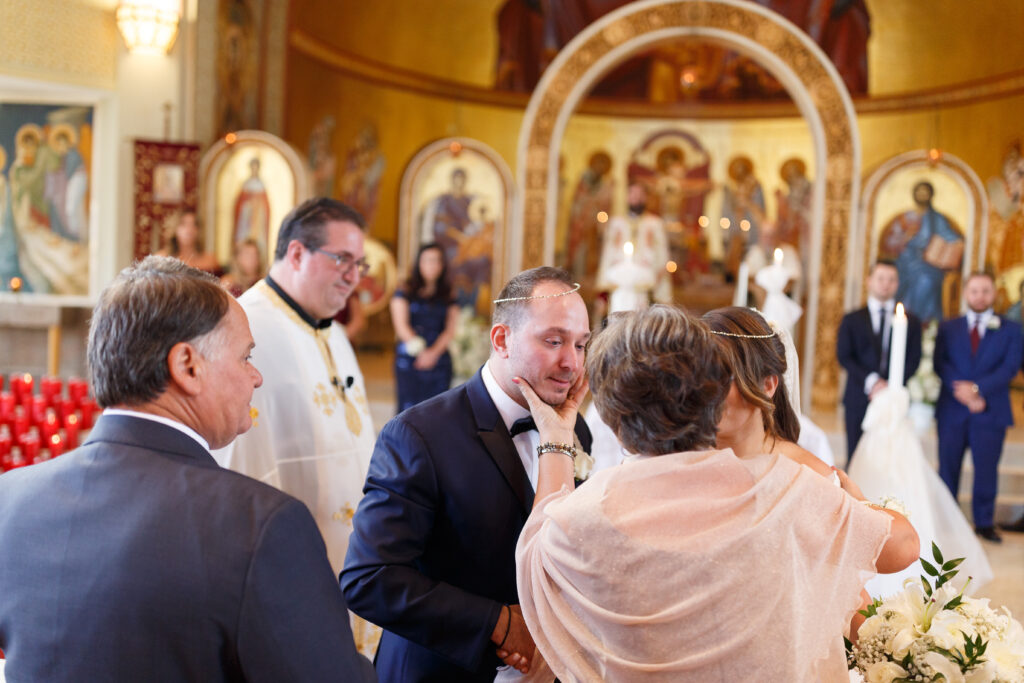
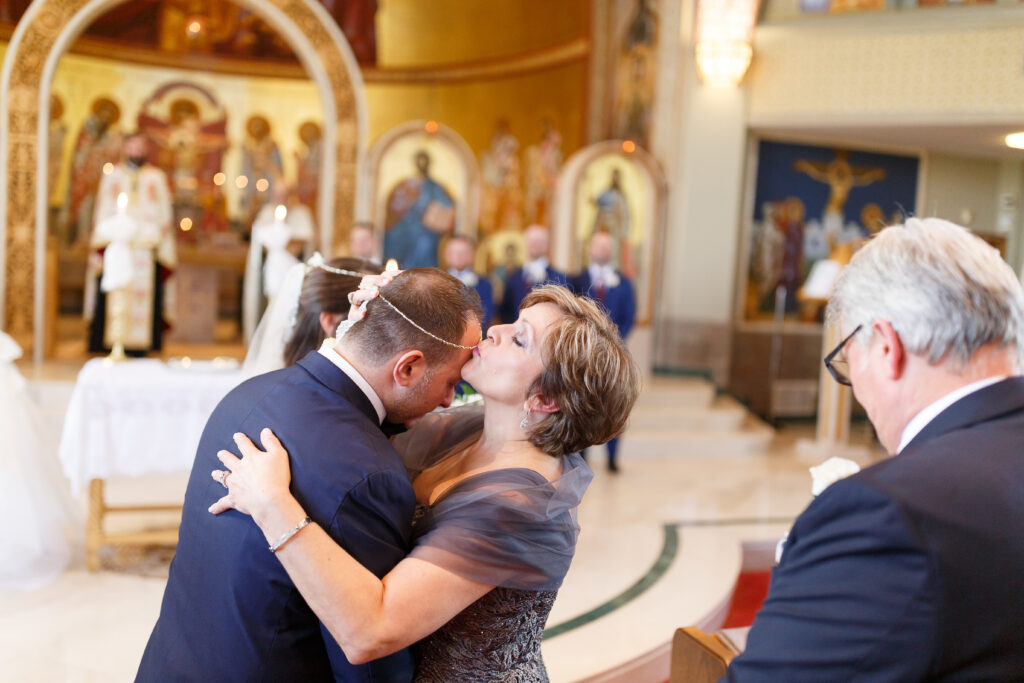
    Emotional moments are not limited to faces. Small details — like a bride’s face, a parent’s tearful gaze, or a child’s playfulness – can evoke powerful feelings.


    c) Use of Lighting and Composition:
    Creative use of light, shadow, and framing enhances the mood and drama of emotional moments.
    Tight framing on expressions or wide shots showing the ambiance adds layers to the story.

    d) Empathy and Observation:
    I aim to connect with the emotions of the day, intuitively sensing when and where meaningful moments might occur.

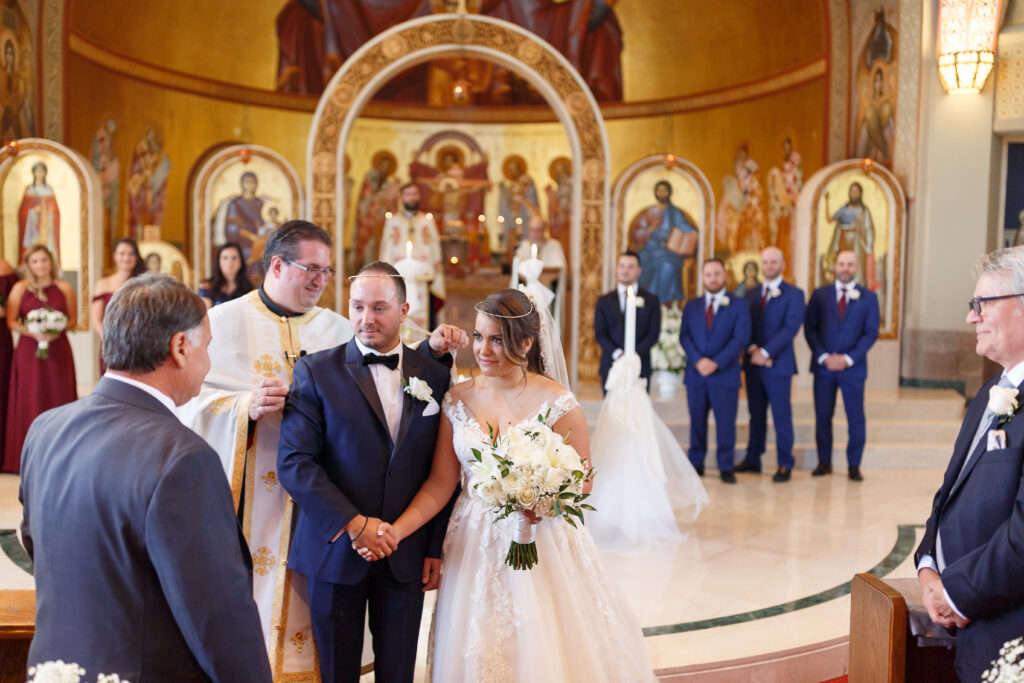
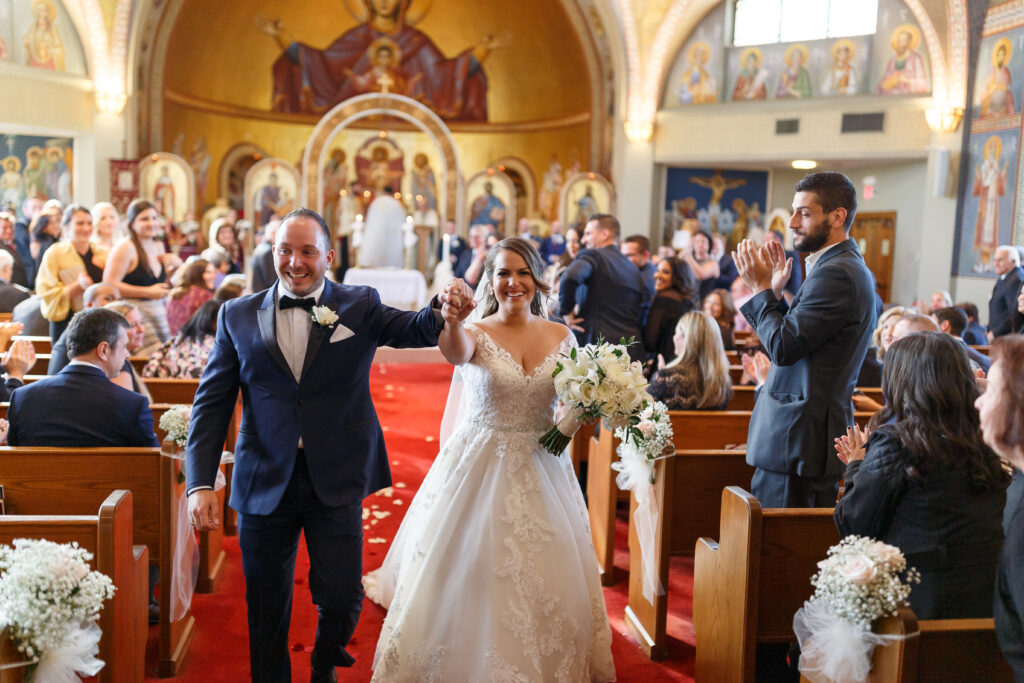
    The wedding ceremony took place at the Saint Barbara Greek Orthodox Church in Orange, CT.

    Why it matters

    The wedding photojournalism matters as a photographic approach because it offers a timeless appeal.
    Emotional photojournalism creates images that feel authentic and resonate deeply, making them timeless treasures.

    It also creates a personalized story. Each wedding has its unique emotional journey, and this style ensures that the couple’s story is told in a way that reflects their individuality.
    Emotional wedding photojournalism requires a keen eye, quick reflexes, and a deep understanding of human emotion. The result is a collection of heartfelt, meaningful images that encapsulate the true spirit of a wedding day.

  • The importance of an engagement shoot

    The importance of an engagement shoot

    I would like to discuss the importance of an engagement shoot in the wedding photography process. There are couples who believe that an engagement shoot may not be necessary.

    I always suggest to my prospective clients to meet and have an engagement photo shoot or a mini photo session for a number of reasons.

    Review of wedding day schedule

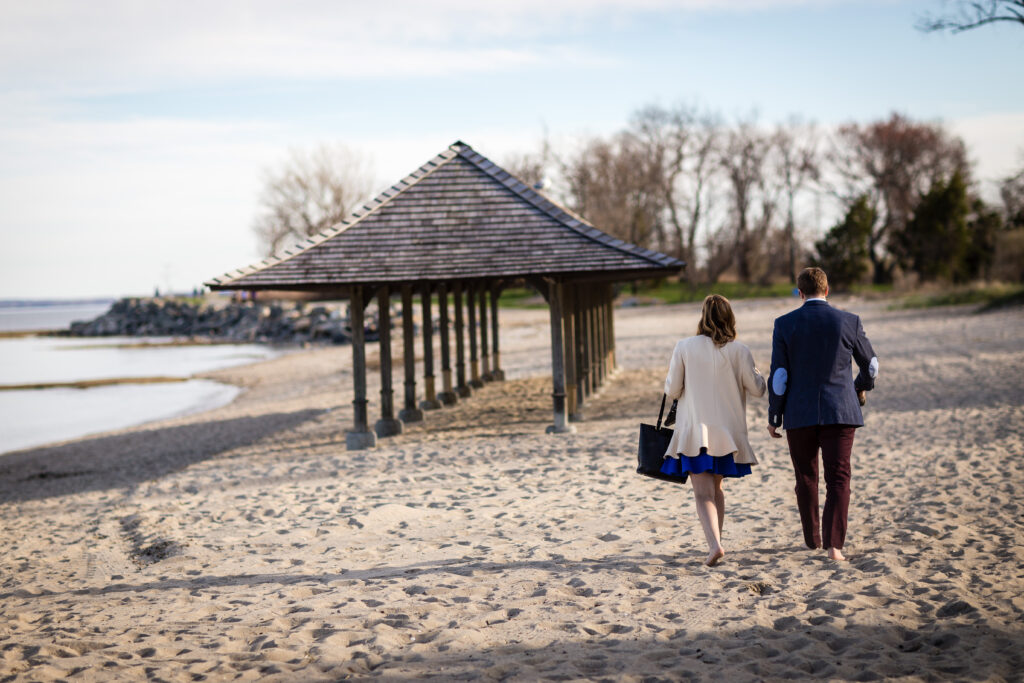
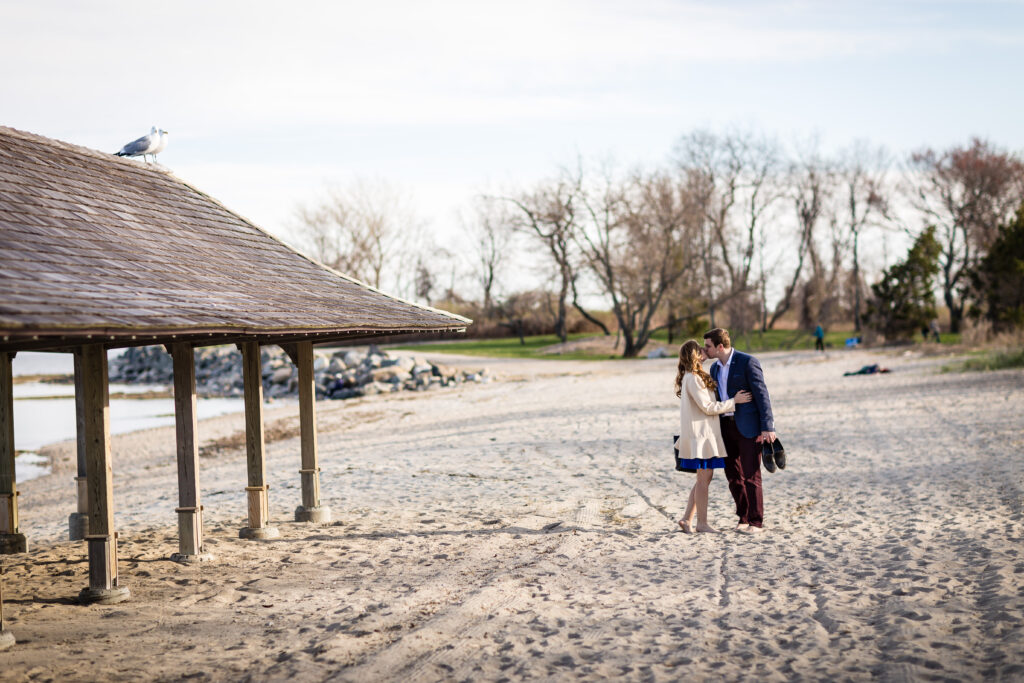
    First, when I meet the couple, we have the opportunity to discuss the details and the schedule of the day. I show them real wedding galleries and explain how I photograph each segment of the day. They are able to better understand my photography style. After our discussion we go for a short walk and take a few candid photos. As I photograph them they realize that by being themselves the images are authentic.

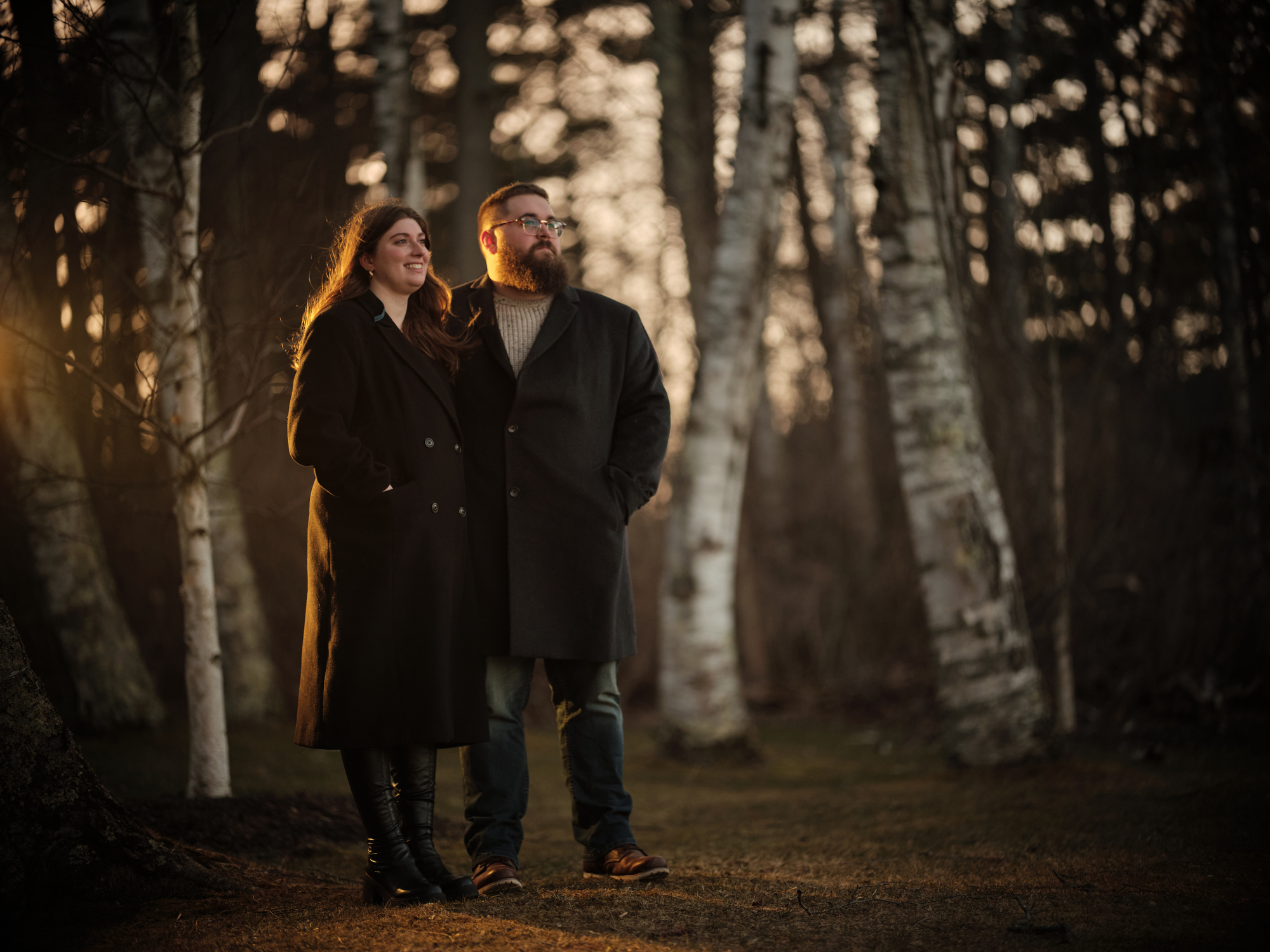
    This is an image at the beginning of the engagement photo shoot. I asked the couple to slowly walk away from me.

    This is an image at the beginning of the engagement photo shoot. I asked the couple to slowly walk away from me. The following image captured a romantic moment that happened without my intervention. I was staying away from a distance knowing that they would express their emotions.

    This is an image at the beginning of the engagement photo shoot. I asked the couple to slowly walk away from me.

    The couple tells their story and I capture their feelings

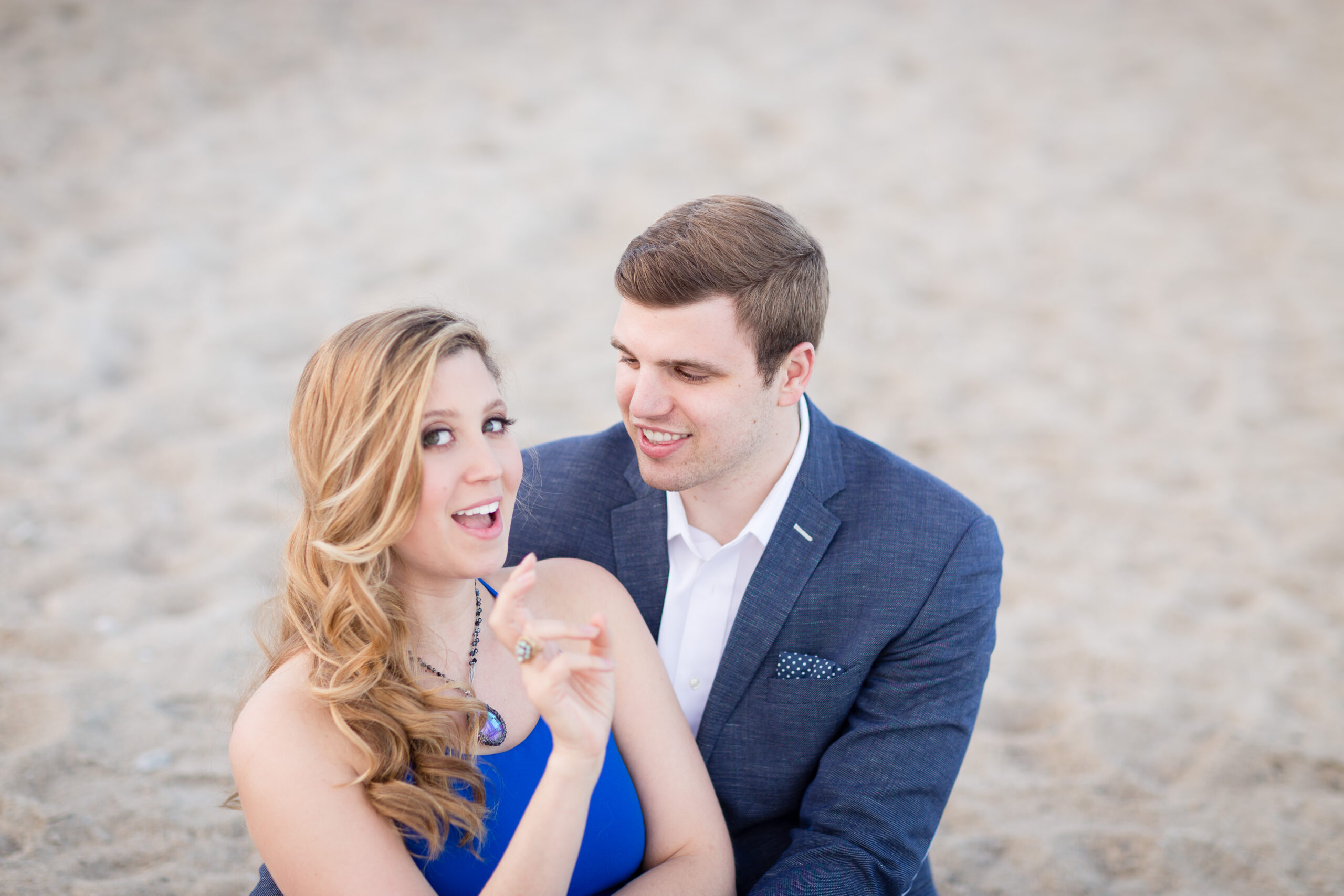
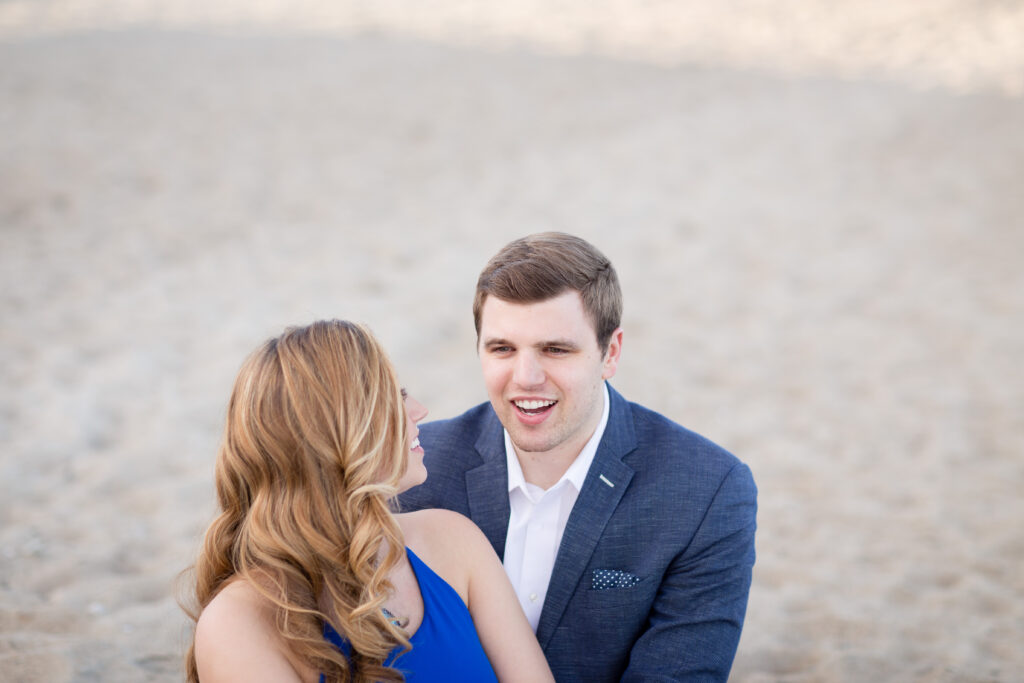
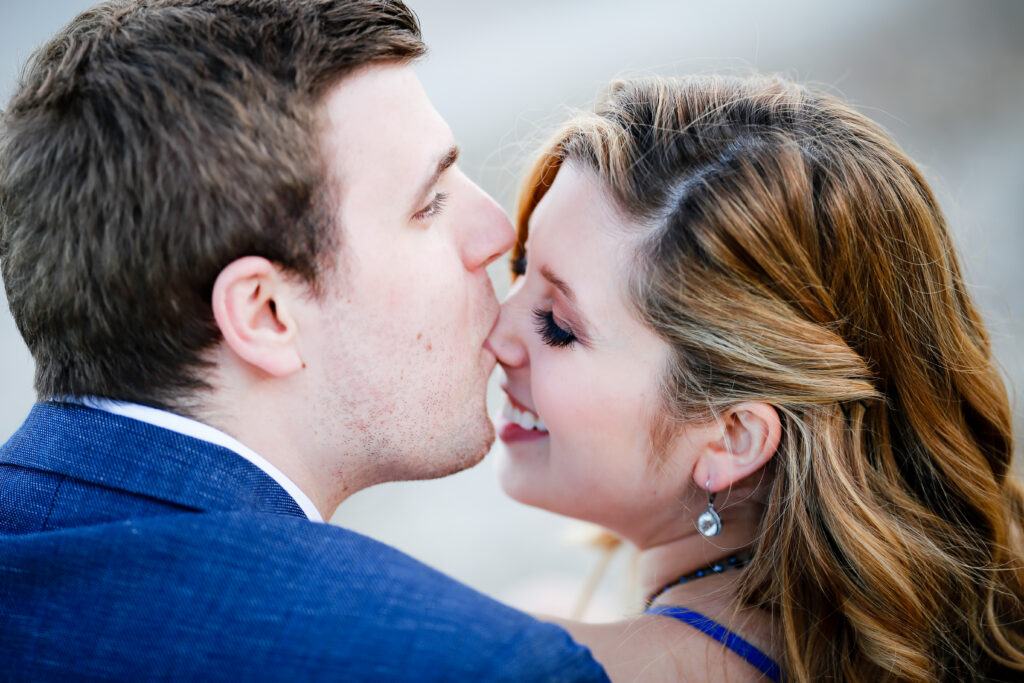
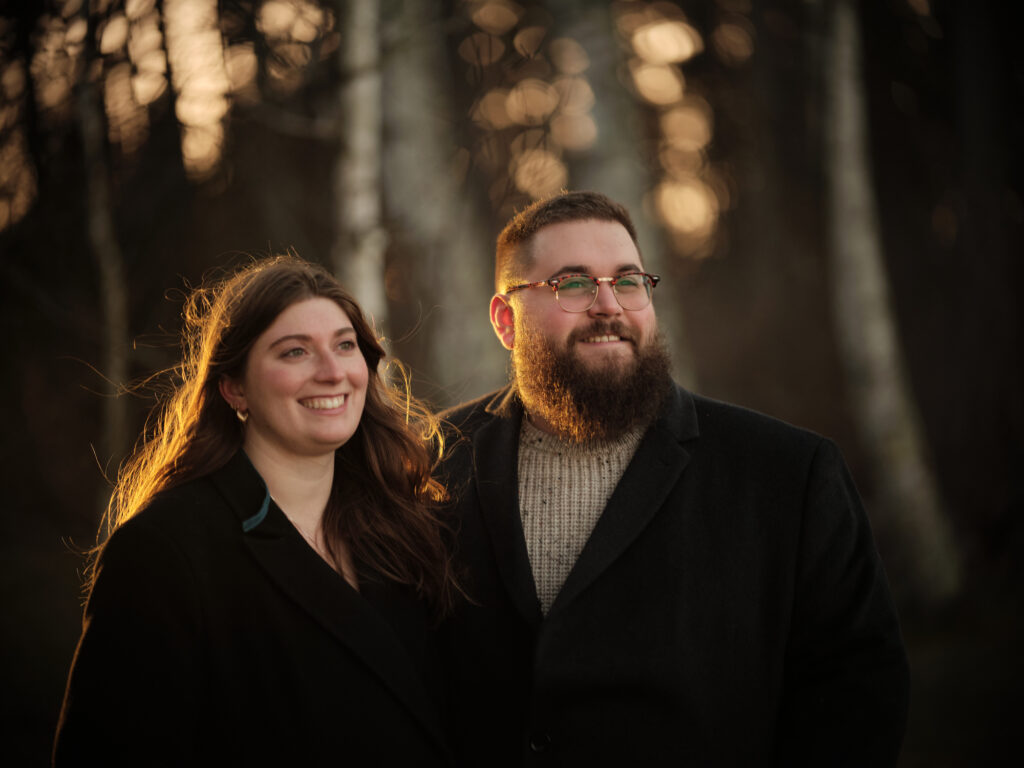
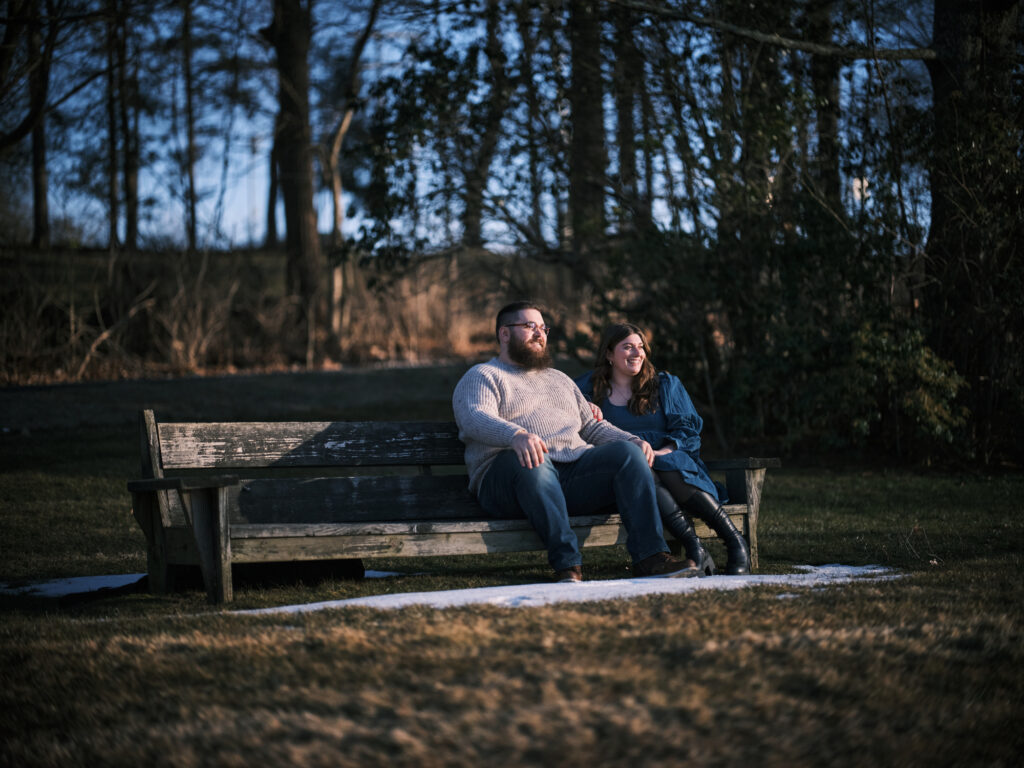
    Second, during an engagement photo shoot we have the opportunity to talk about our lives. I often ask them how they met each other. As they tell their story, I am able to make so many wonderful images. They laugh and touch each other. I try to remain unobtrusive and let them enjoy each moment. The following three images were captured with a Canon 85mm f/1.2 lens.
    During an engagement photo shoot we have the opportunity to talk about our lives. The couple tells their story and I capture their feelings
    During an engagement photo shoot we have the opportunity to talk about our lives. The couple tells their story and I capture their feelings
    During an engagement photo shoot we have the opportunity to talk about our lives. The couple tells their story and I capture their feelings
    Lenses and their artistic effects

    Third, I use a range of different prime lenses in order to show the importance of gear. As they see the various effects and the artistic rendering of each prime lens, they can choose a photography package that better suits their needs. I offer a variety of packages with different gear options. Clients that love film photography tend to choose packages with medium format cameras. The following image was captured with a Canon 17mm TS-E lens.

    During an engagement photo shoot I use a range of different prime lenses in order to show the importance of gear.

    Every couple should understand the importance of an engagement shoot in the wedding photography process. It will lead to better decisions in selecting the most appropriate photography package and coverage. You may view samples of my work on my website.

  • How I handle difficult lighting situations

    How I handle difficult lighting situations

    Prospective clients often ask me how I handle difficult lighting situations. Each photographer has a different style and handles light requirements accordingly. I consider myself a wedding photojournalist using mainly available light. However, there are occasions when I decide to use additional lighting to create the image that I have in mind. In the first part of the blog post I will present two images and explain how I handle difficult lighting situations.

    If there is sufficient quality of light, I prefer to use a prime lens with a f/1.2 or f/1.4 aperture which has a higher light gathering ability compared to a f/2.8 zoom lens. The following image is from a destination wedding in Spetses, Greece. I used a Canon 50mm f/1.2 lens at 1.2 aperture with only available light. The white sandy beach was reflecting the moon light to the bride and I did not have to use any additional lights.

    Another example of using just available light is the following image. It was made during an engagement photo shoot in Rhinebeck, NY. I noticed the beautiful warm lights which were placed on a tree during the Christmas season. On the left side of the couple there was a white wall reflecting the sun light on the woman’s face. I needed to increase the size of the background lights and use them as a backdrop. For this reason I used my favorite portrait lens the Canon 200mm f/2 lens at f/2 aperture.

  • Five must-have shots for every wedding

    Five must-have shots for every wedding

    I would like to present five must-have shots for every wedding. There are hundreds of wonderful moments happening on a wedding day. The following are just a selection from my favorites.
    This image captures the passion between Lia and Christian. The wedding took place at A Private Estate in Germantown, NY. Immediately after the wedding ceremony they had a private moment enjoying a glass wine and having the opportunity to express their feelings. I knew that by maintaining distance from them and using a 200mm f2 lens I would be able to capture wonderful moments. I love the way they touch each other. Their facial expression shows their romantic love.
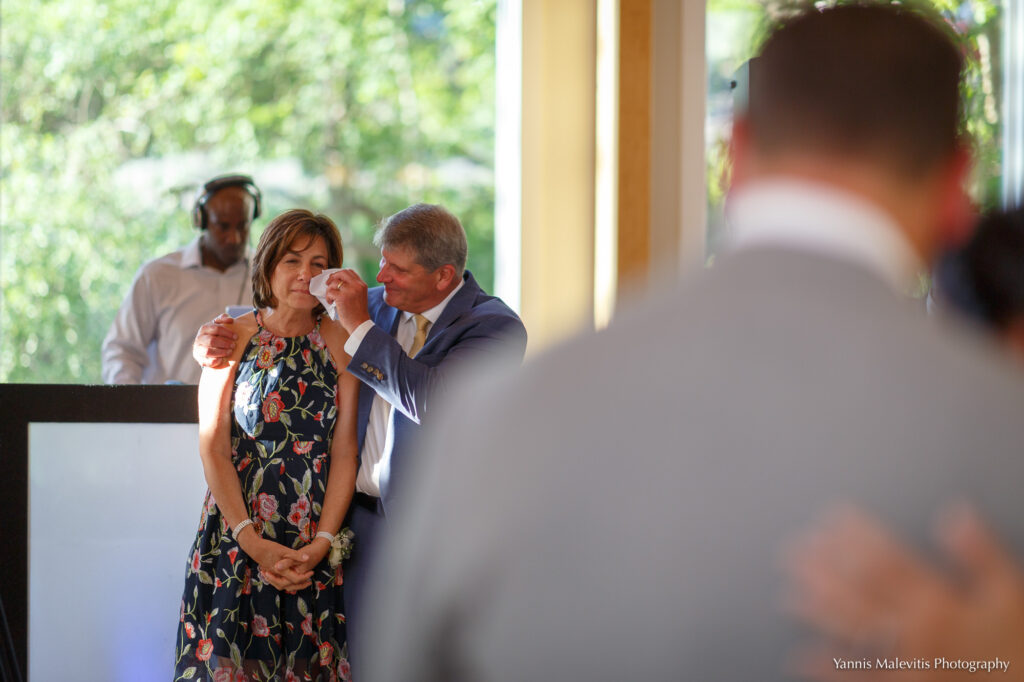
    Another important must have image is the reaction of the parents during the couple’s first dance. This wedding took place at the Full Moon resort in Big Indian, NY. During the first dance I move around the couple from a distance trying to capture reactions of the immediate family. This is one of my favorite images as it shows the father’s relationship with the mother of the groom. He embraces her warmly and offers a napkin to wipe gently her tears.

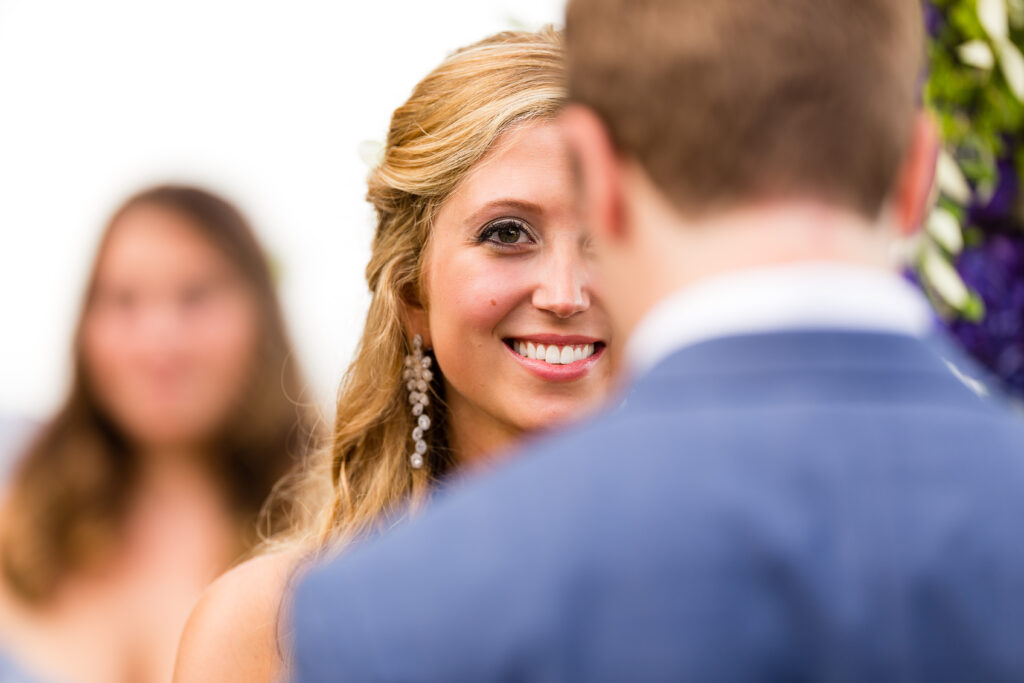
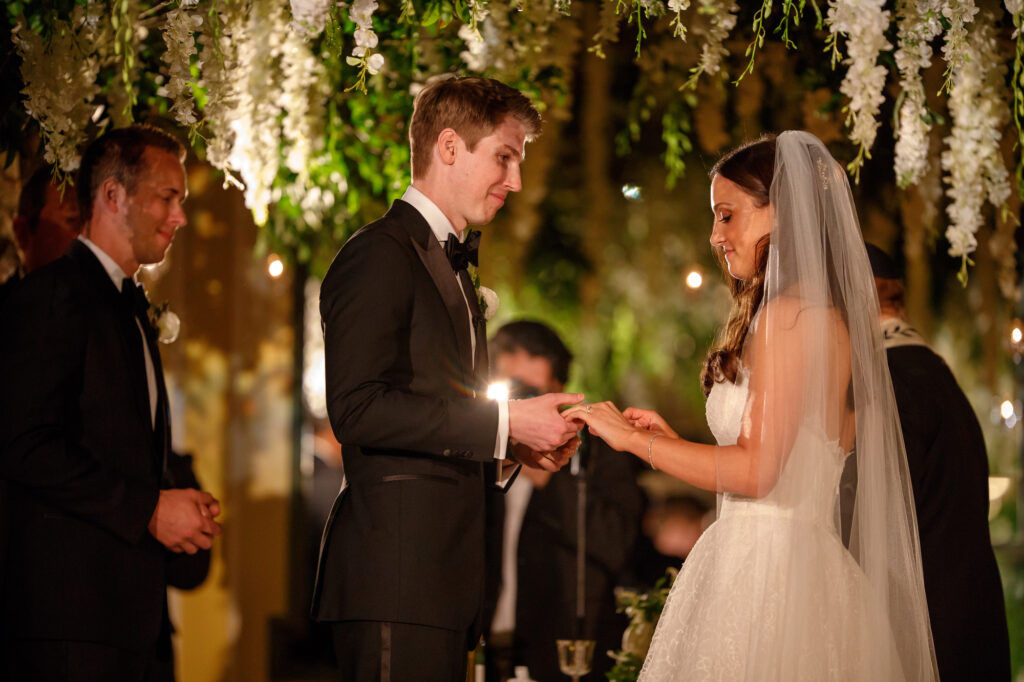
    Another must have shot is the bride’s reaction during the exchange of the vows. This wedding took place at the Interlaken Inn in Lakeville, CT. There are many ways to capture such a scene. Some photographers prefer to be close the couple under the chuppah using a 50mm 1.2 lens. At this particular moment I try to be as unobtrusive as possible. My favorite lens for such moments is the Canon 200mm f/2. I love the way it renders the subject and its artistic bokeh.

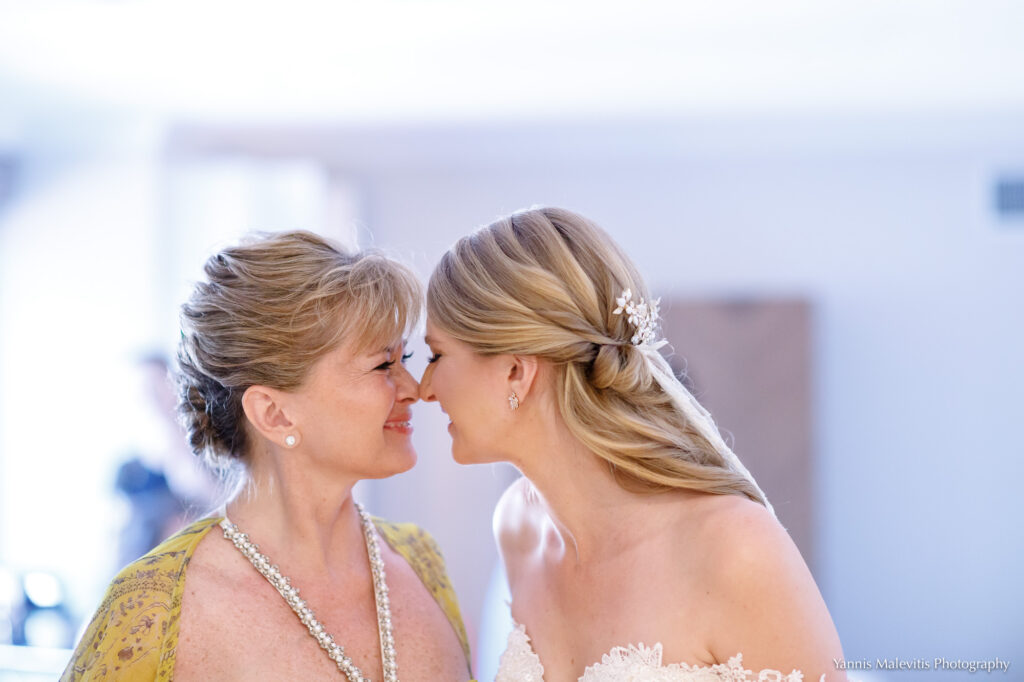
    A fourth must have shot is an authentic moment between the mother and the bride. This image is one of my favorites as it depicts the character of the bride and the relationship with her mother. Before the ceremony I spend thirty to sixty minutes in the bridal suite with the intention to capture such genuine moments. I used a 85mm 1.4 lens which is my preferred focal length for such moments.

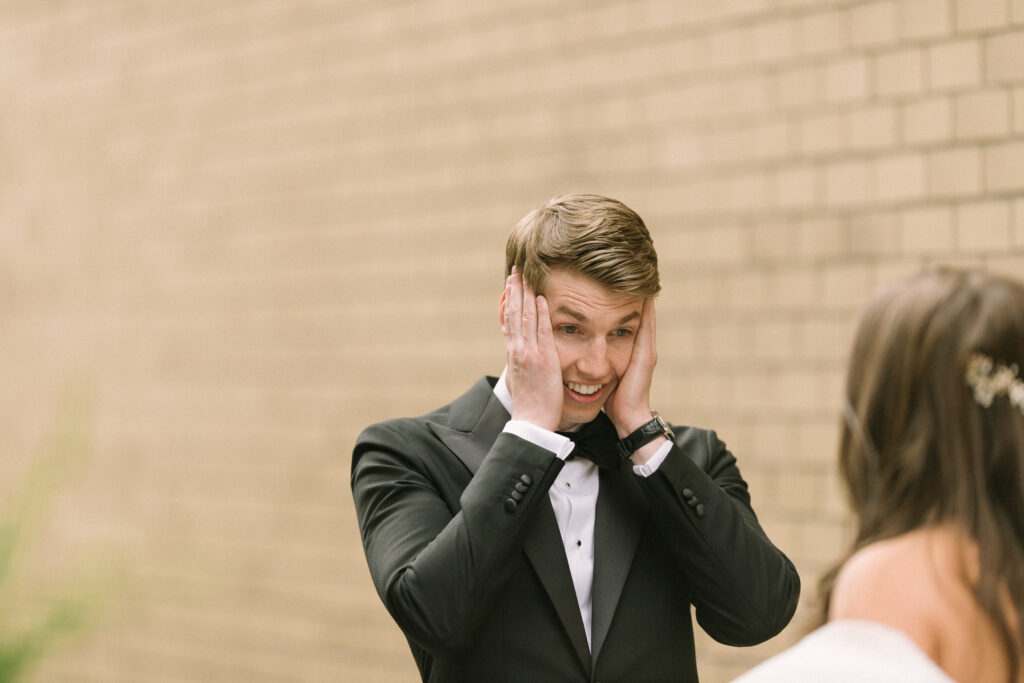
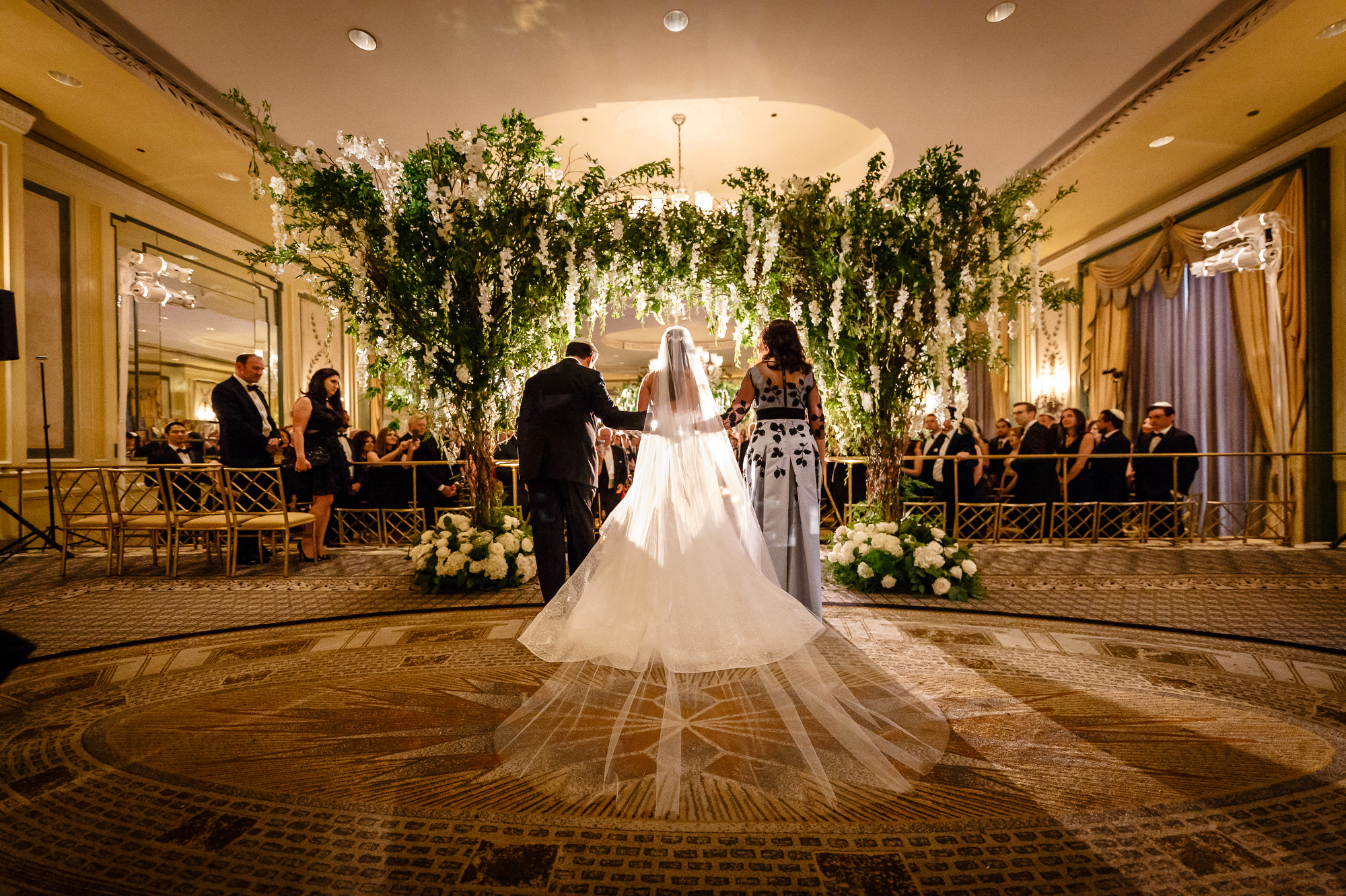
    Last but not least, another must have shot is the groom’s reaction during the first look. This Jewish wedding’s location was at the Pierre Hotel in NYC. Each groom reacts in a different way. I always try to maintain a distance and let the couple express their feelings without feeling the presence of the photographer. I prefer to use a Canon 200mm f/2 lens to isolate the subject and achieve a special artistic rendering.

    These five must-have shots for every wedding are highly important and every photographer should make every effort not to miss them. The photographer’s skills and empathy will determine the artistic capturing of the image.