Tag: ct wedding

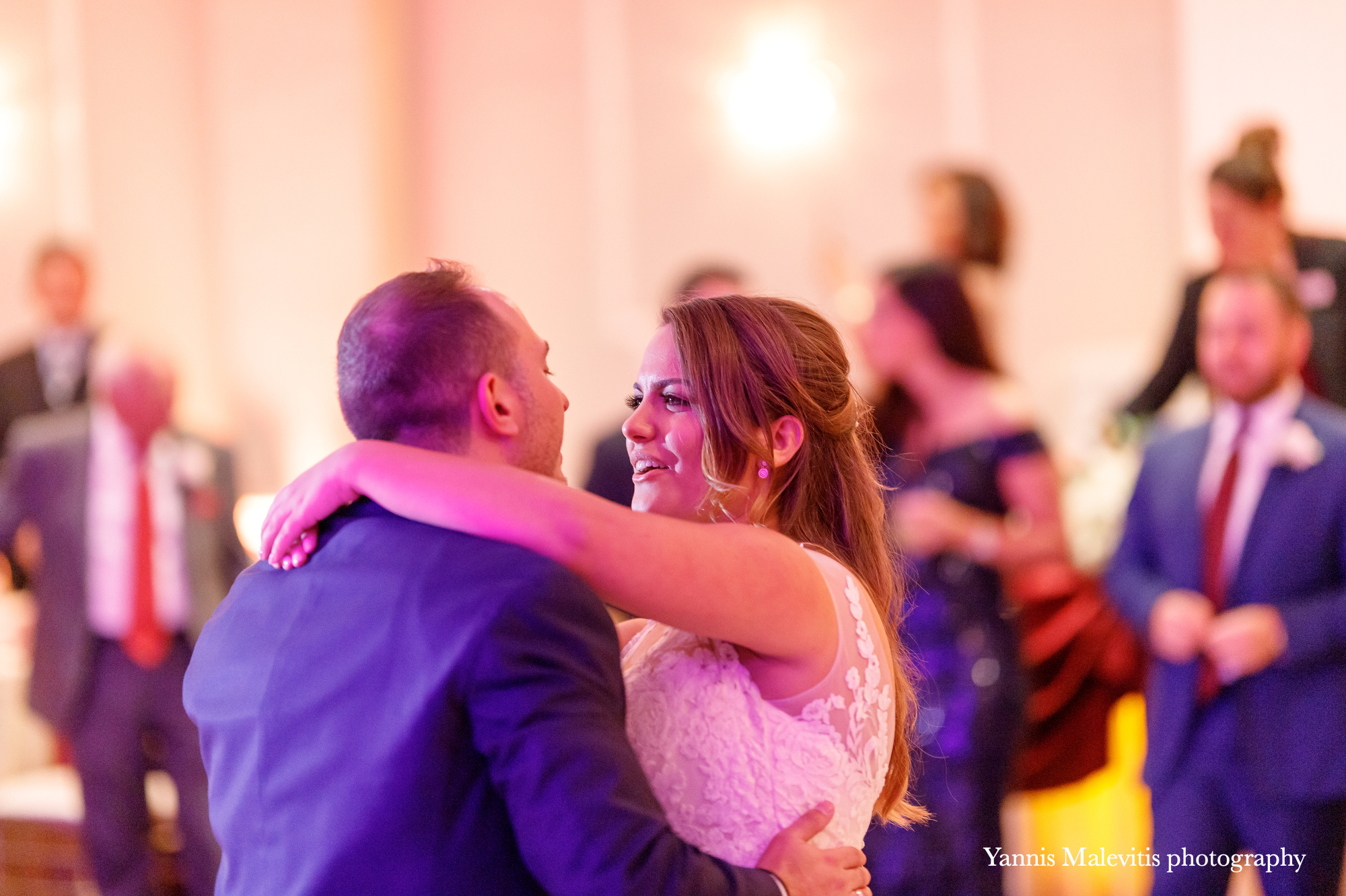
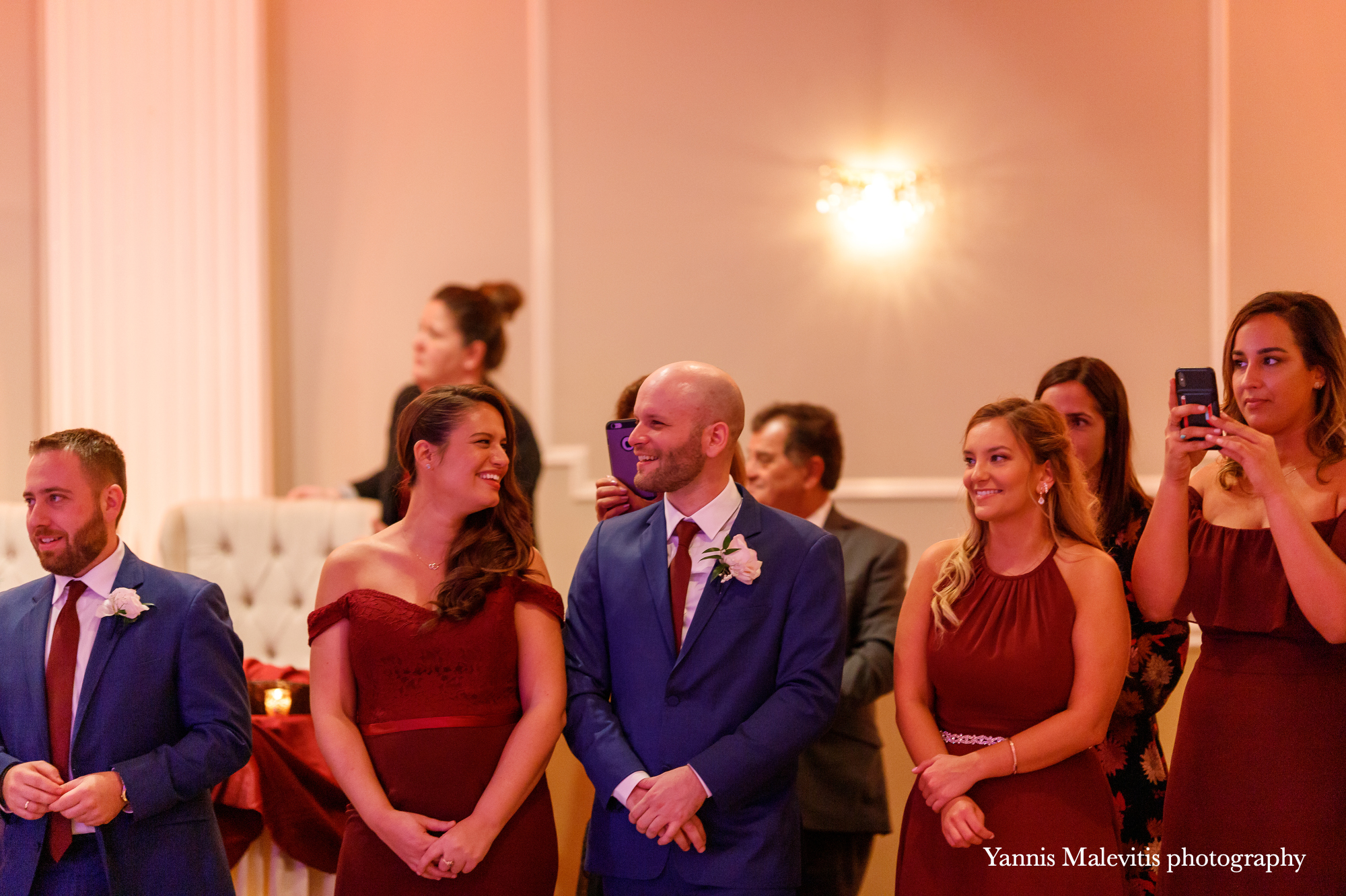
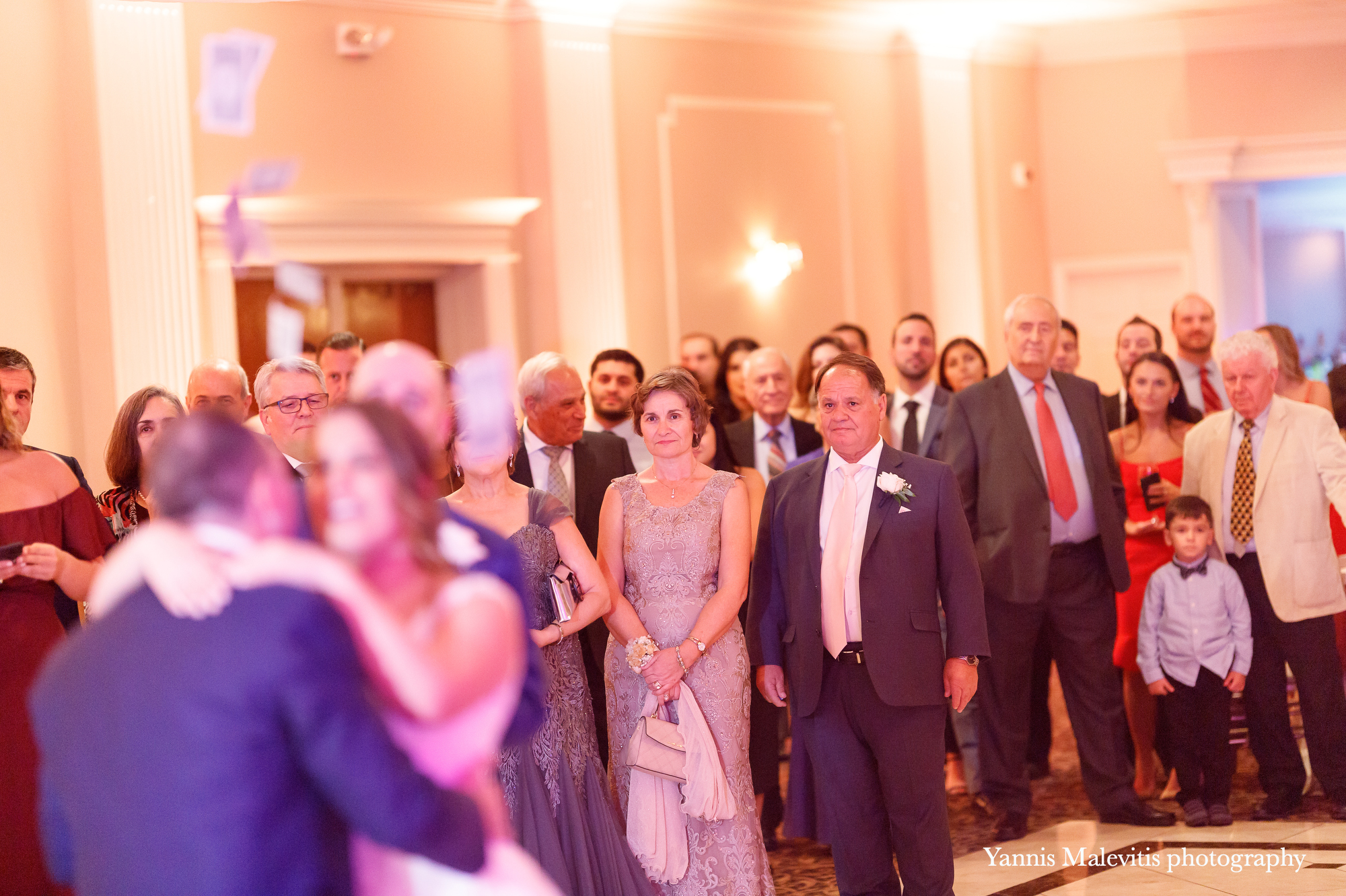
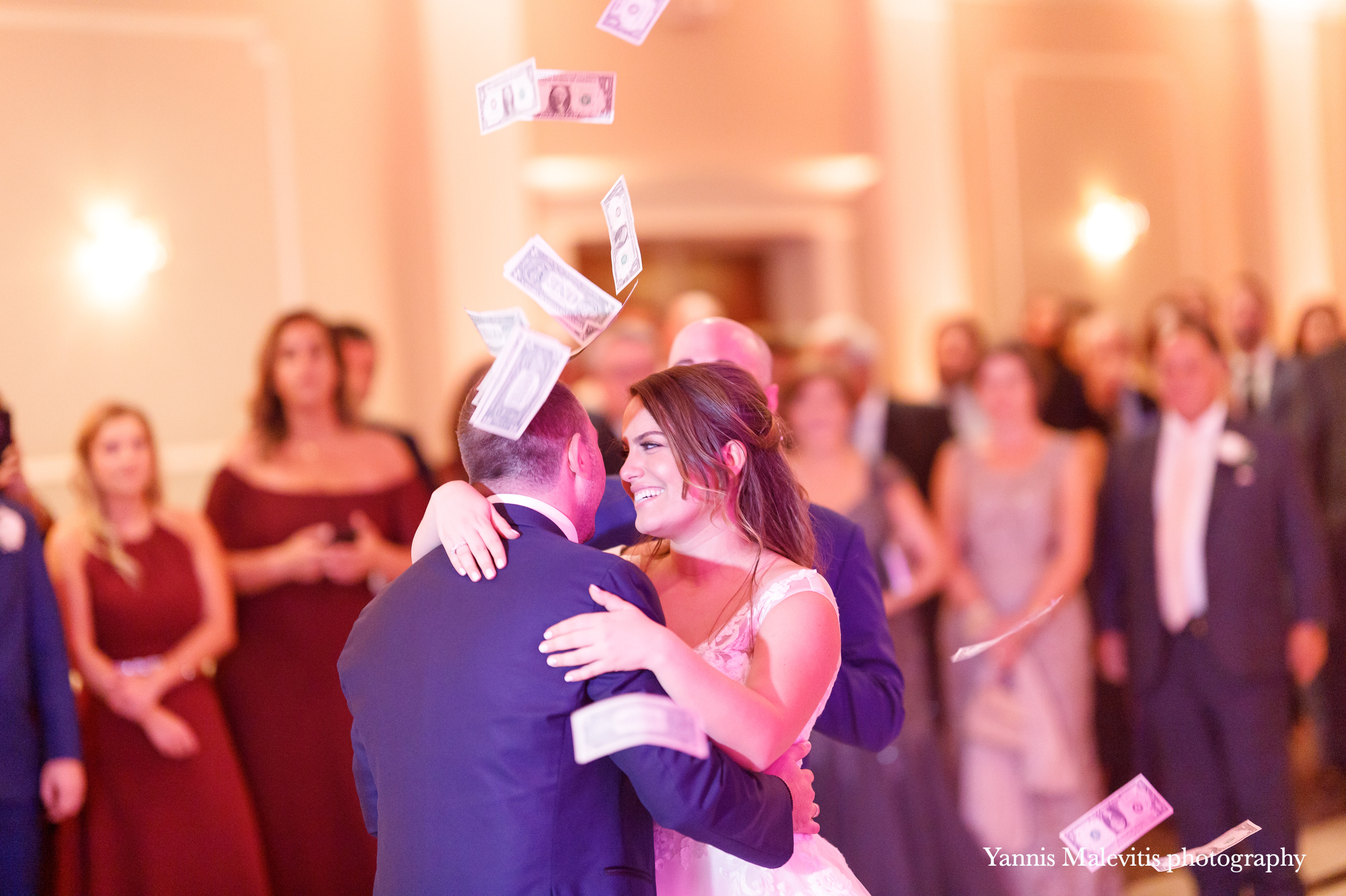
  • How I photograph the dances on a wedding day

    How I photograph the dances on a wedding day

    A typical question I have from prospective clients is how I photograph the dances on a wedding day.

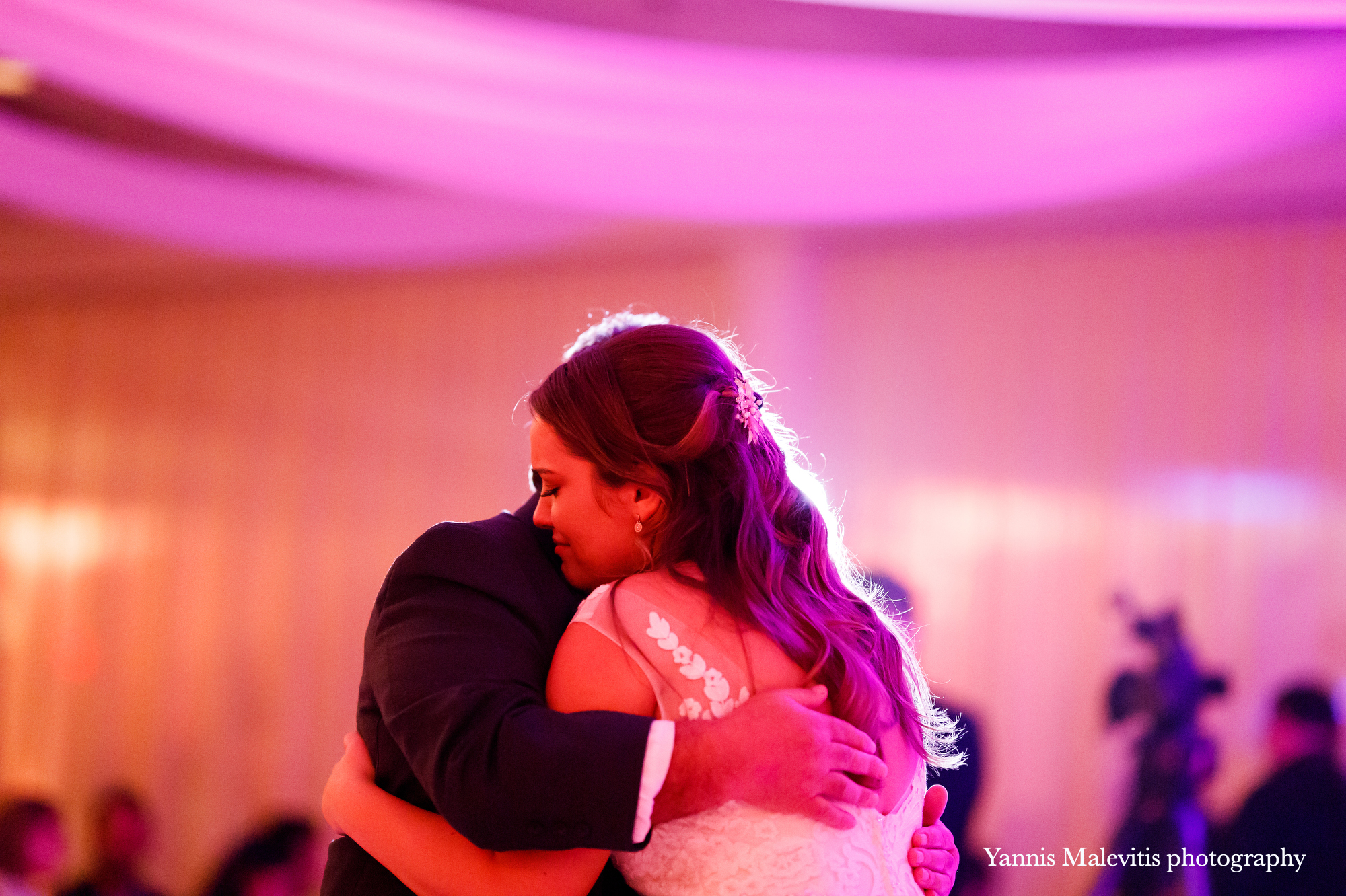
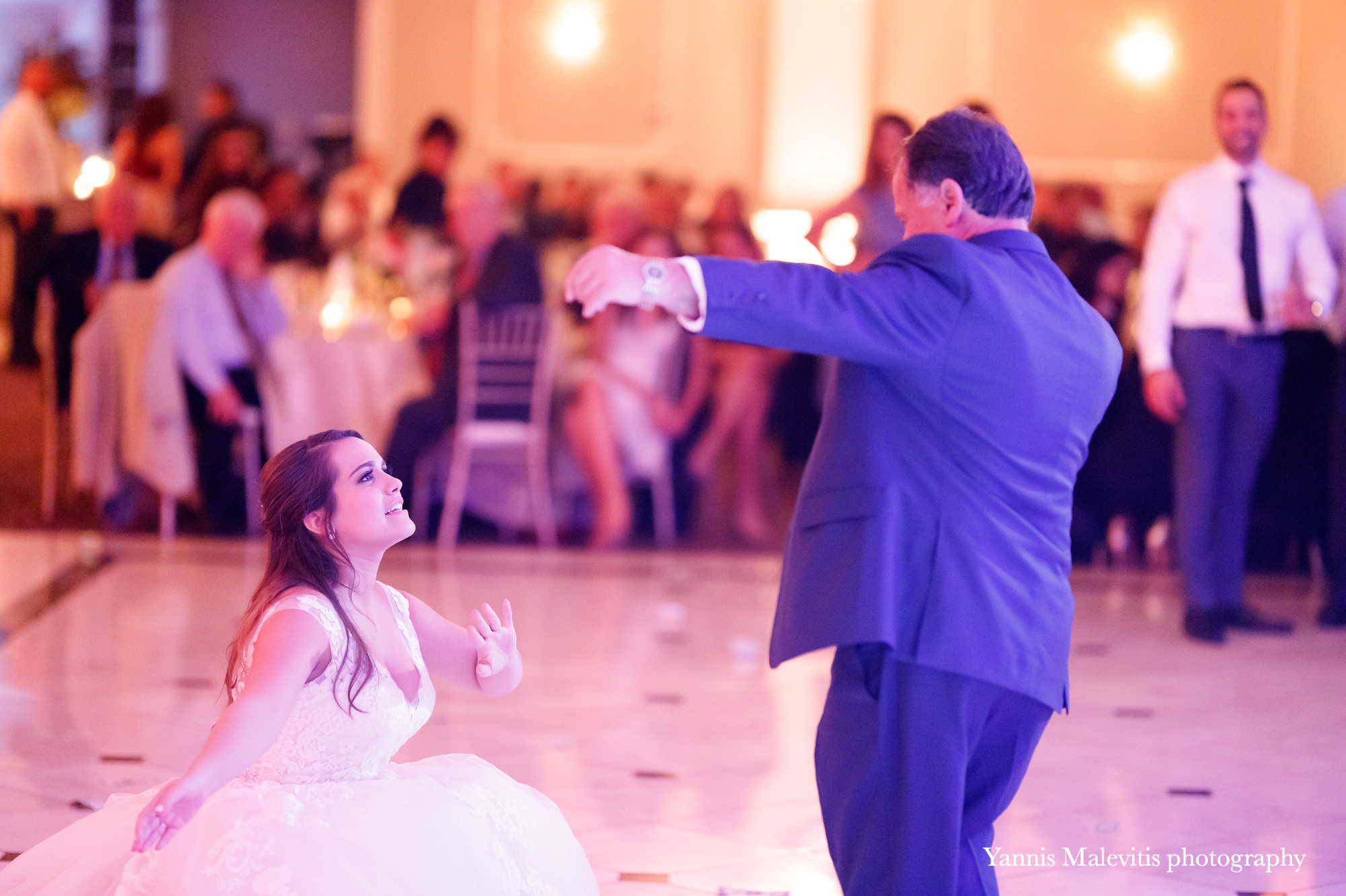
    The dances at a wedding—the couple’s first dance, parent dances, and the party on the dance floor—are filled with emotion, movement, and energy. Capturing these moments effectively requires preparation, creativity, and attention to detail.

    Preparation Ahead of Time

    • Knowing the Schedule: I confirm the timing and sequence of dances with the couple or planner so I am ready for each key moment.
    • Scouting the Venue: I check the lighting conditions and space around the dance floor during my pre-event walkthrough.
    • Coordinating with the DJ/Band: I understand the music transitions, any lighting effects (like spotlights or strobes), and when moments like dips or spins might occur.

    Gear and Settings

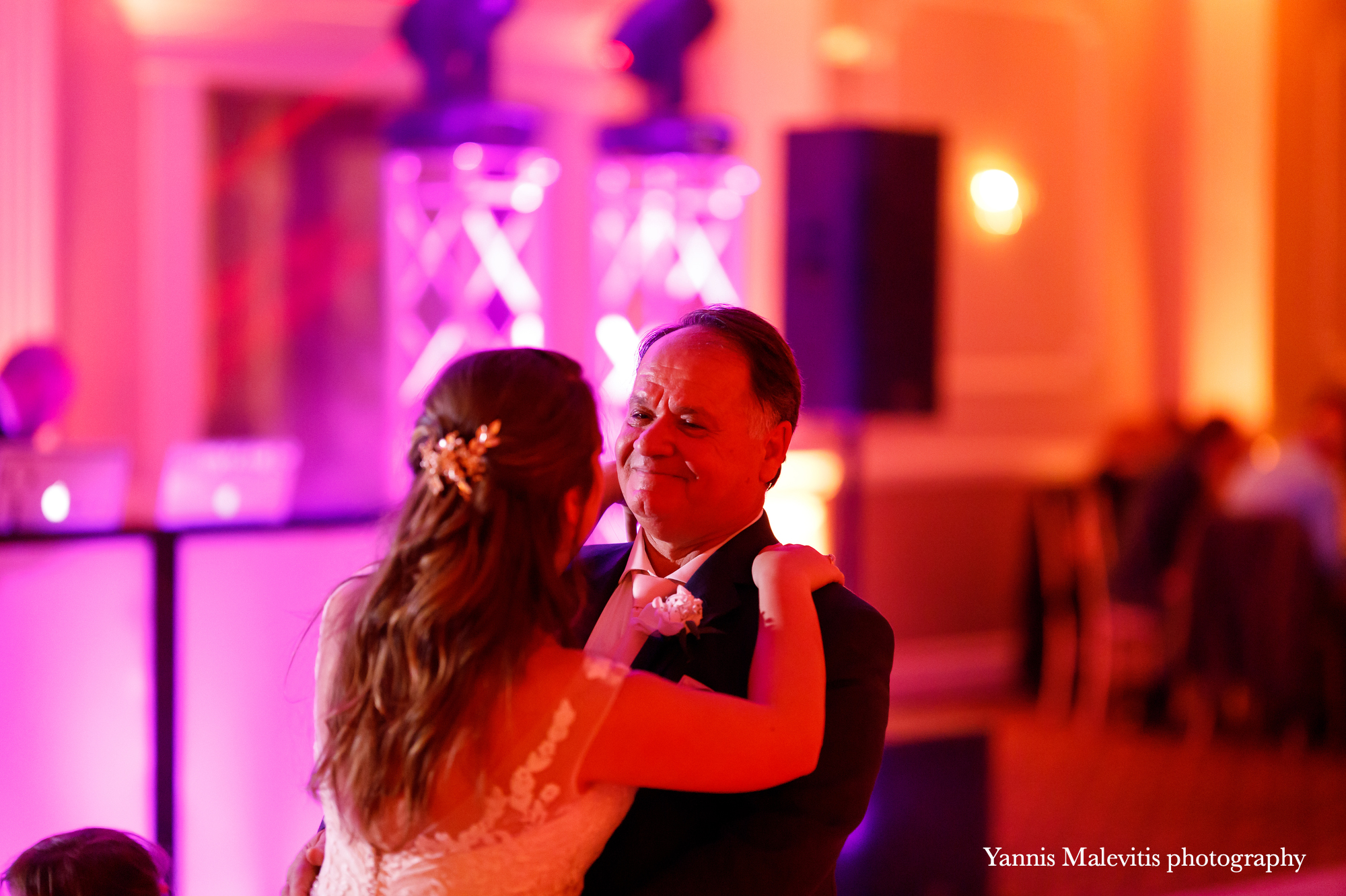
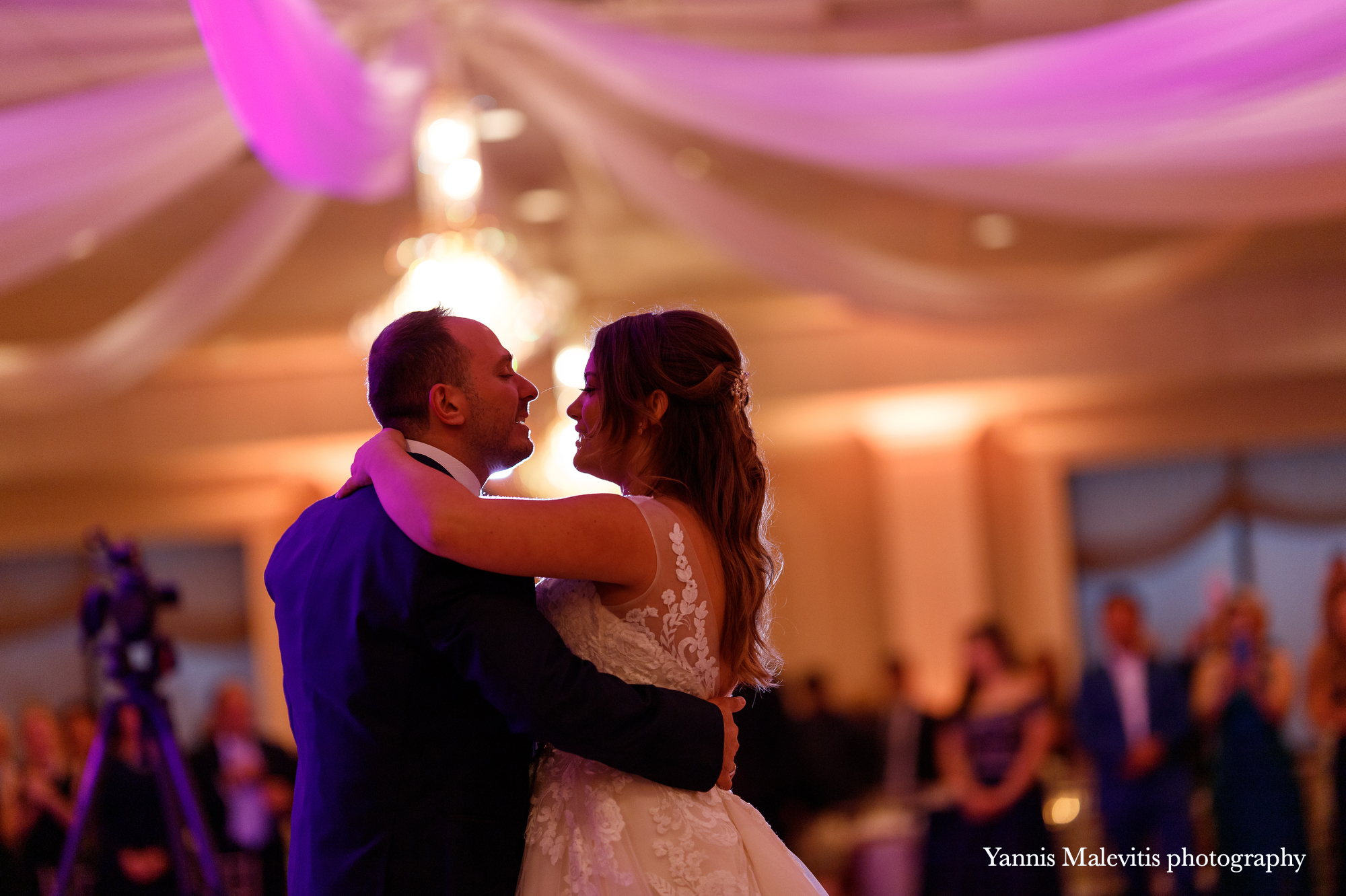
    Lenses: I prefer to use prime lenses with an 1.2 or 1.4 aperture. Depending on the size of the dance floor I may bring the Canon 200mm f/2 lens which allows me to isolate the subject and emphasize the feelings.

    Lighting: I avoid using external lights as I aim to capture the ambience and mood of the reception. I use off-camera flash or bounce flash to evenly illuminate subjects without harsh shadows, if the DJ dims the lights.

    Capturing the Energy of the Dance Floor

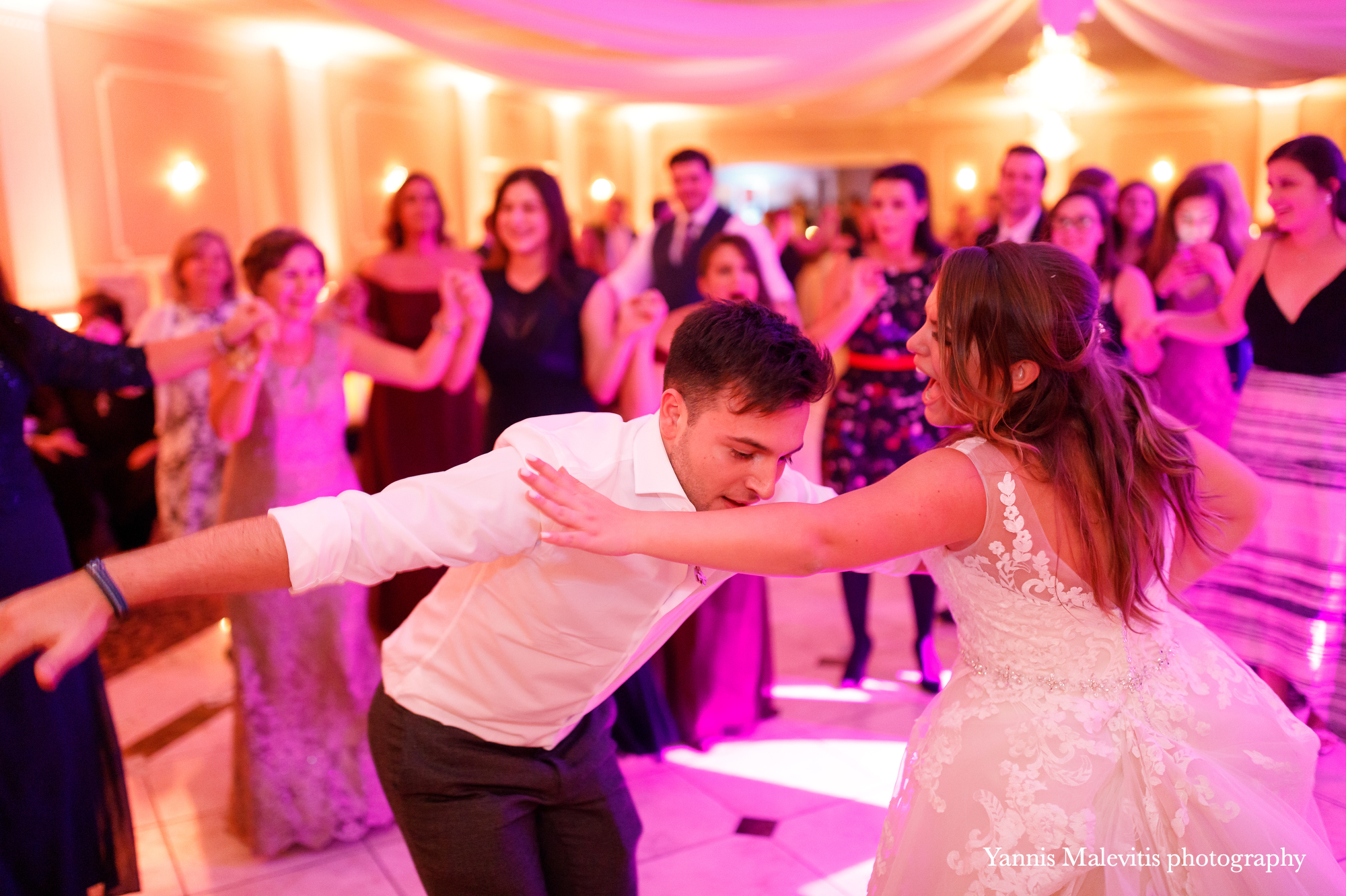
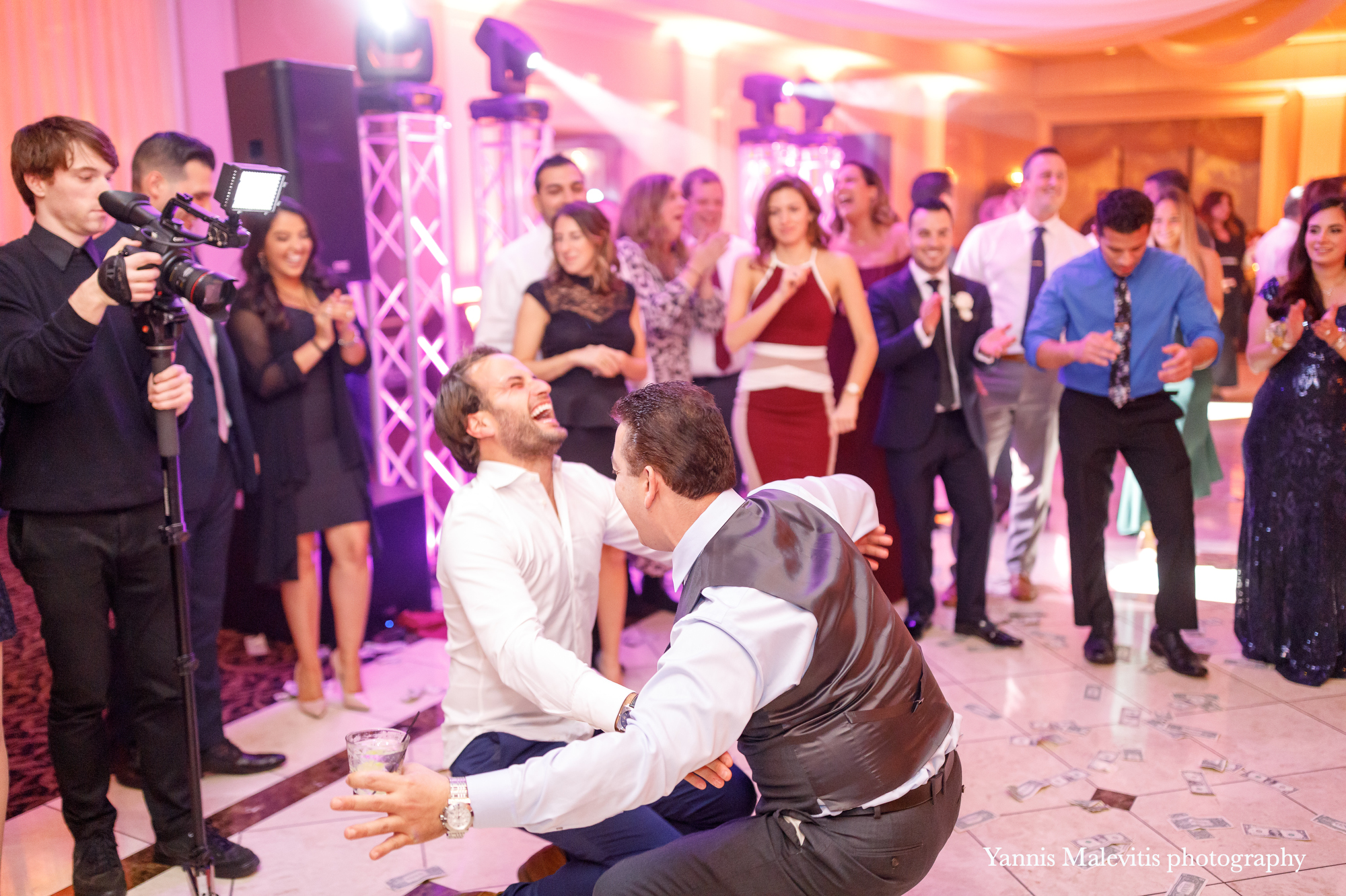
    • Showing the Crowd: I photograph groups of guests dancing, laughing, and celebrating together.
    • Using Wide Angles: A wide-angle lens can capture the full energy of the dance floor, especially when it’s packed.
    Staying Ready for Spontaneous Moments

    • I watch for unexpected interactions, like kids joining the dance floor, couples dancing together, or hilarious moves by friends.
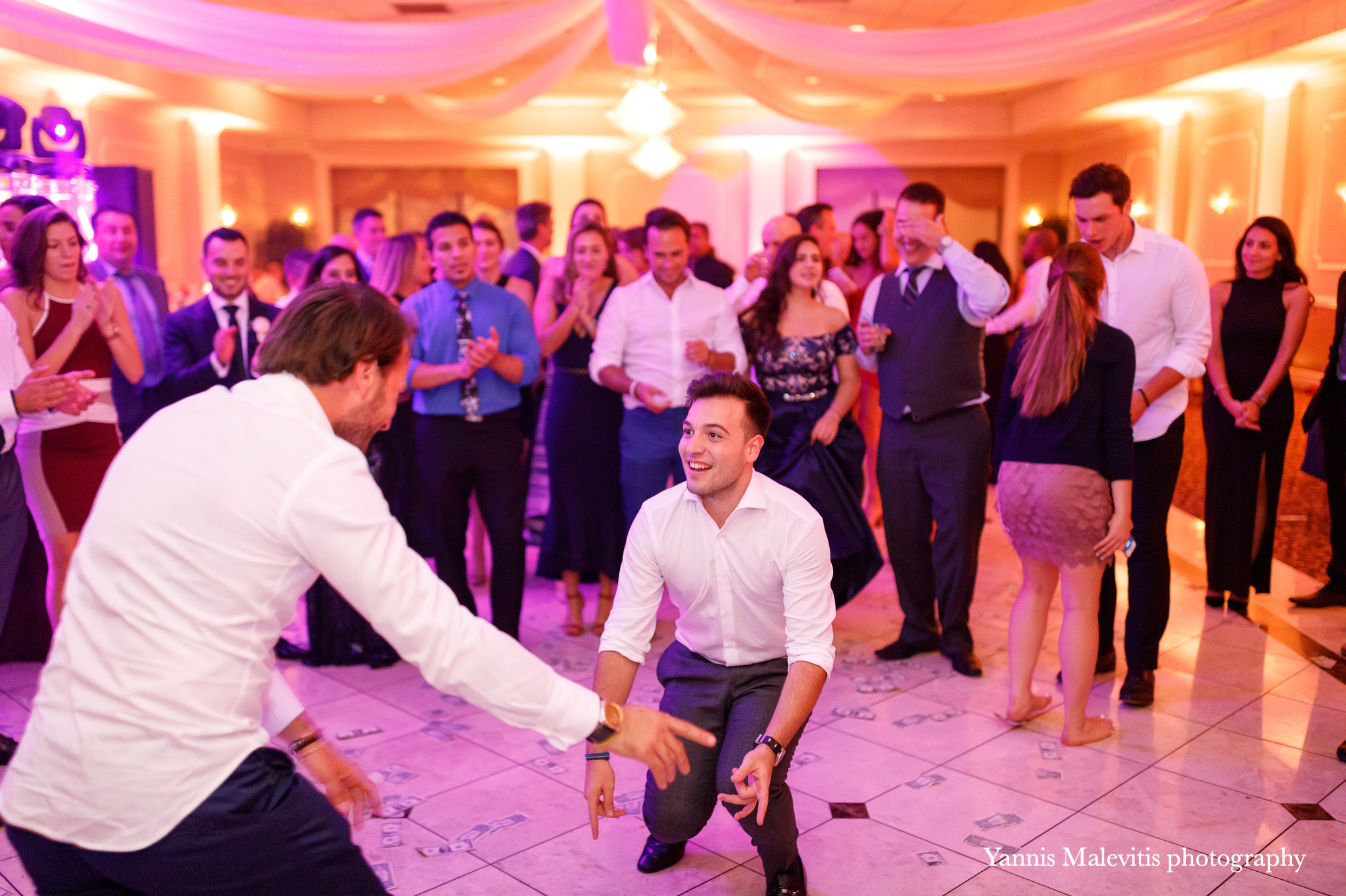
    By combining technical skills with creative flair, I capture the energy, emotion, and elegance of the dances, providing the couple with memories they’ll treasure forever. How I photograph the dances on a wedding day shows my keen interest in capturing authentic moments. You may view additional images from this wedding on my website. My blog page is www.yannisphotography.com.
  • A Wedding Timeline That Keeps Your Day Stress-Free

    A Wedding Timeline That Keeps Your Day Stress-Free

    I would like to discuss how to create a wedding timeline that keeps your day stress-free.

    A meticulously crafted wedding timeline is paramount for ensuring a seamless and stress-free celebration. It serves as a comprehensive guide for all parties involved, providing clarity on expectations and maintaining the ambiance of excitement without the risk of unforeseen disruptions.

    Start with the Ceremony Time

    • Work Backward: Begin by noting the start time of your ceremony and work backward to determine the rest of the day’s schedule.
    • Consider Travel Time: If there’s a gap between locations (e.g., getting ready, ceremony, reception), account for travel and potential delays.

    Allocate Time for Key Events

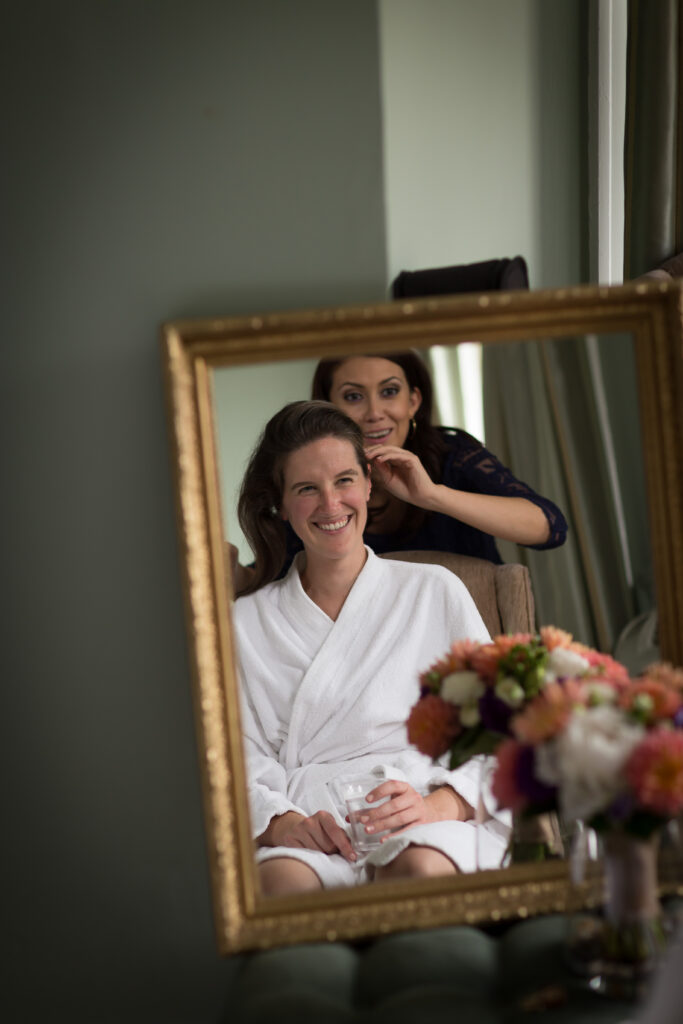
    • Getting Ready:
      • Hair and makeup: 1.5–2.5 hours (longer for larger wedding parties).
      • Dressing: 30–45 minutes, including photos of final touches.
    A Wedding Timeline That Keeps Your Day Stress-Free
    • First Look (Optional):
      • 30 minutes for the couple’s private moment and photos.
    A Wedding Timeline That Keeps Your Day Stress-Free
    • Family and Wedding Party Photos:
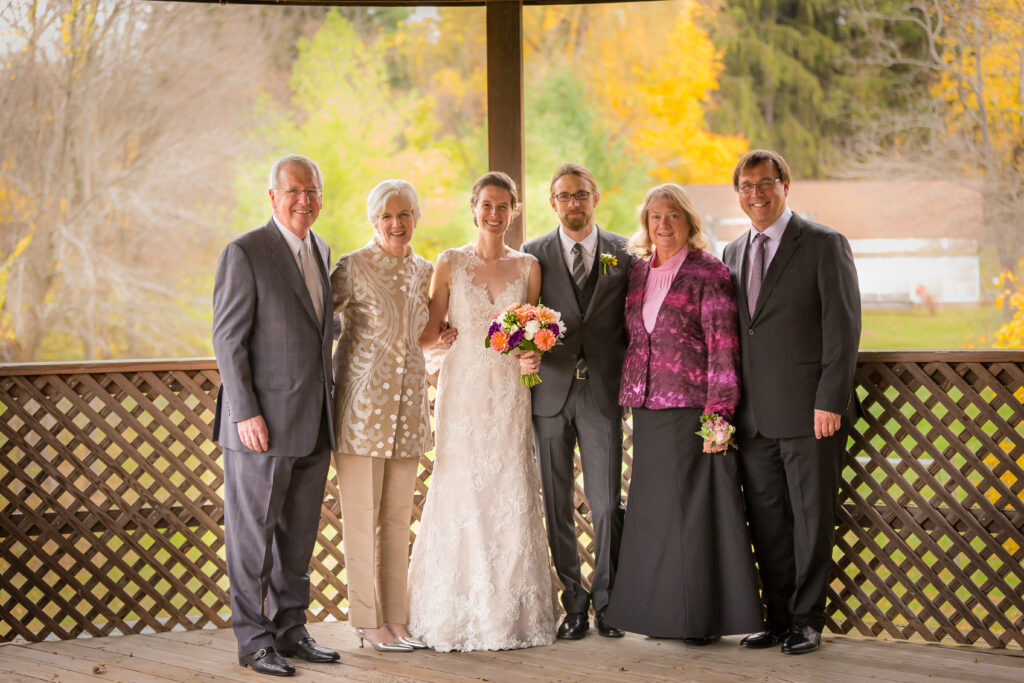
      • 1–1.5 hours for group portraits, ideally before or immediately after the ceremony.
    • Ceremony:
      • 20–60 minutes, depending on religious or cultural traditions.
    A Wedding Timeline That Keeps Your Day Stress-Free
    • Cocktail Hour:
      • 1 hour for mingling, appetizers, and photos if not already done.
    • Reception Events:
      • Grand entrance, dinner, speeches, first dance, cake cutting, and dancing.

    Build in Extra Time

    • Buffer Time: Add 10–15 minutes between major activities to absorb unexpected delays.
    • Quiet Moments: Schedule brief pauses for the couple to relax and savor the day.

    Consider Guest Experience

    • Keep Them Engaged: Avoid long gaps between events where guests might feel bored or confused.
    • Transportation: Arrange shuttles if venues are far apart to keep everyone on schedule.
    • Communicate Clearly: Share a general outline of the day with guests through your website or printed programs.

    Factor in Sunset for Photos

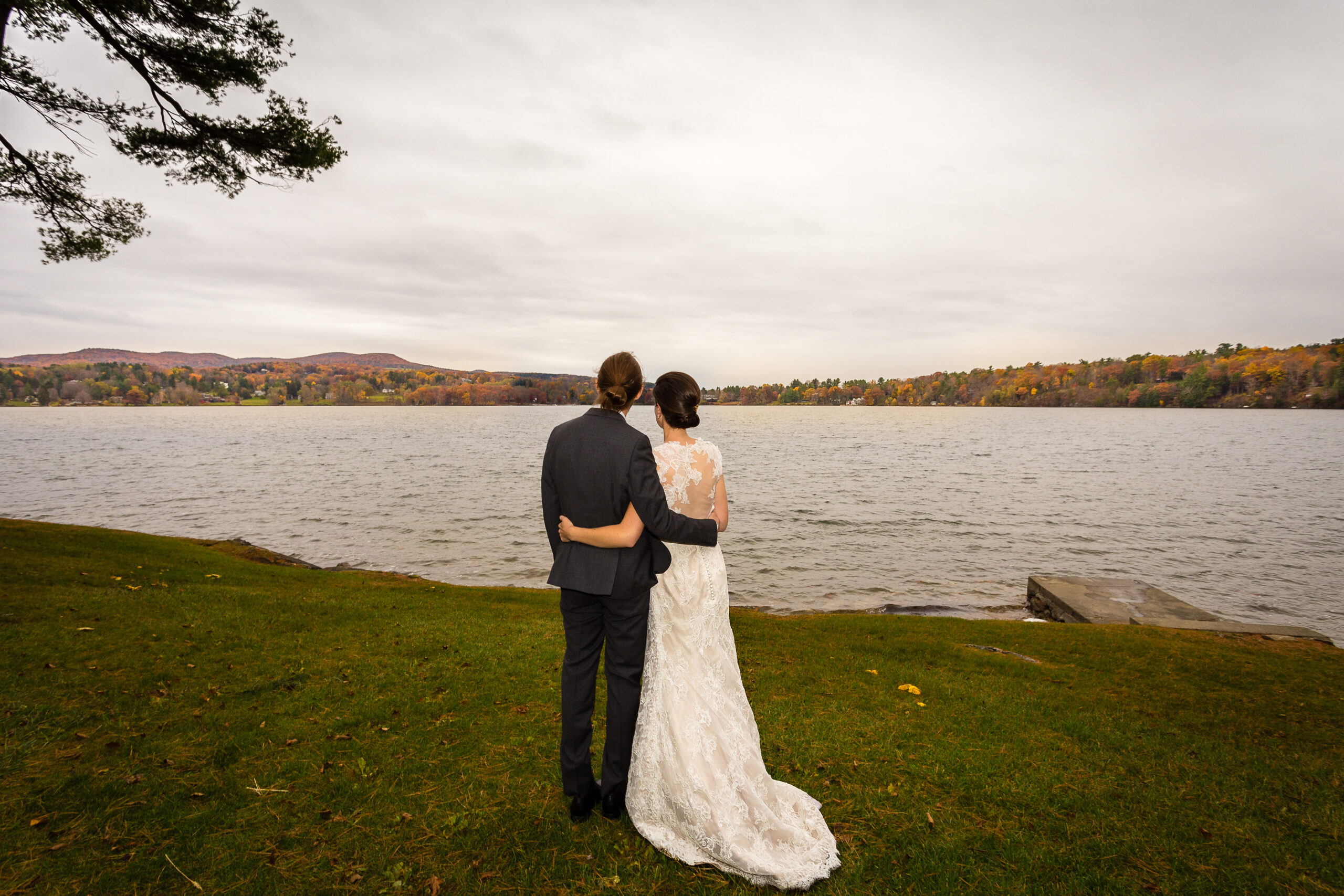
    • Golden Hour Portraits: Check the sunset time and schedule couple portraits during golden hour for beautiful lighting.
    • Seasonal Adjustments: In winter, earlier sunsets may require shifting photo sessions earlier in the day.

    Work with Your Vendors

    • Consult Professionals: Your planner, photographer, and venue coordinator can help fine-tune the timeline.
    • Share Details: Distribute the final timeline to all vendors a week in advance.

    Stay Flexible

    Even with the best planning, some things might run late or early. Stay flexible and trust your vendors to handle adjustments.

    Delegate the Day-Of Management

    • Assign a trusted friend, family member, or professional coordinator to oversee the timeline so you can focus on enjoying the day.

    By planning carefully, adding buffers, and keeping communication clear, your wedding day timeline will run smoothly, letting you savor every moment without unnecessary stress.

    Visit my website www.ymvisuals.com to see further samples of my fine art wedding photography.

  • Wedding photojournalism

    Wedding photojournalism

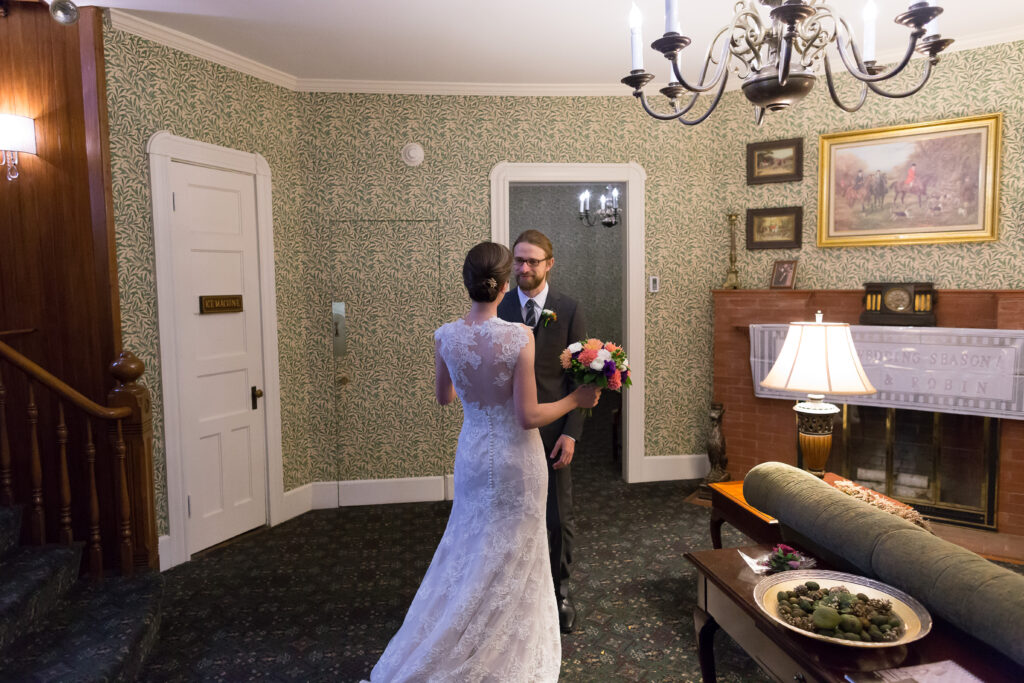
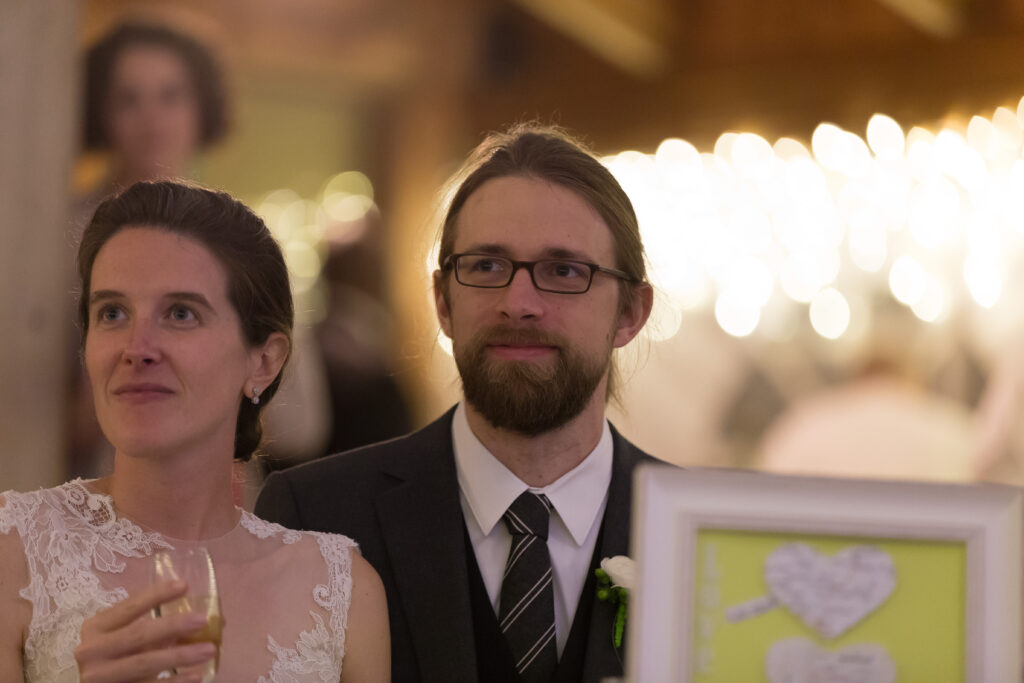
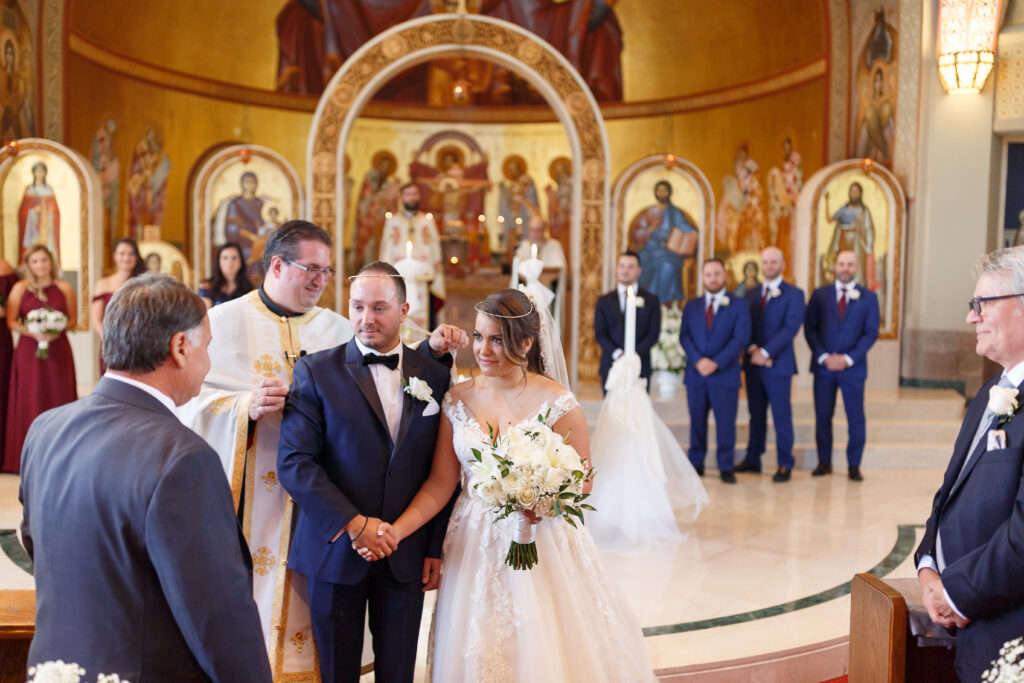
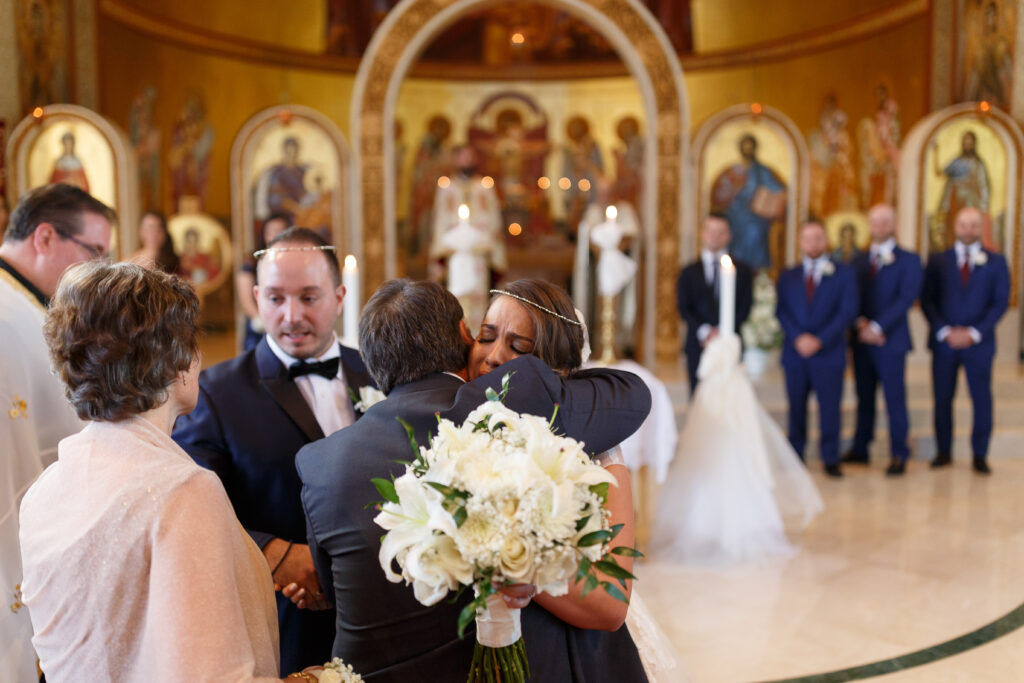
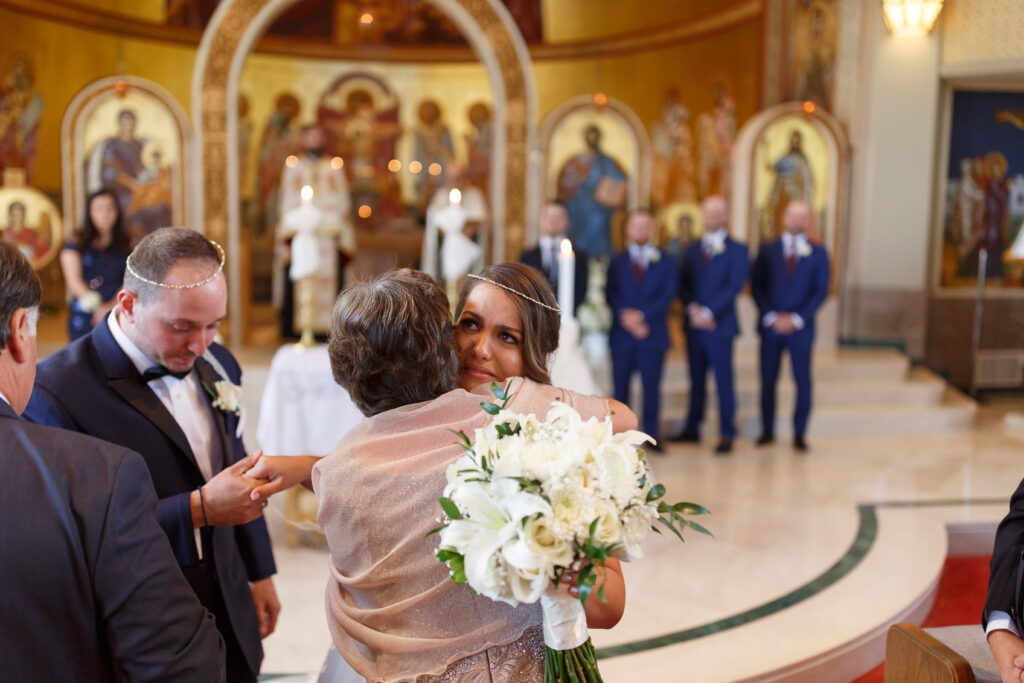
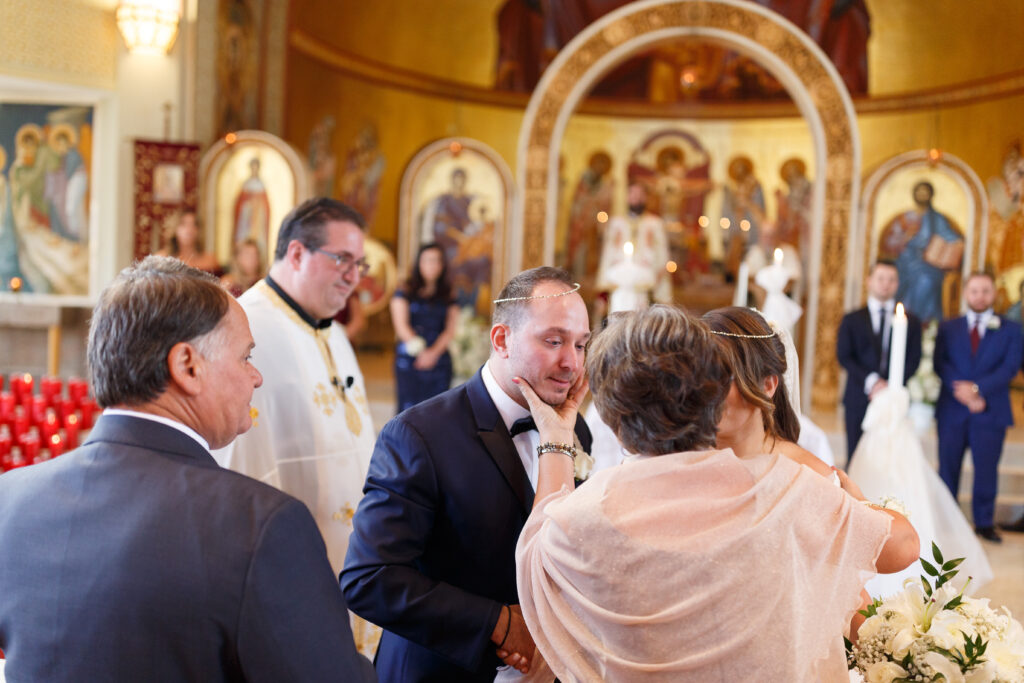
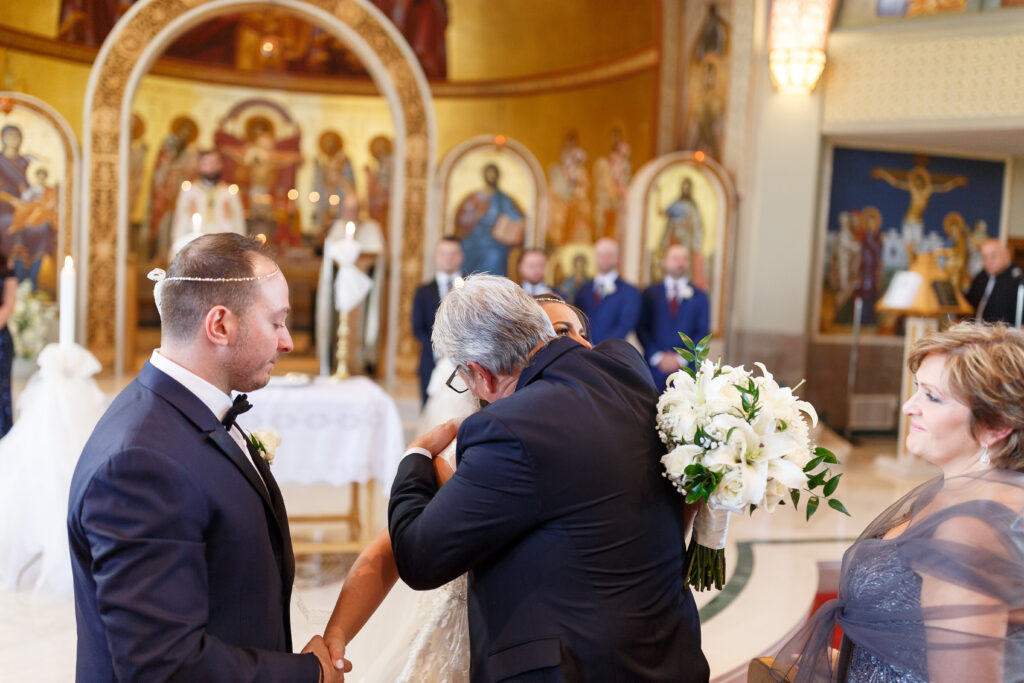
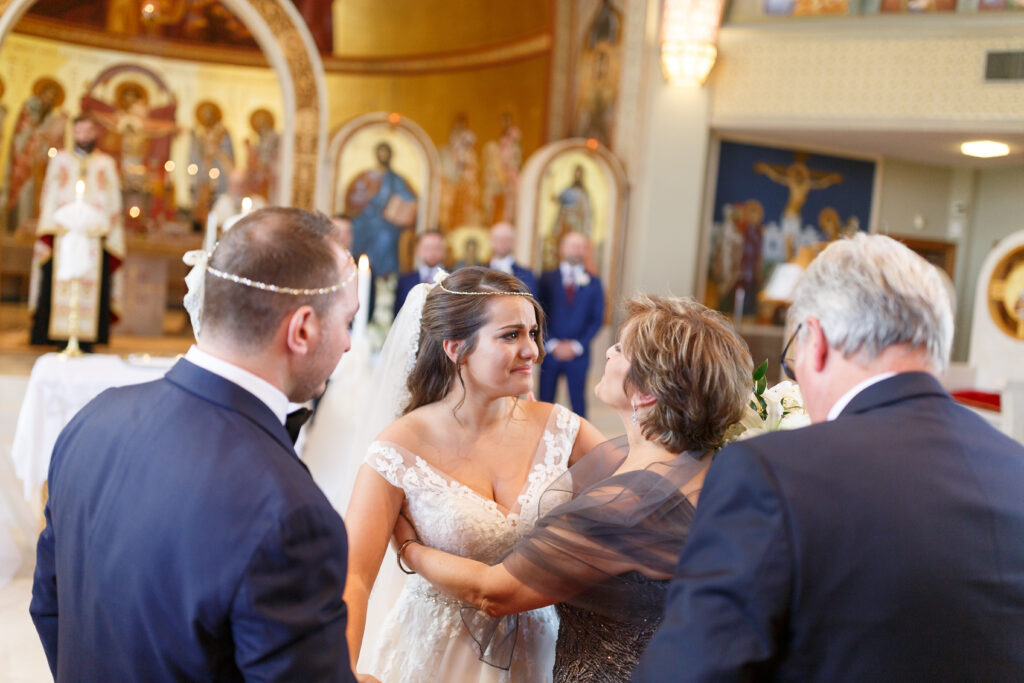
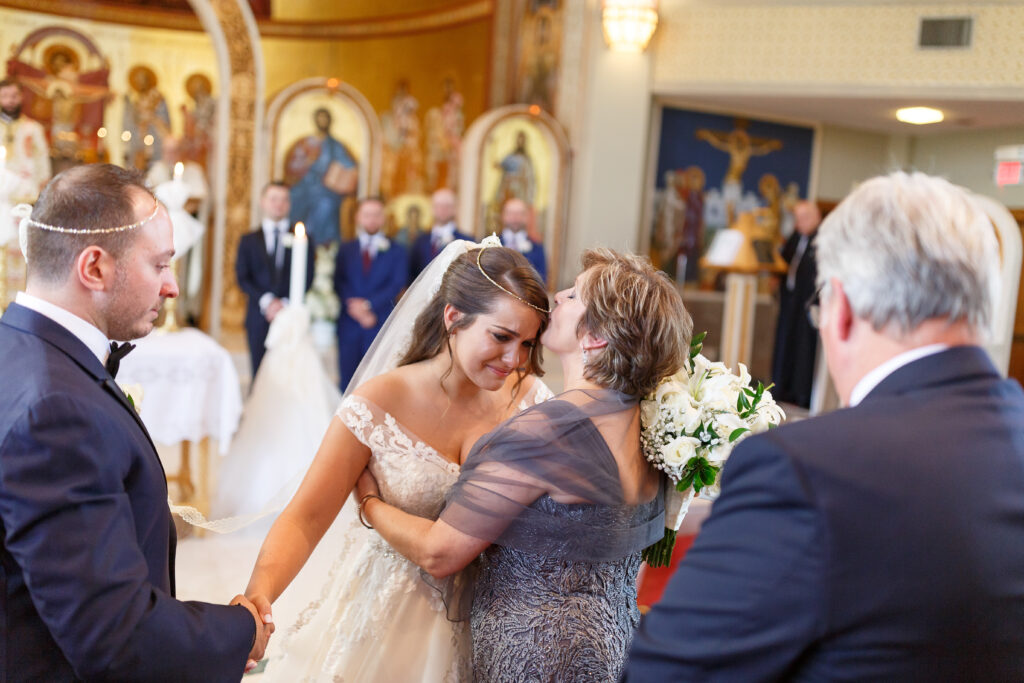
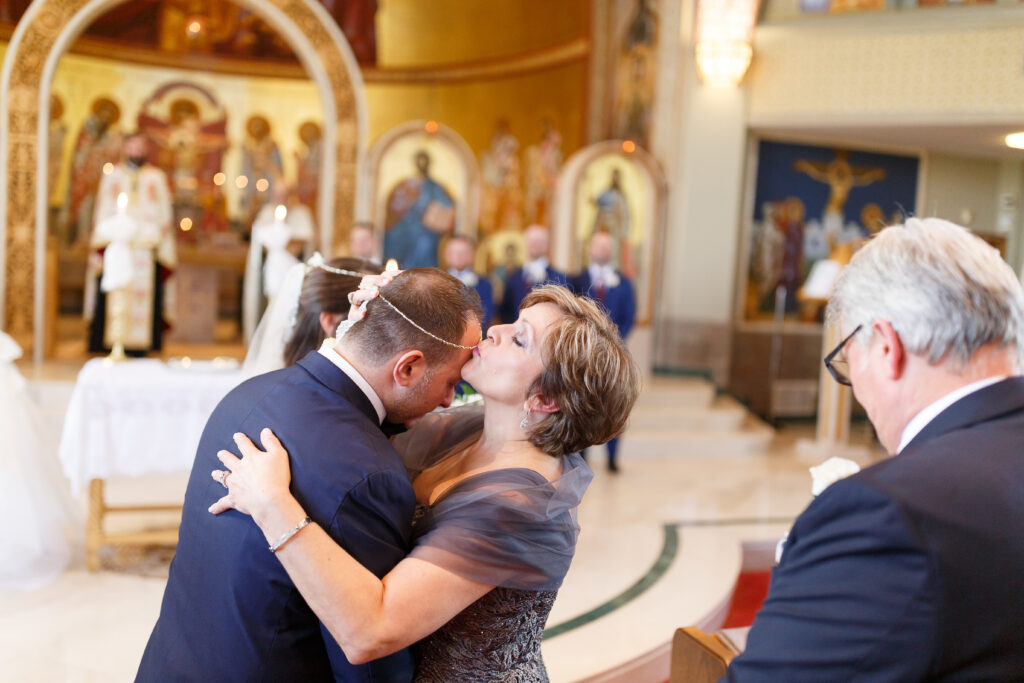
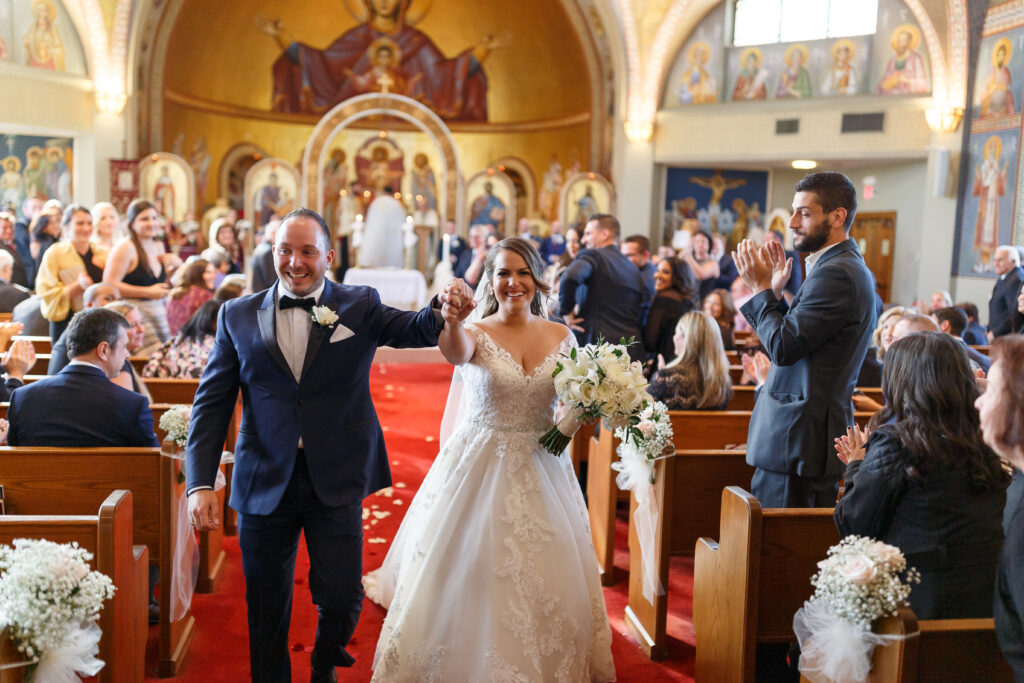
    My favorite genre of wedding photography is wedding photojournalism with the intention to capture emotions.

    It could be defined as a style of wedding photography that focuses on capturing authentic, candid moments that tell the emotional story of a couple’s wedding day. It blends the techniques of traditional photojournalism with a deep sensitivity to the feelings, connections, and atmosphere of the event. 

    Preferred techniques

    a) Candid Photography
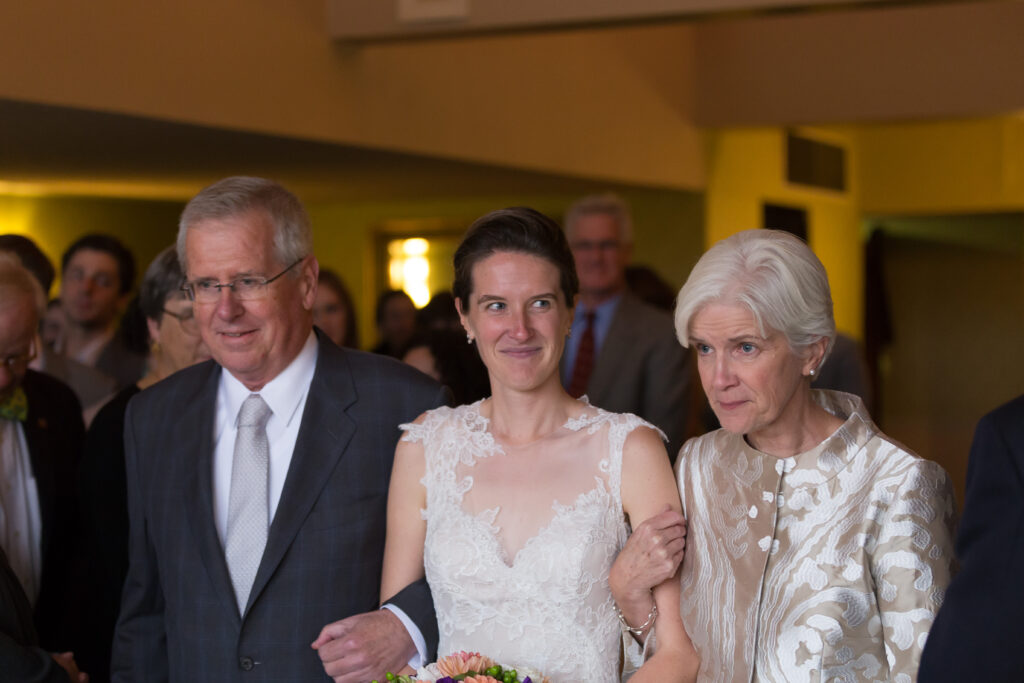
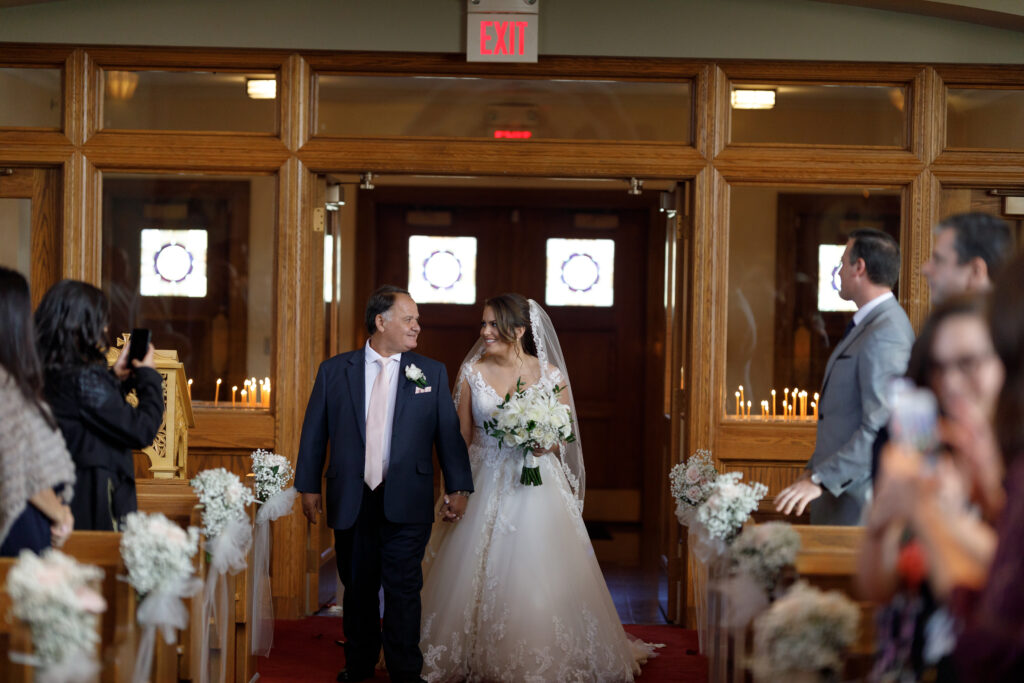
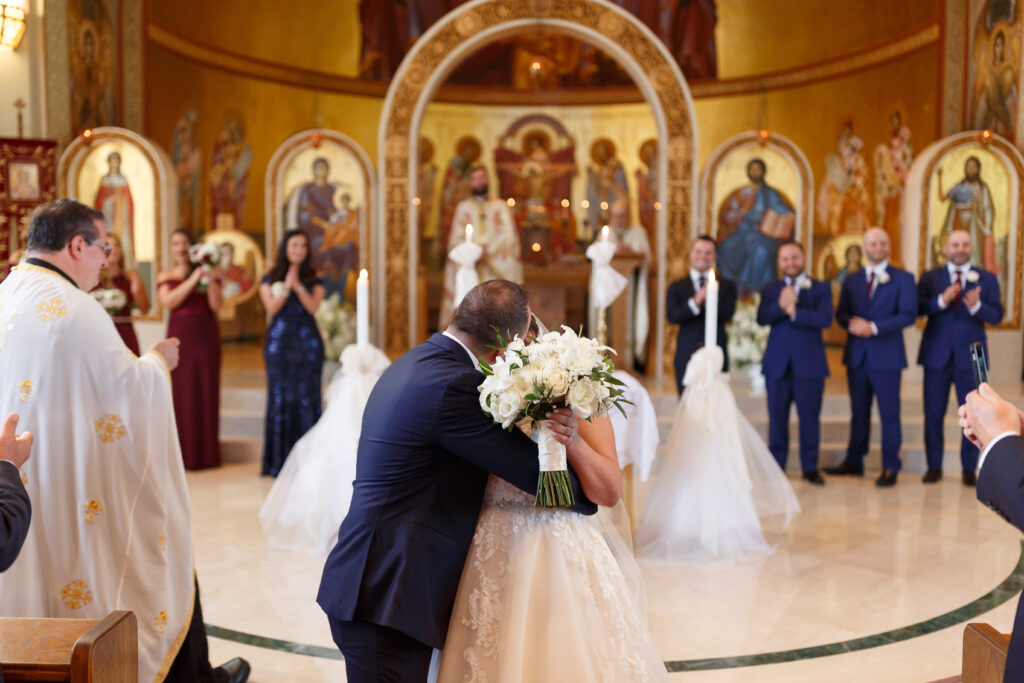
    Rather than staging shots, I observe and capture moments as they unfold. This allows for genuine, spontaneous reactions to be recorded. This is an image of the bride with her father walking down the aisle. For a split second they stopped, looked to each other and smiled.

    Wedding photojournalism

    b) Attention to Details
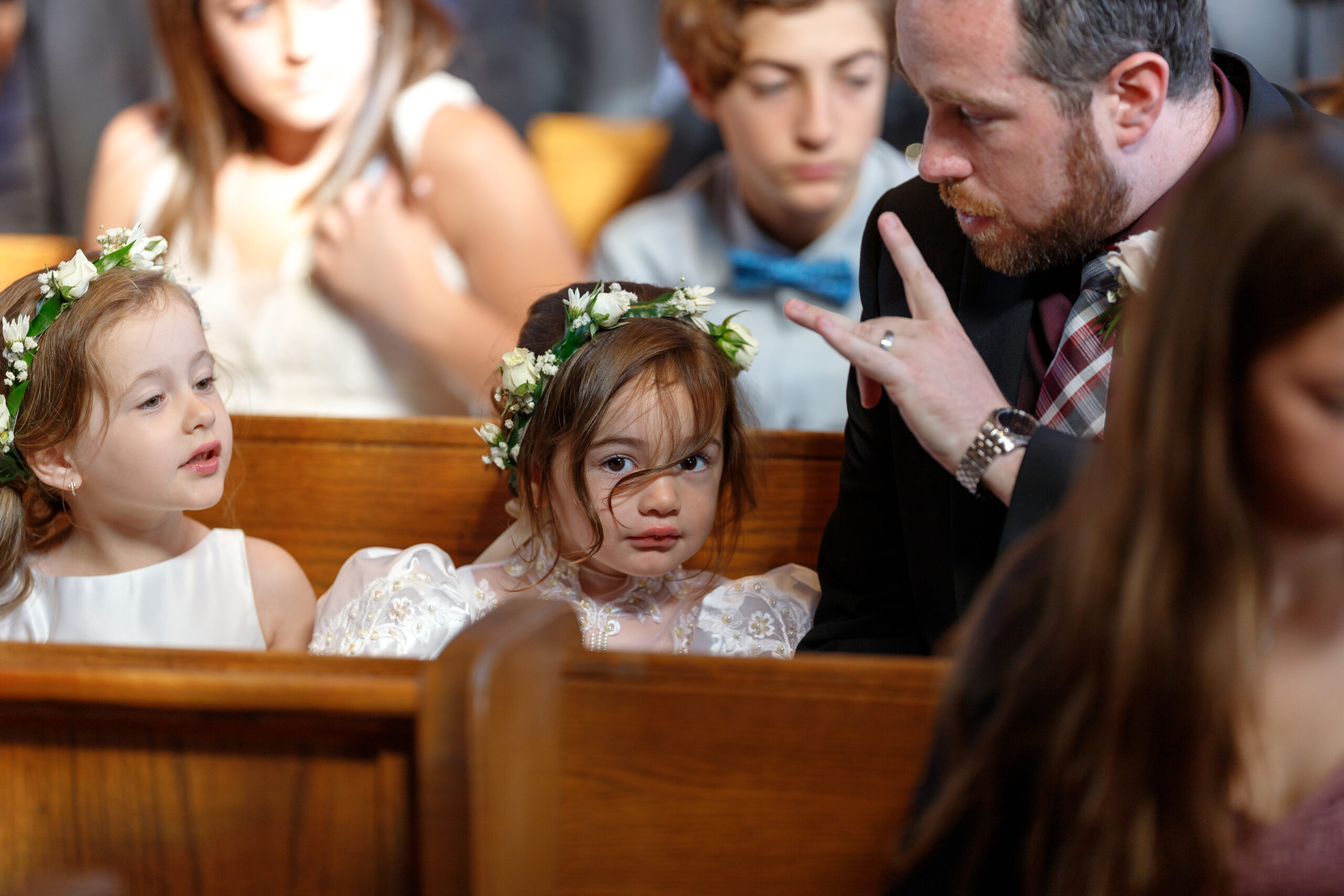
    Emotional moments are not limited to faces. Small details — like a bride’s face, a parent’s tearful gaze, or a child’s playfulness – can evoke powerful feelings.


    c) Use of Lighting and Composition:
    Creative use of light, shadow, and framing enhances the mood and drama of emotional moments.
    Tight framing on expressions or wide shots showing the ambiance adds layers to the story.

    d) Empathy and Observation:
    I aim to connect with the emotions of the day, intuitively sensing when and where meaningful moments might occur.

    The wedding ceremony took place at the Saint Barbara Greek Orthodox Church in Orange, CT.

    Why it matters

    The wedding photojournalism matters as a photographic approach because it offers a timeless appeal.
    Emotional photojournalism creates images that feel authentic and resonate deeply, making them timeless treasures.

    It also creates a personalized story. Each wedding has its unique emotional journey, and this style ensures that the couple’s story is told in a way that reflects their individuality.
    Emotional wedding photojournalism requires a keen eye, quick reflexes, and a deep understanding of human emotion. The result is a collection of heartfelt, meaningful images that encapsulate the true spirit of a wedding day.

  • Intimate engagement photo shoot

    Intimate engagement photo shoot

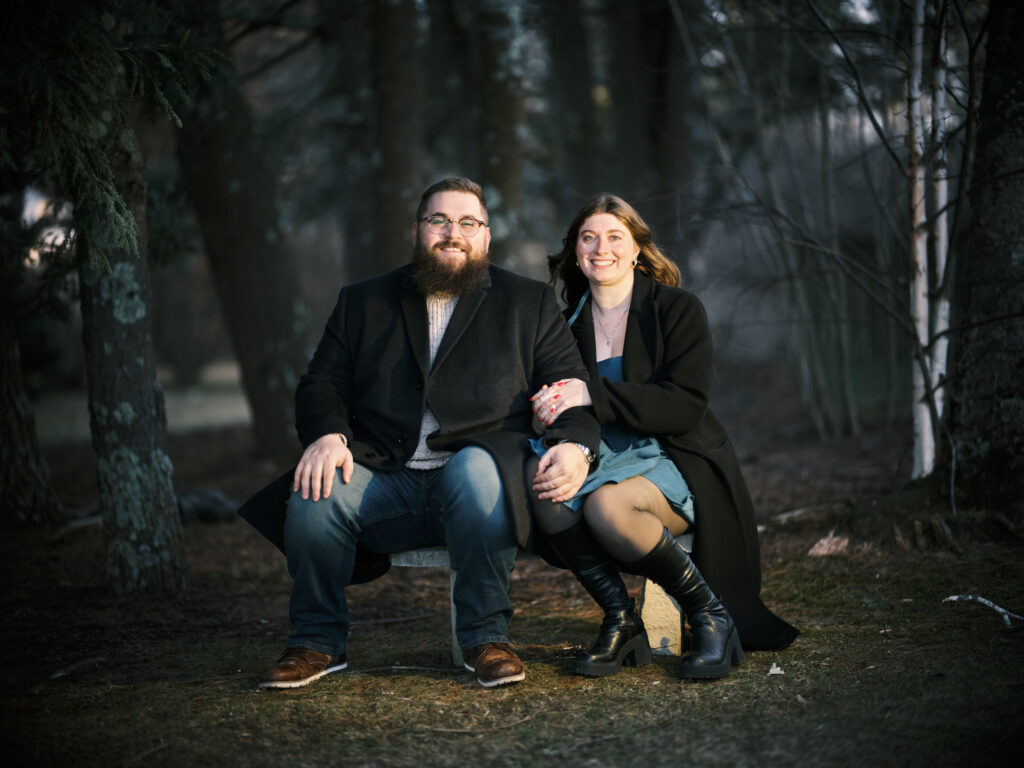
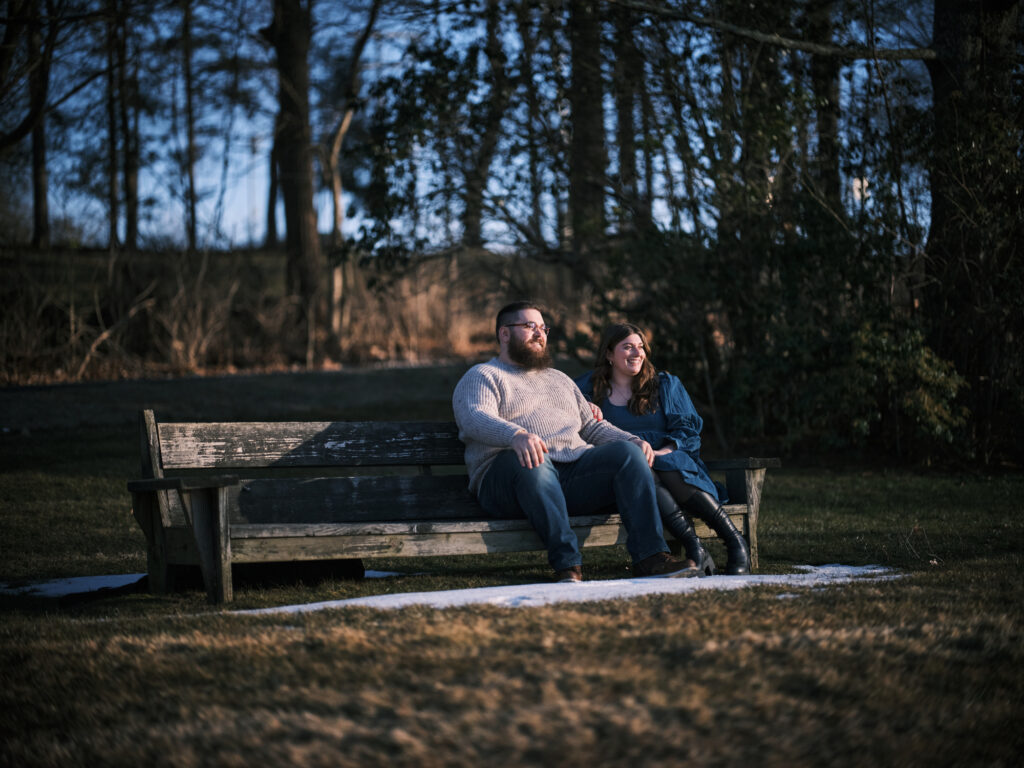
    I love photographing an intimate engagement photo shoot. I try to approach the scene in a romantic way and capture the real character of the couple.

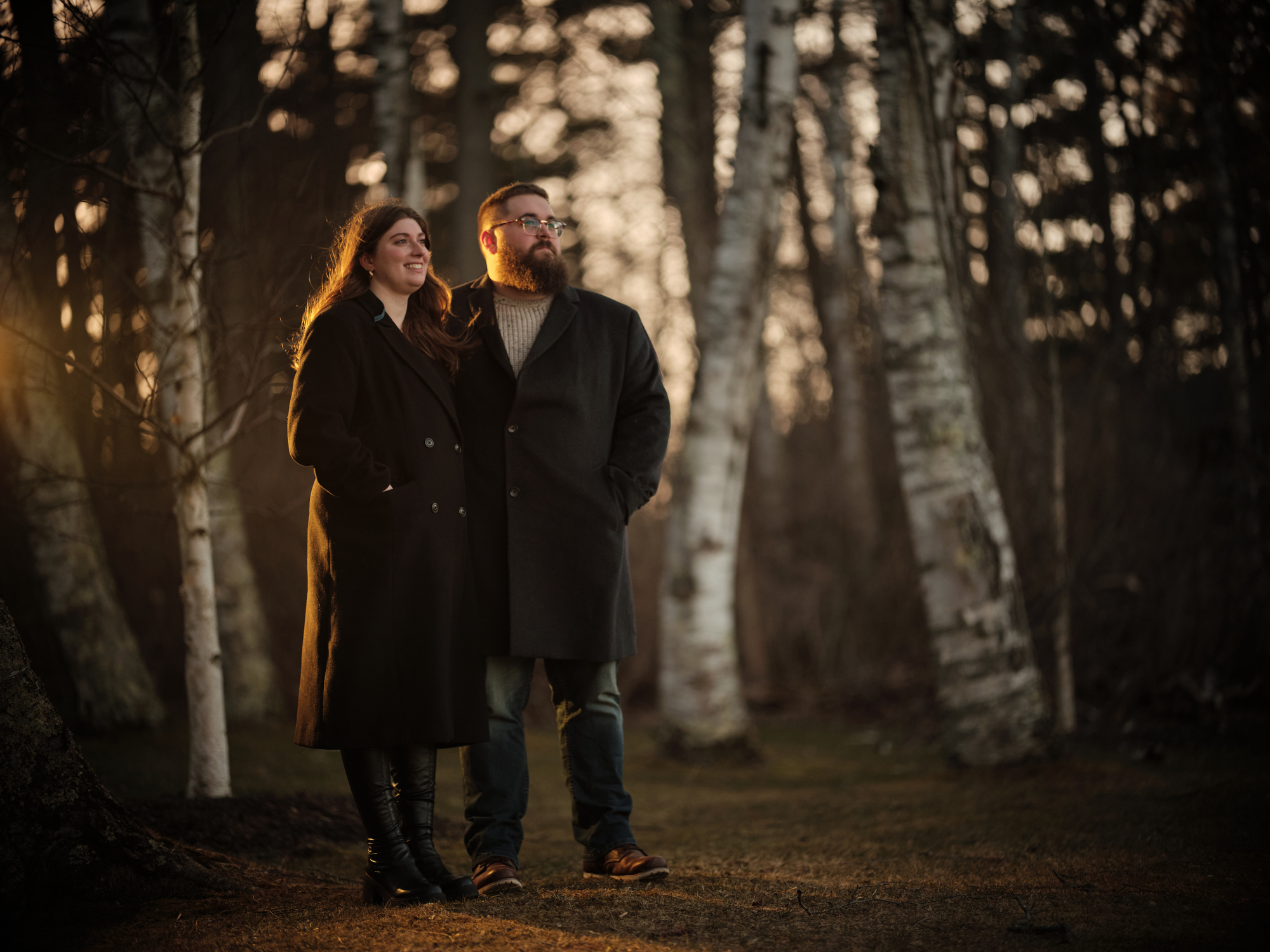
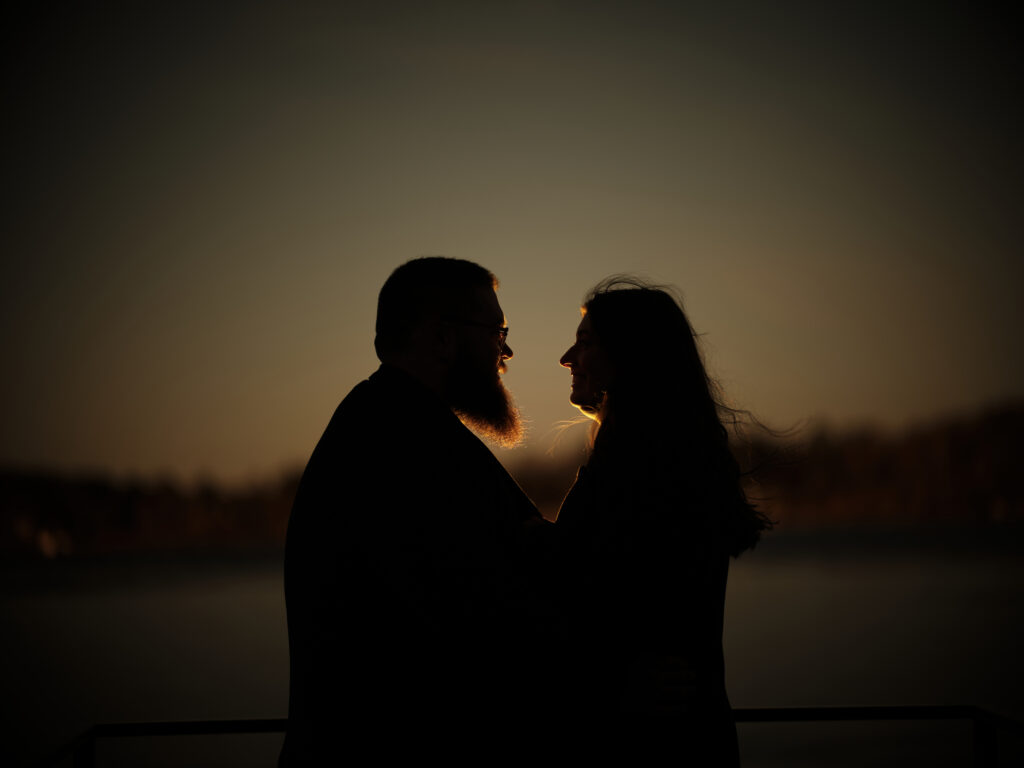
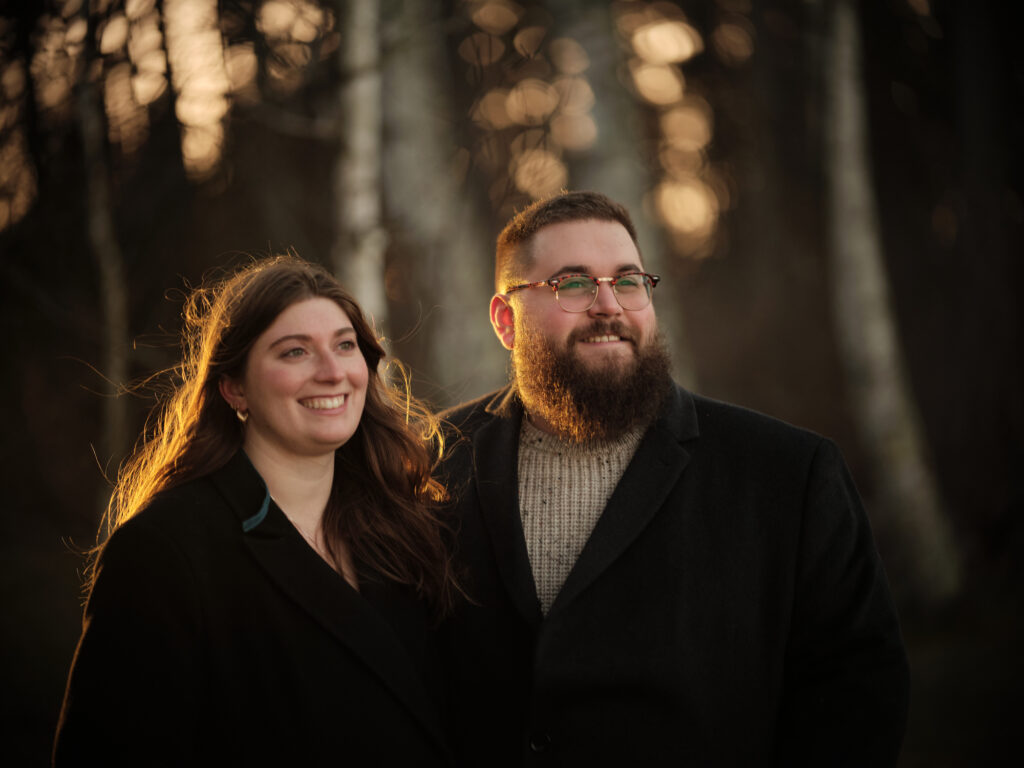
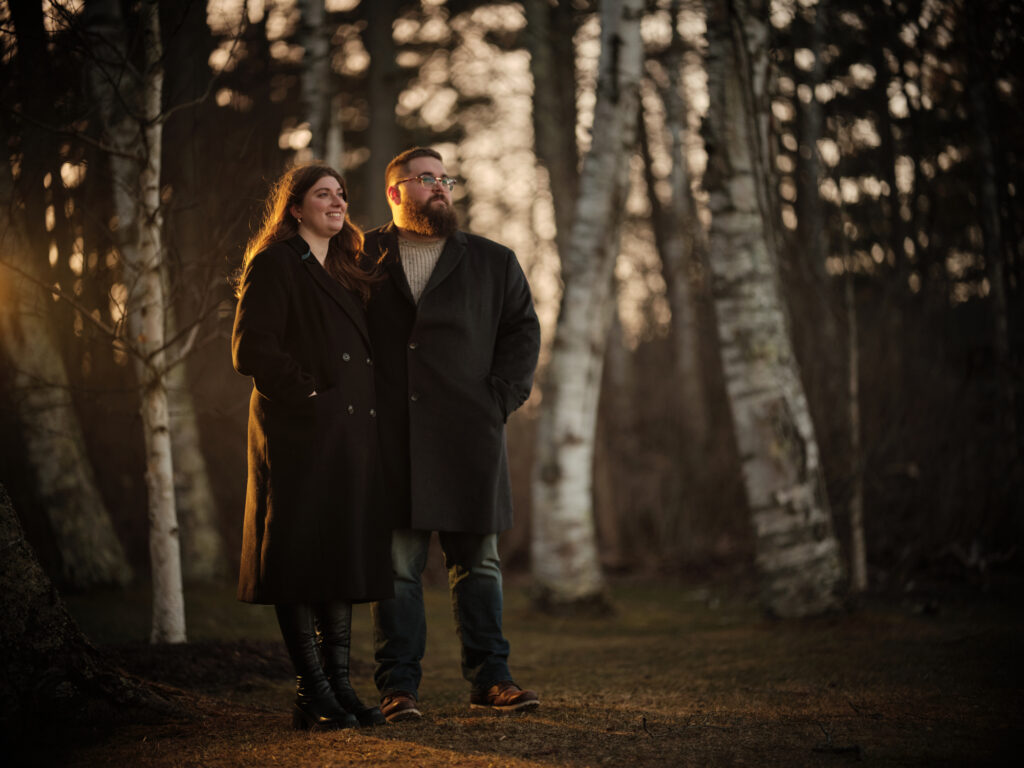
    I met Julie and Dean at the Interlaken Inn on a cold and cloudy day. I usually prefer using only available light as long as there is a good quality of light. Being a wedding photographer I have learned to adapt and adjust my photography approach according to the conditions. I decided to use a single flash with an umbrella and create artificial sun light. In this way the tone of the scene became warmer and more inviting.

    I used a Fuji GFX 50S II medium format camera with my favorite prime lens, the Zeiss Otus 100mm 1.4. I believe such a camera and body combination creates images with a character similar to film photography.

    Tags: intimate engagement photo shoot

  • Environmental portraits

    Environmental portraits

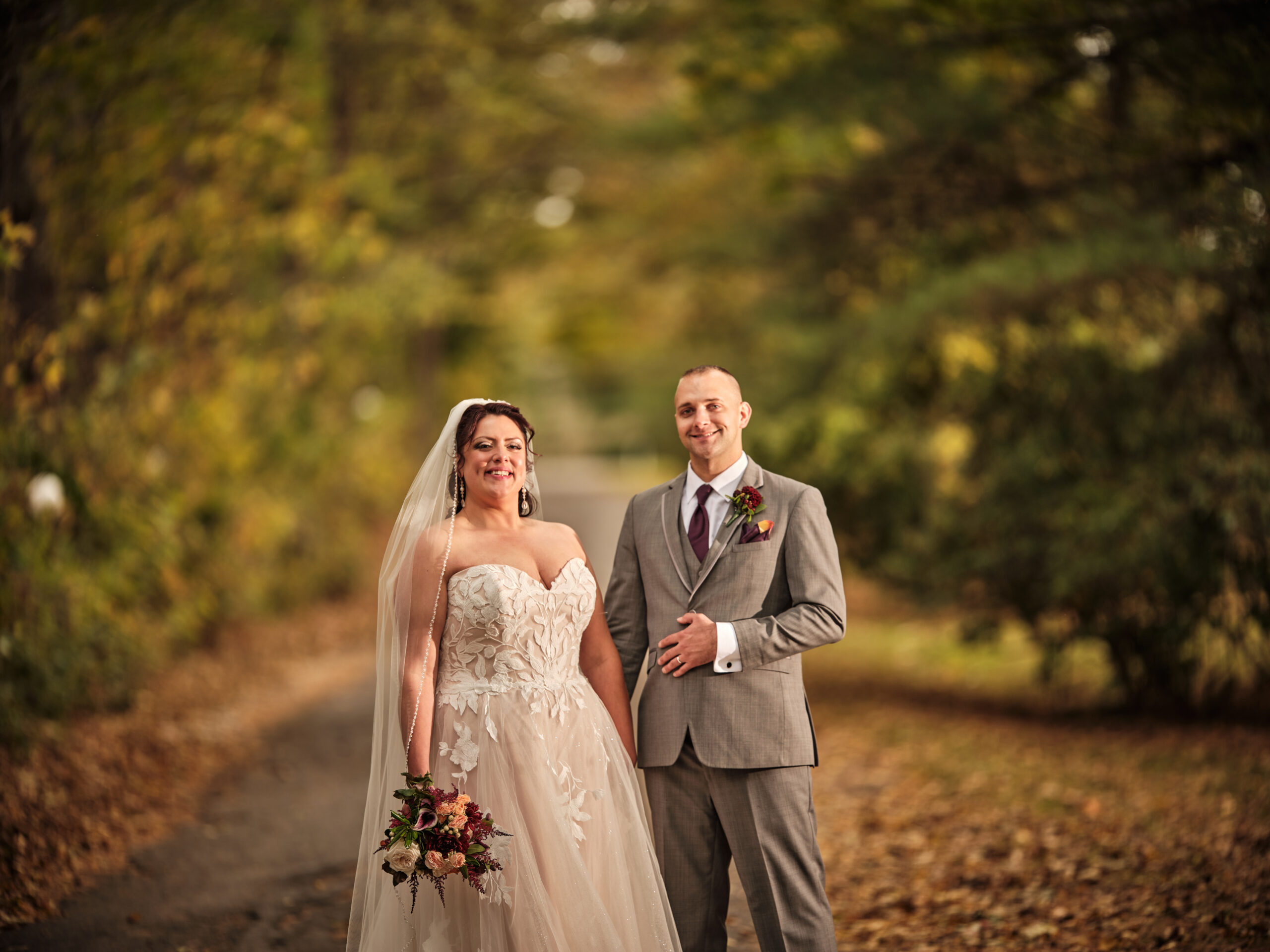
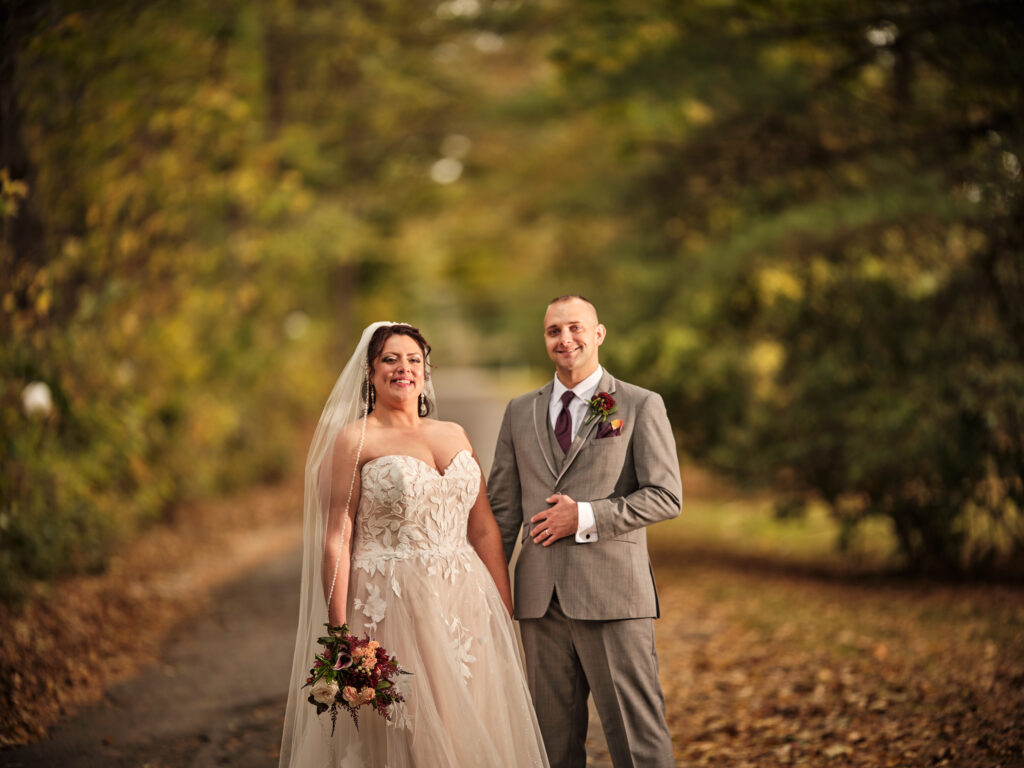
    Fall colors offer a beautiful backdrop for environmental portraits. This is an image at the @interlaken_inn on the road leading to the lake. I prefer using a 200mm lens to compress the distance and create an interesting 3D effect.

    Fall colors offer a beautiful backdrop for environmental portraits.
  • Environmental portrait of the bride and her father

    Environmental portrait of the bride and her father

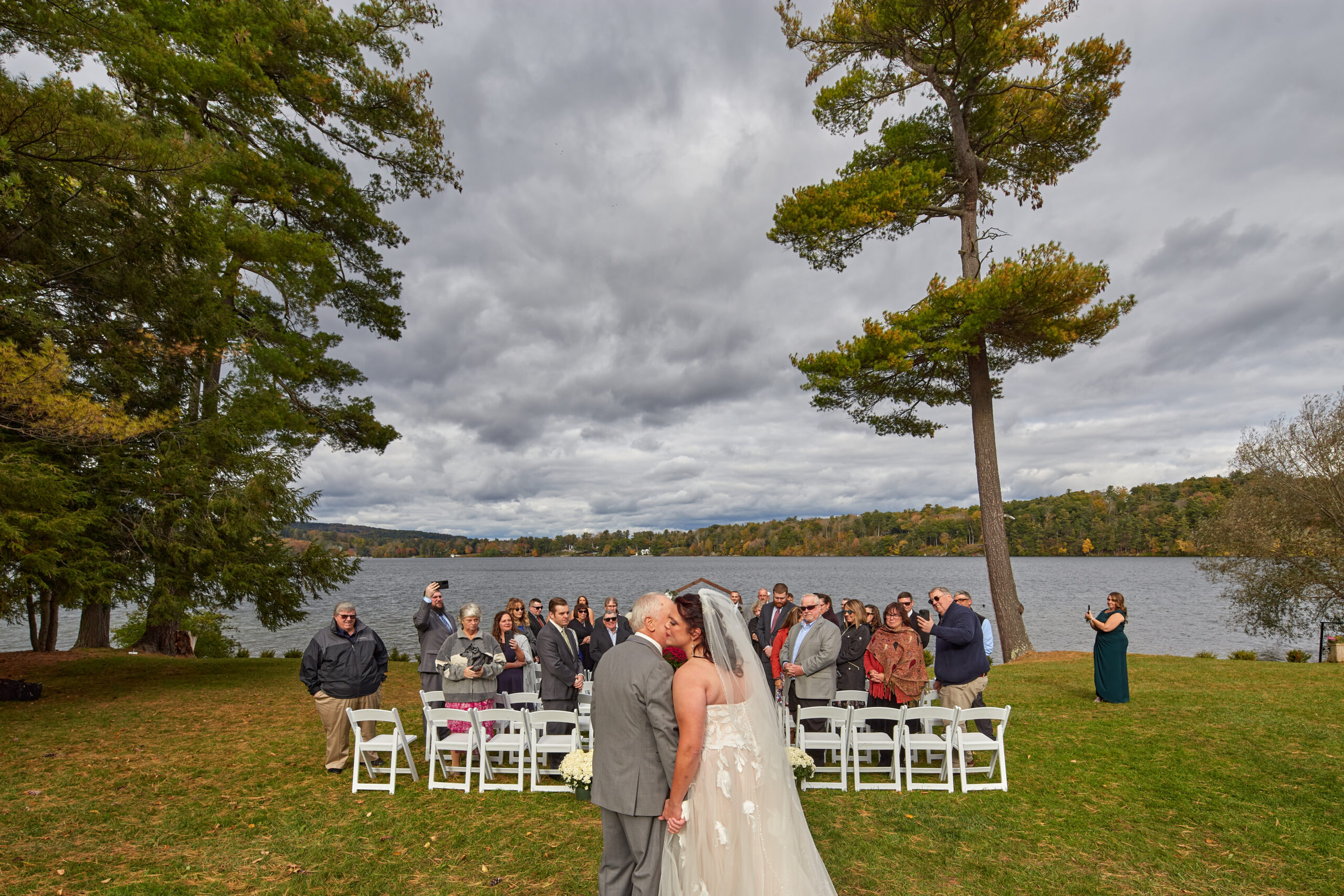
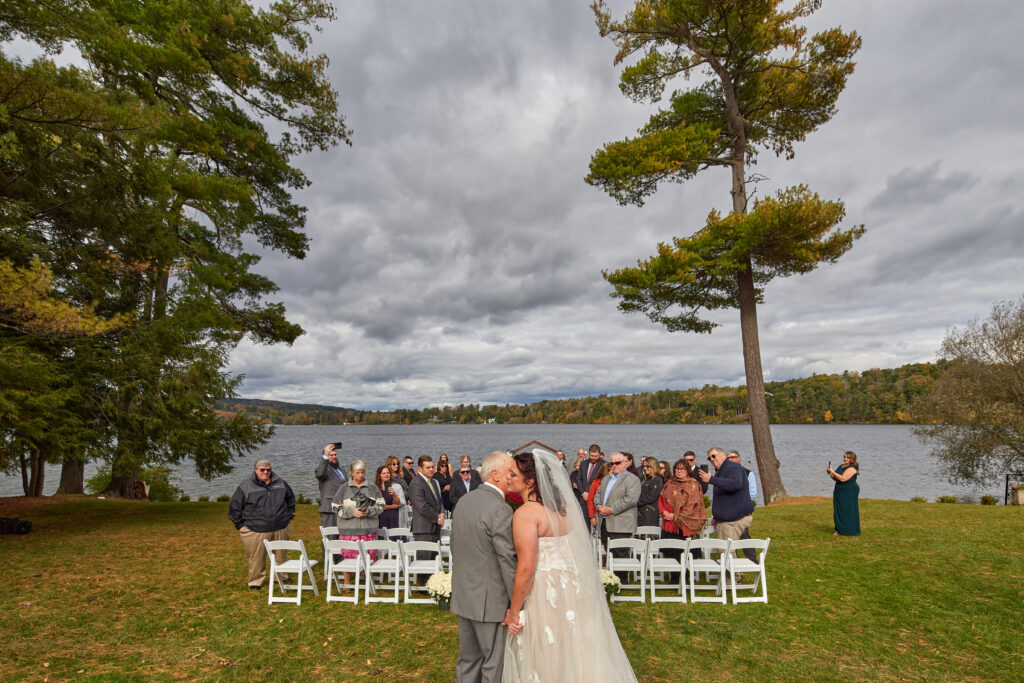
    An environmental portrait of the bride and her father is one of my priorities at the beginning of the ceremony. When I have a beautiful backdrop that may be used as a canvas, then the image can be made in a few seconds without delaying the start of the ceremony.

    This is an image during the procession of the wedding of Jacki and Matt at the Interlaken Inn.

    Environmental portrait of the bride and her father

    Before the bride starts walking down the aisle, I ask her to stop for a few seconds, breathe and immerse herself in the moment. This is one of my favorite environmental portraits. I used the Canon 17mm TS-E lens which allows me to choose the composition without the typical ultra wide lens distortion. The father decided to embrace his daughter and kiss her. This particular gesture made this image more meaningful and powerful. Venue: @interlaken_inn https://www.interlakeninn.com/weddings/

    The importance of an environmental portrait of the bride and her father cannot be overemphasized. All my brides value such an image and decide to include it in their wedding albums. You may view my wedding portfolio at http://www.ymvisuals.com.
  • Portrait of a bride

    Portrait of a bride

    On a wedding day, the portrait of a bride is one of the most important images to be made. There are many ways to photograph a person.

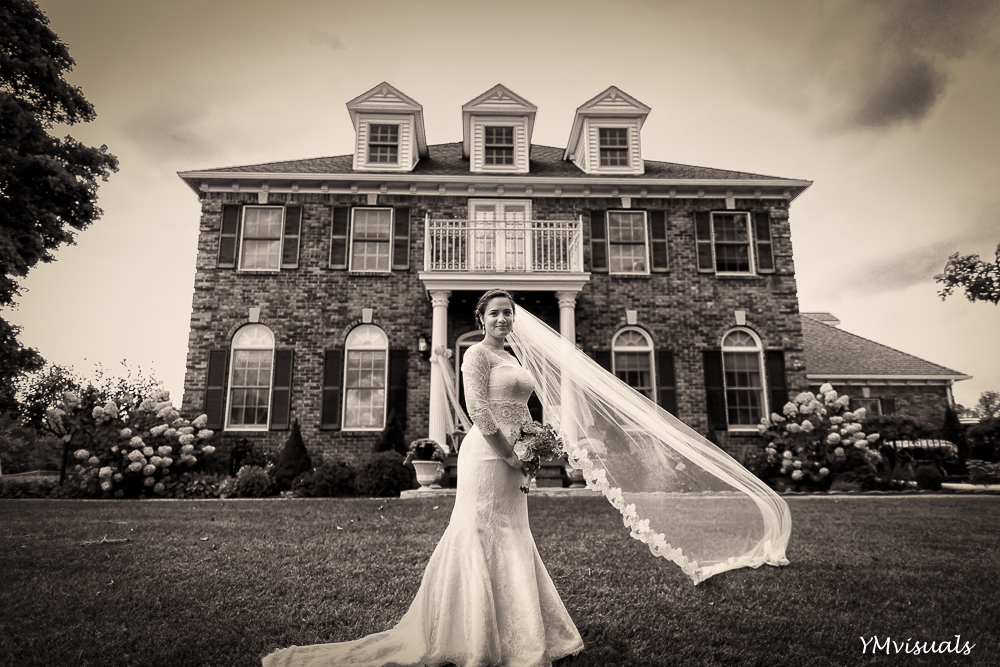
    A photographer could use a fast wide lens like a 24mm 1.4 lens to capture an environmental portrait. Such an approach is preferable when we need to capture the architecture behind the subject. In the case of the bride, her parents’s house or the church building is an important part of the wedding story.

    A necessary ingredient for a successful environmental portrait is an interesting sky. The wider the lens the more important the sky becomes. If there is a sky with no clouds, then it is more difficult to make an interesting environmental portrait. The texture of the clouds and the highlights and shadows create flow in the image and attracts the viewer’s attention.

    This is one of my favorite examples of an environmental portrait of a bride. I used a Canon 24mm 1.4 lens. By lying down on the ground, I emphasized the impact of the bride’s presence in the image relative to the house in the background. This was an important image for her family as she grew up in that house.

    Portrait of a bride

    The weather was cooperating as there were a number of clouds in the sky. In addition, a light wind was playful with her gown adding another element in the image.

    The wedding reception took place at the Interlaken Inn.

  • Wedding storyteller with a telephoto lens

    Wedding storyteller with a telephoto lens

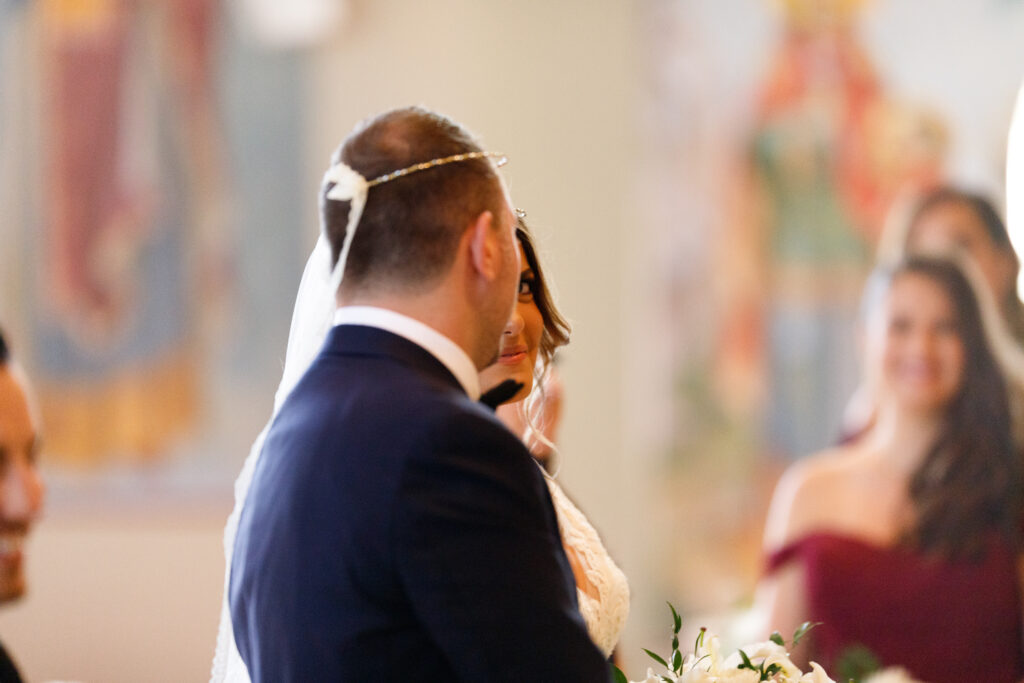
    As a wedding storyteller with a telephoto lens, I am able to isolate subjects and emphasize emotions.

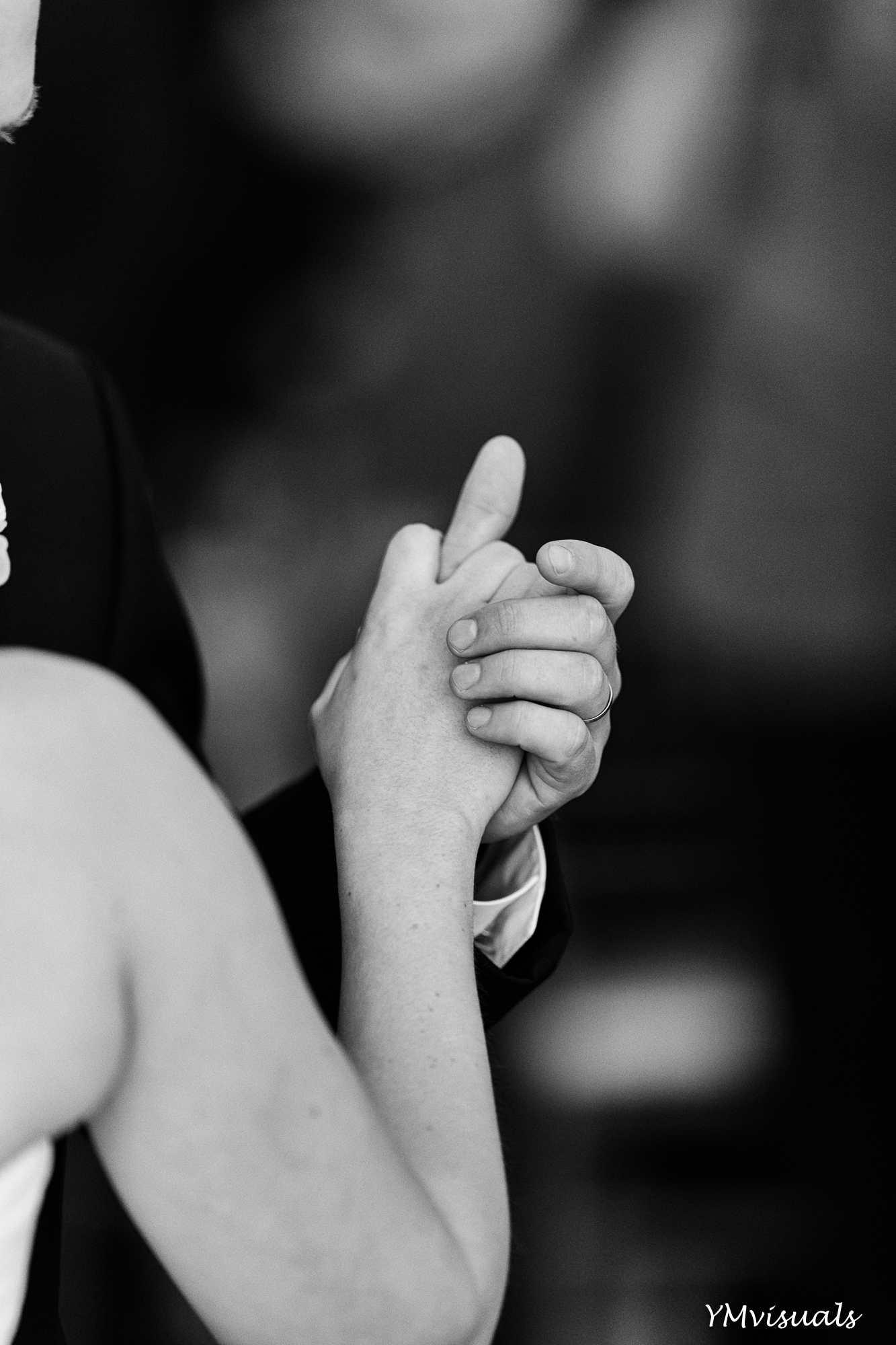
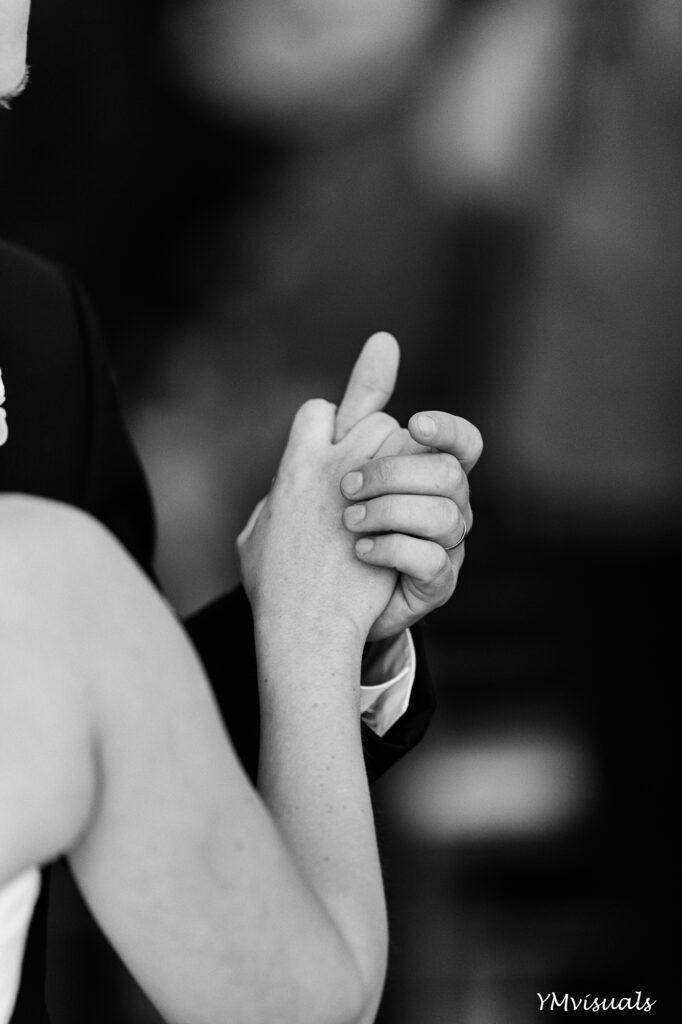
    This is one of my favorite images during the first dance of the bride and groom at the Interlaken Inn. The background is blurred, with soft lighting casting a glow on the couple’s hands. The image captures a moment of tenderness and romance, as the couple loses themselves in the music and the dance.

    As a wedding storyteller with a telephoto lens, I am able to isolate subjects and emphasize emotions. This is one of my favorite images during the first dance of the bride and groom at the Interlaken Inn. The background is blurred, with soft lighting casting a glow on the couple's hands. The image captures a moment of tenderness and romance, as the couple loses themselves in the music and the dance.

    The hands of the couple seem to be perfectly in sync, moving gracefully together in time with the music. Their fingers are intertwined, conveying a sense of unity and connection between them.

    Before the first dance

    Photographing the first dance at a wedding is a crucial part of capturing the joy and romance of the day. I communicate with the couple ahead of time to understand their vision for the first dance. I ask about the song choice, the style of dance, and any specific moments they would like to be captured. In this way I am able to anticipate key moments and capture them as they happen.

    I always try to find the best vantage point to capture the couple’s dance without obstructing the view of the guests. It’s also important to make sure the lighting is sufficient to capture the scene without the need for flash, which can be distracting. By using fast prime lenses with 1.2 or 1.4 aperture I can capture such important moments unobtrusively.

    During the first dance

    During the first dance I am focused and attentive, capturing the couple’s movements and emotions as they dance. I usually carry three cameras bodies with a 24mm 1.4, a 50mm 1.2 and a 200mm f2 lens. I am mindful of the couple’s expressions and of the guests’ reactions, capturing the joy and love on their faces.

    Post production

    In the digital darkroom I carefully select the best images and edit them to enhance the colors, contrast, and sharpness. Some images are better appreciated in black and white.

    I hope that my images capture the beauty and romance of the moment, allowing the couple to relive their first dance for years to come. Being a wedding storyteller with a telephoto lens is a great passion.

  • Flower girl

    Flower girl

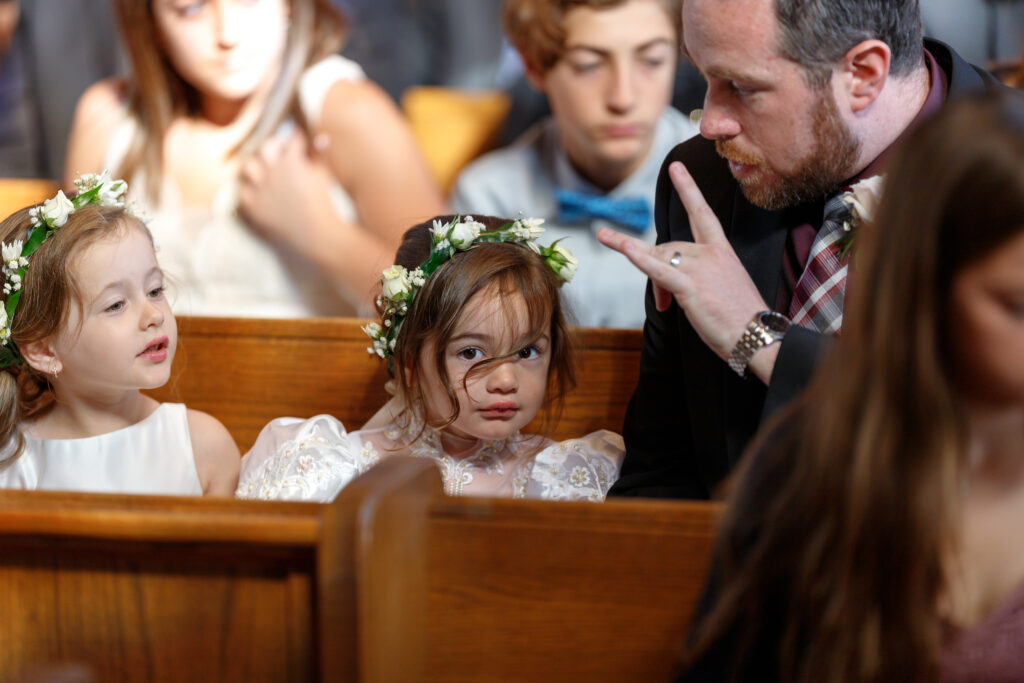
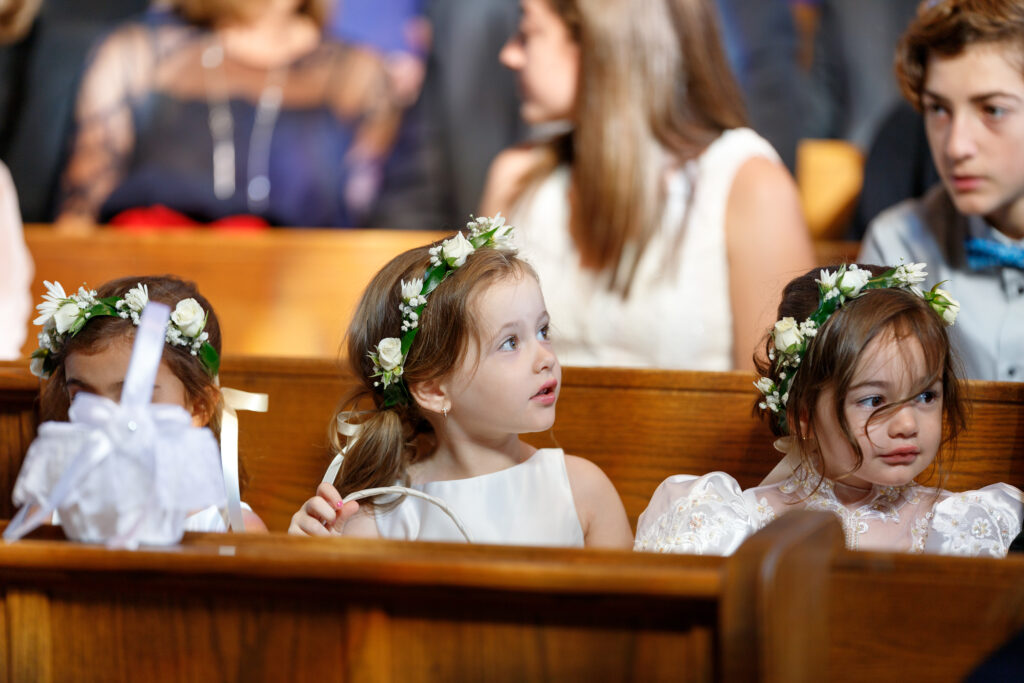
    Photographing the flower girl is important because she is a special part of the wedding ceremony and adds a unique charm to the event.

    Capturing such moments can help to create lasting memories of the wedding day, as she is a precious and unforgettable part of the ceremony. Such photographs can be treasured by the couple, their families, and the flower girl herself for years to come.

    Additionally, photographs of the flower girl can add depth and dimension to the overall wedding album. By including photographs of the flower girl, photographers can capture candid moments of her interacting with guests and enjoying the celebration, as well as more formal shots of her walking down the aisle or standing with the bridal party.

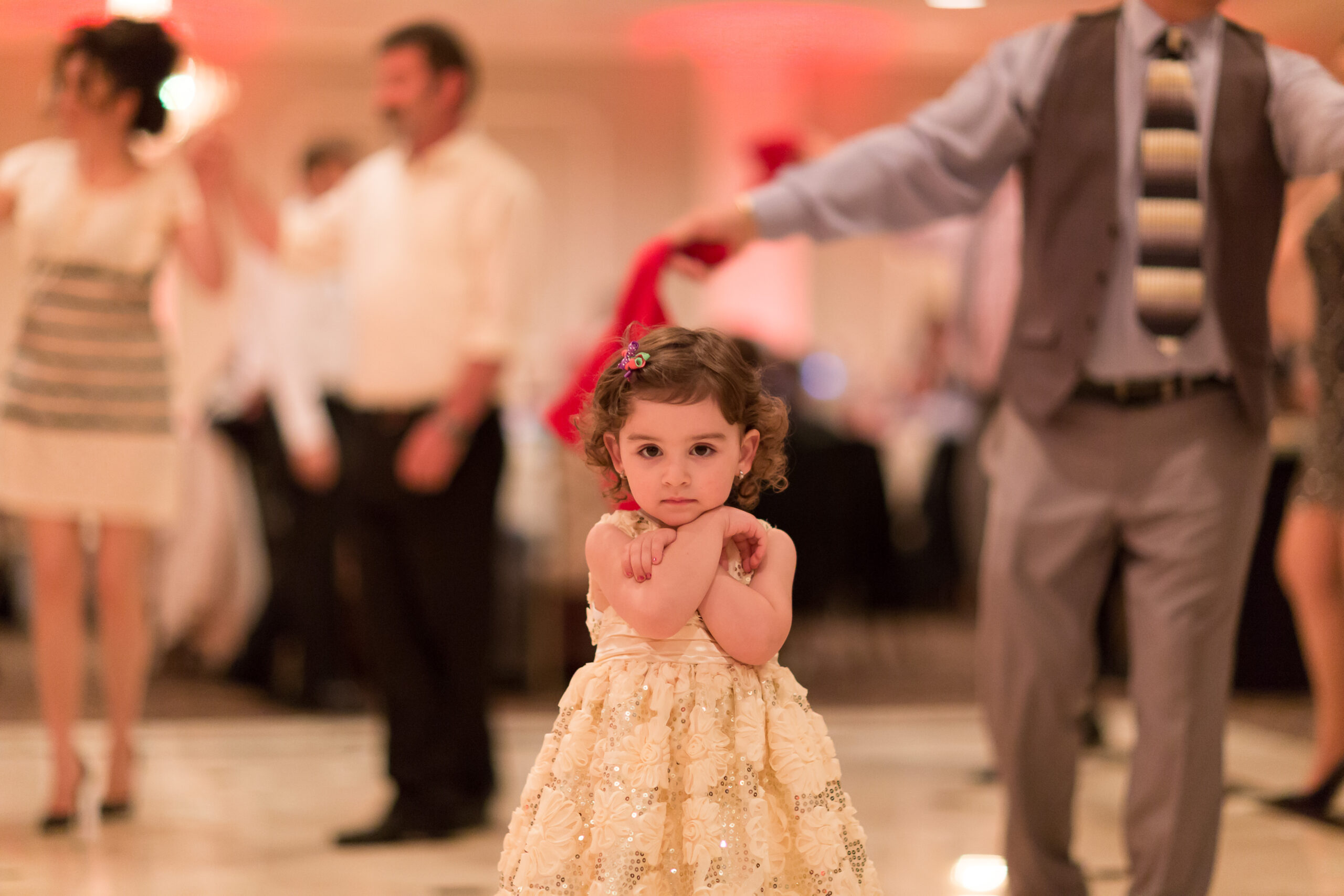
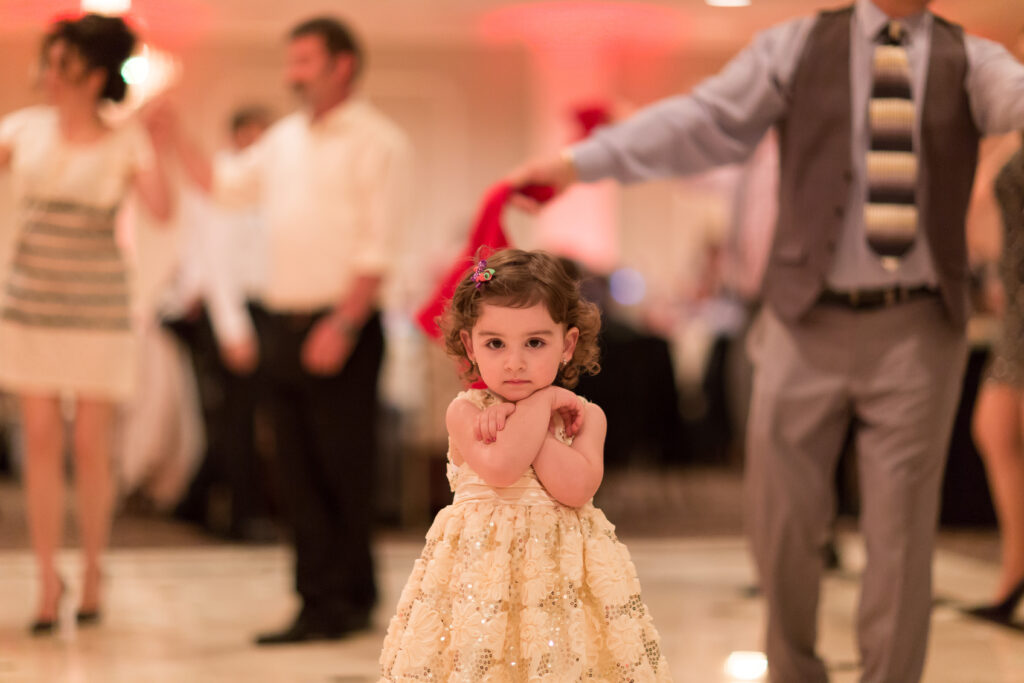
    This is one of my favorite images from an engagement party at La Bella Vista wedding venue.

    The flower girl stands on the polished wooden dance floor, her eyes locked onto the camera lens in front of her. She wears a delicate white dress with a voluminous skirt that sways gently as she moves. The dress is adorned with intricate lace and pearl detailing, matching the elegant theme of the engagement party.

    A hint of a smile tugs at the corners of her lips, giving her a playful and mischievous air. Her black eyes sparkle with excitement.

    In the background, guests dance and sway to the upbeat music, but the flower girl remains still, gazing confidently into the camera.

    Photography equipment during the dances

    During the dances, I usually carry two camera bodies with prime lenses. My favorite combination is a 24mm f/1.4 and a 85mm f/1.2 lens. In this way I manage to capture authentic moments and isolate the subject without having to use a flash.

    Prime lenses tend to have a larger maximum aperture than zoom lenses, meaning they can let in more light. This is especially important during low-light situations like dances, where the lighting may be dim and difficult to work with. The wider aperture allows for faster shutter speeds, reducing the likelihood of blurry photos due to camera shake or subject movement.