Tag: Wedding Planning

Practical guidance for couples on timelines, preparation, first looks, speeches, scheduling, lighting, and the decisions that shape a well-planned wedding day.

  • A Wedding Timeline That Keeps Your Day Stress-Free

    A Wedding Timeline That Keeps Your Day Stress-Free

    One of the most valuable gifts you can give yourselves on your wedding day is time.
    A thoughtfully planned timeline does far more than keep everyone on schedule. It creates space for conversations with family, quiet moments together, and the flexibility to enjoy the celebration without constantly feeling rushed. When couples remember their wedding day years later, they rarely talk about the exact time each event happened. They remember how the day felt.
    A well-planned timeline helps create that feeling.


    Create Space for Meaningful Moments

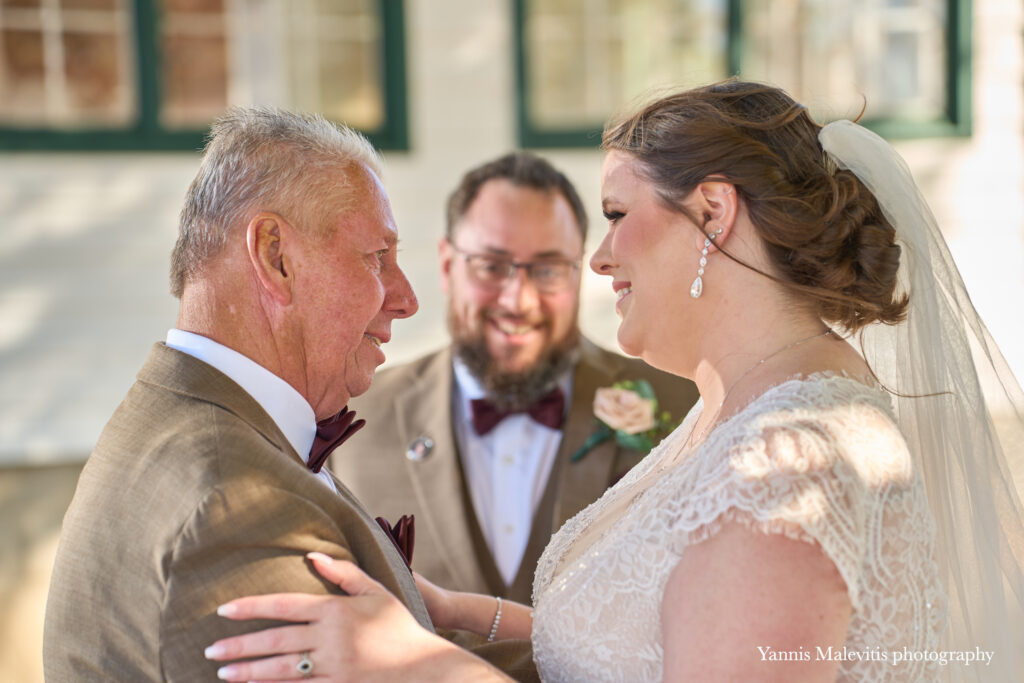
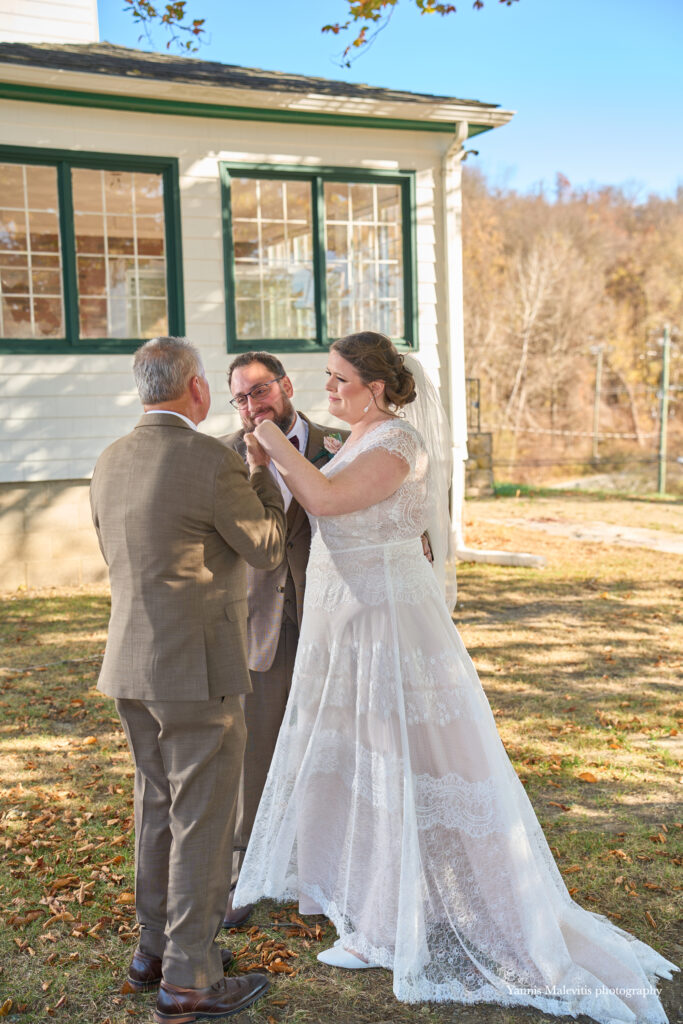
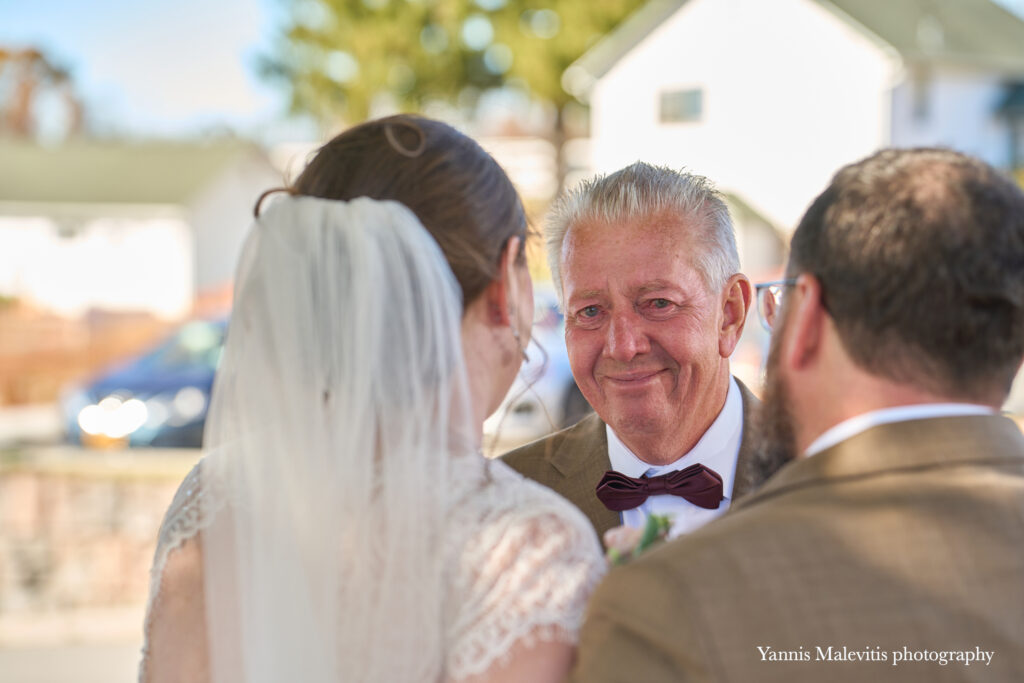
    The wedding day begins long before the ceremony. The excitement of getting ready, parents seeing their children dressed for the first time, laughter with friends, and the quiet anticipation before everything begins are all moments worth experiencing rather than rushing through.
    Building extra time into the morning allows everyone to settle into the day naturally. If hair, makeup, or transportation takes a little longer than expected, a comfortable schedule prevents small delays from affecting the rest of the celebration.


    Think Beyond the Ceremony

    The ceremony is naturally the heart of the day, but the moments surrounding it are just as meaningful.
    Whether you choose a first look or see each other for the first time during the ceremony, allow enough time for portraits, family photographs, and simply being together. The schedule should never feel like a race from one location to another. Instead, each part of the day should flow naturally into the next.

    Leave Room for the Unexpected

    Even the best-planned weddings encounter small surprises. Traffic, weather, transportation, or a few extra hugs after the ceremony can all shift the schedule slightly.
    Rather than trying to account for every minute, build short buffers between major events. Those extra moments allow everyone—including you—to remain relaxed if something takes longer than expected.
    Ironically, the most organized wedding days often feel the least structured because they include enough flexibility for the unexpected.

    Plan Around Light as Well as Time

    One detail that couples often overlook is how the changing light affects the atmosphere of their photographs.
    Whenever possible, I encourage couples to set aside a few minutes during the softer light before sunset. These portraits rarely require much time away from the celebration, yet they often become some of the most memorable photographs of the entire day.
    Planning for natural light is not about interrupting the wedding—it is about choosing a moment when the day is already slowing down and allowing the photographs to reflect that feeling.

    Trust Your Team

    Your planner, venue coordinator, photographer, and other vendors have guided many weddings before yours. Sharing the timeline with everyone in advance allows the team to work together rather than independently, helping the day unfold smoothly without placing that responsibility on you or your family.
    The goal is for you to enjoy the celebration while your vendors quietly keep everything moving behind the scenes.

    After photographing many weddings, I’ve found that the calmest celebrations are rarely those with the most detailed schedules—they are the ones where the entire team understands the plan and works together to keep the day flowing naturally.

    Remember Why the Timeline Matters

    A successful wedding timeline is not measured by whether every event happens exactly on time.
    It is measured by whether you had the opportunity to enjoy your family, celebrate with your friends, and experience the day without feeling hurried.
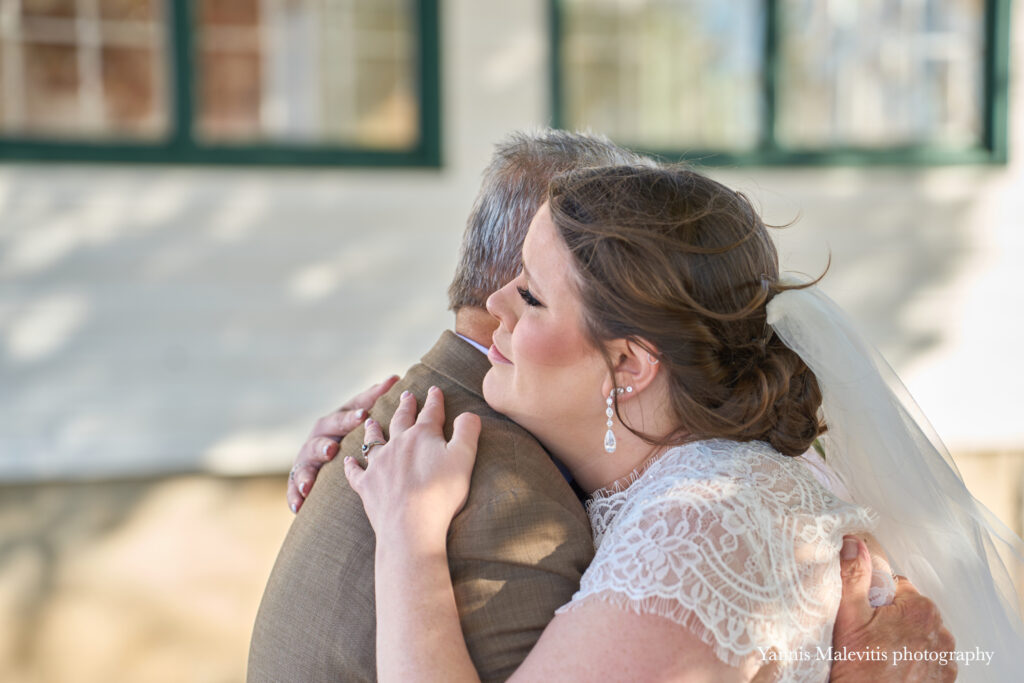
    The most memorable weddings rarely feel rushed. They leave room for spontaneous conversations, unexpected laughter, emotional embraces, and quiet moments together—experiences that cannot be recreated later and often become the photographs couples treasure most.
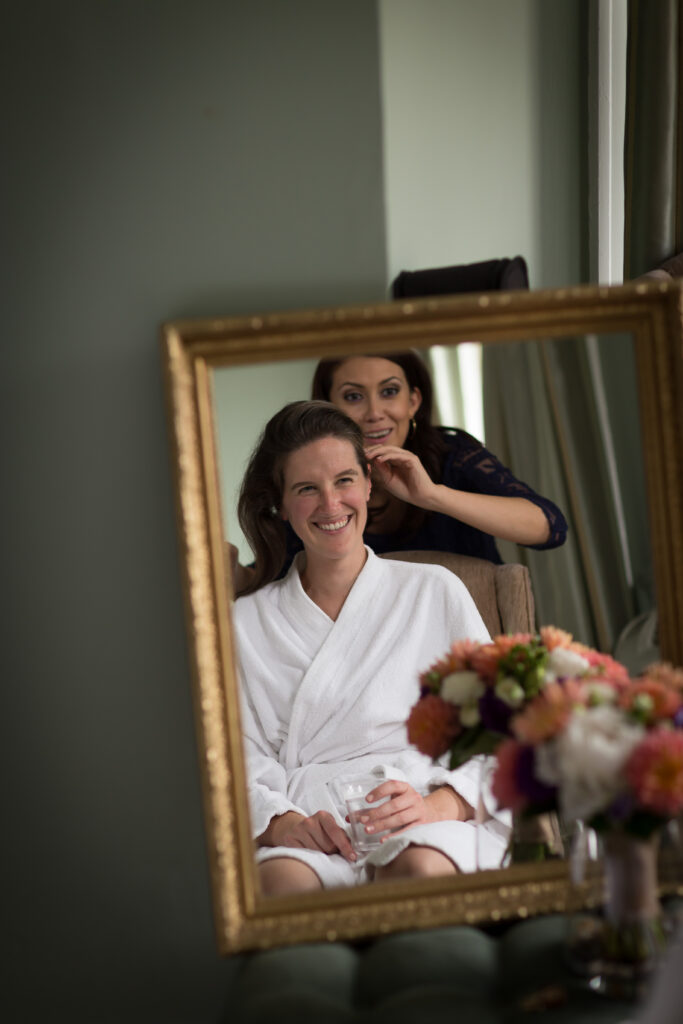
    Smiling bride in a robe watches hairstyling through an ornate mirror.
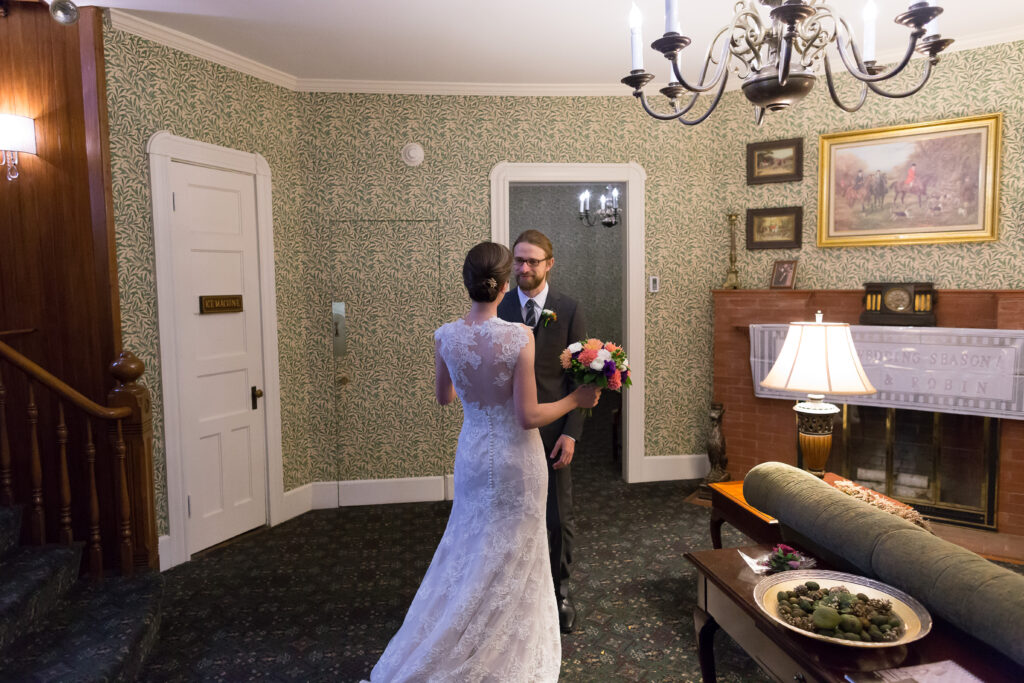
    Bride greets groom during a first look inside a historic room.
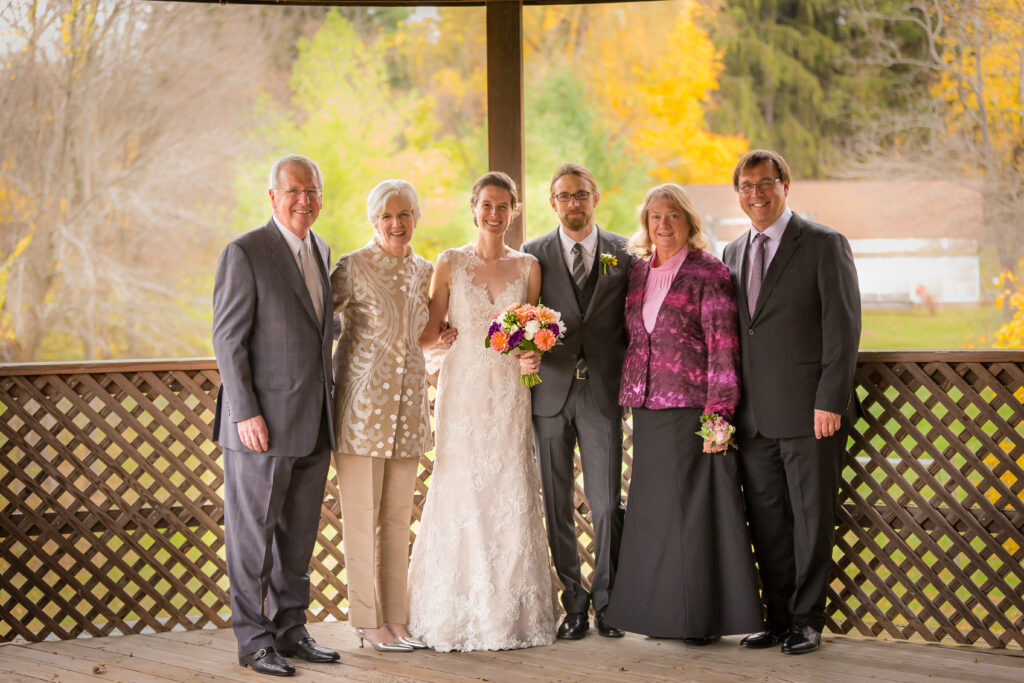
    Bride and groom pose with family members beneath a wooden pavilion.
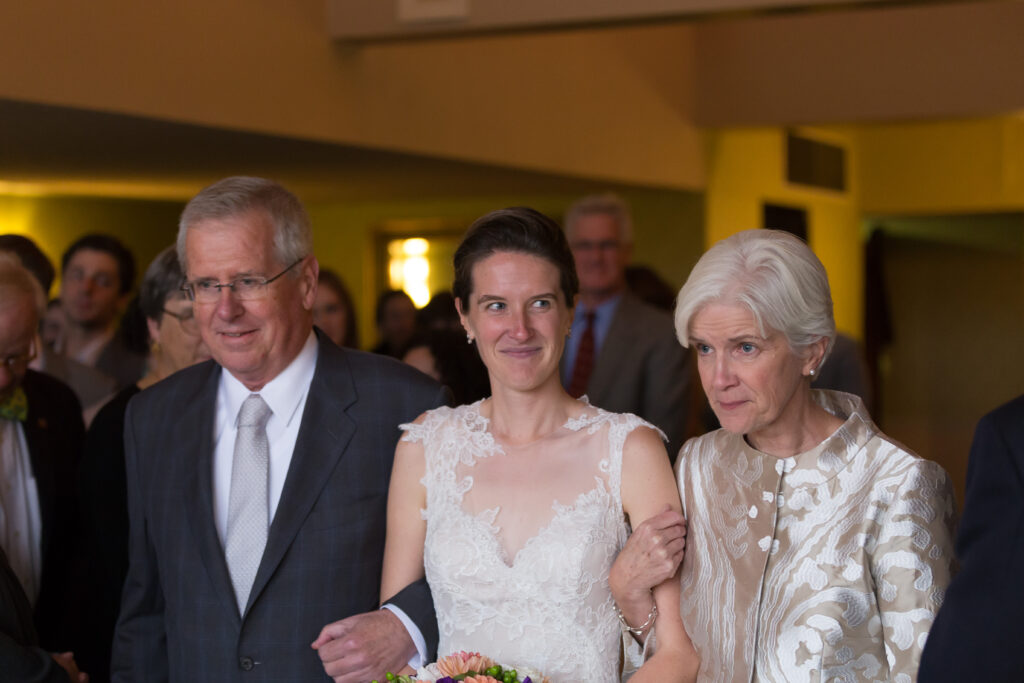
    Bride walks between her parents during the wedding ceremony entrance.
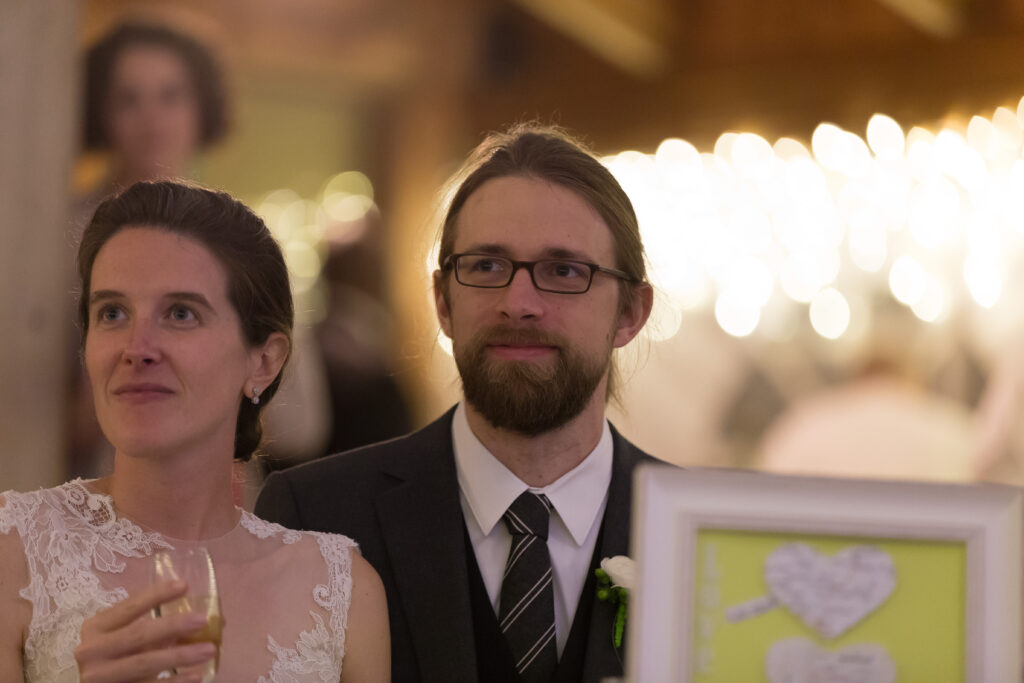
    Bride and groom watch the ceremony together beneath softly glowing lights.
  • A Wedding First Look: When the Most Meaningful Moment Was Unexpected

    A Wedding First Look: When the Most Meaningful Moment Was Unexpected

    Introduction

    A wedding first look is often described as the moment when a couple sees each other before the ceremony. For many couples, it provides a quiet opportunity to share a private moment before the celebrations begin.

    Sometimes, however, the most meaningful moment is not the first look itself.

    It happens unexpectedly.

    As a documentary wedding photographer, I continually look beyond the planned events of the day because the strongest photographs often reveal relationships that no one anticipated.


    Planning the First Look

    When I arrived at Tilly’s Table, I met with Jordan and his father to choose a quiet location for the first look. The couple wanted their closest family members nearby so they could share the experience together.

    The plan itself was simple.

    Jordan would wait with his back turned.

    Colleen would quietly approach before gently touching his shoulder.

    Like every first look, the anticipation was part of the story.


    The Unexpected Moment

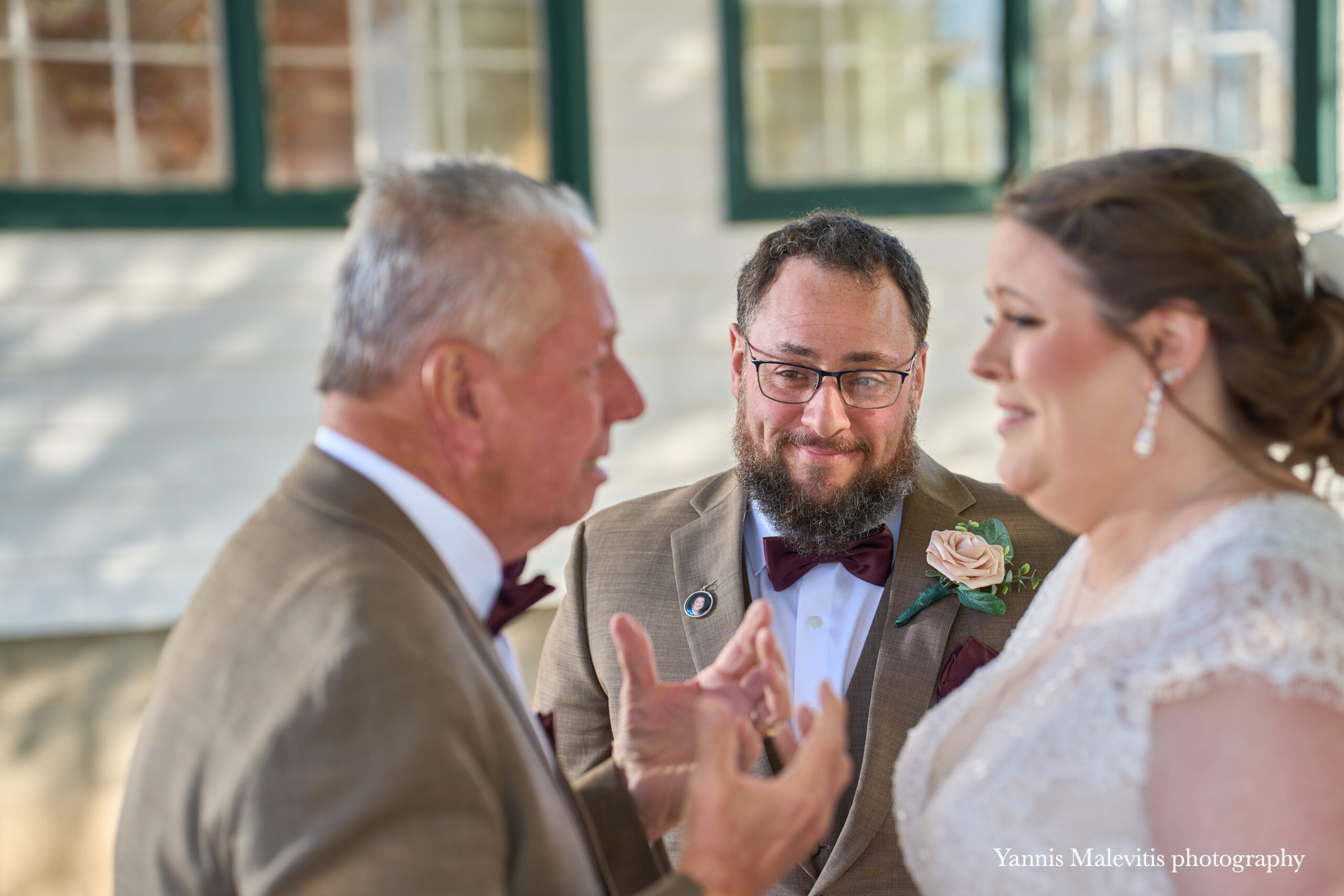
    Before Colleen reached Jordan, something happened that none of us had planned.

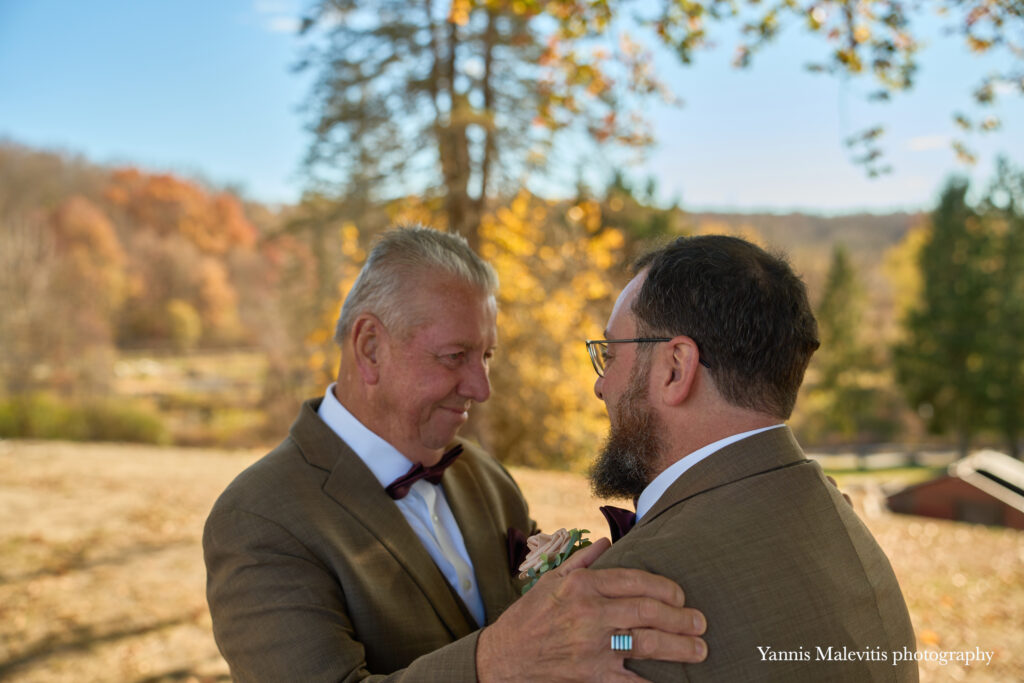
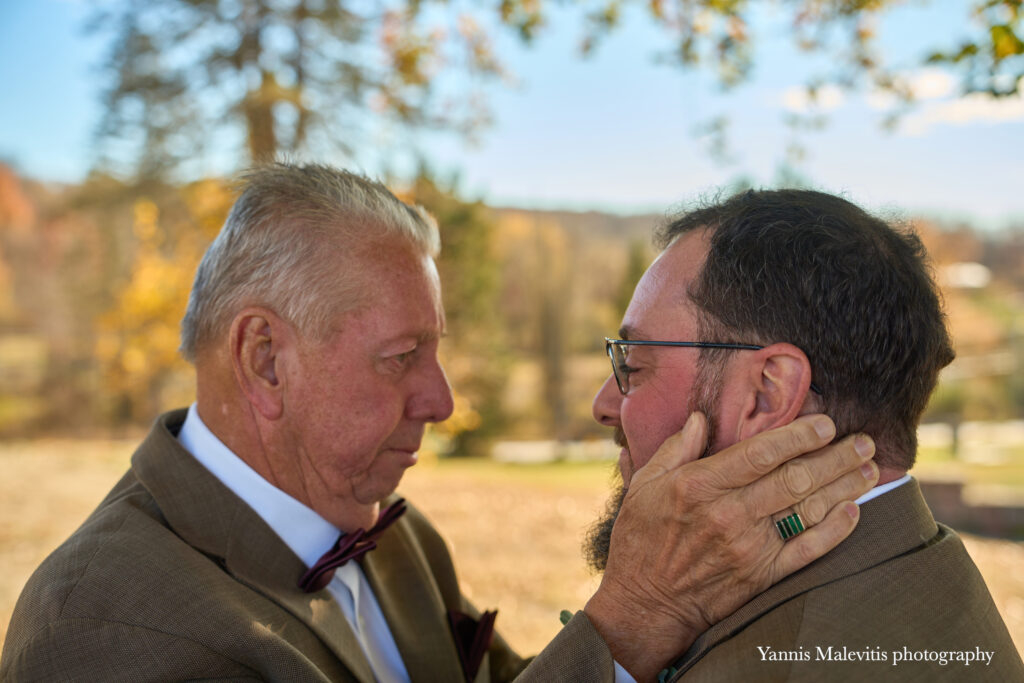
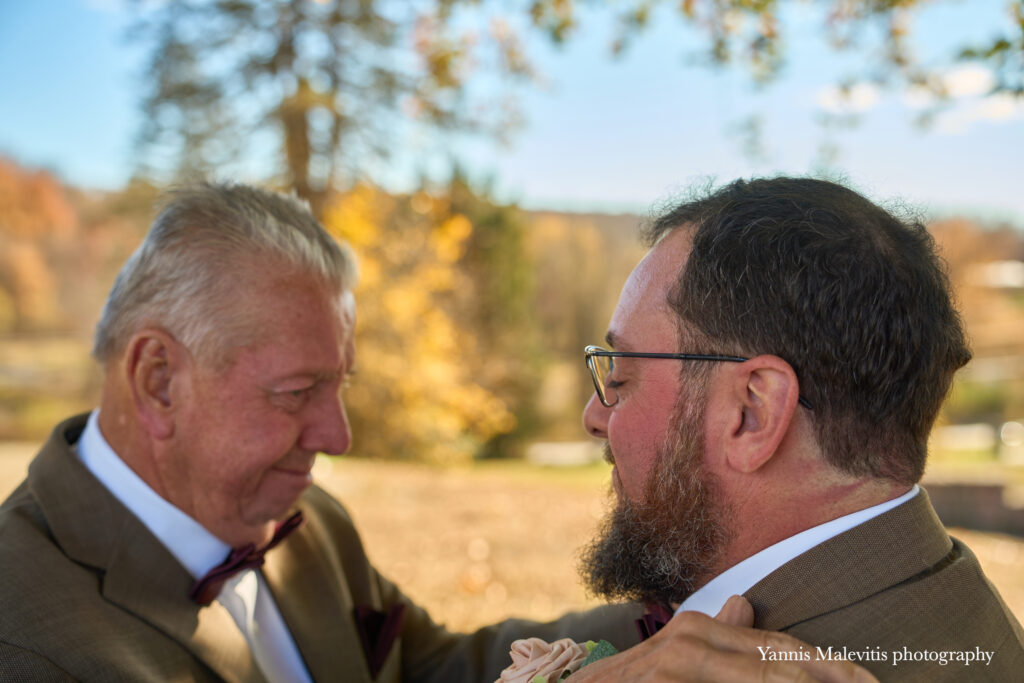
    Jordan’s father quietly stepped toward his son and embraced him.

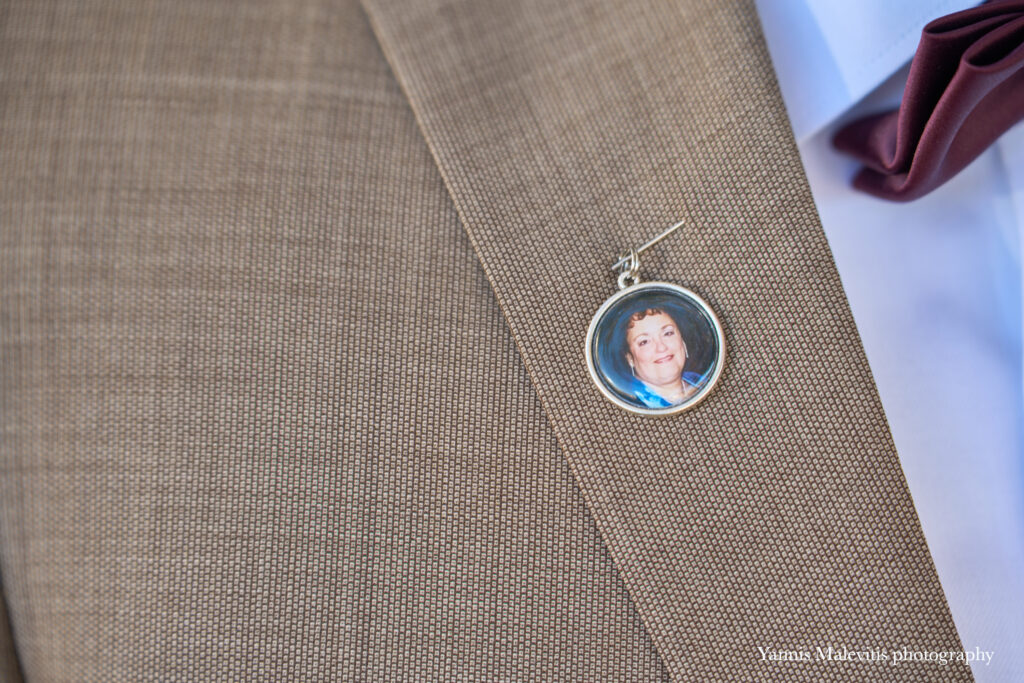
    His wife had passed away several years earlier, and in that moment both father and son were reminded of the person who should have been standing beside them.

    The embrace lasted only a few seconds.

    Yet it revealed the deeper emotional story of the day.

    As photographers, we often prepare ourselves for the expected moments.

    The challenge is recognizing when a more meaningful story quietly unfolds beside them.


    The First Look

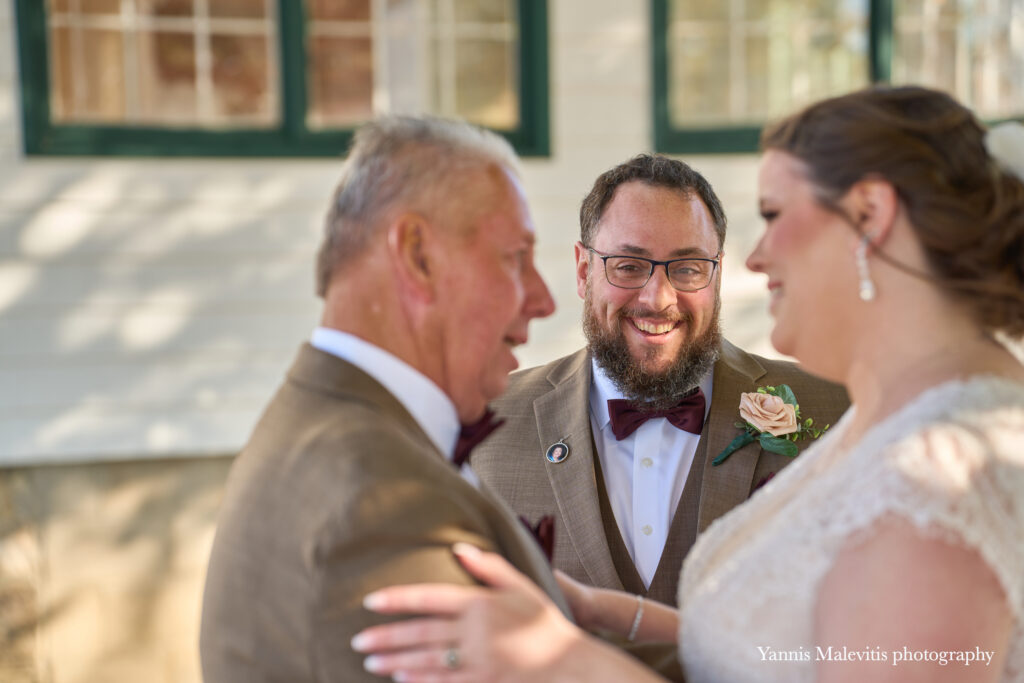
    A few moments later, Colleen approached and gently touched Jordan’s shoulder.

    He turned around and the couple shared their first look together.

    The joy of finally seeing one another was made even more meaningful because it followed such a deeply personal family moment.

    Soon afterward, Jordan’s father joined the couple, and the three shared a quiet conversation that naturally completed the story.


    Why I Love First Looks

    Many people think of a first look simply as a beautiful portrait opportunity.

    I see it differently.

    It creates space.

    Space for anticipation.

    Space for emotion.

    Space for unexpected moments.

    Because the schedule slows down for a few minutes, families often forget the camera is present.

    Those are the moments I quietly look for.


    My Documentary Approach

    A wedding day follows a timeline.

    Real emotion rarely does.

    Rather than directing every interaction, I prefer to observe what naturally develops between family members, friends, and the couple.

    Sometimes the photograph everyone expects becomes memorable.

    Other times, the most meaningful image is one that no one planned.

    Those are the moments I hope families will treasure for decades.


    Frequently Asked Questions

    Should we have a first look before the ceremony?

    Every couple is different. Some prefer seeing one another for the first time during the ceremony, while others appreciate sharing a quiet moment together beforehand. There is no right or wrong choice—it depends on what feels most meaningful to you.


    Does a first look reduce the emotion of the ceremony?

    In my experience, no.

    Many couples become more relaxed after seeing each other, allowing them to be fully present during the ceremony while still experiencing genuine emotion when they walk down the aisle.


    Should parents be present during a first look?

    Some couples prefer complete privacy, while others invite parents or close family members to witness the moment. Every wedding is different, and the best choice depends on the relationships that matter most to you.

    How much time should we allow for a wedding first look?

    I usually recommend allowing 20 to 30 minutes for the first look itself, with additional time if you plan to include portraits of the two of you afterward. A relaxed schedule allows you to enjoy the moment without feeling rushed and often creates opportunities for genuine, unplanned interactions.

    If you’re deciding how a first look fits into your day, I recommend reading my article on creating a wedding timeline that keeps your celebration relaxed and enjoyable.


    Can we include private vows, portraits, or family photographs after the first look?

    Absolutely. Many couples choose to exchange private vows immediately after the first look while they have a quiet moment together. Others continue with portraits or include parents and immediate family before the ceremony.

    There is no single approach that works for every wedding. The best timeline is the one that reflects your priorities and allows you to remain fully present throughout the day.


    Final Thoughts

    The most memorable wedding photographs are rarely the result of careful planning alone.

    They are often created when genuine emotion quietly unfolds between people who love one another.

    For me, this first look will always be remembered not only because the bride and groom saw each other, but because a father and son shared a deeply personal moment that reminded everyone of the love that remained present, even in someone’s absence.