Category: Orthodox Life

Traditions, churches, baptisms, and the enduring beauty of Greek Orthodox life.

  • Beyond the Ceremony: The Joy of a Greek Orthodox Christening Reception

    Beyond the Ceremony: The Joy of a Greek Orthodox Christening Reception

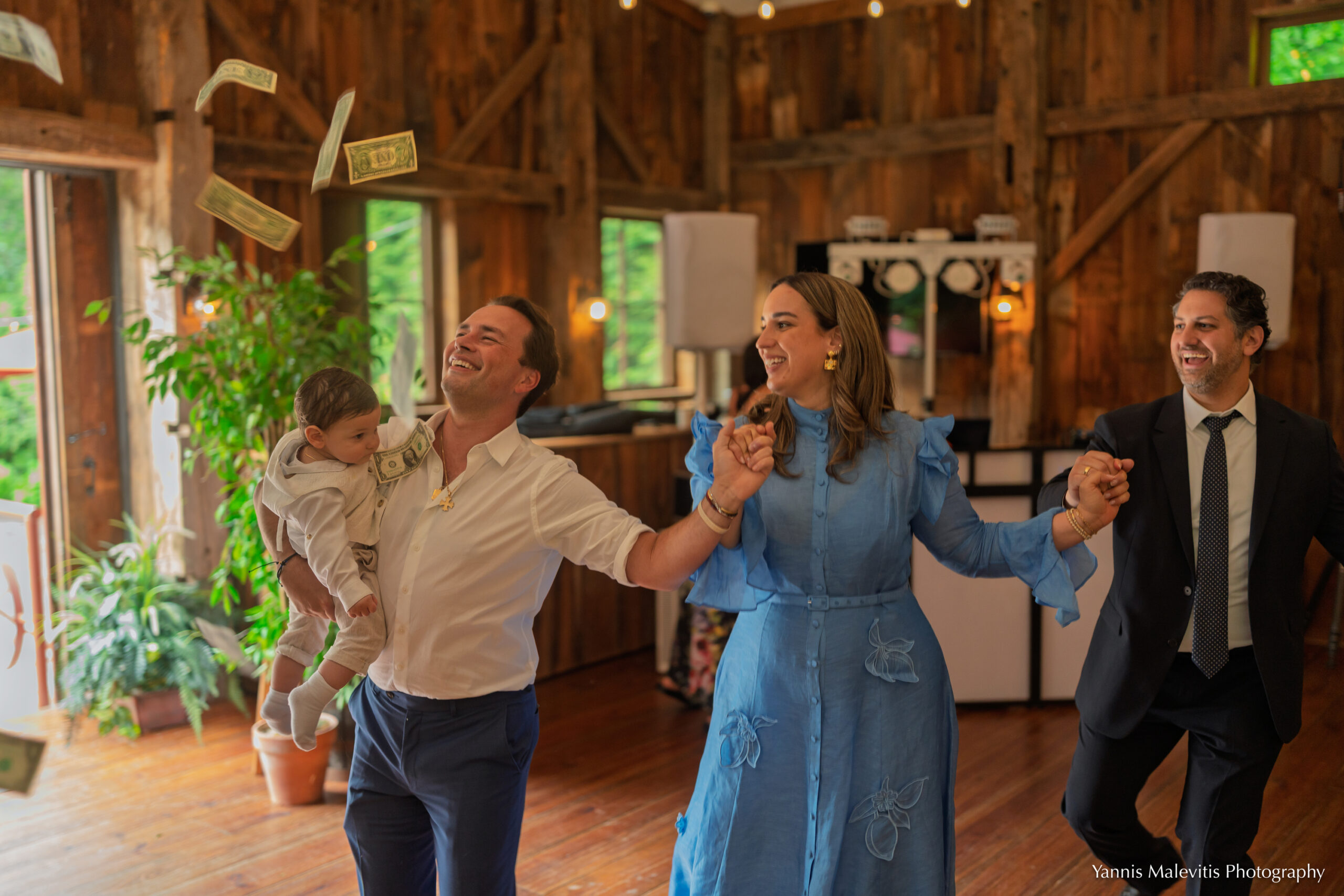
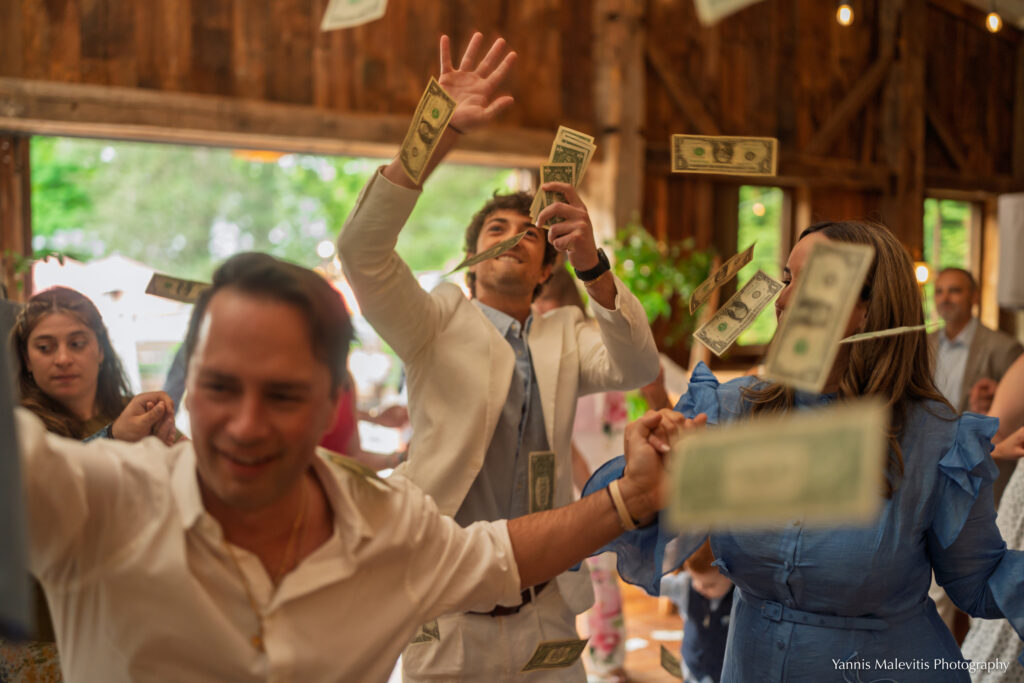
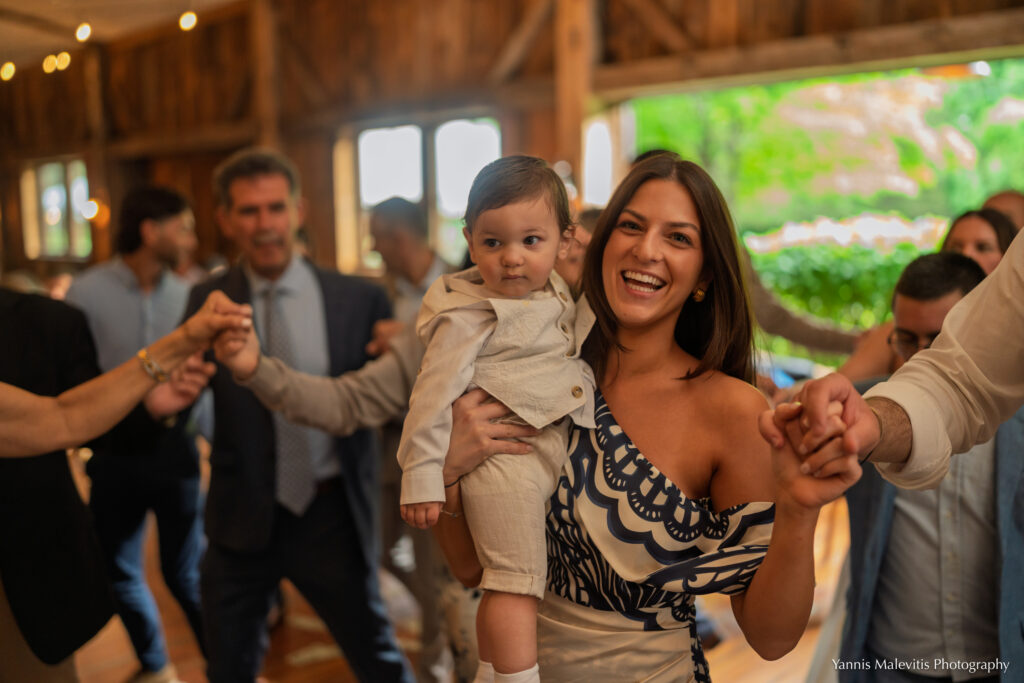
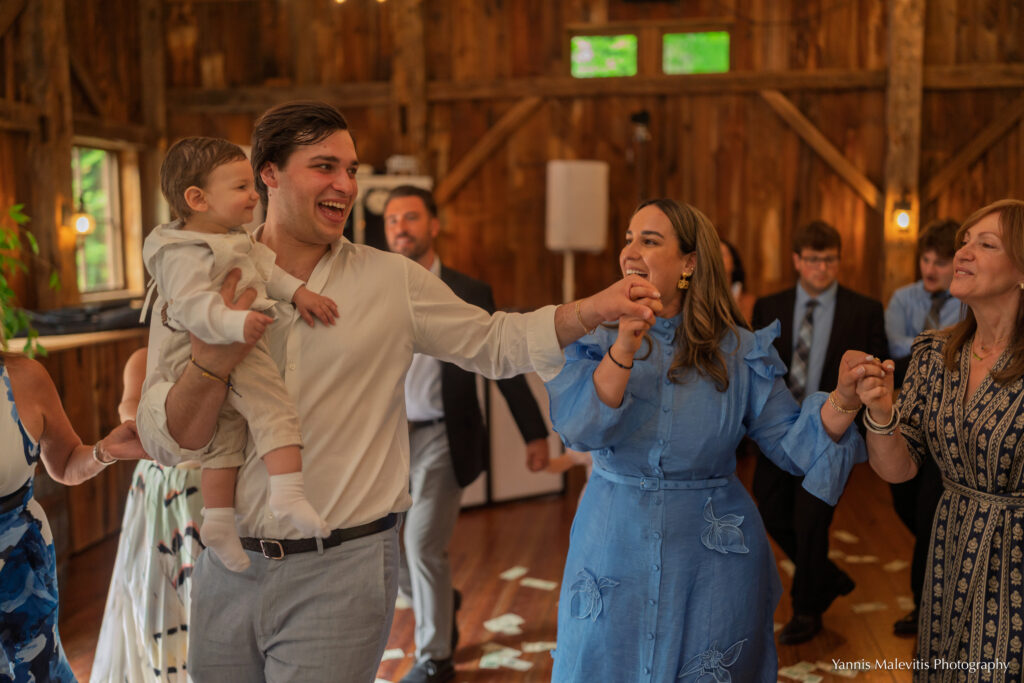
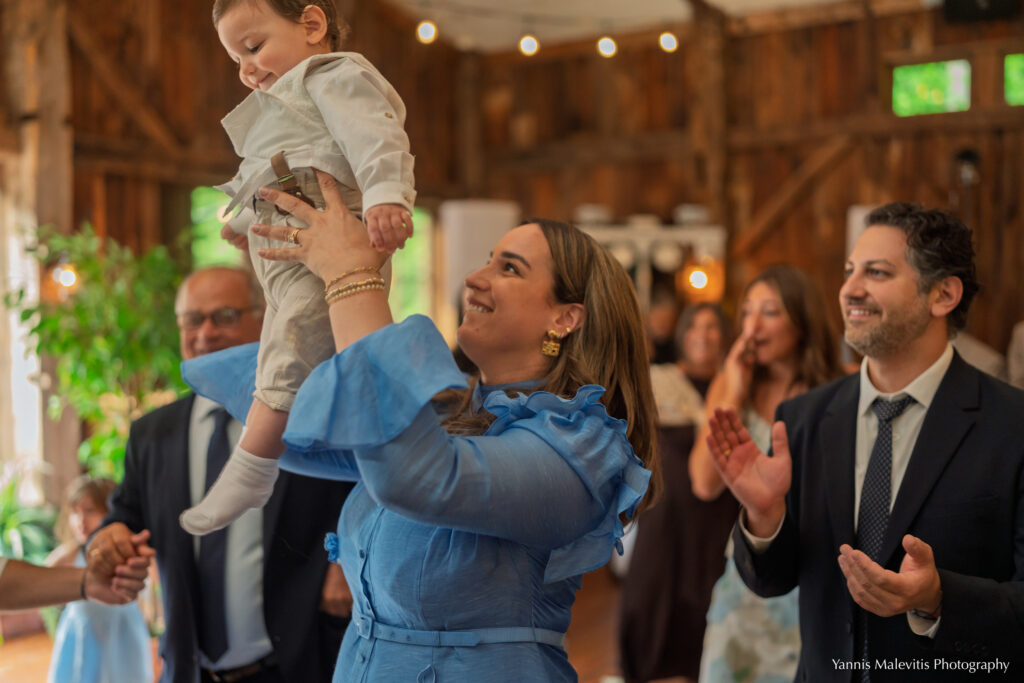
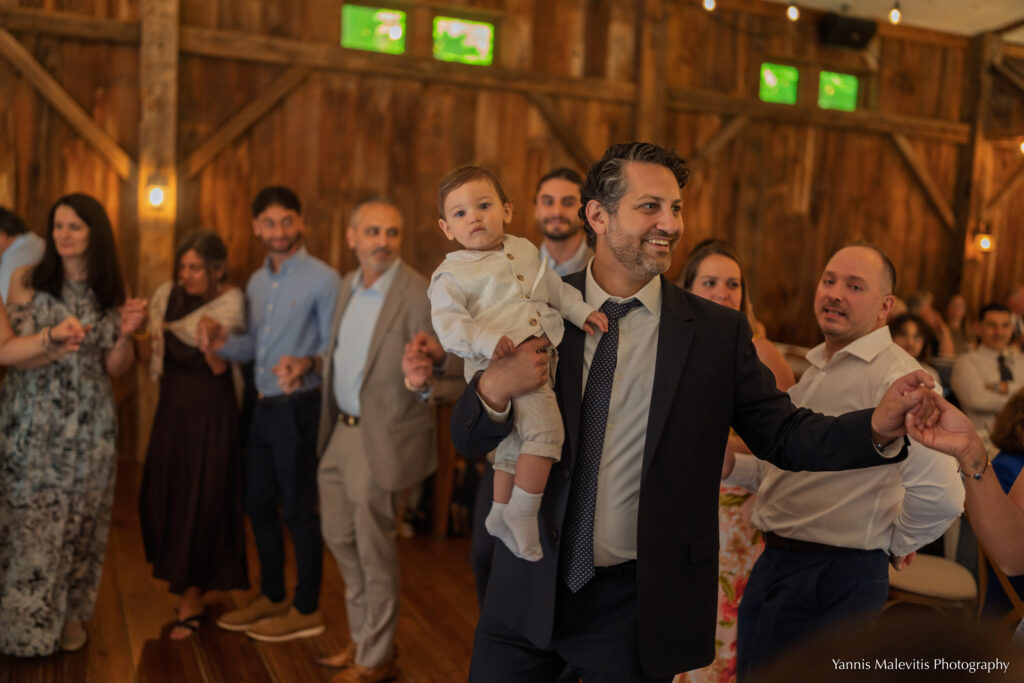
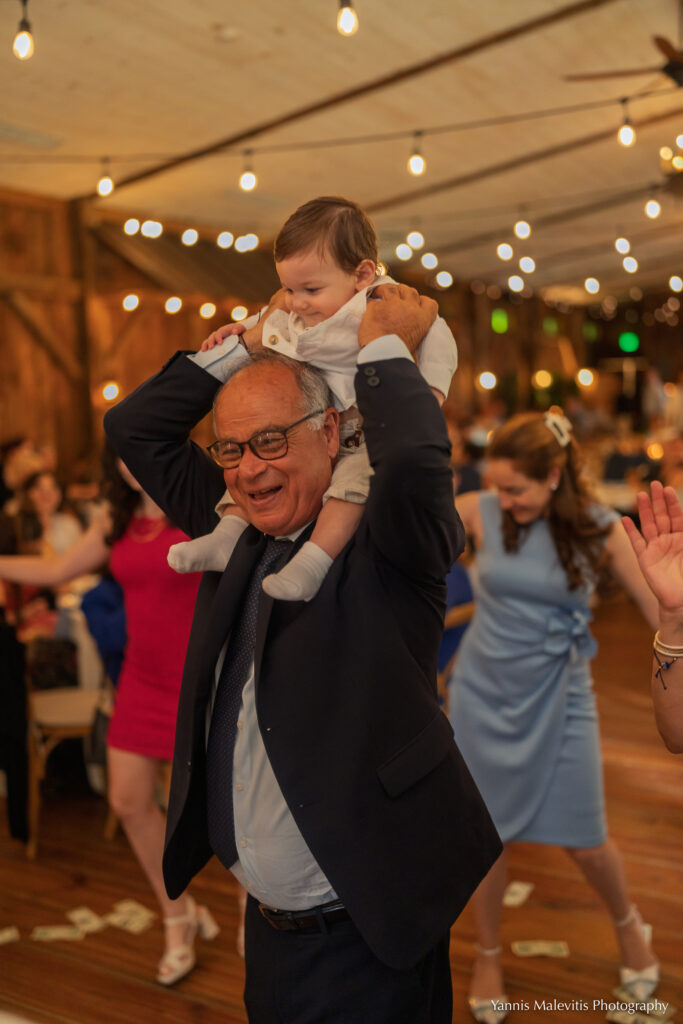
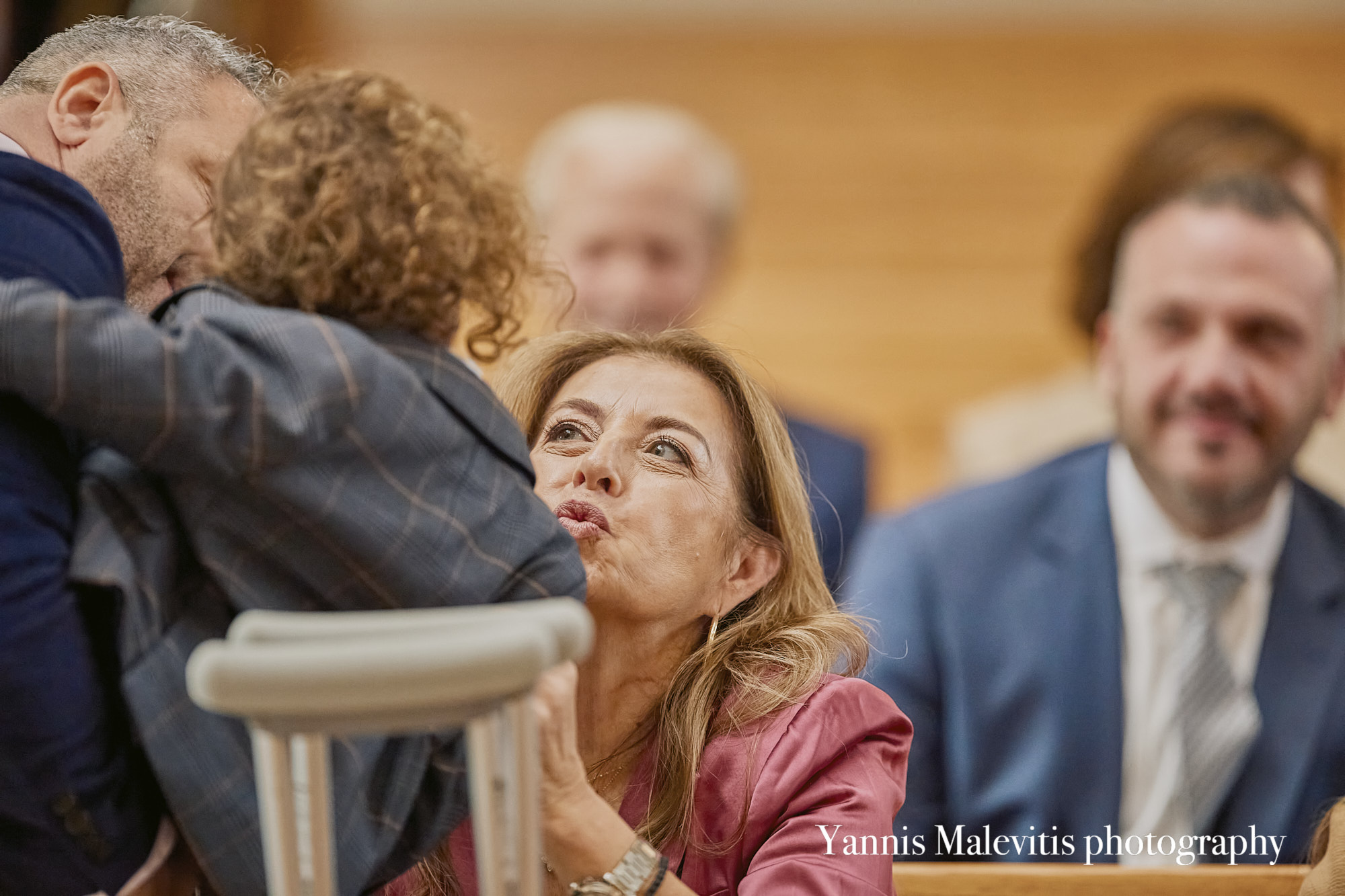
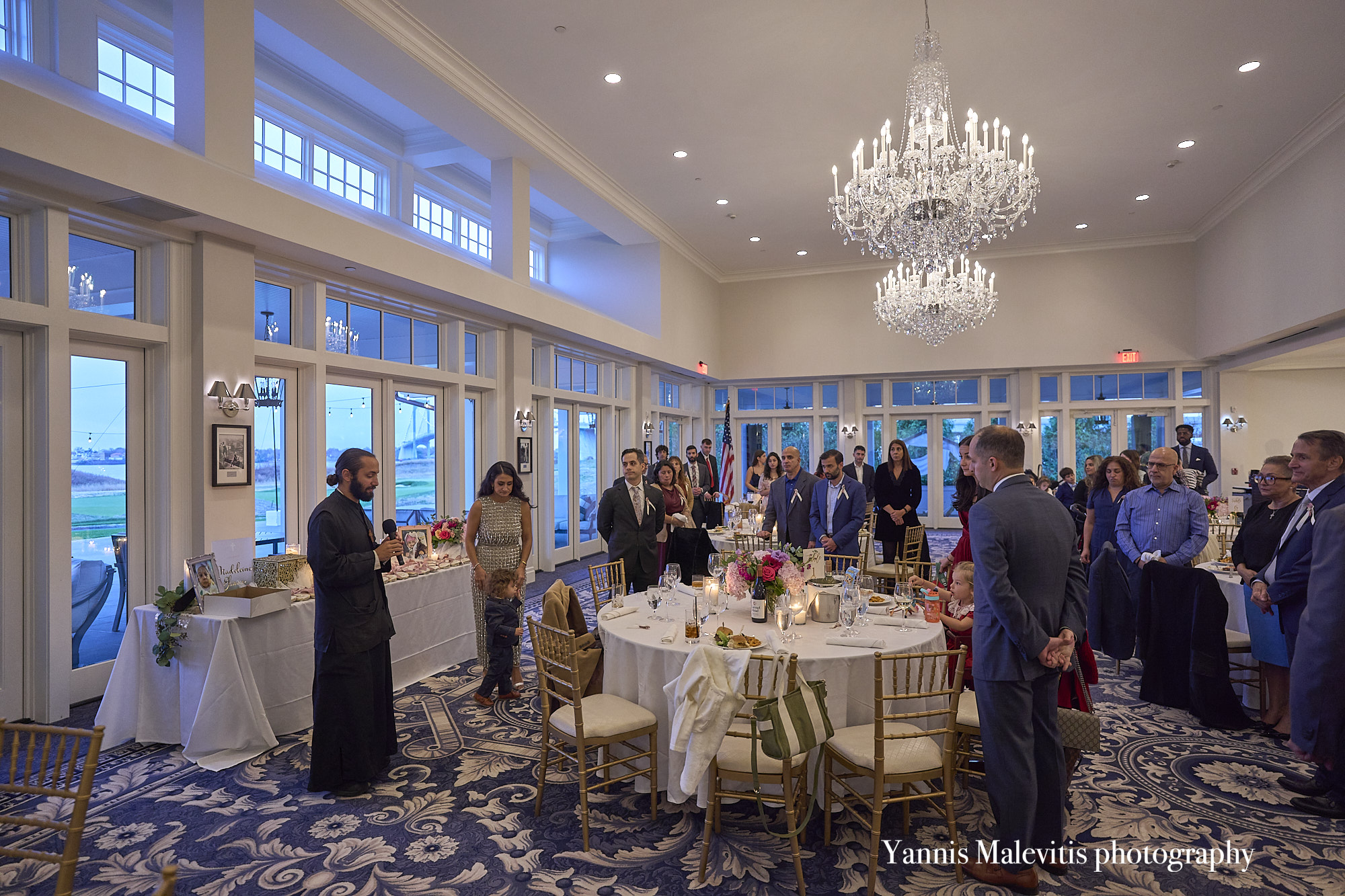
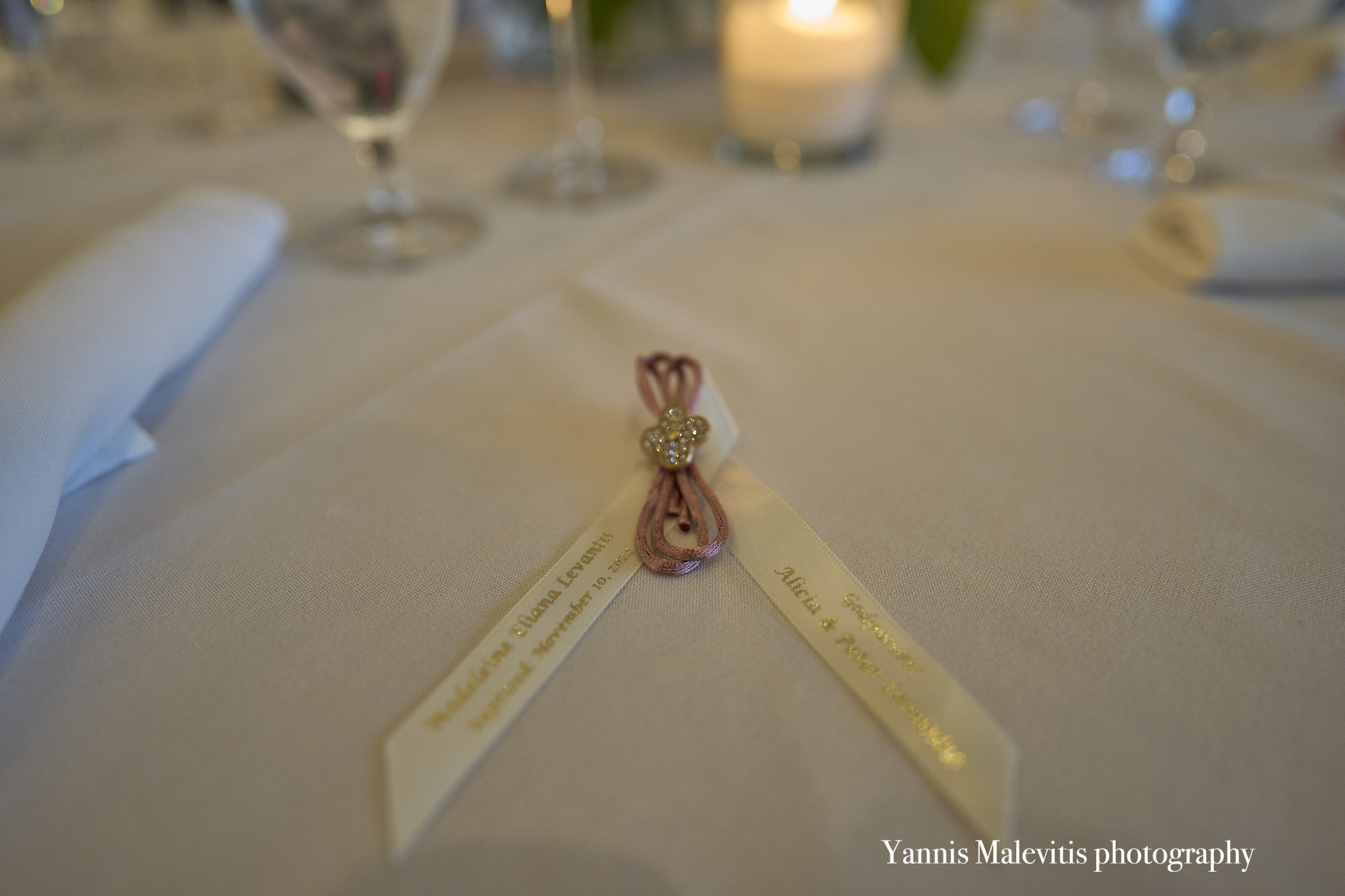
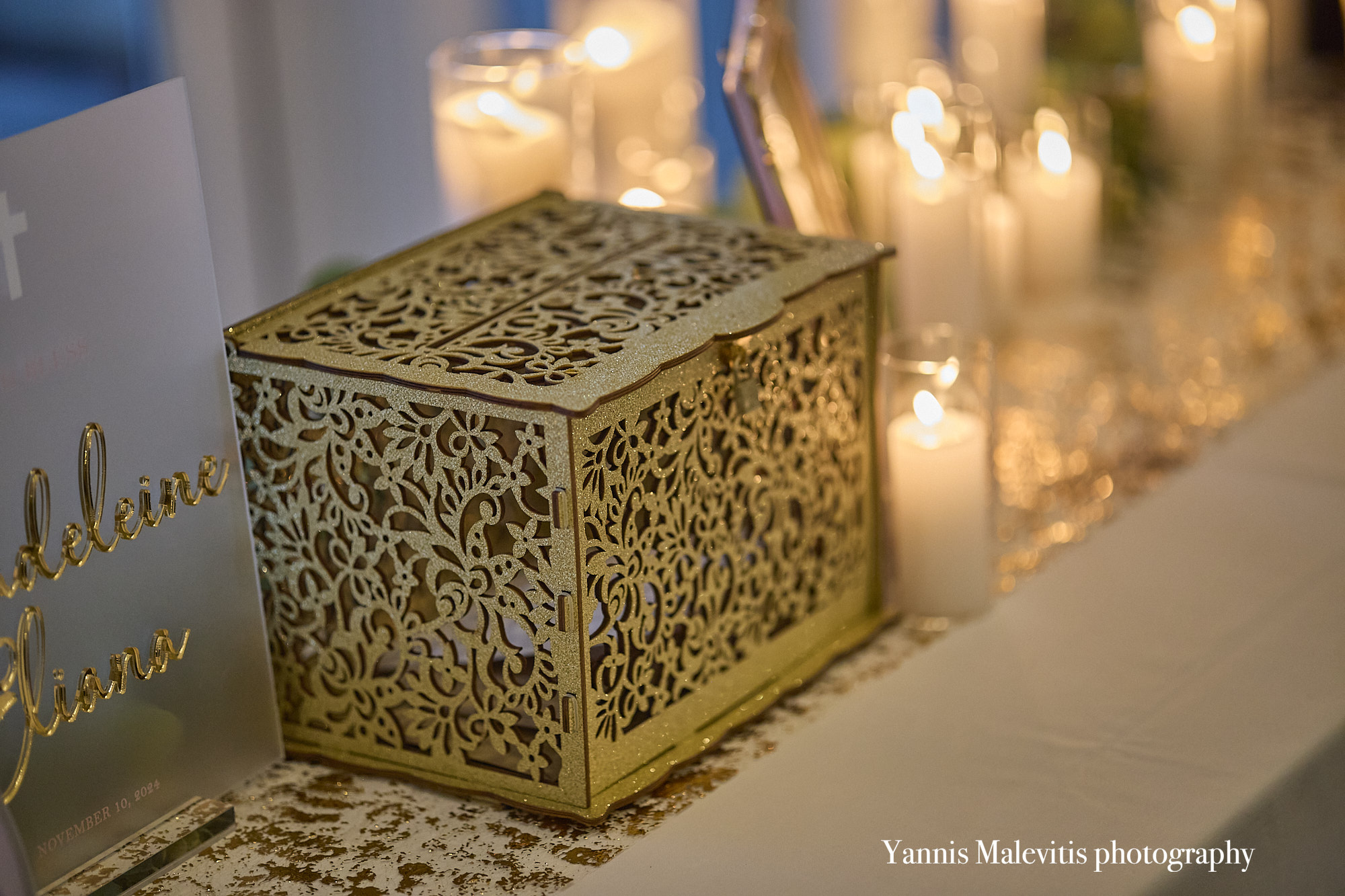
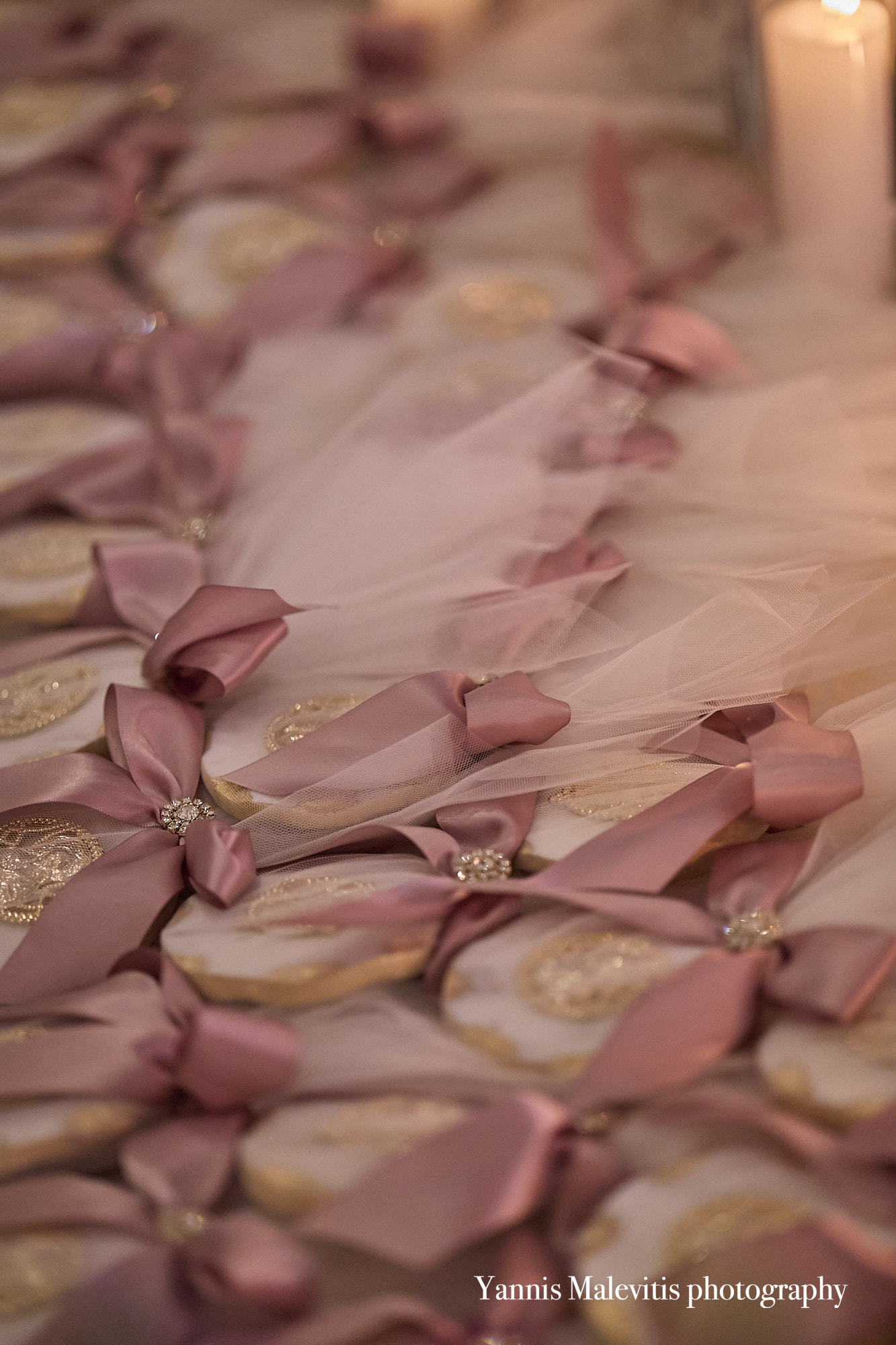
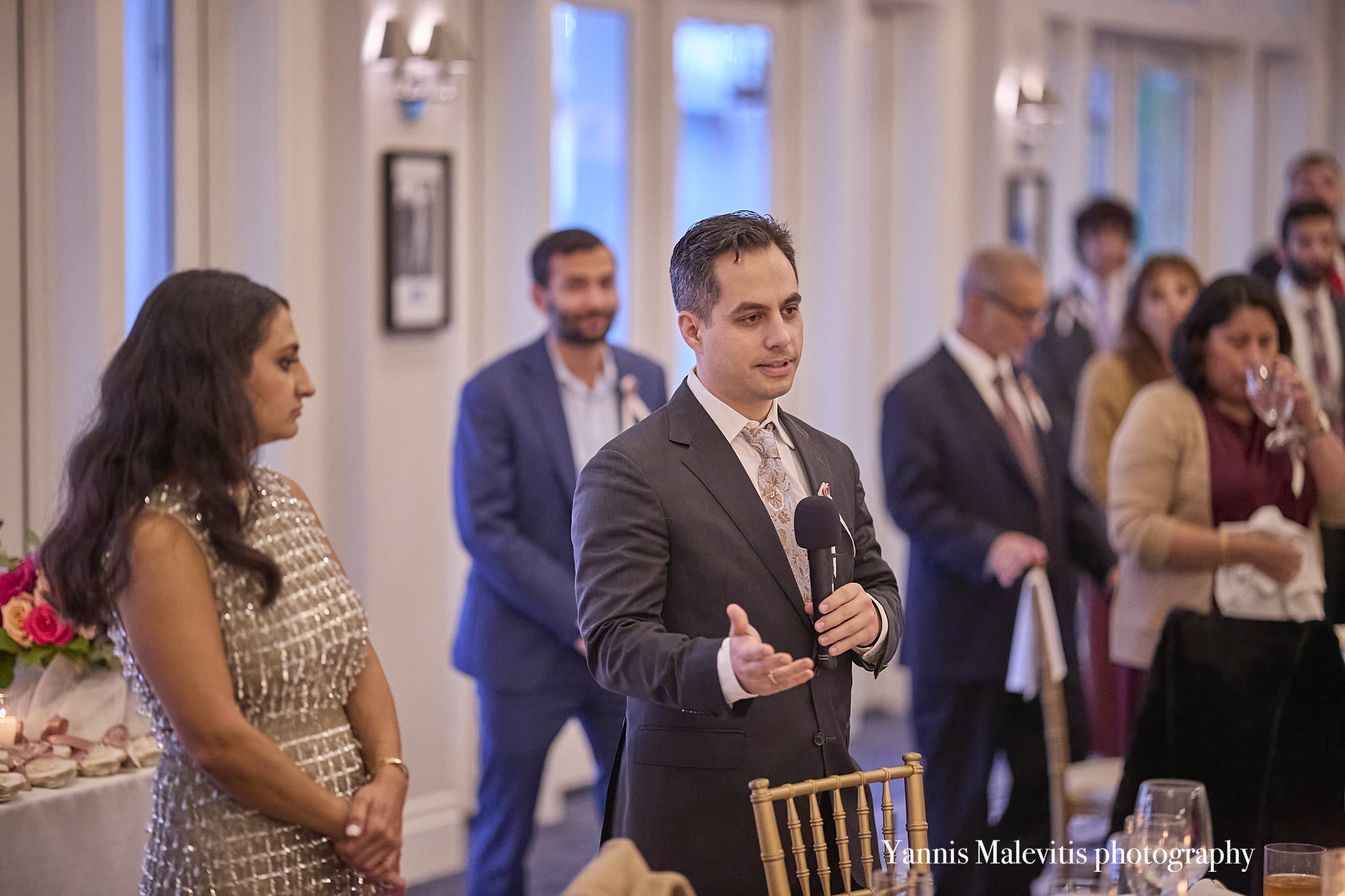
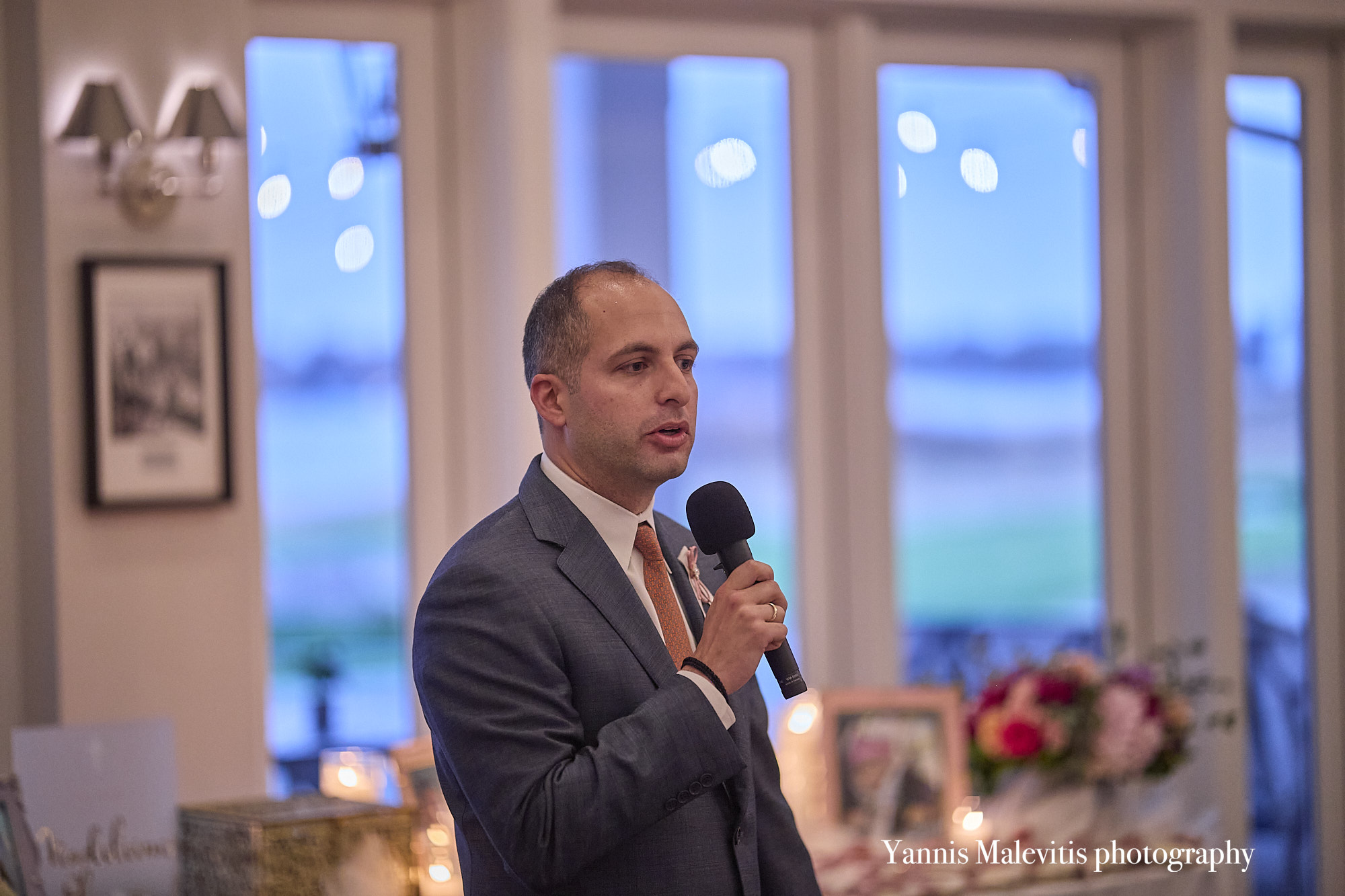
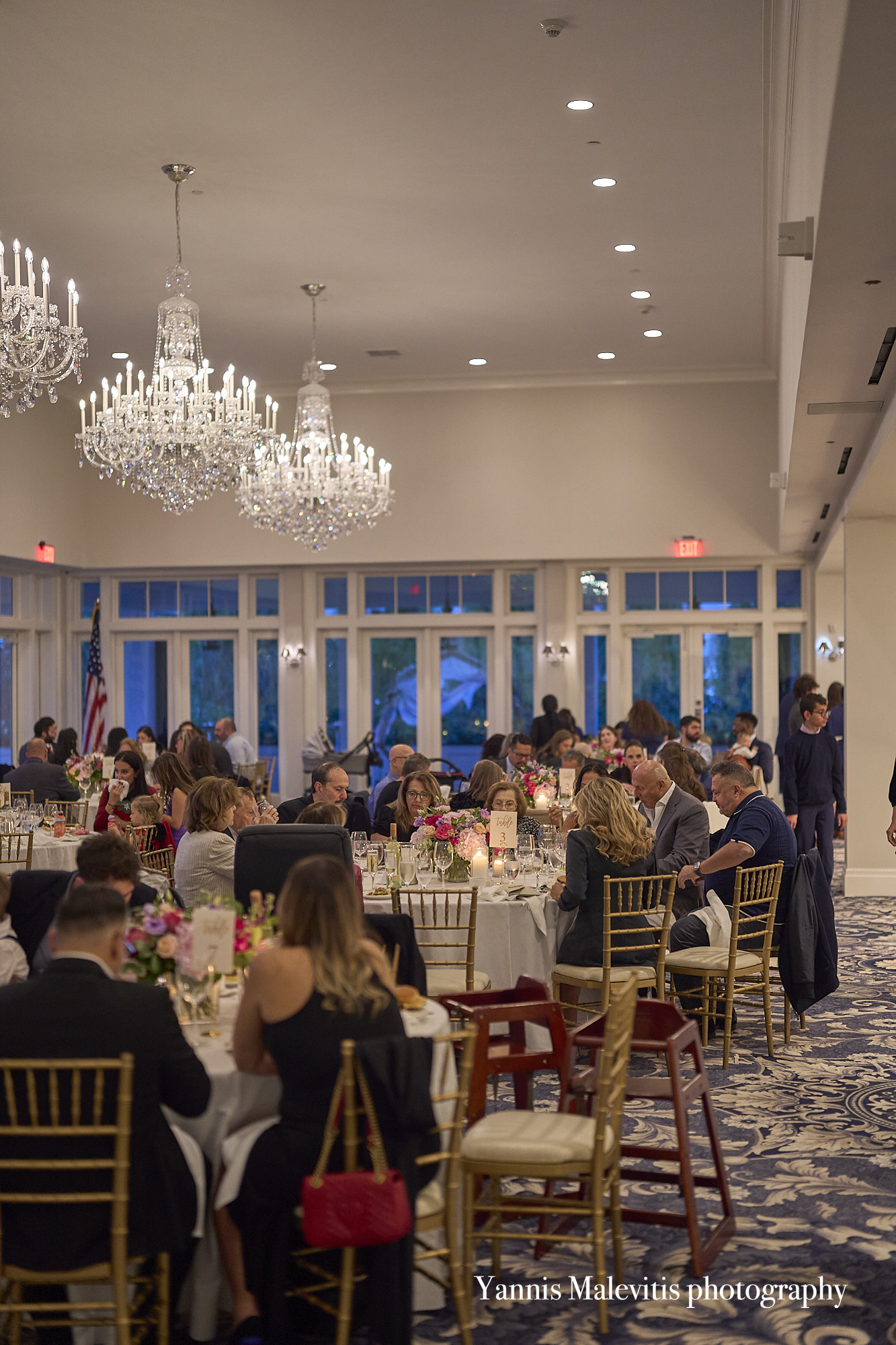
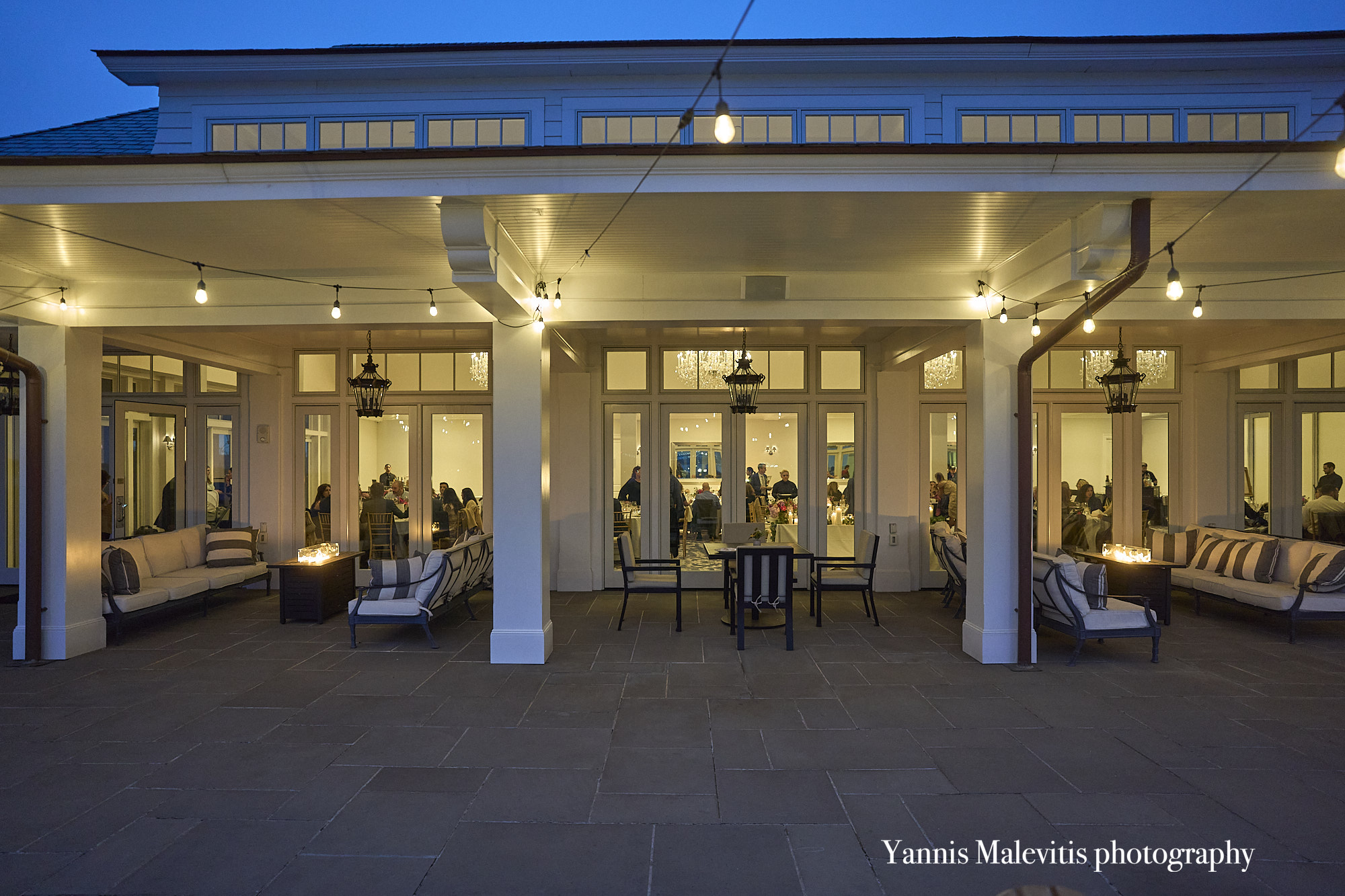
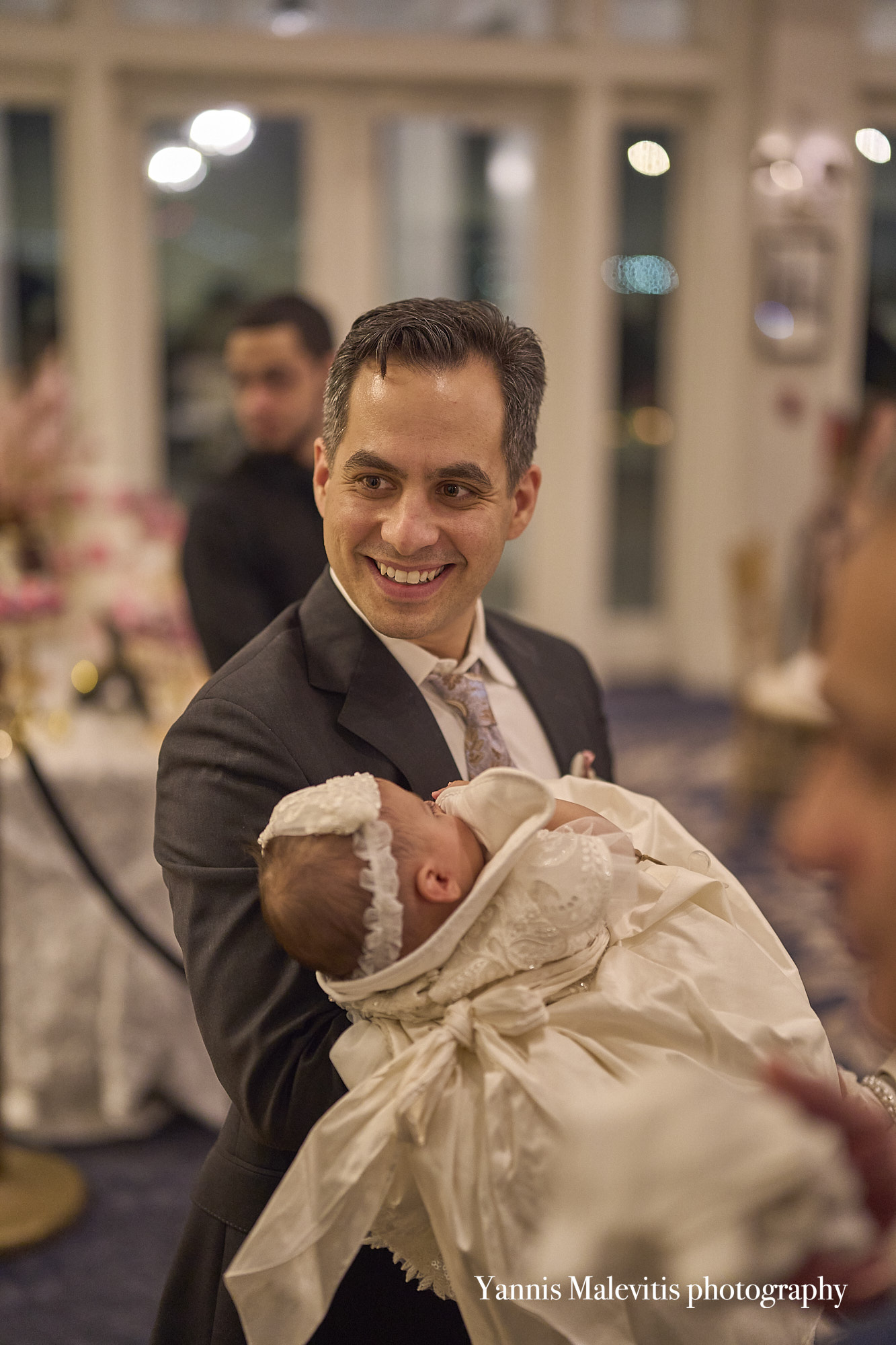
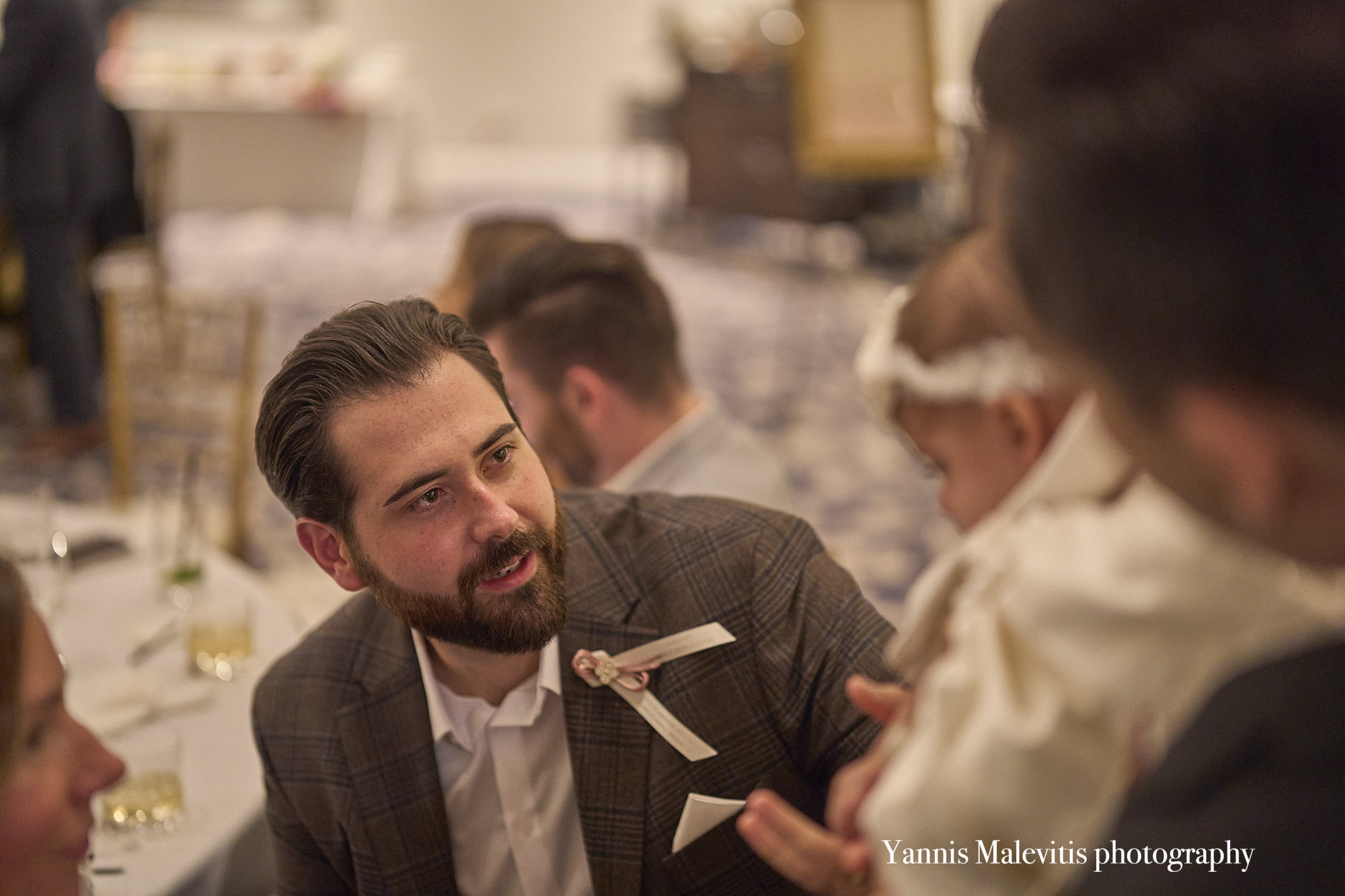
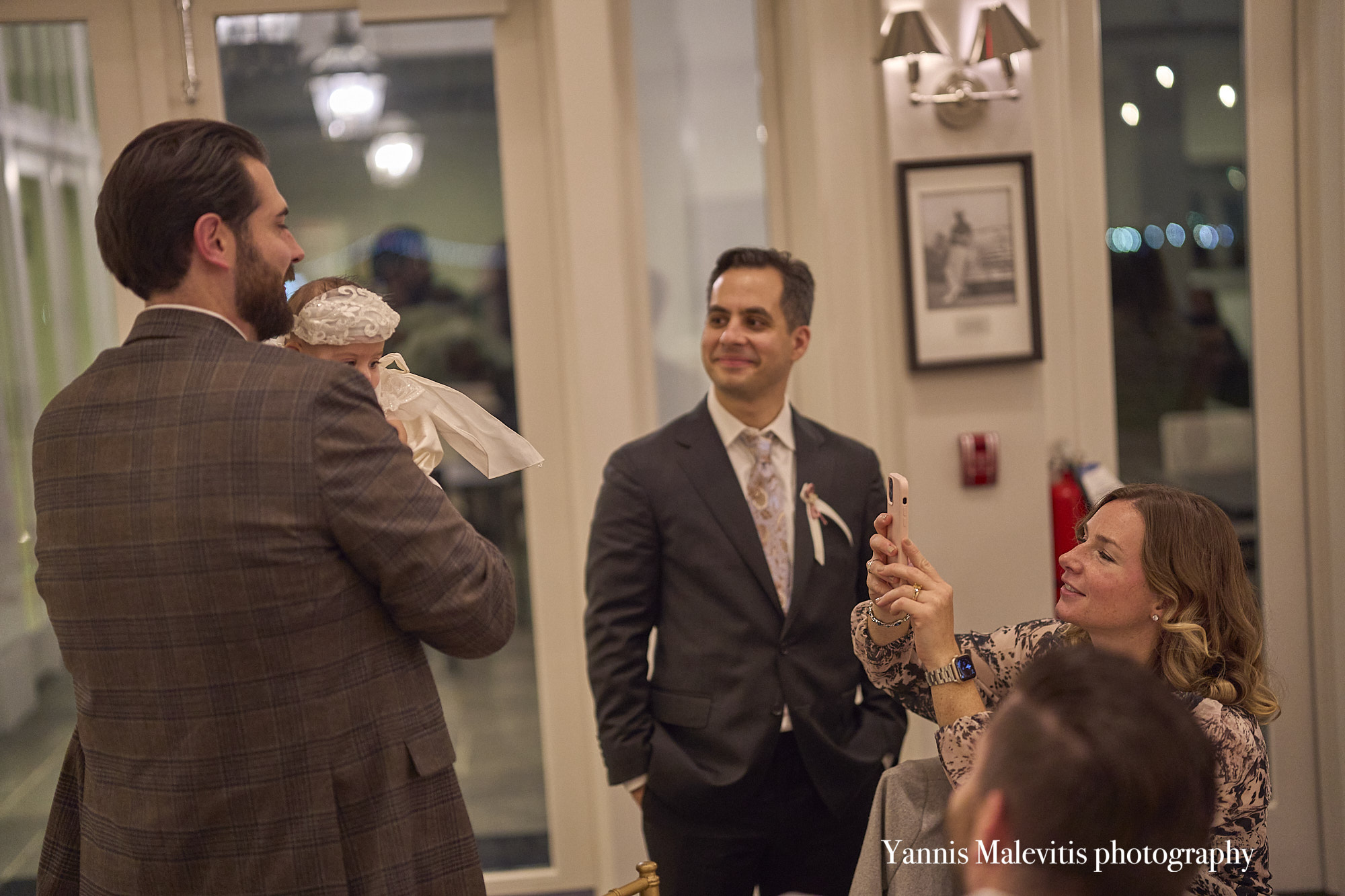
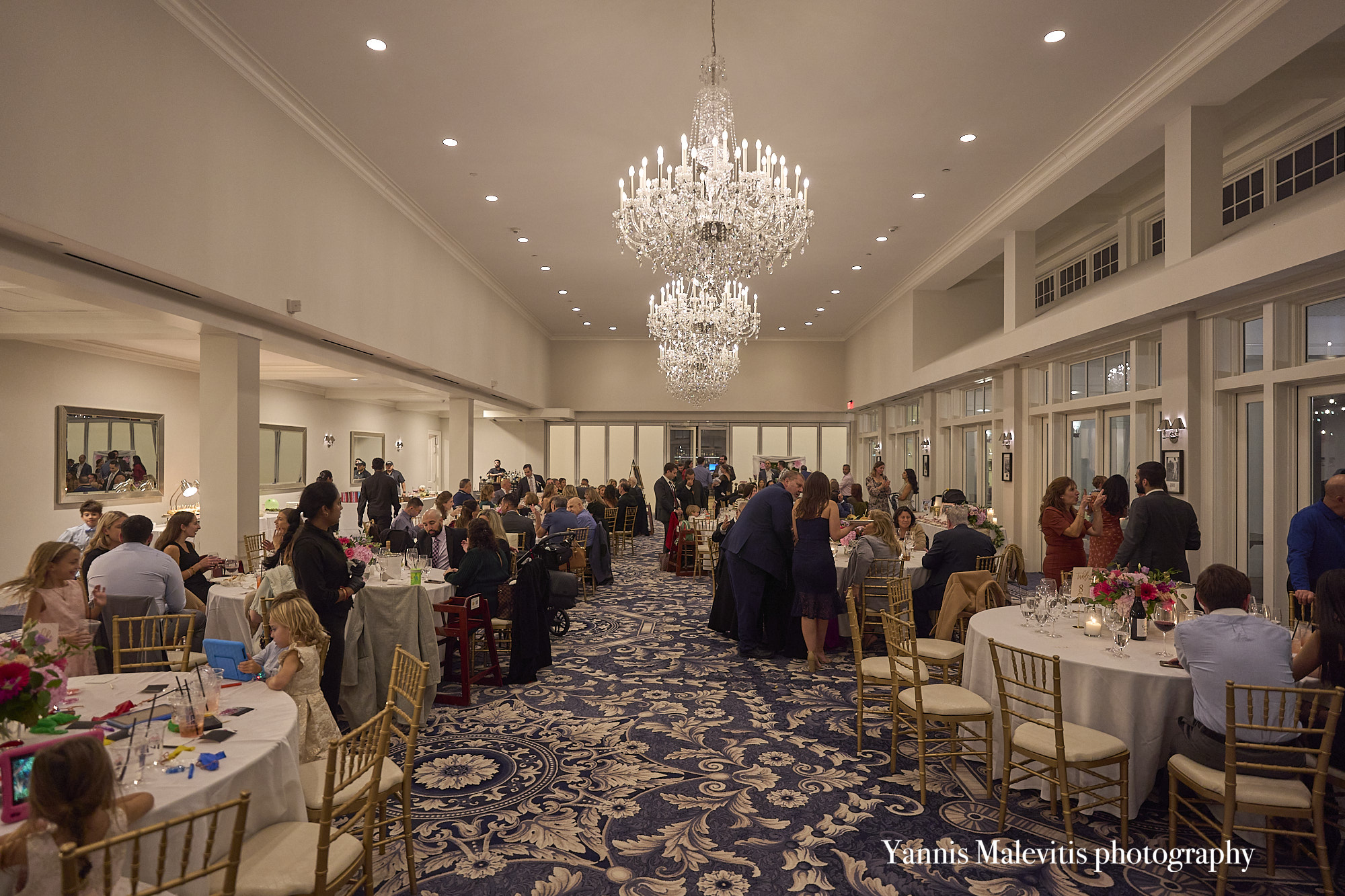
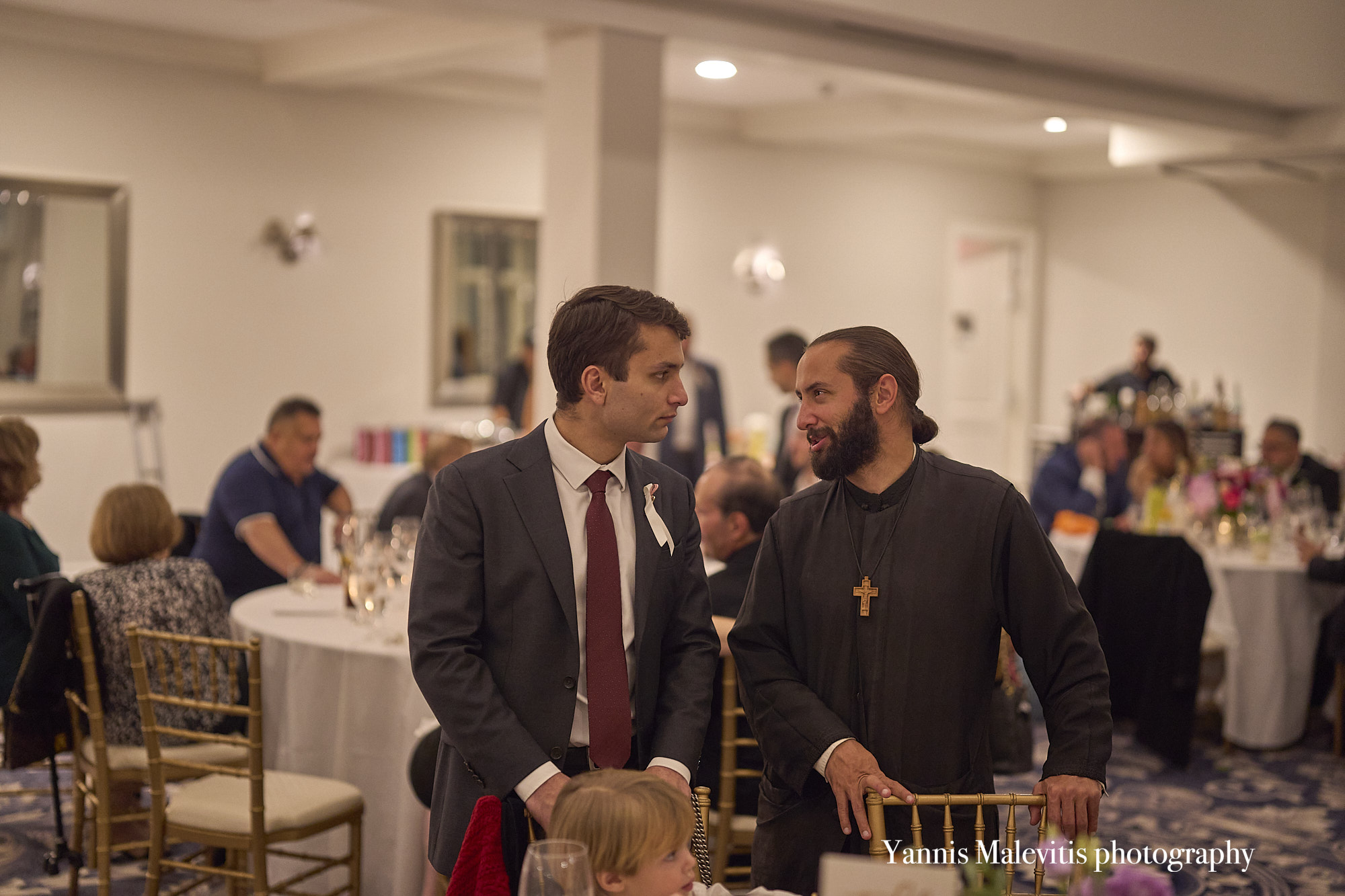
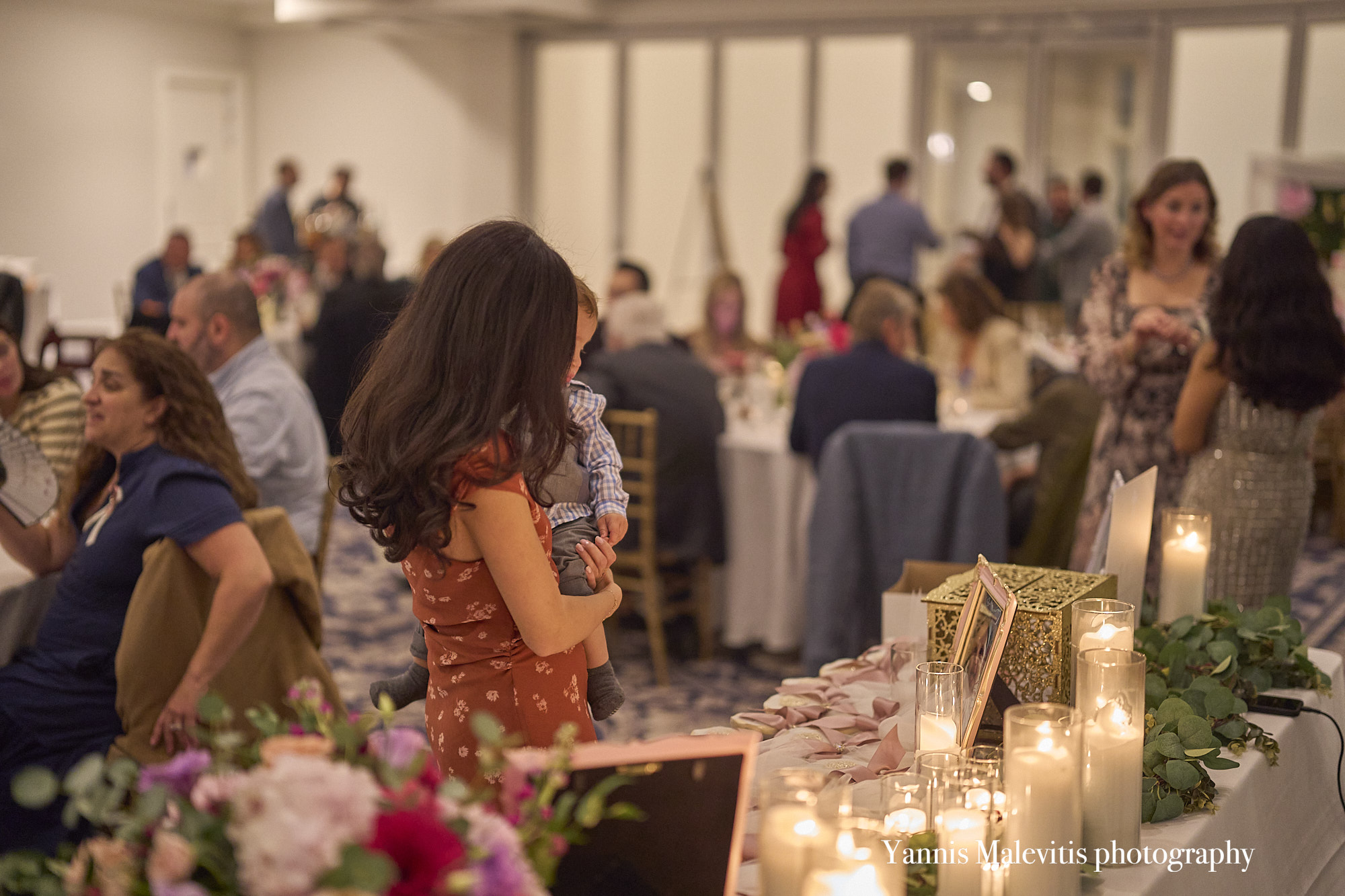
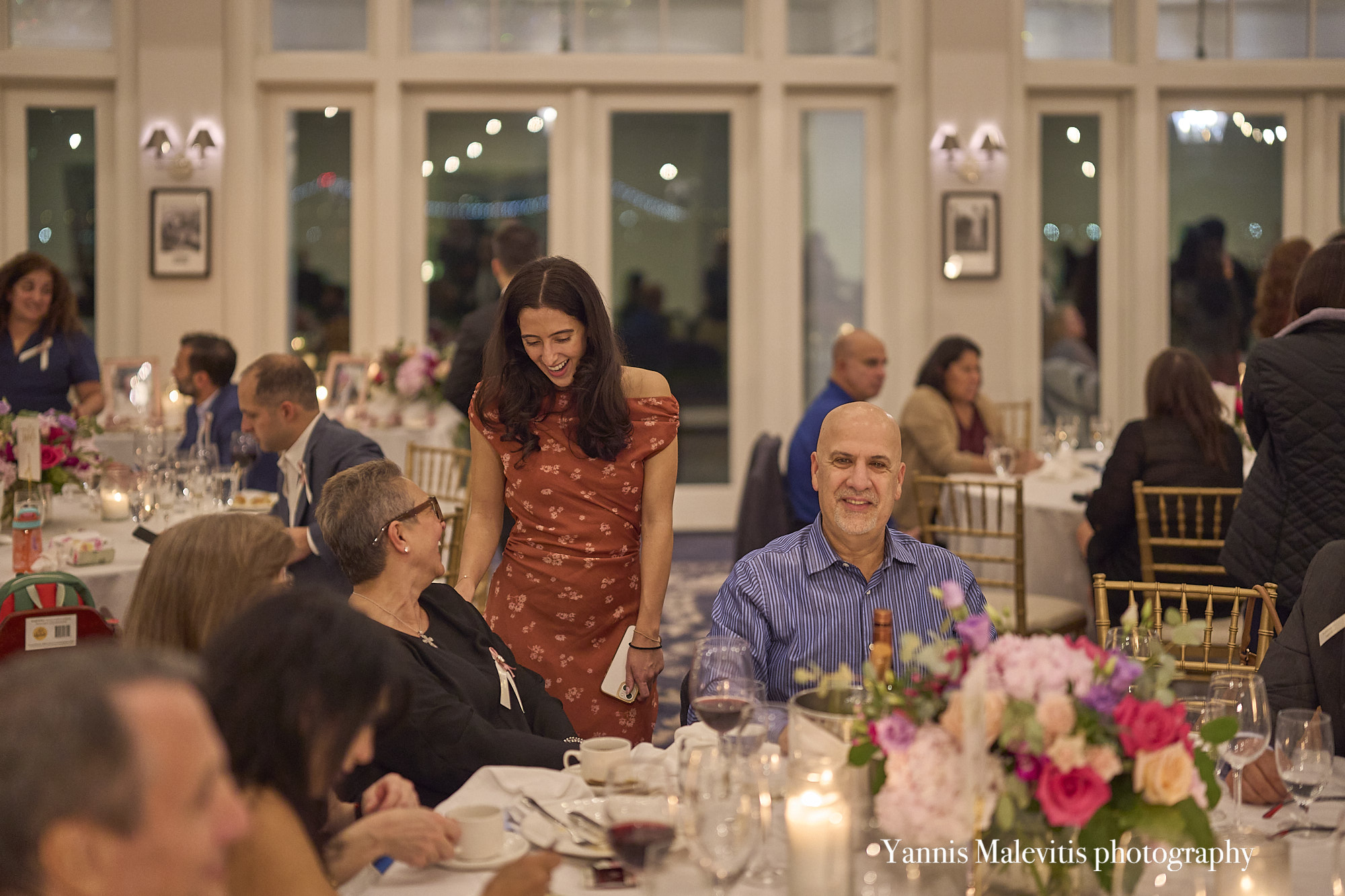
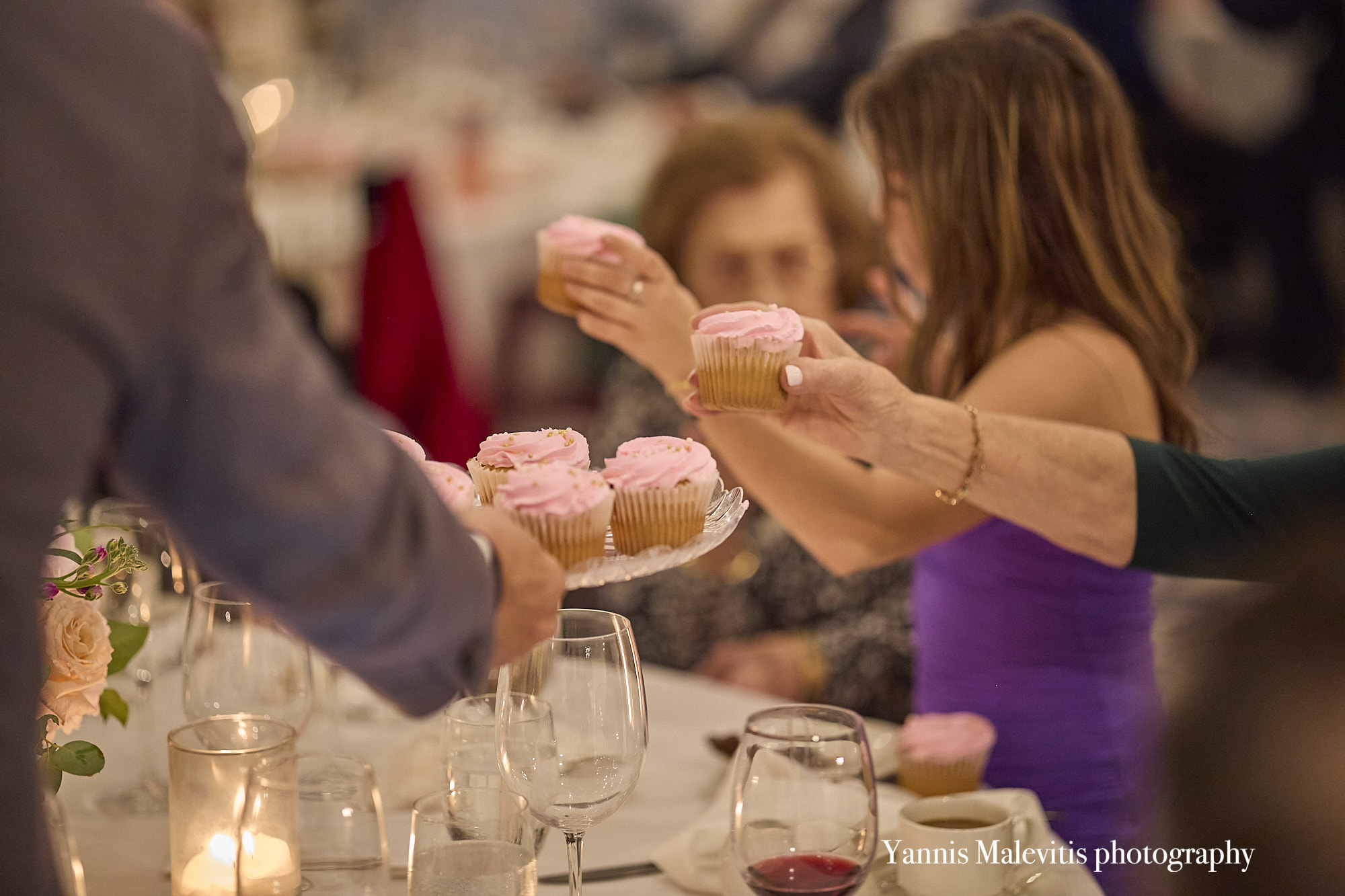
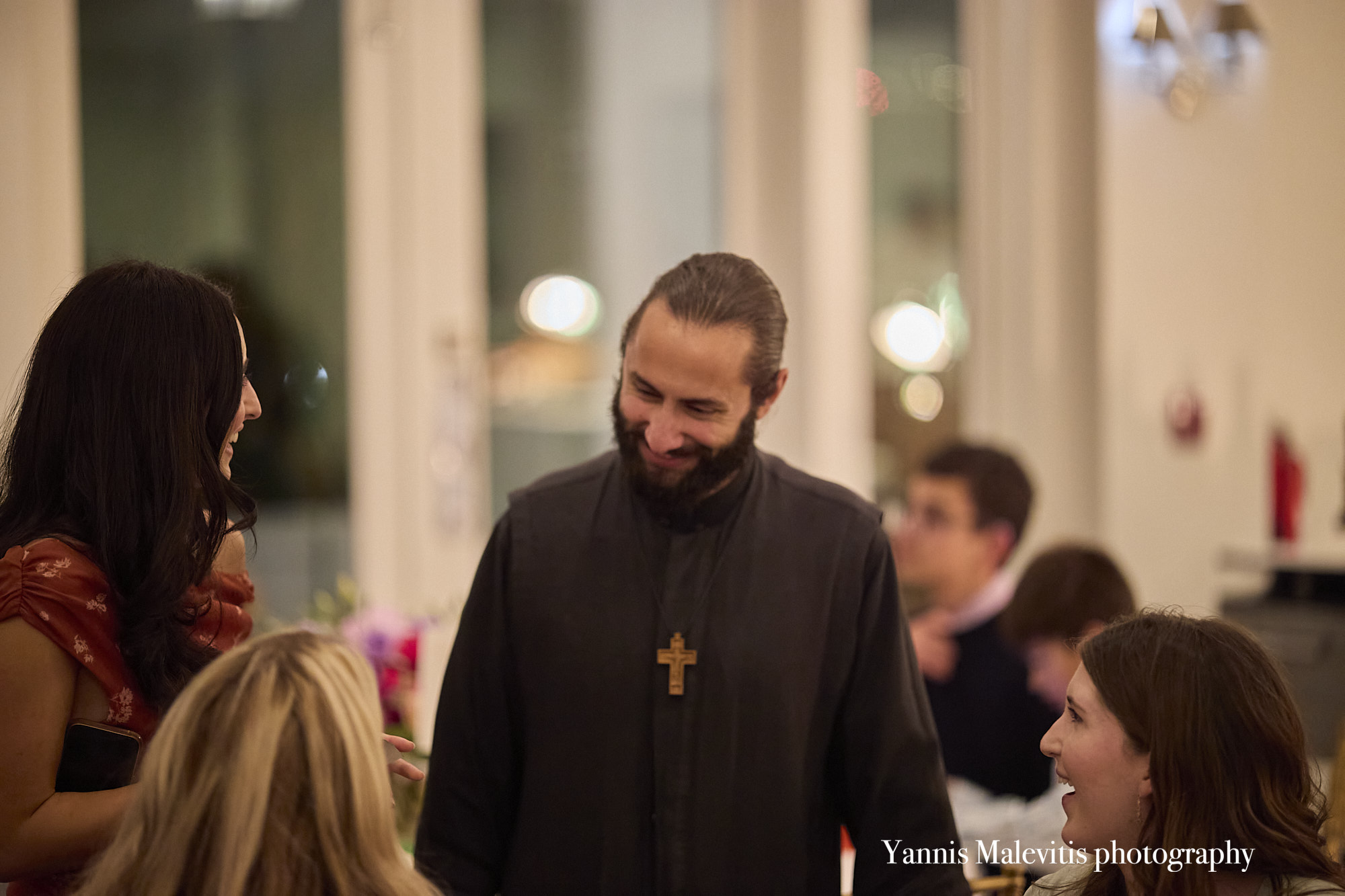
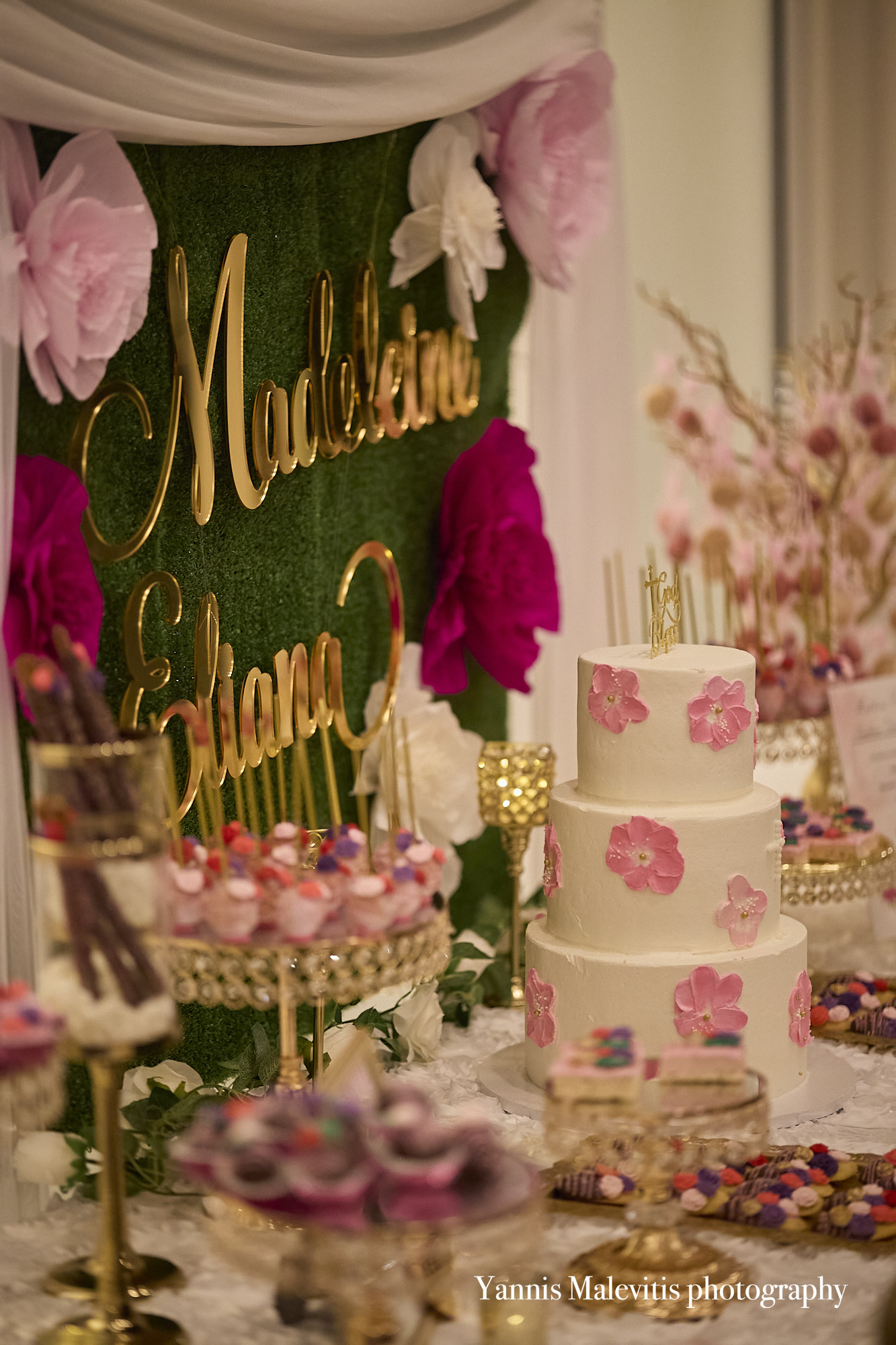
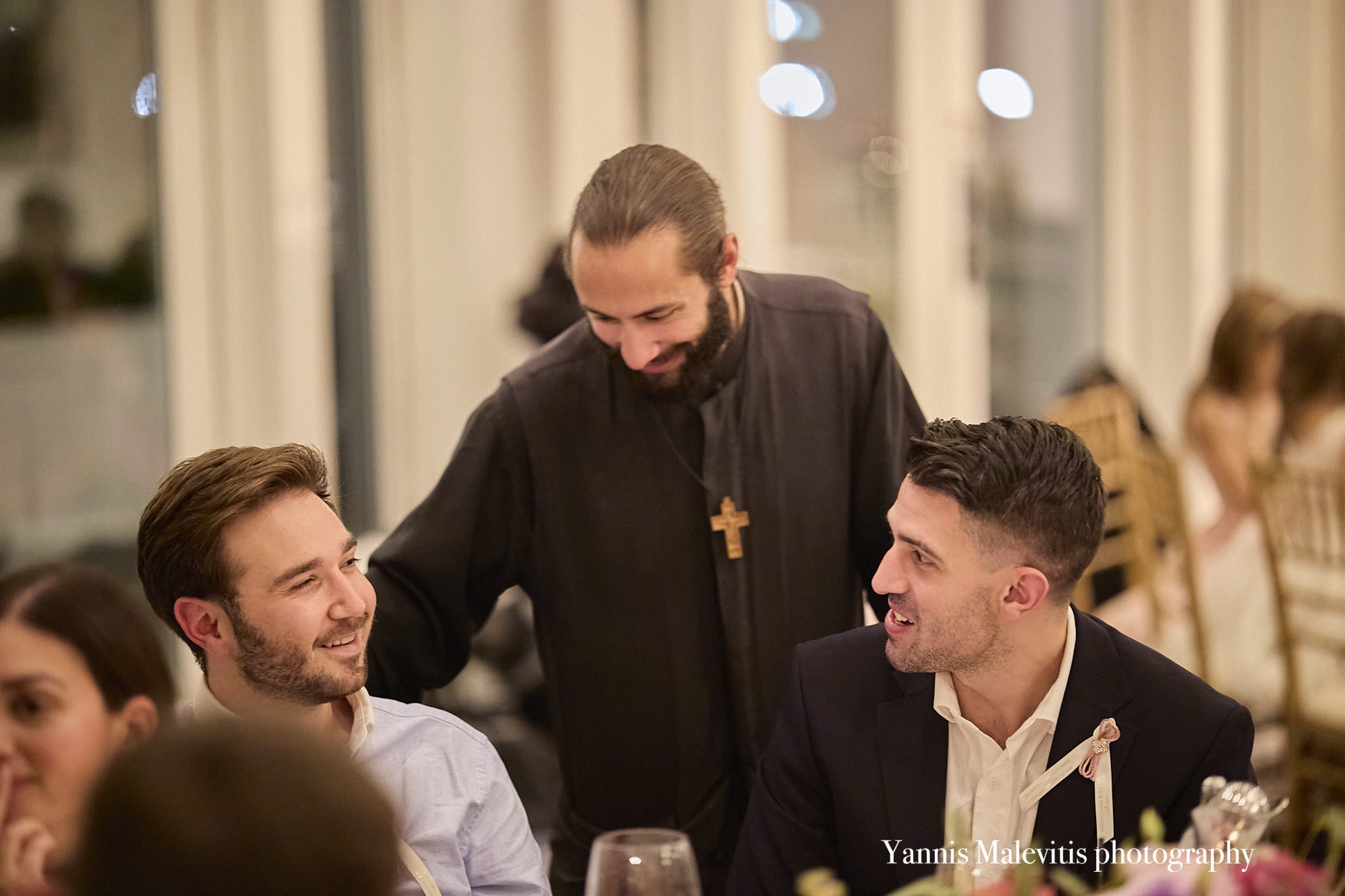
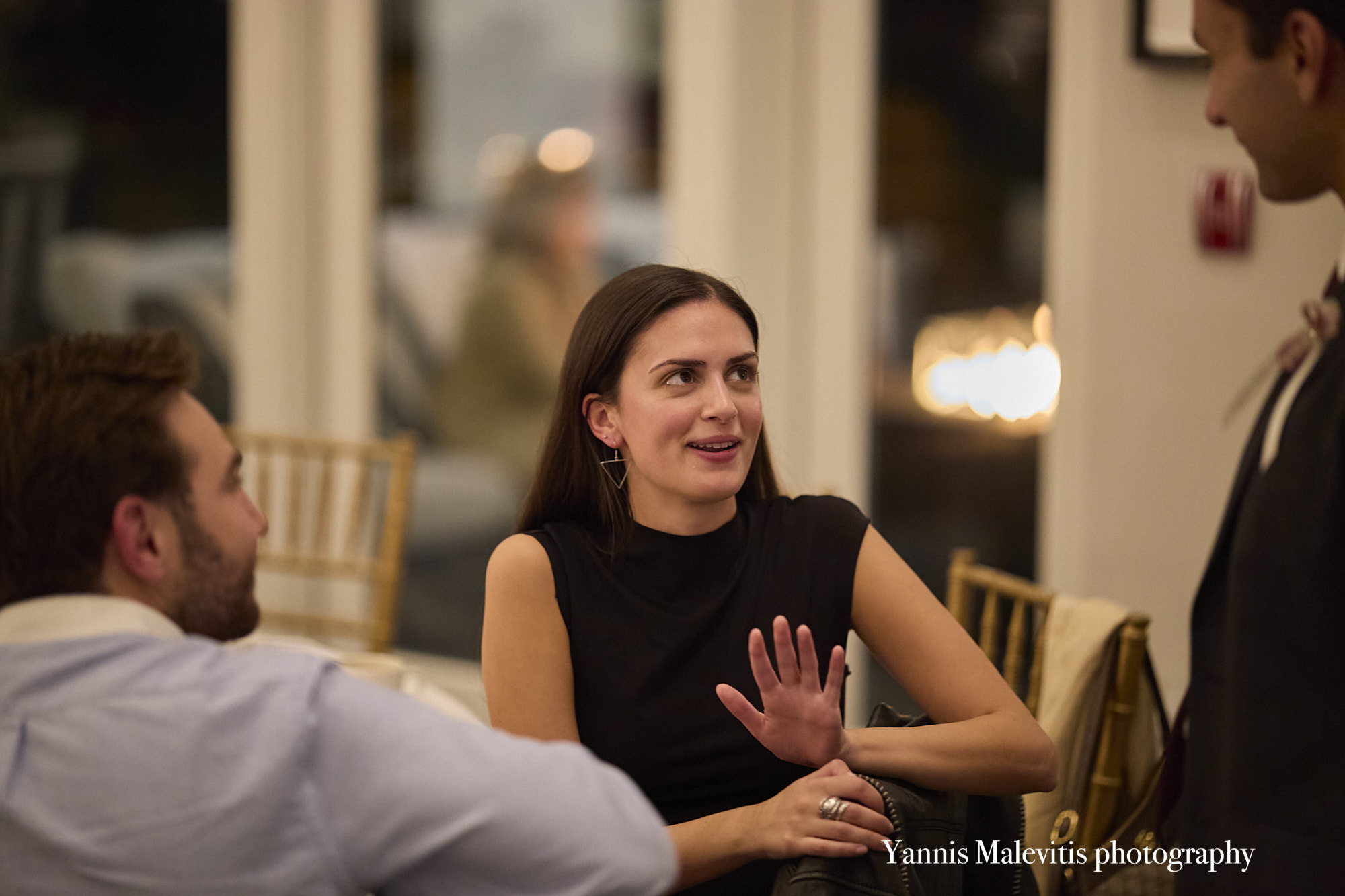
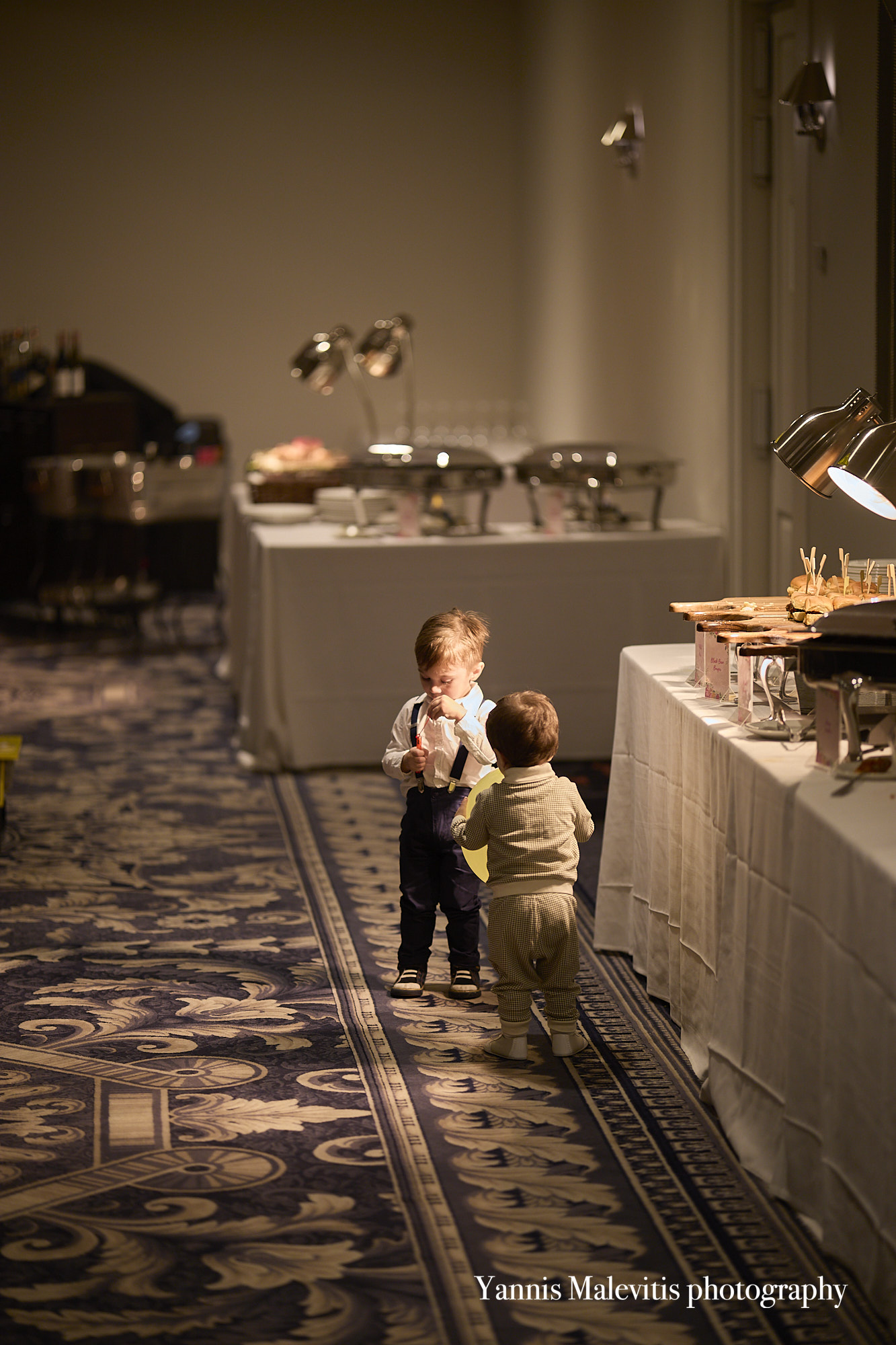
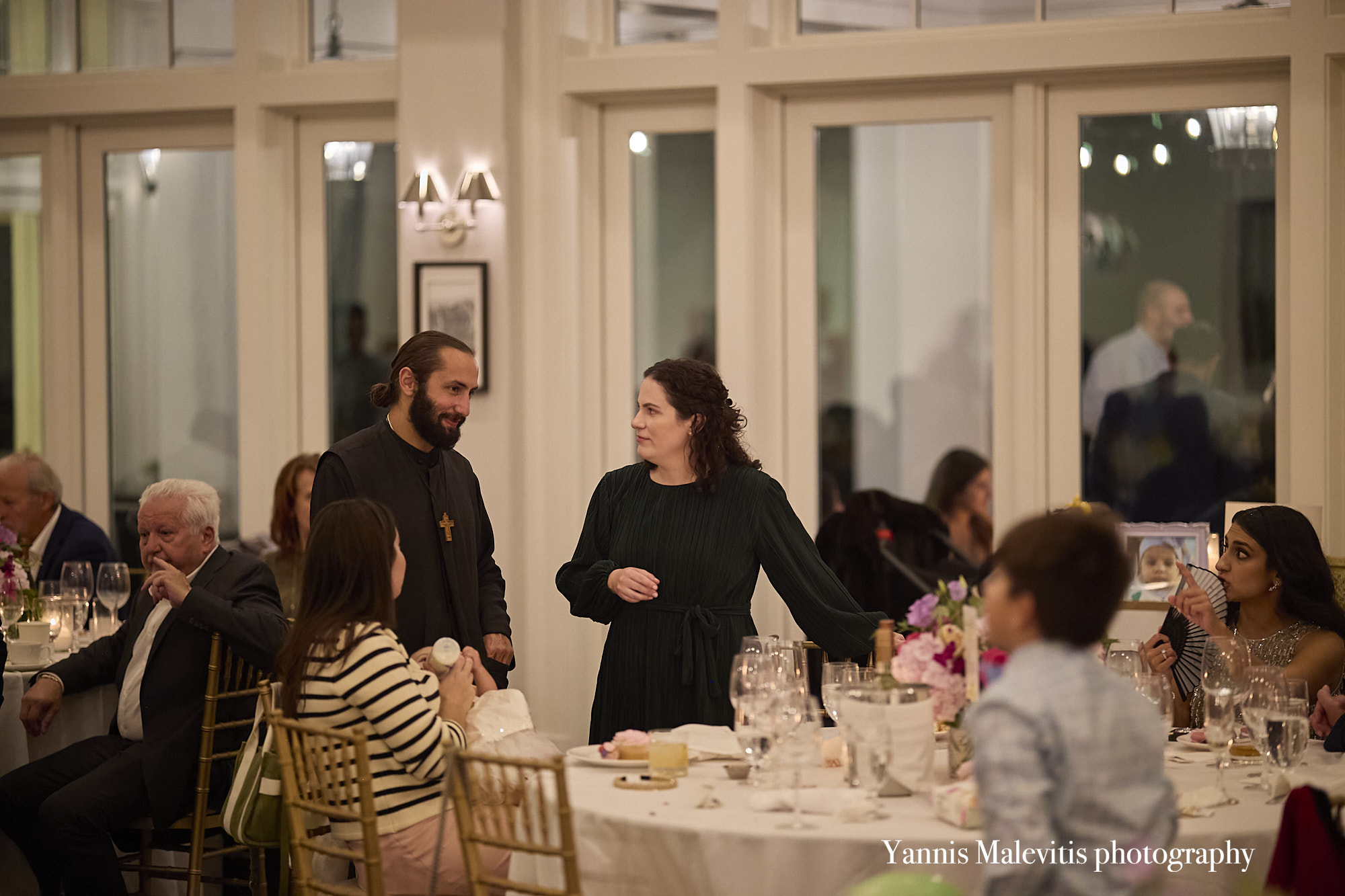
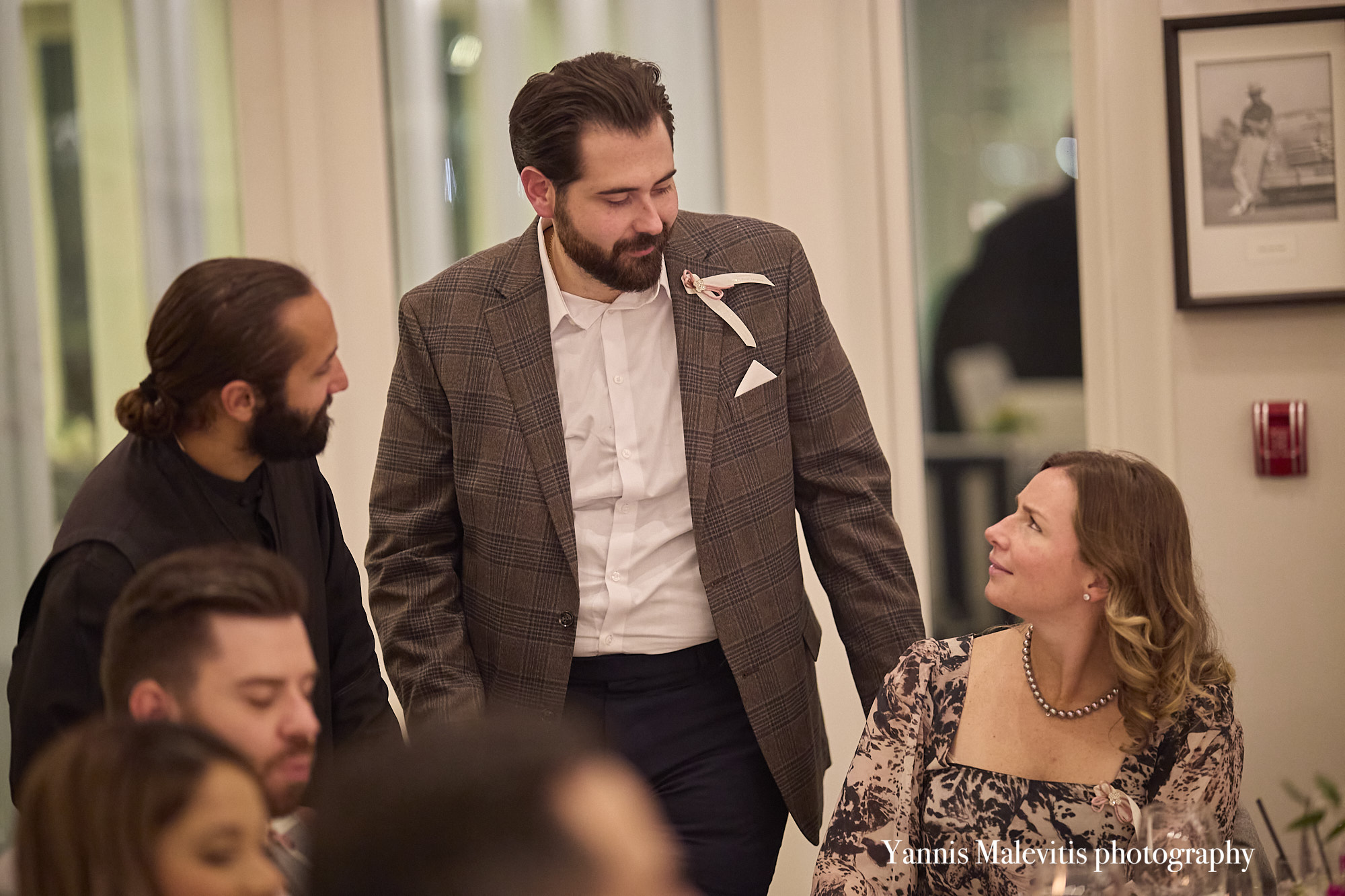
    The baptism may be the sacred center of the day, but the reception is where families begin to relax. Grandparents hold the newly baptized child, cousins find one another on the dance floor, and conversations replace ceremony. These quiet interactions often reveal the relationships that become the most meaningful photographs of the celebration.

    My approach is to photograph the reception as a storyteller rather than simply documenting who was present. While I certainly capture portraits, family groups, and important traditions, I focus primarily on the genuine interactions that reveal the spirit of the day.

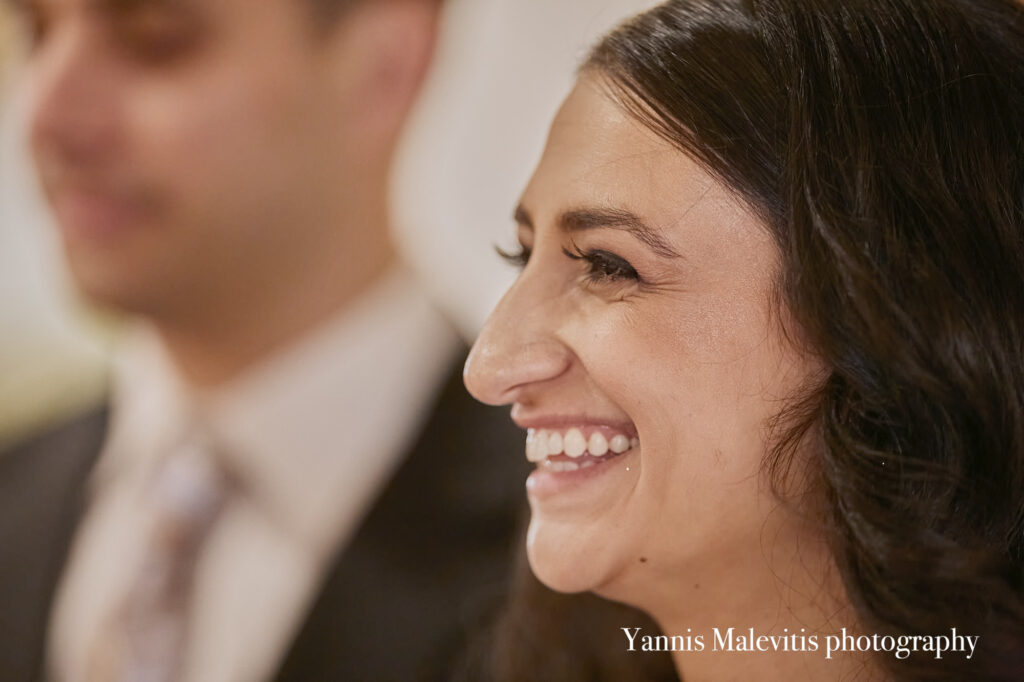
    While gentle direction may help people feel comfortable, my favorite photographs almost always come afterward—when conversation replaces posing and families become absorbed in one another. Those unscripted moments often become the photographs they treasure most.

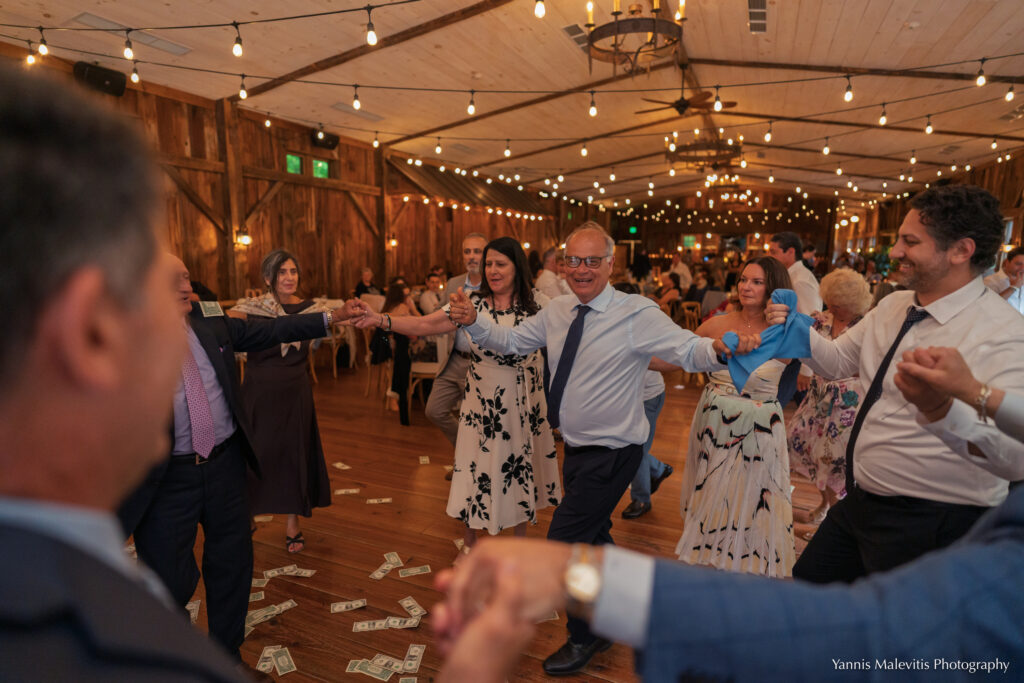
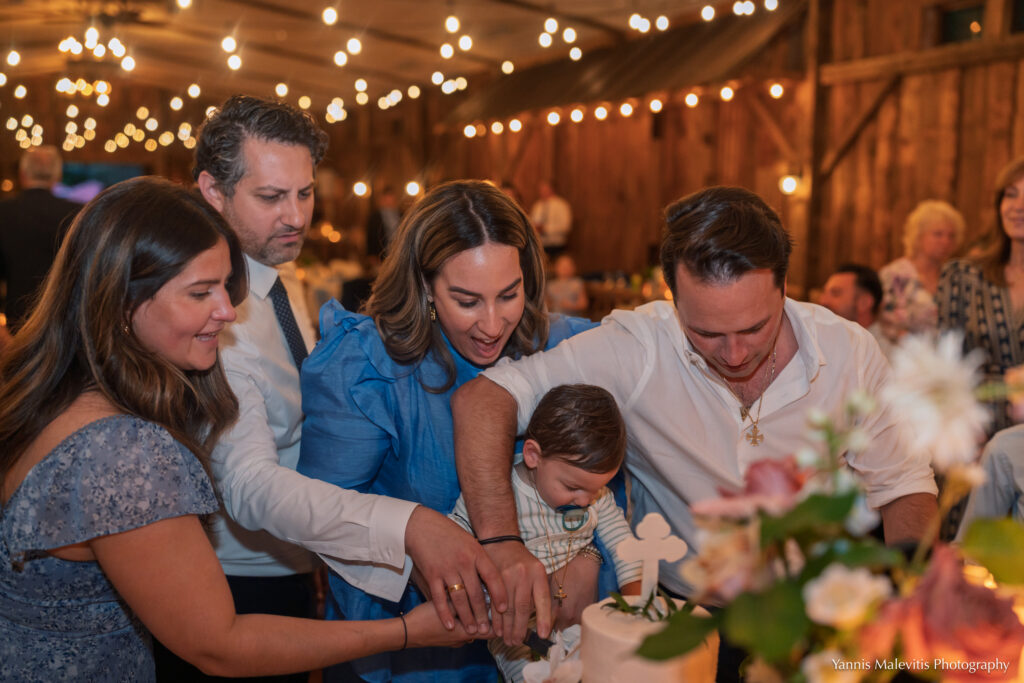
    Greek Orthodox christening receptions are especially rich with emotion and tradition. Whether it is the first dance, the money dance, a family circle forming on the dance floor, or the cutting of the cake, I strive to capture not only what happened but also what it felt like to be there.

    By the end of the reception, I hope the photographs tell a complete story—not only of the celebration itself, but of the relationships that gave it meaning.

    Years from now, children will not remember the menu or the decorations. They will remember the people who gathered to celebrate them. My hope is that the photographs preserve those relationships with the same warmth they were experienced that day.

    If you are planning a Greek Orthodox christening in Long Island, New York City, Westchester, Connecticut, or the Hudson Valley, I would be honored to document your family’s celebration with a natural and unobtrusive approach.

  • Greek Orthodox Church Photography – Divine Liturgy with Archbishop Elpidoforos

    Greek Orthodox Church Photography – Divine Liturgy with Archbishop Elpidoforos

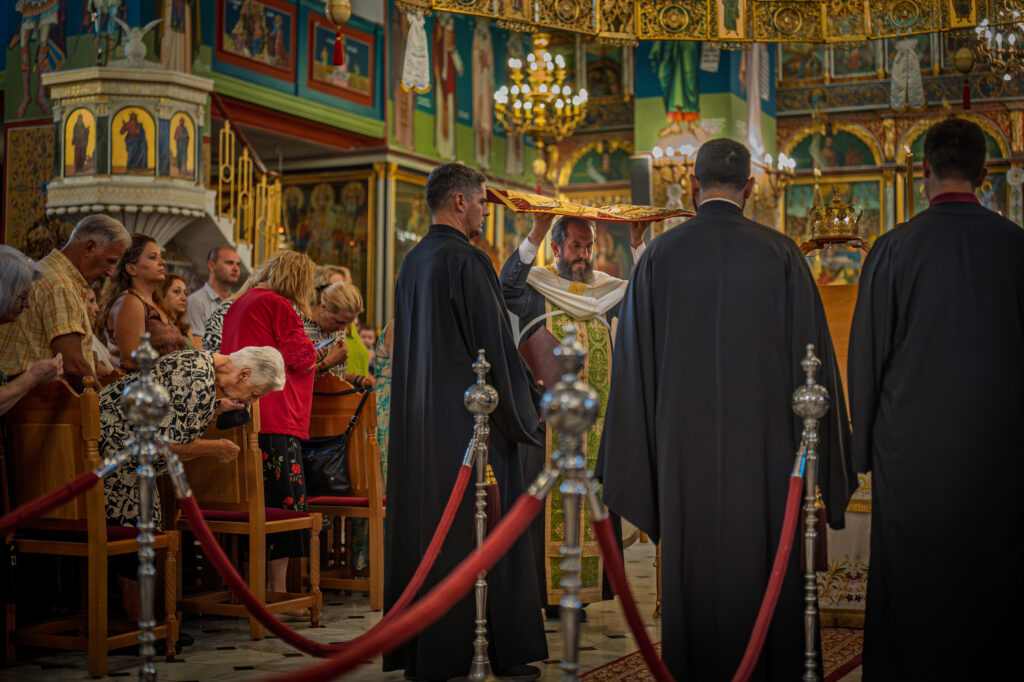
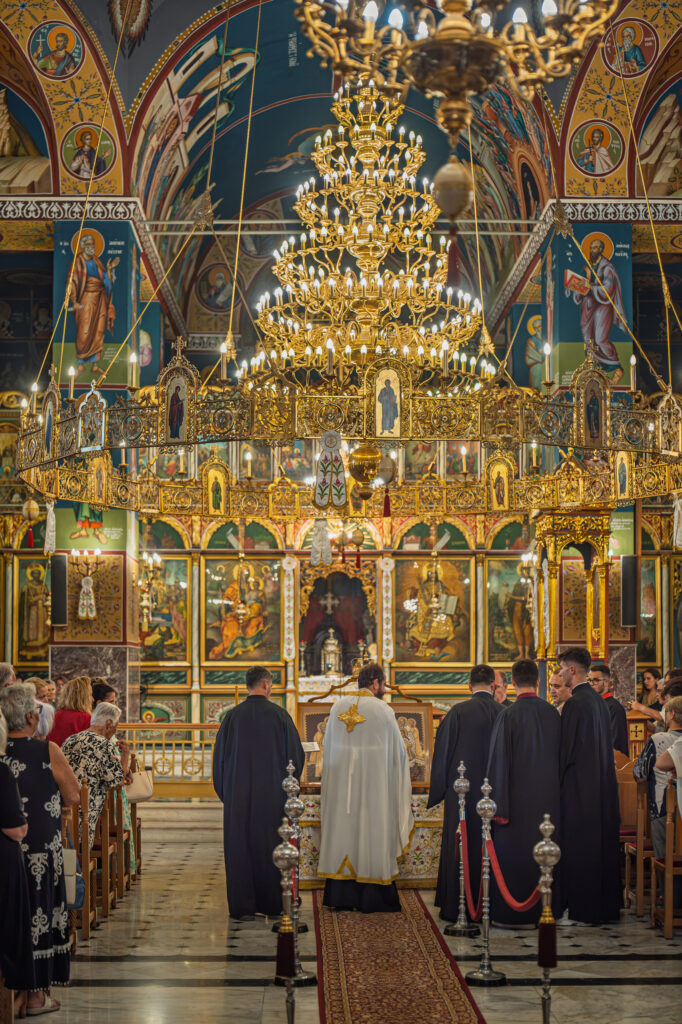
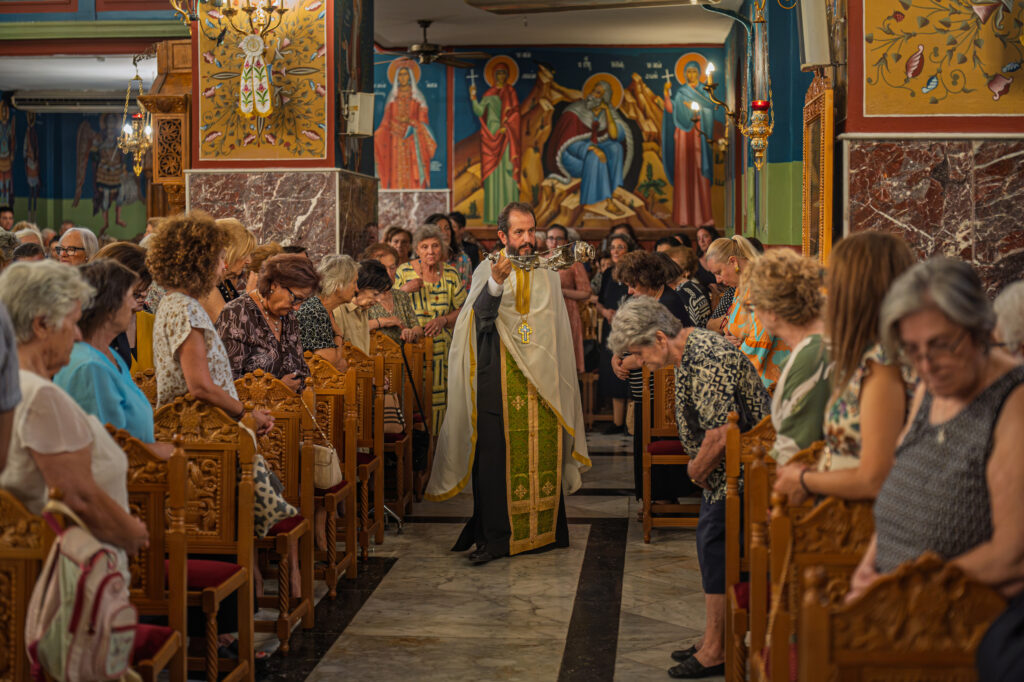
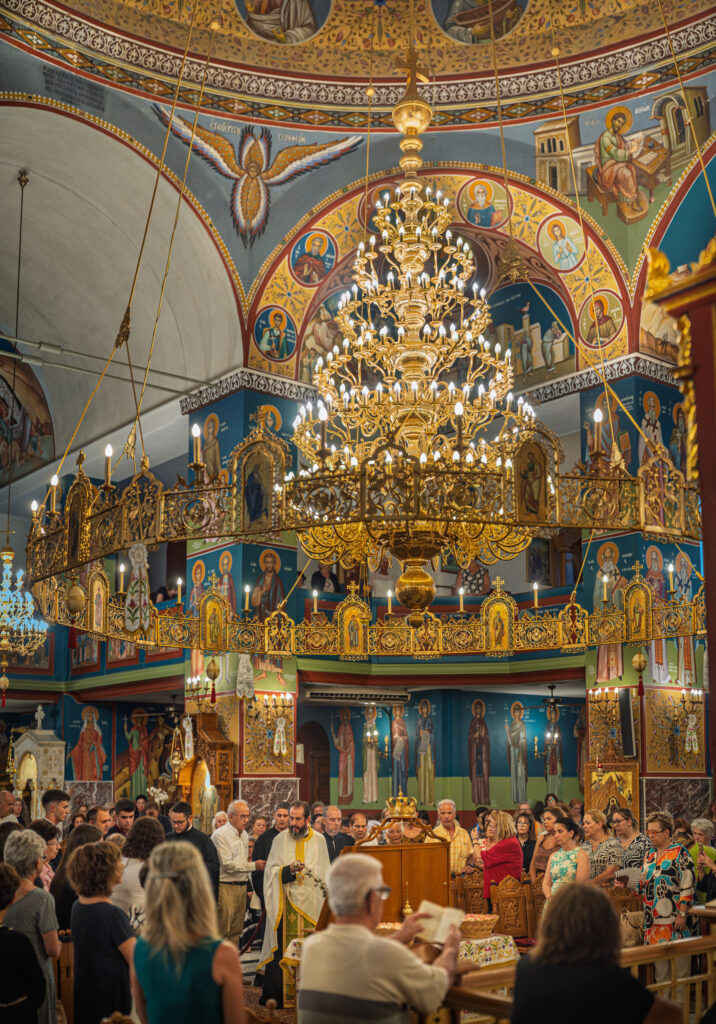
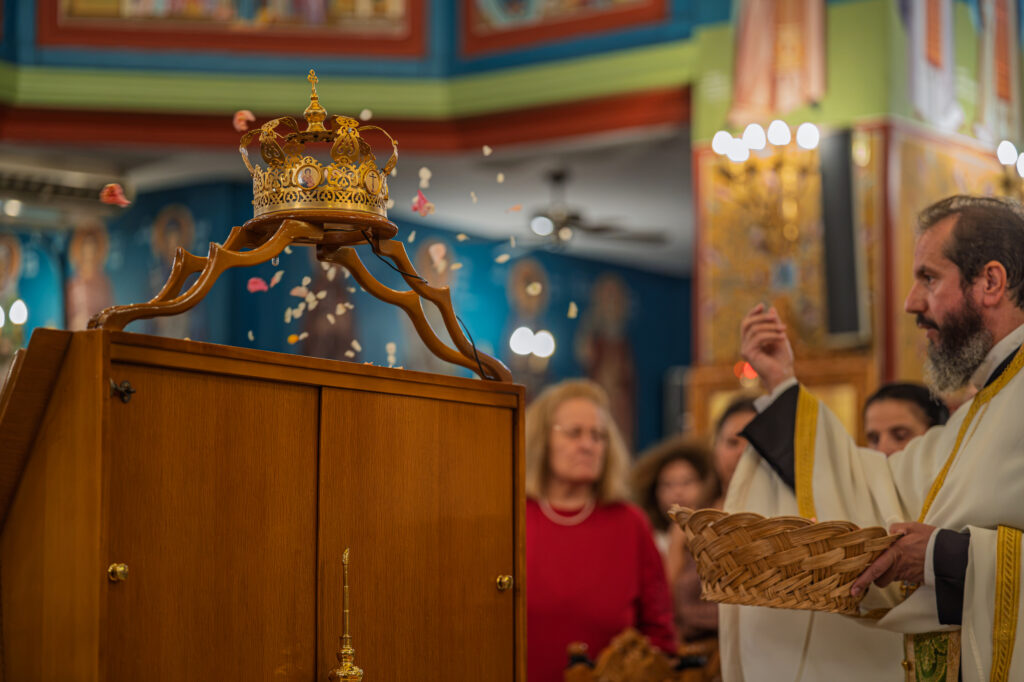
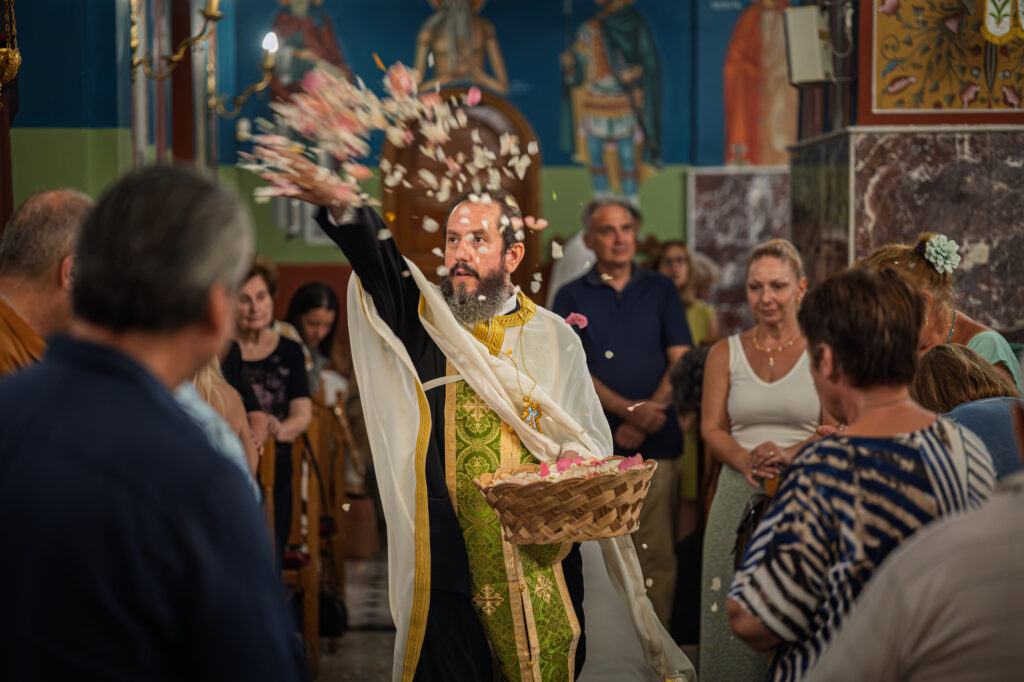
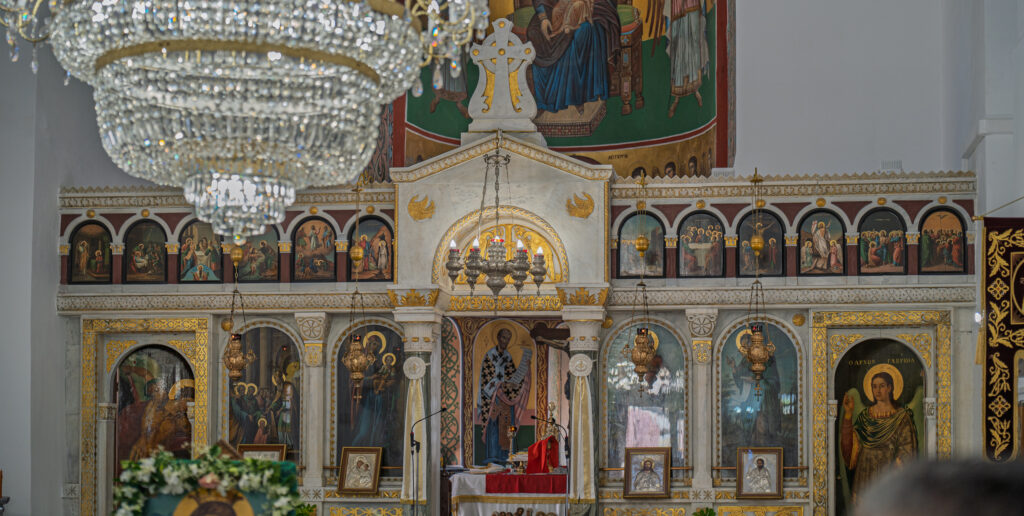
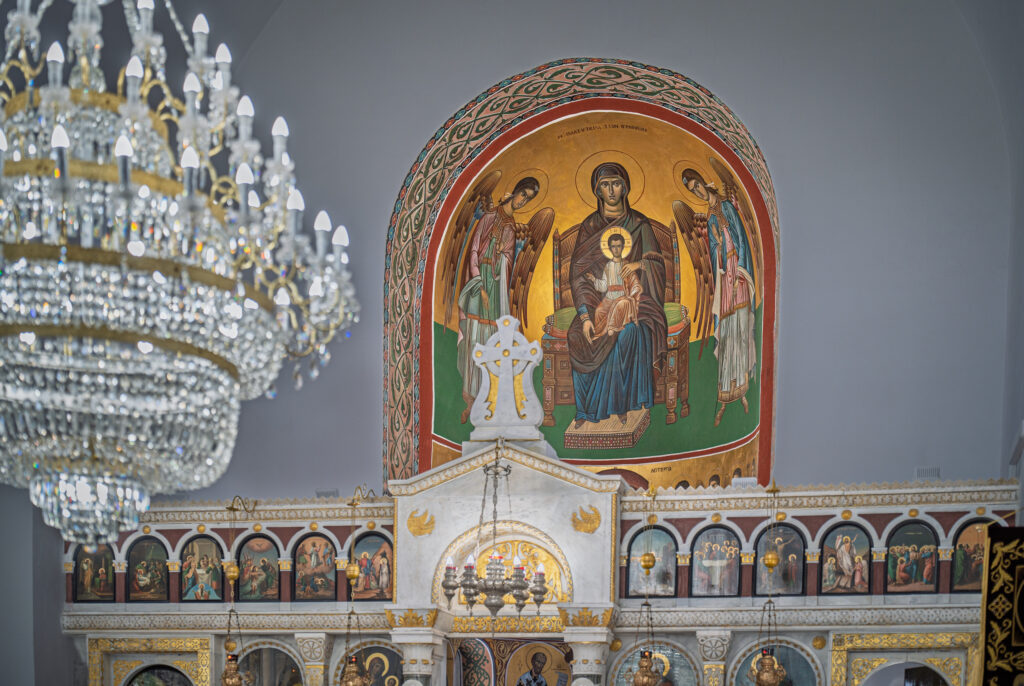
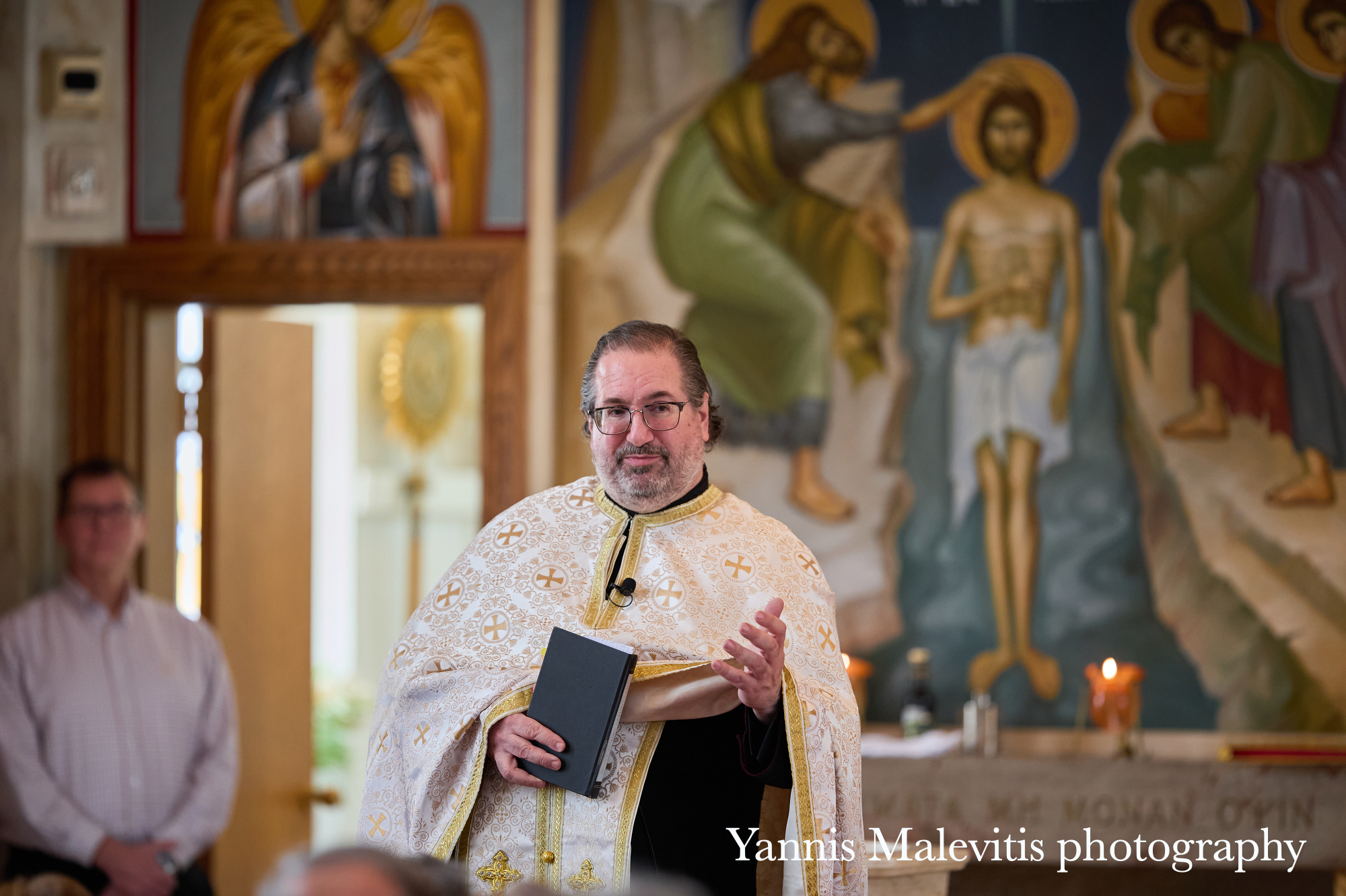
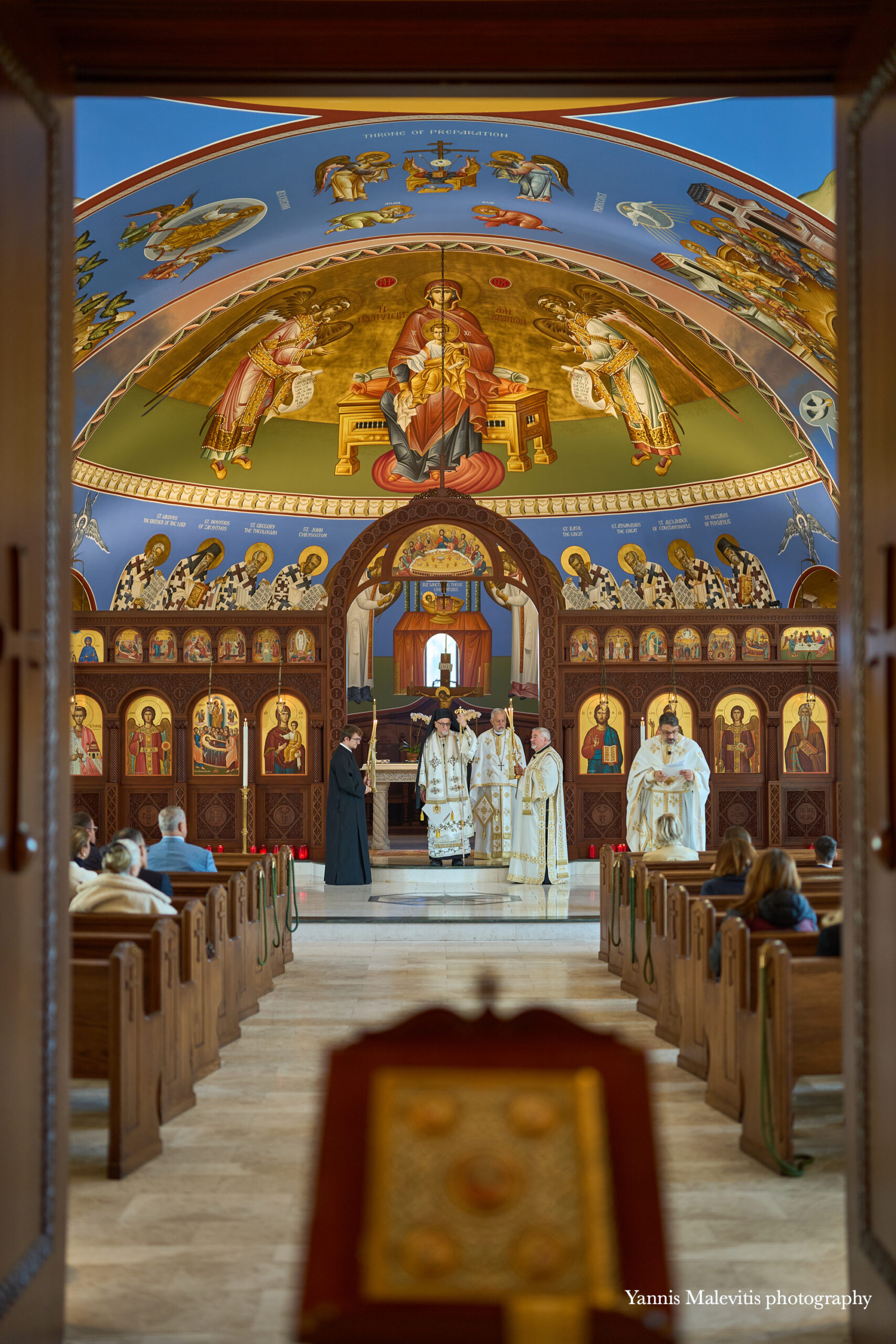
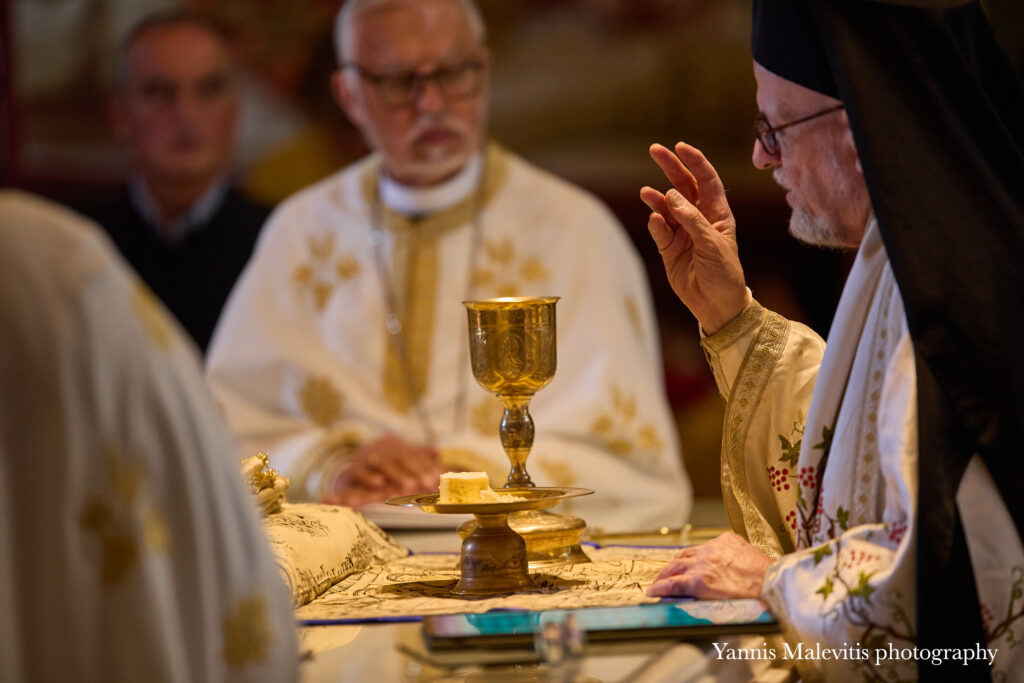
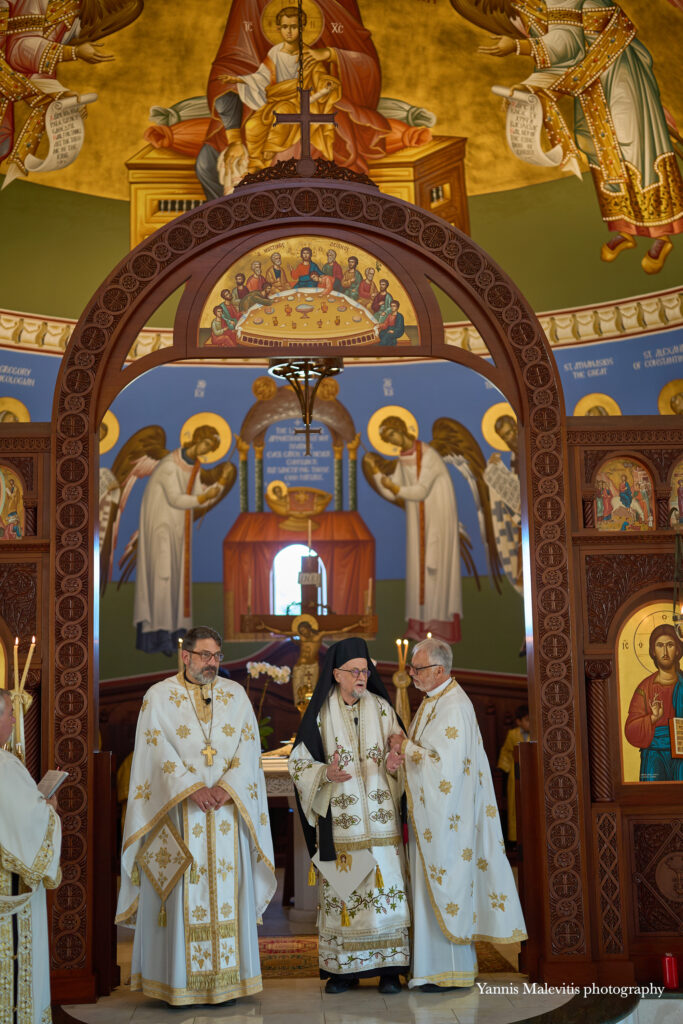
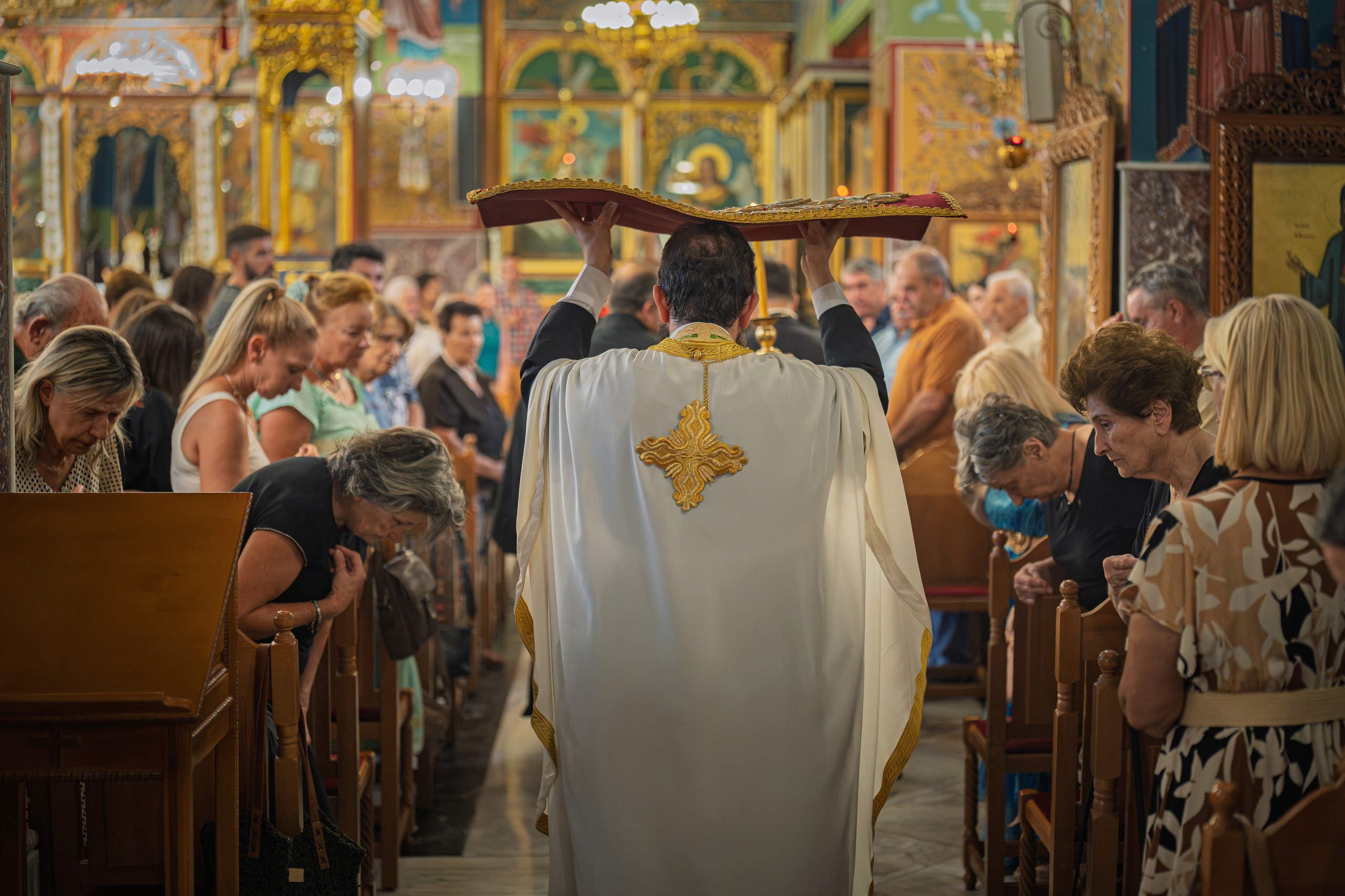
    Greek Orthodox Church photography—especially during a Divine Liturgy with Archbishop Elpidoforos—carries a unique stillness. It is not a stillness defined by silence, but by presence. Every gesture, every procession, and every flicker of candlelight unfolds within a sacred rhythm that has remained unchanged for generations. Photographing the Divine Liturgy is not simply about documenting a religious service; it is about preserving the reverence, tradition, and human connection that give it meaning.

    Greek Orthodox Divine Liturgy with Archbishop Elpidoforos

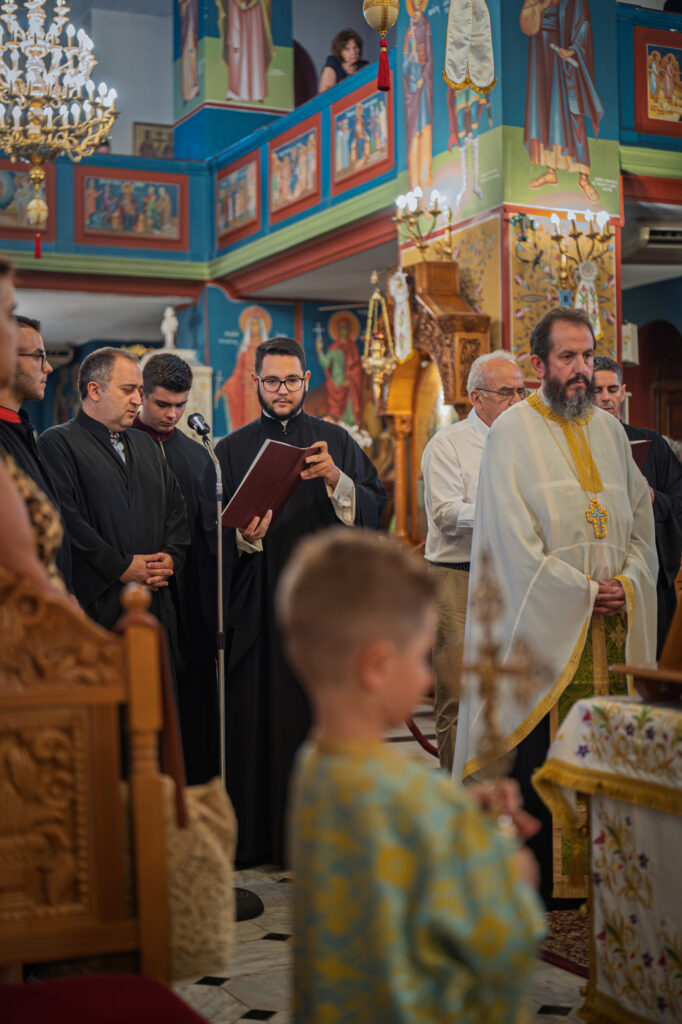
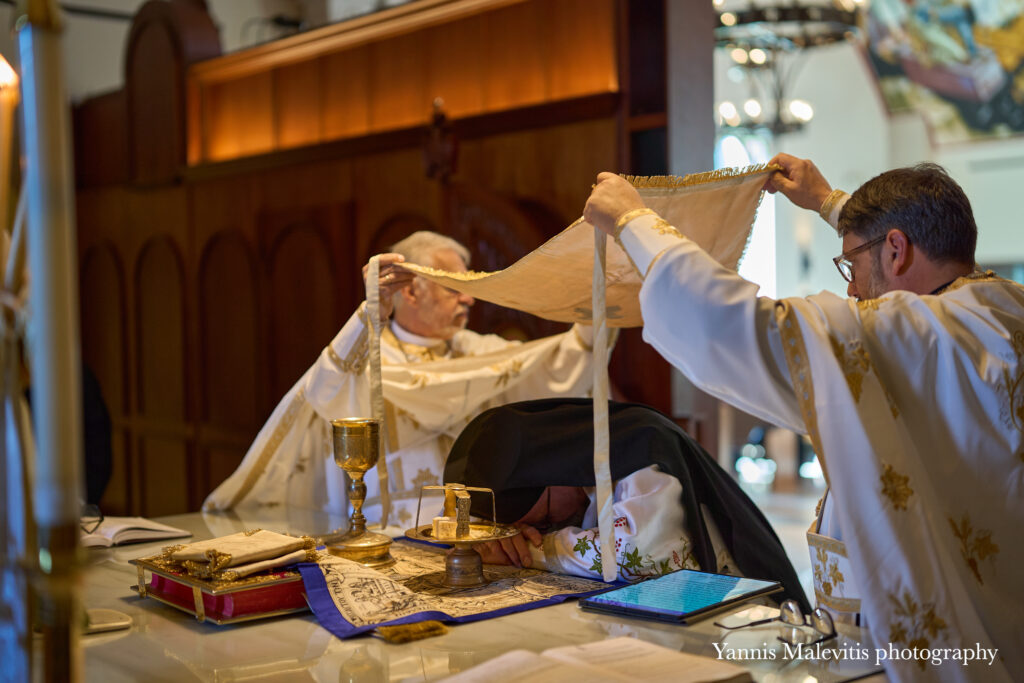
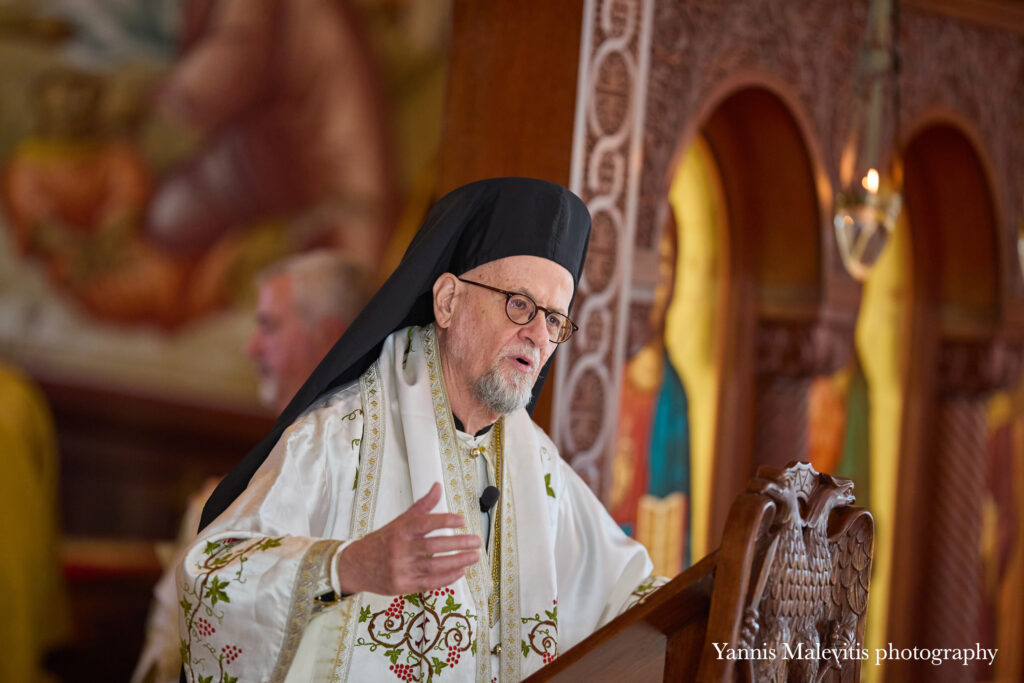
    When I had the honor of photographing the Divine Liturgy with Archbishop Elpidoforos of America, my role was to become almost invisible. In a setting where every movement carries significance, the photographer should never interrupt the experience. Instead, I move quietly and deliberately, allowing the liturgy to unfold naturally while observing the moments that reveal both faith and humanity. The photographs are not staged—they are witnessed.

    Greek Orthodox Divine Liturgy with Archbishop Elpidoforos

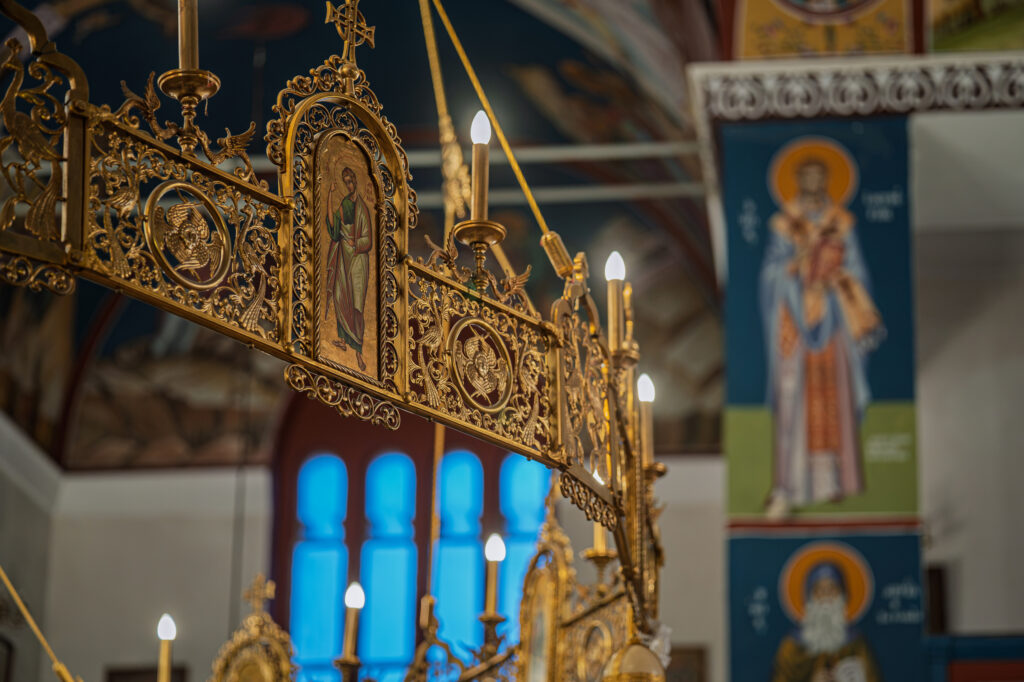
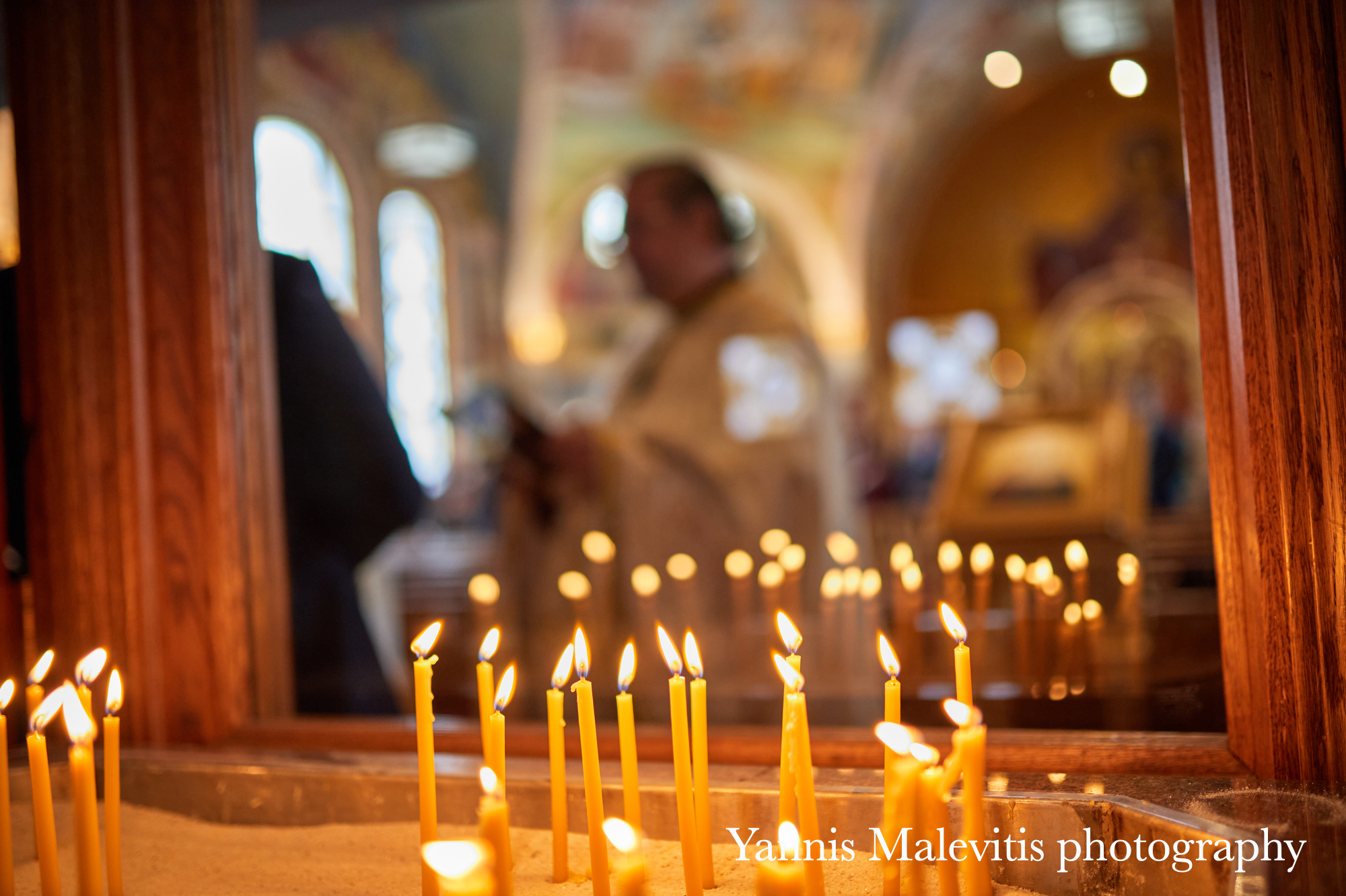
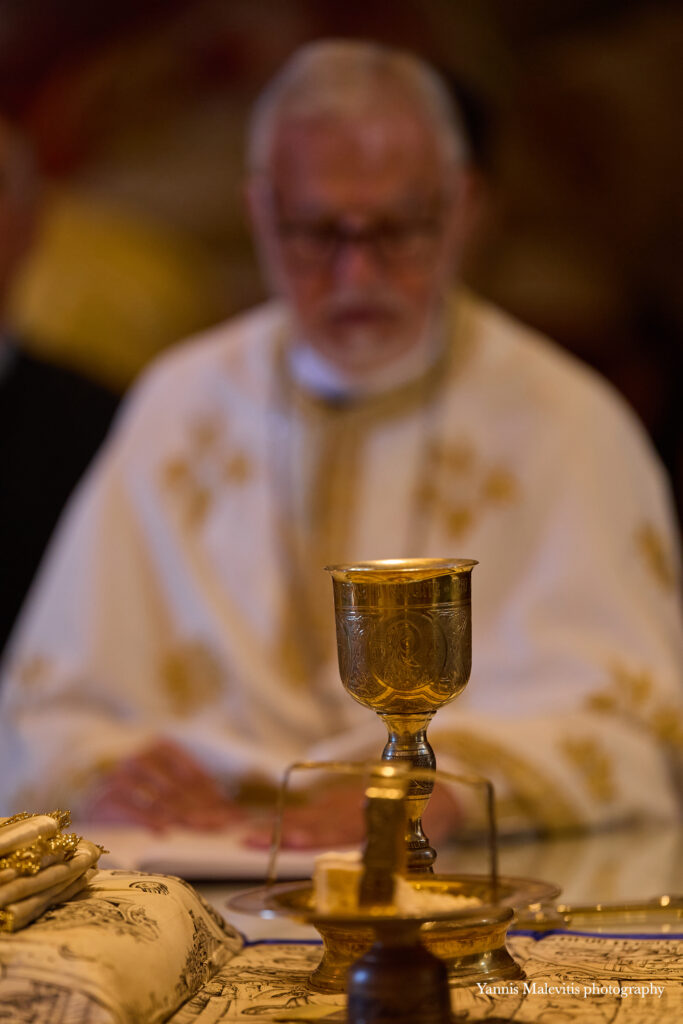
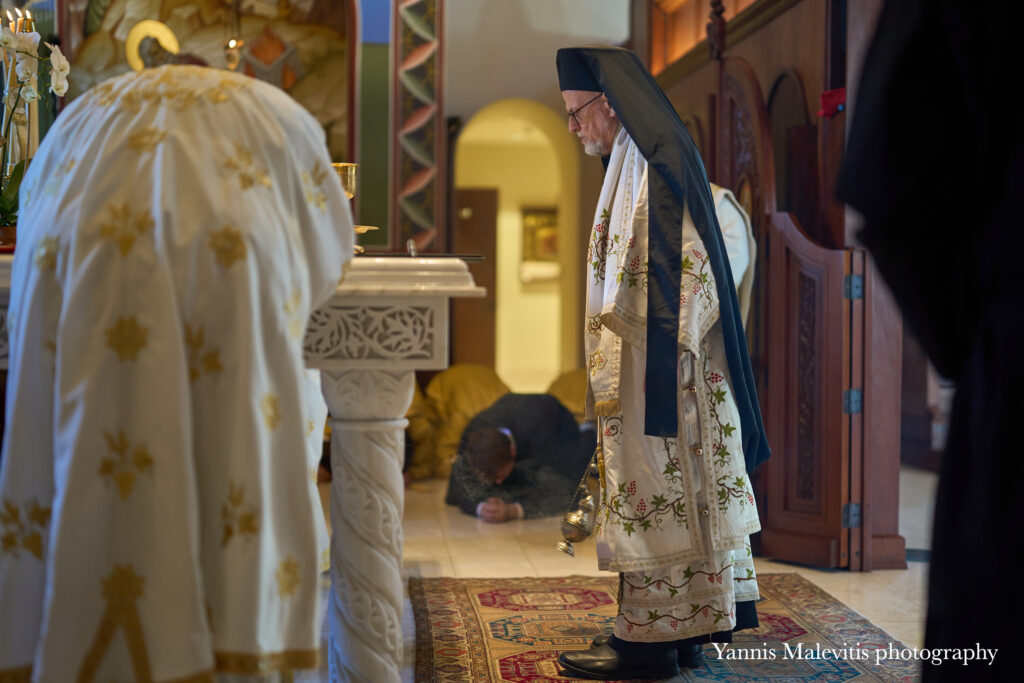
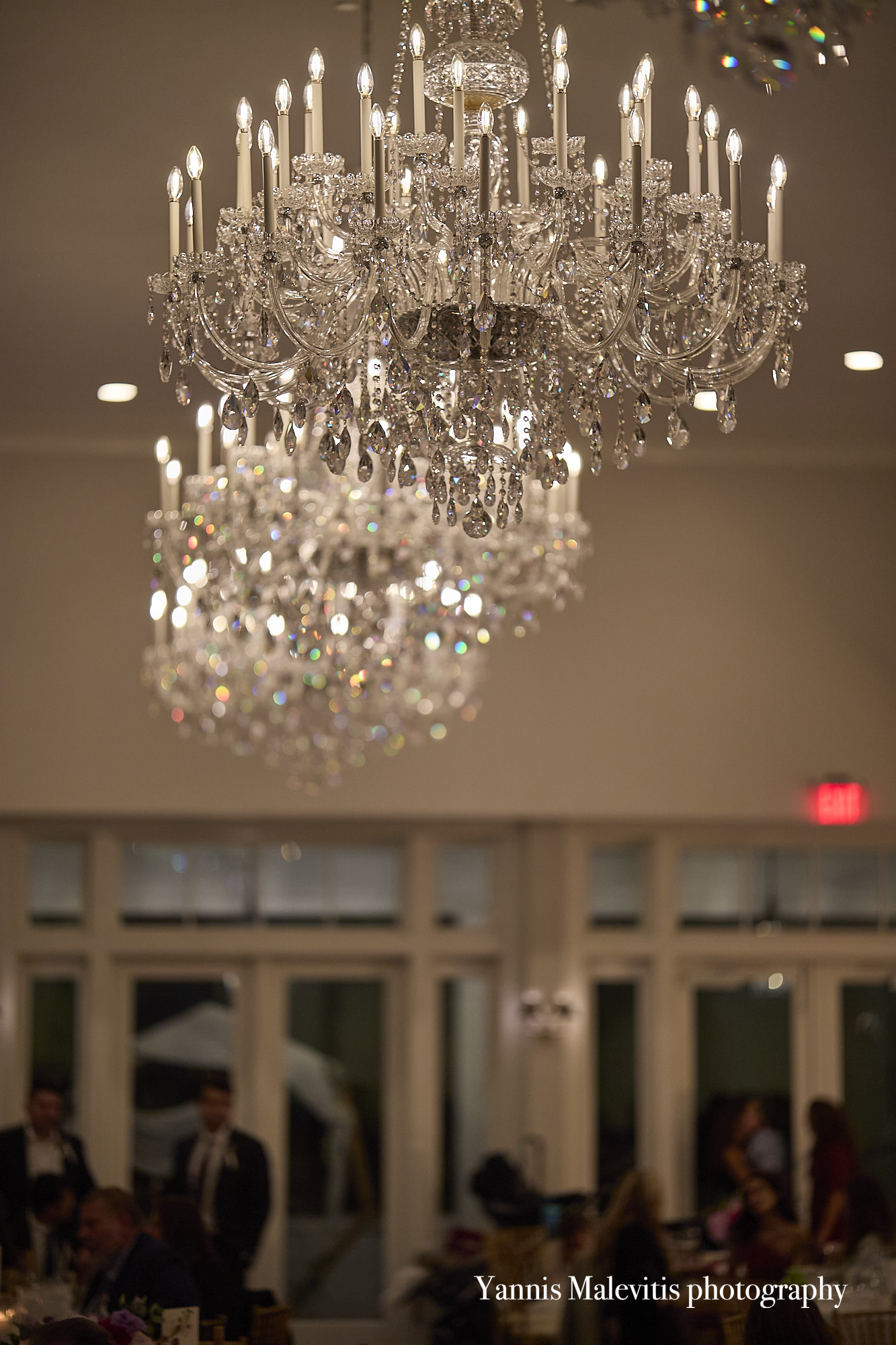
    Rather than directing the scene, I work with the light already present. The warmth of the candles, the soft illumination of the chandeliers, and the rich colors of the iconography create an atmosphere that cannot be reproduced artificially. By preserving that light, the photographs retain the authenticity of the experience and the quiet beauty of the sacred space.

    Greek Orthodox Divine Liturgy with Archbishop Elpidoforos

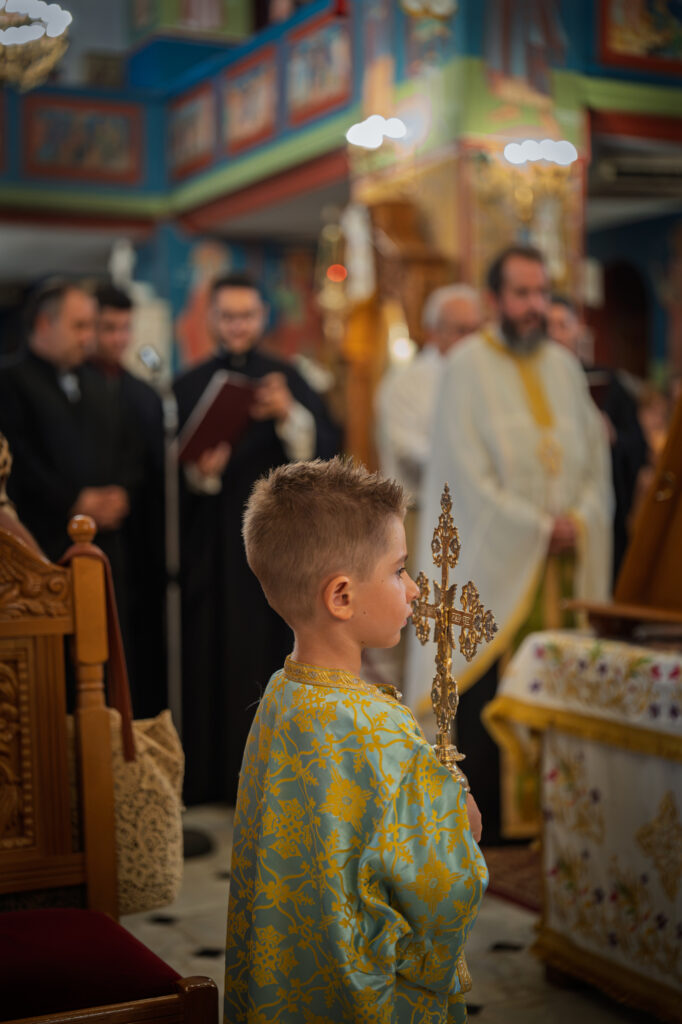
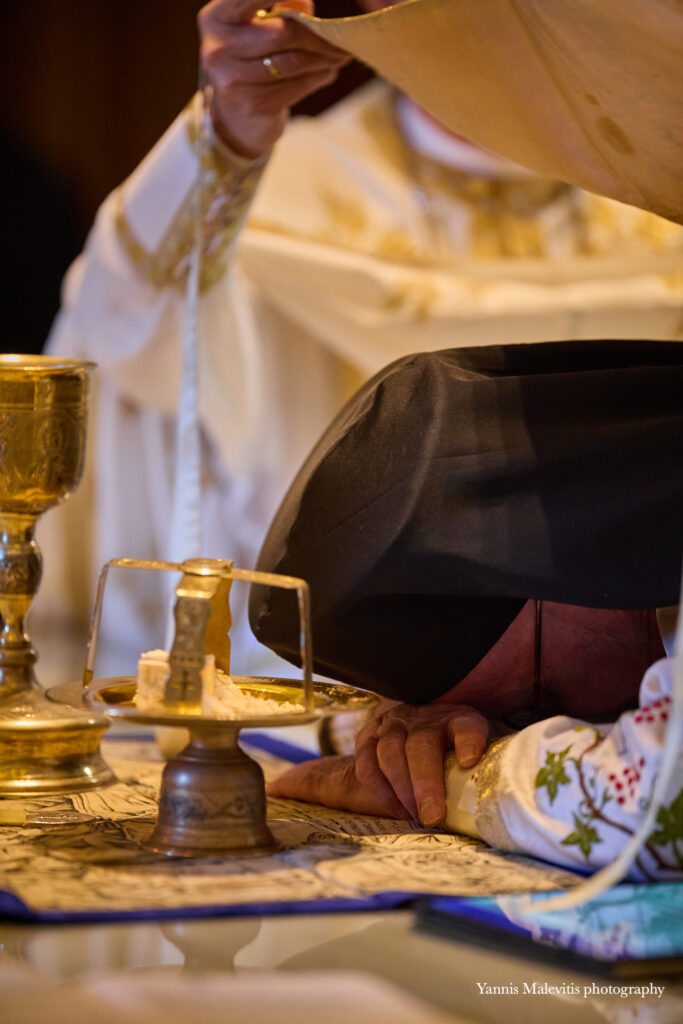
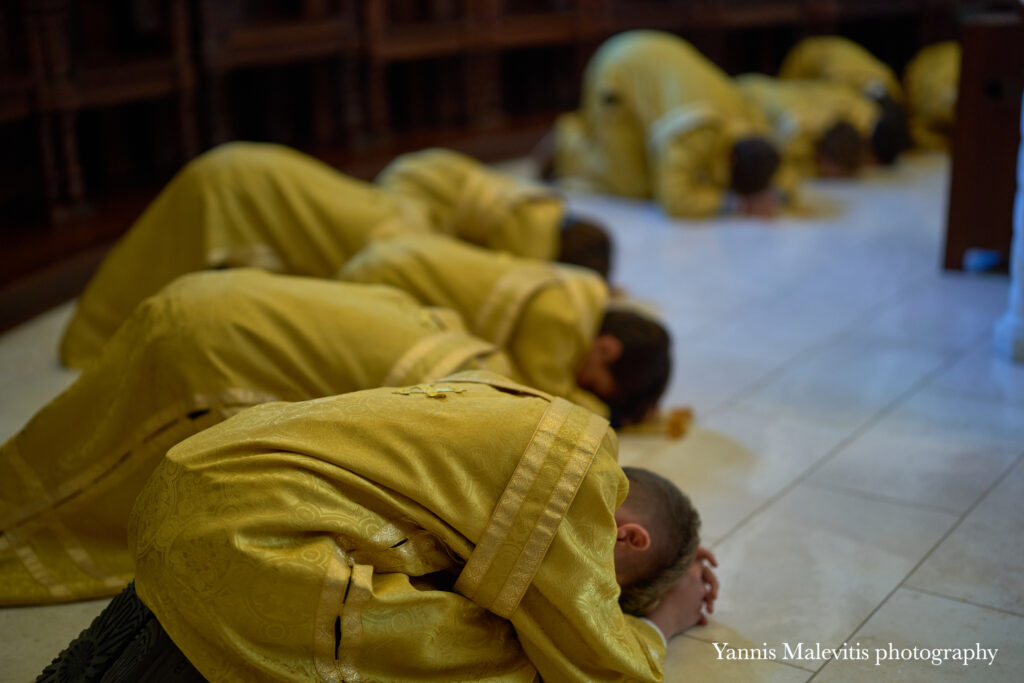
    What draws me most are the moments that often pass unnoticed: a bowed head during prayer, a hand resting over the heart, the exchange of a blessing, or the quiet expression of someone absorbed in worship. These subtle gestures often communicate the spirit of the Divine Liturgy more powerfully than the larger ceremonial moments. They invite the viewer not only to see what happened, but to experience something of what it felt like to be present.

    Greek Orthodox Divine Liturgy with Archbishop Elpidoforos

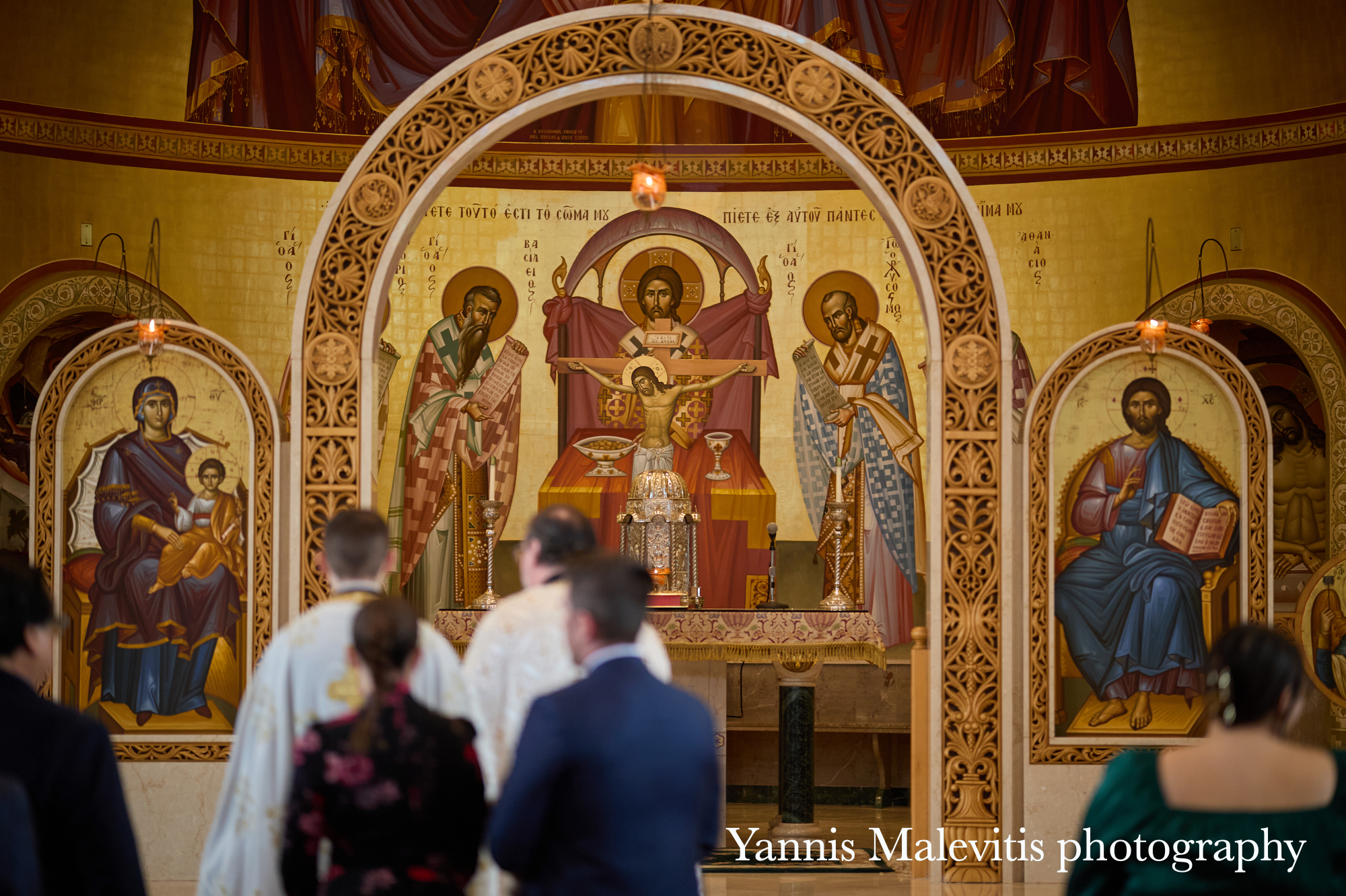
    The architecture of the church also becomes part of the story. Icons, candle stands, and the rhythm of the congregation provide context without overwhelming the people within the space. My goal is to create photographs that reveal the relationship between faith, architecture, and community, allowing each element to support the others.

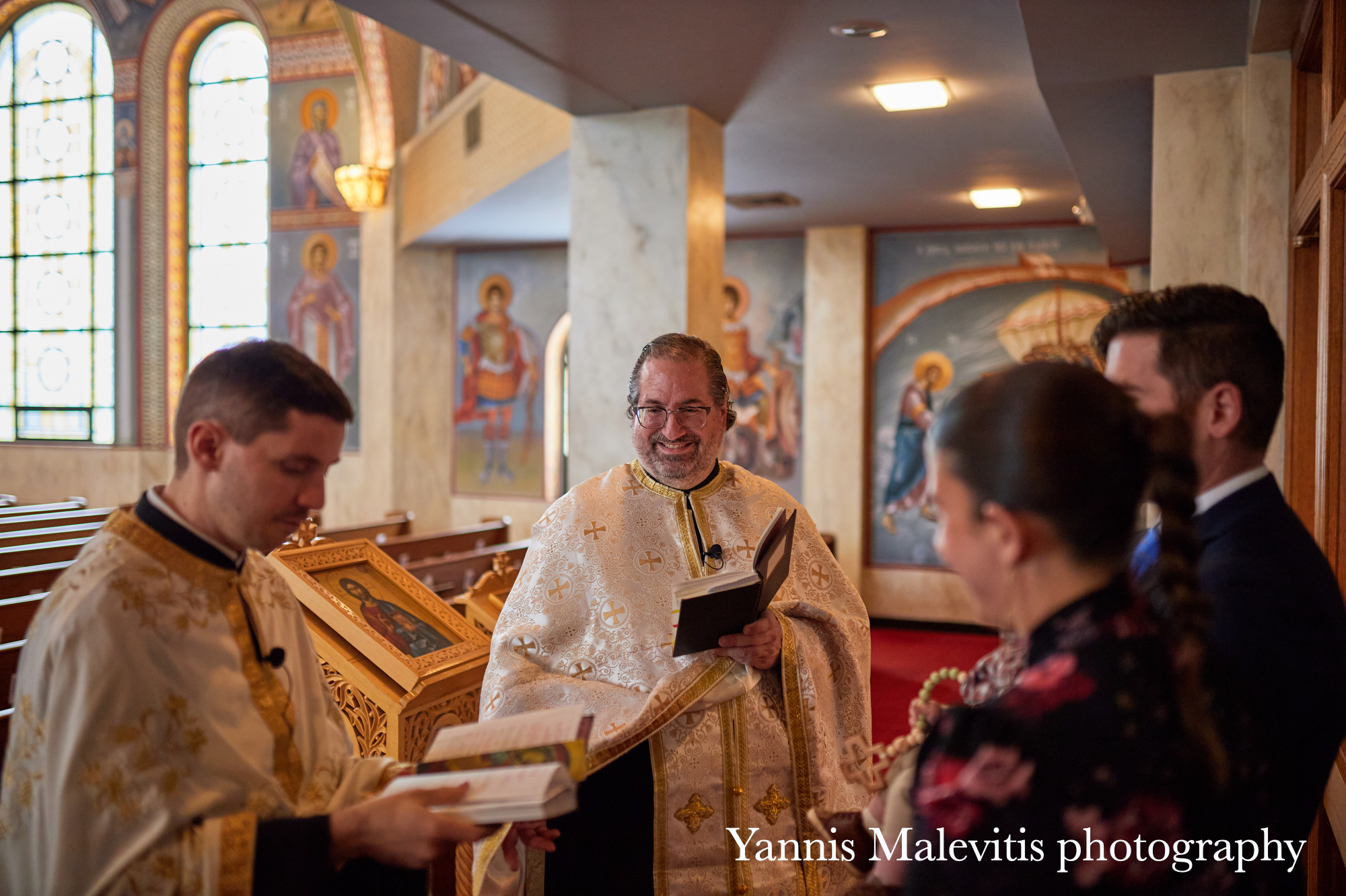
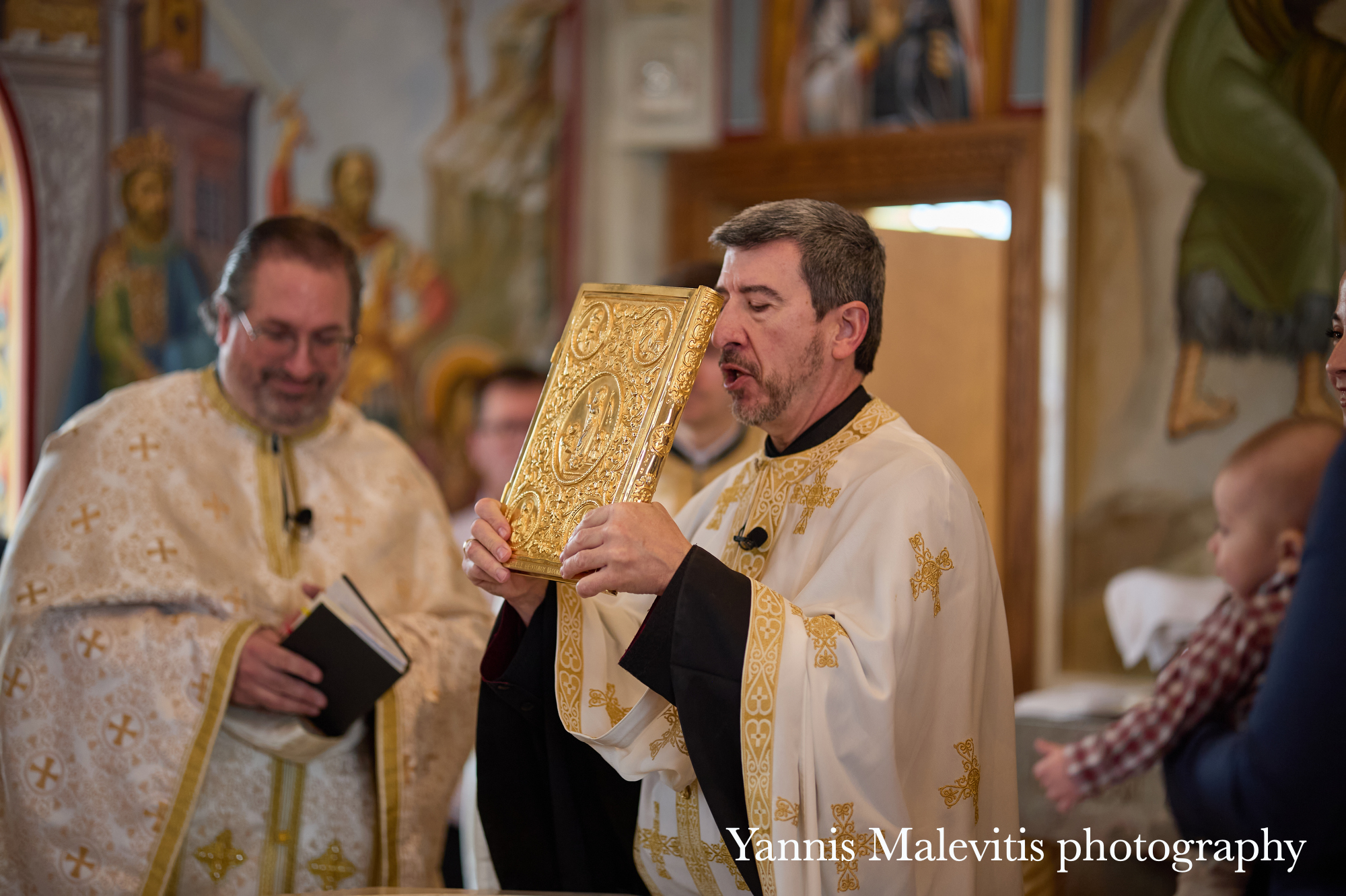
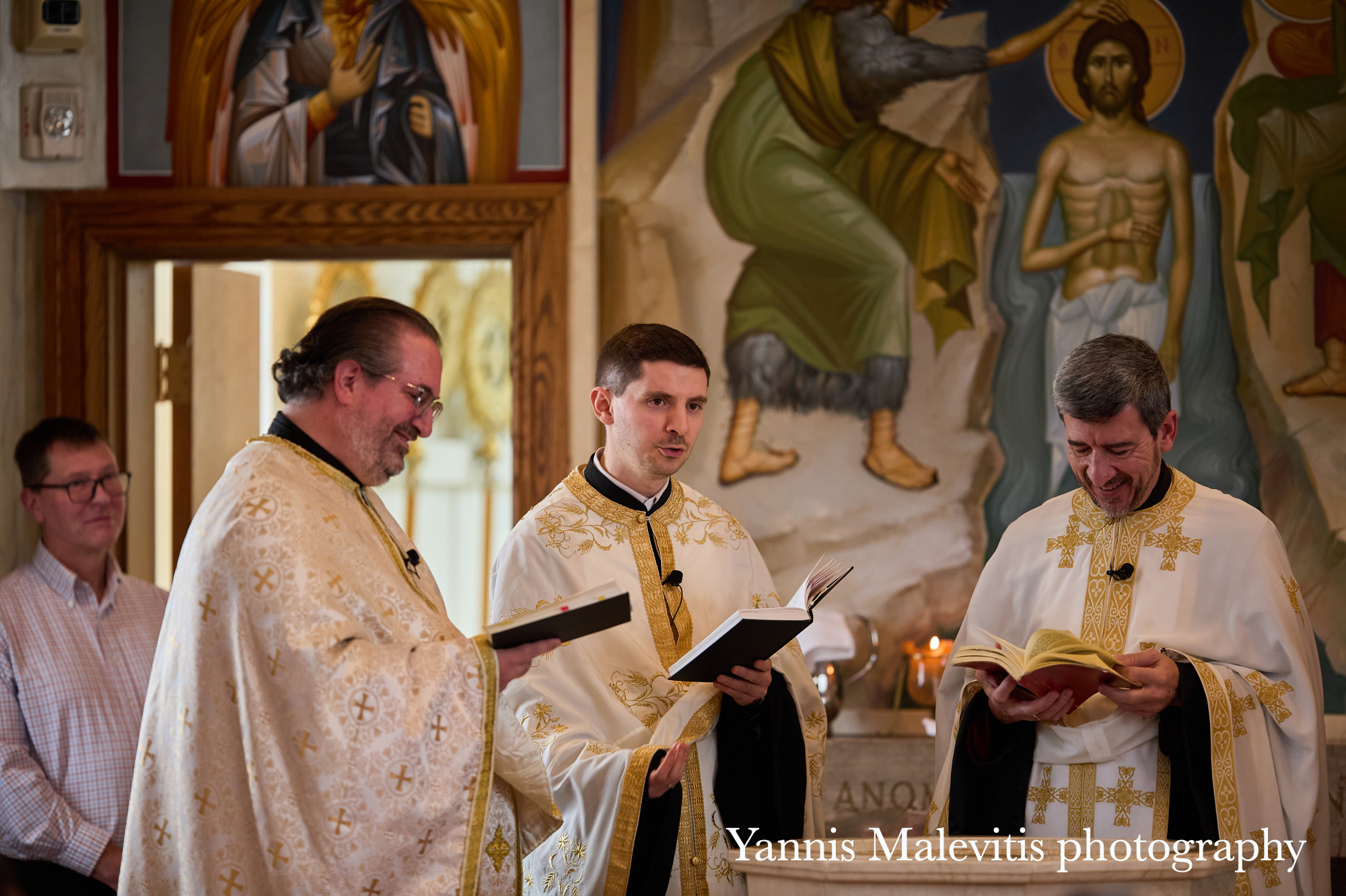
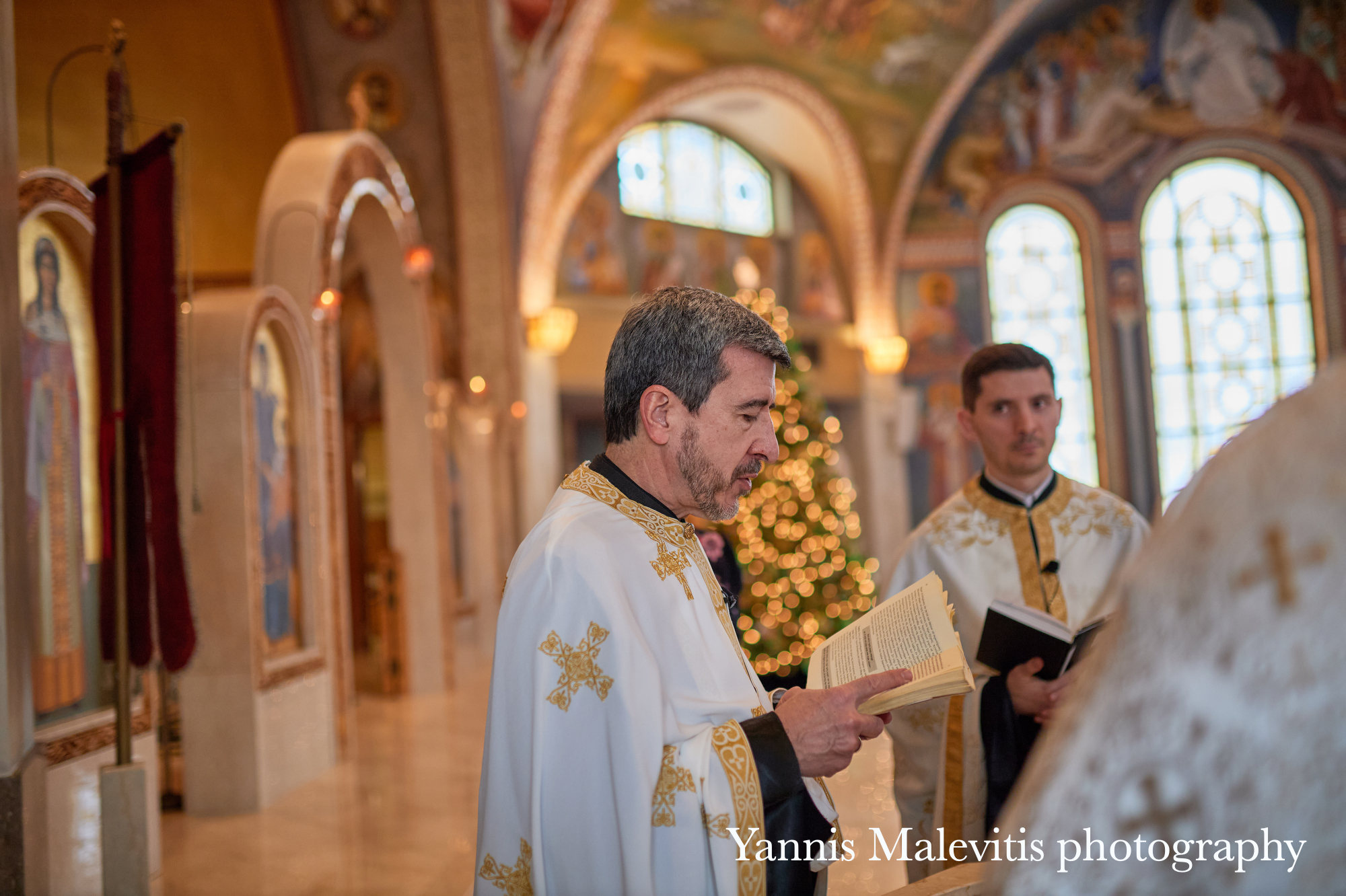
    Two Orthodox priests in ornate robes during a solemn church ceremony.

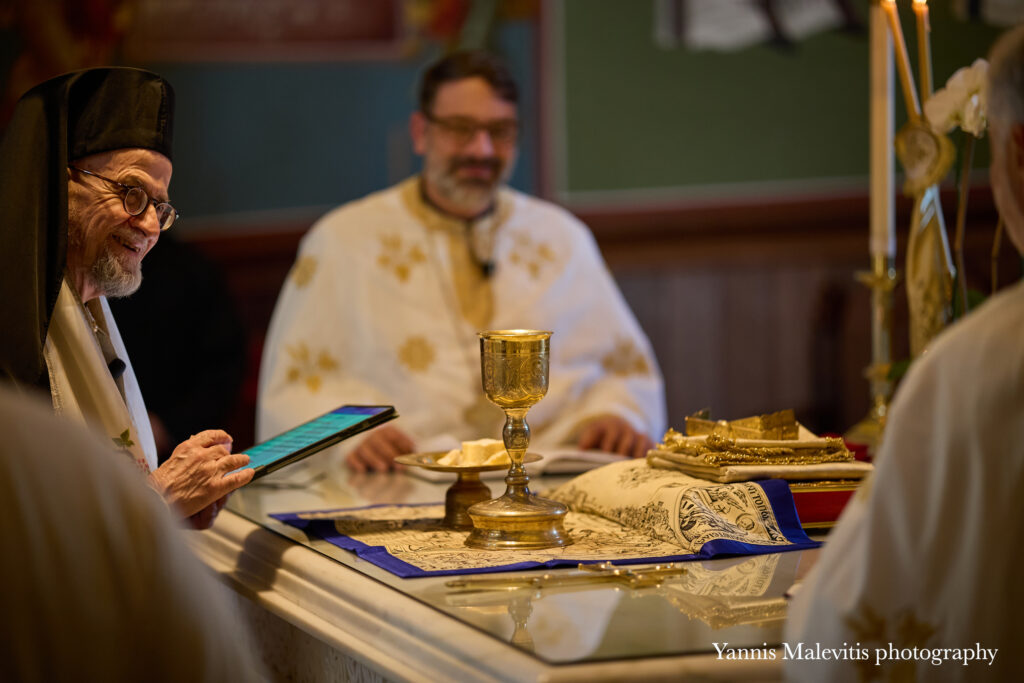
    Throughout the service, restraint becomes as important as anticipation. Rather than photographing every moment, I wait for the moments that carry emotional and spiritual significance. A thoughtful expression, a quiet interaction between clergy, or the reverence of the congregation often says more than dozens of photographs made without intention.

    Greek Orthodox Divine Liturgy with Archbishop Elpidoforos

    Greek Orthodox Divine Liturgy with Archbishop Elpidoforos

    Years from now, these photographs become more than a record of a Divine Liturgy. They become part of the history of a parish, a family, and a faith community. My hope is that they preserve not only what happened, but also the atmosphere of reverence, the quiet beauty of the church, and the enduring relationships that brought everyone together in worship.

    Greek Orthodox Divine Liturgy with Archbishop Elpidoforos

  • Greek Orthodox Baptism at the Greek Orthodox Archdiocesan Cathedral of the Holy Trinity

    Greek Orthodox Baptism at the Greek Orthodox Archdiocesan Cathedral of the Holy Trinity

    A Greek Orthodox baptism is one of the most symbolic and meaningful sacraments of the Church. It follows a very specific sequence of ancient rituals, each with its own deep theological meaning.

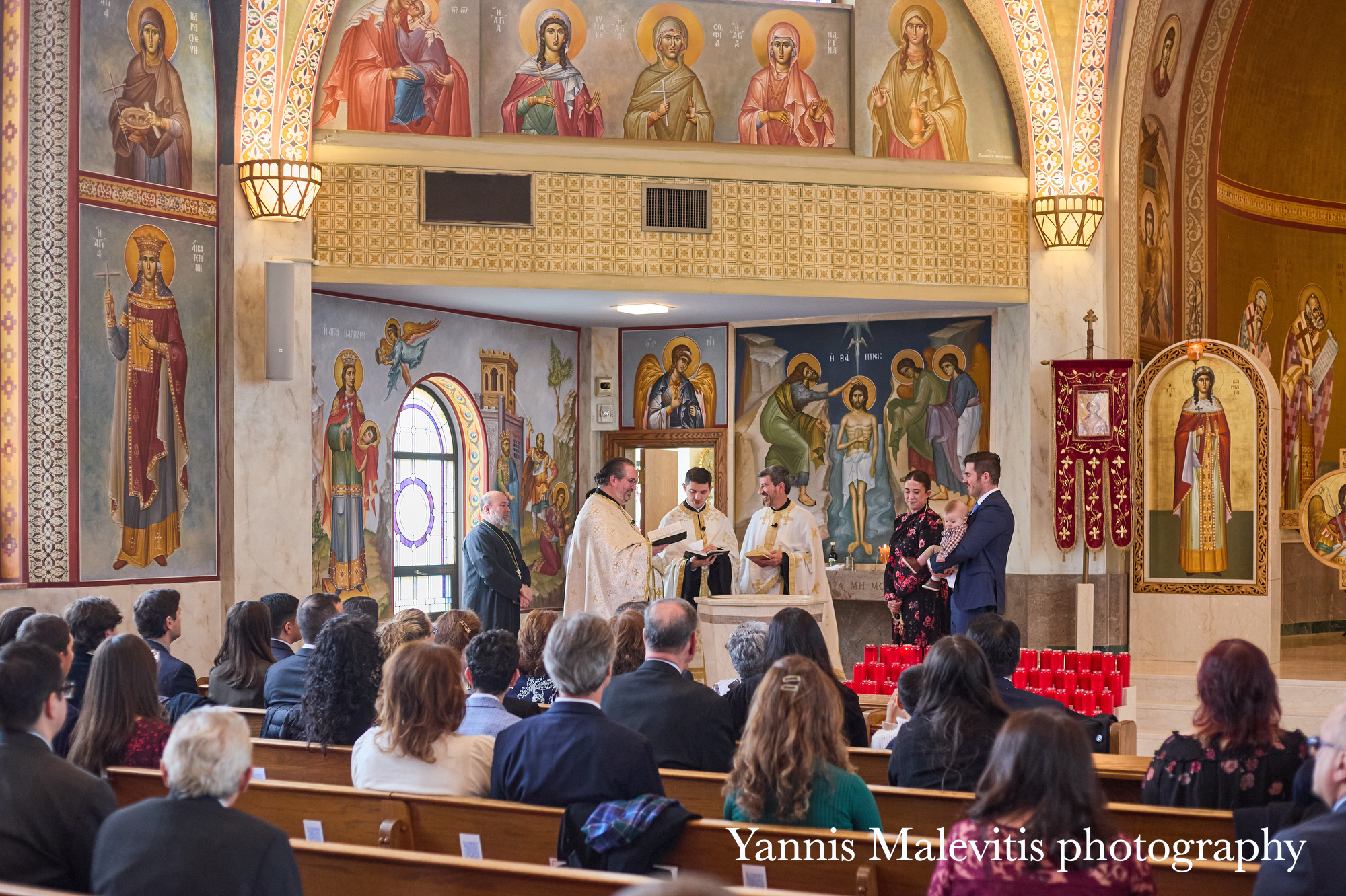
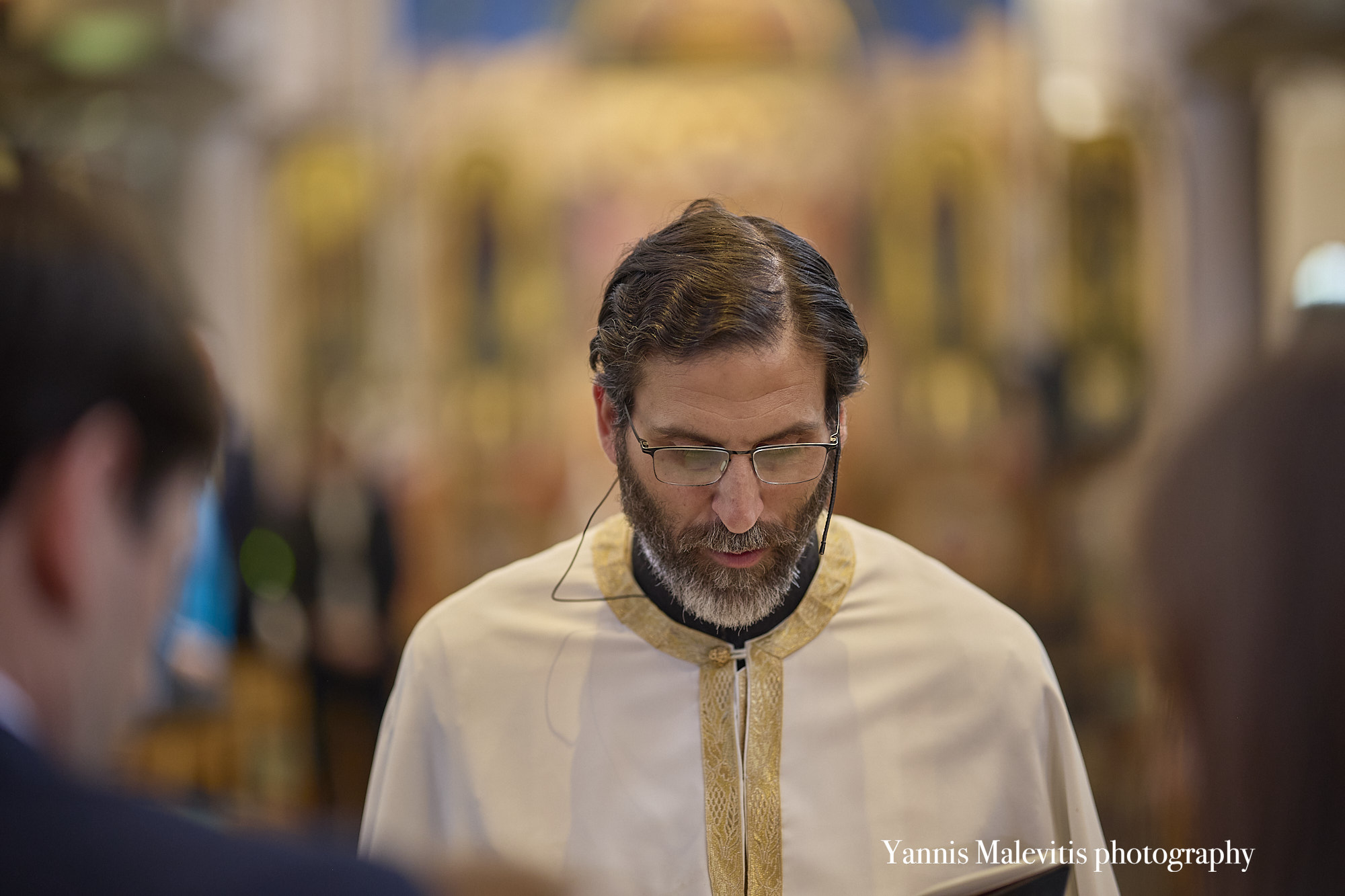
    I had the pleasure to photograph Angelina’s baptism at the Greek Orthodox Archdiocesan Cathedral of the Holy Trinity.

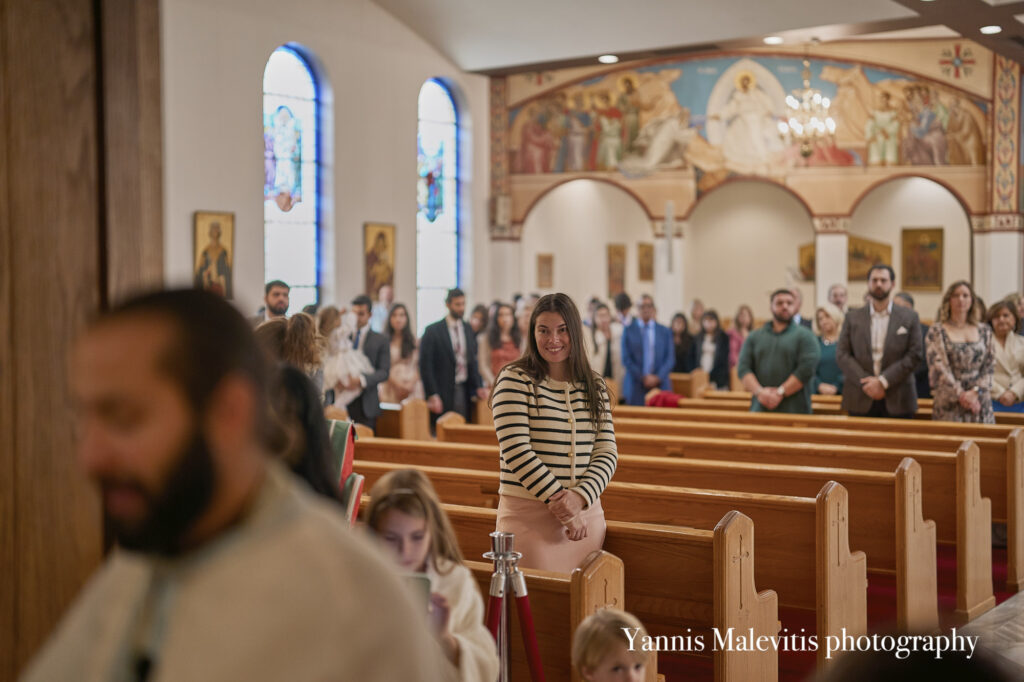
    The afternoon light filtered softly through the tall stained-glass windows of the Greek Orthodox Cathedral of the Holy Trinity, casting warm colors across the marble floors. As guests gathered in the narthex, there was a quiet hum of greetings, embraces, and the familiar warmth that comes when family and friends reunite for a joyful occasion.

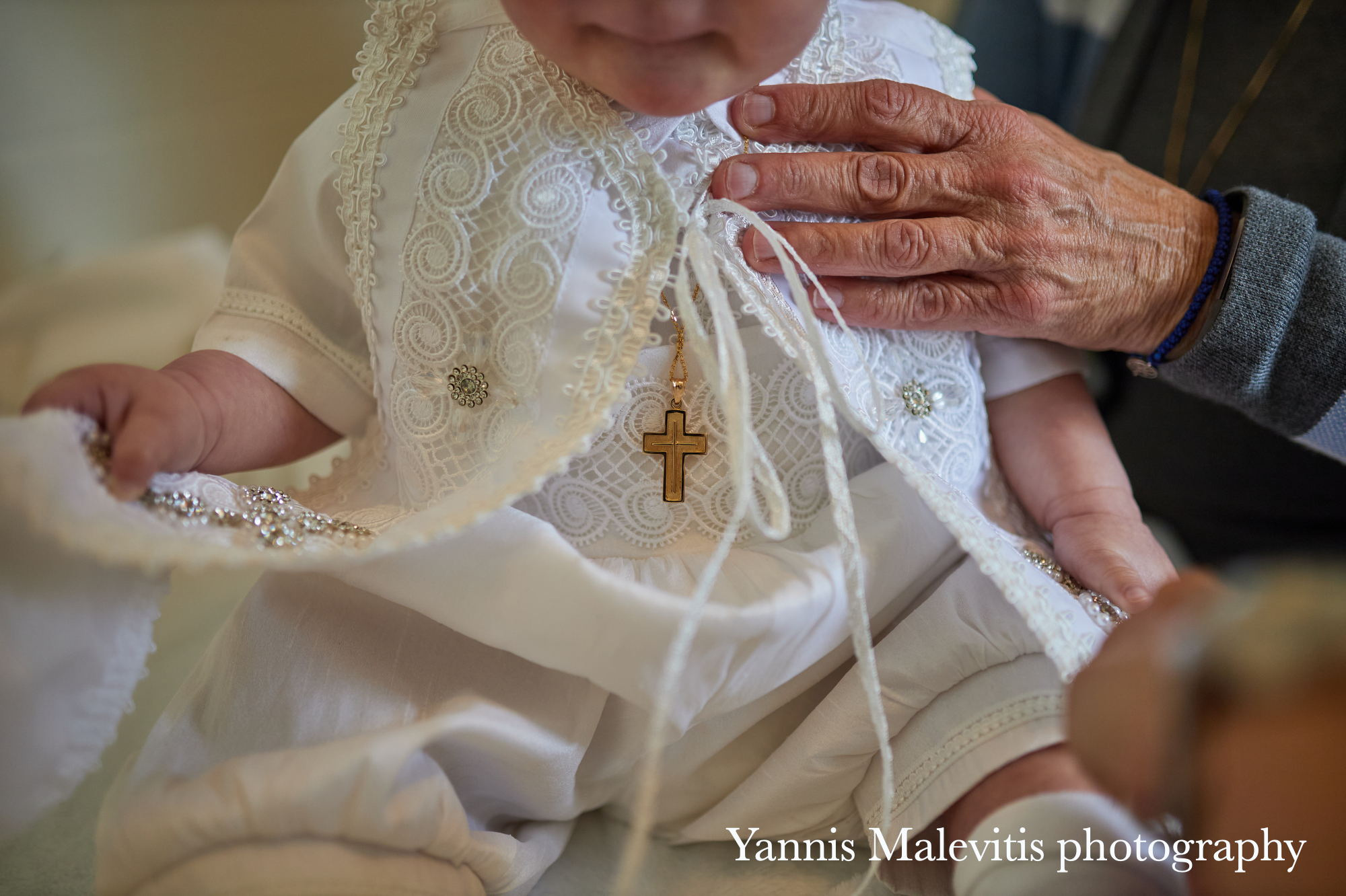
    At the center of it all was the little one—calm, curious, dressed in delicate white. Surrounded by proud parents and godparents, the child became the silent heart of the celebration, the reason everyone had come together on this sacred day.

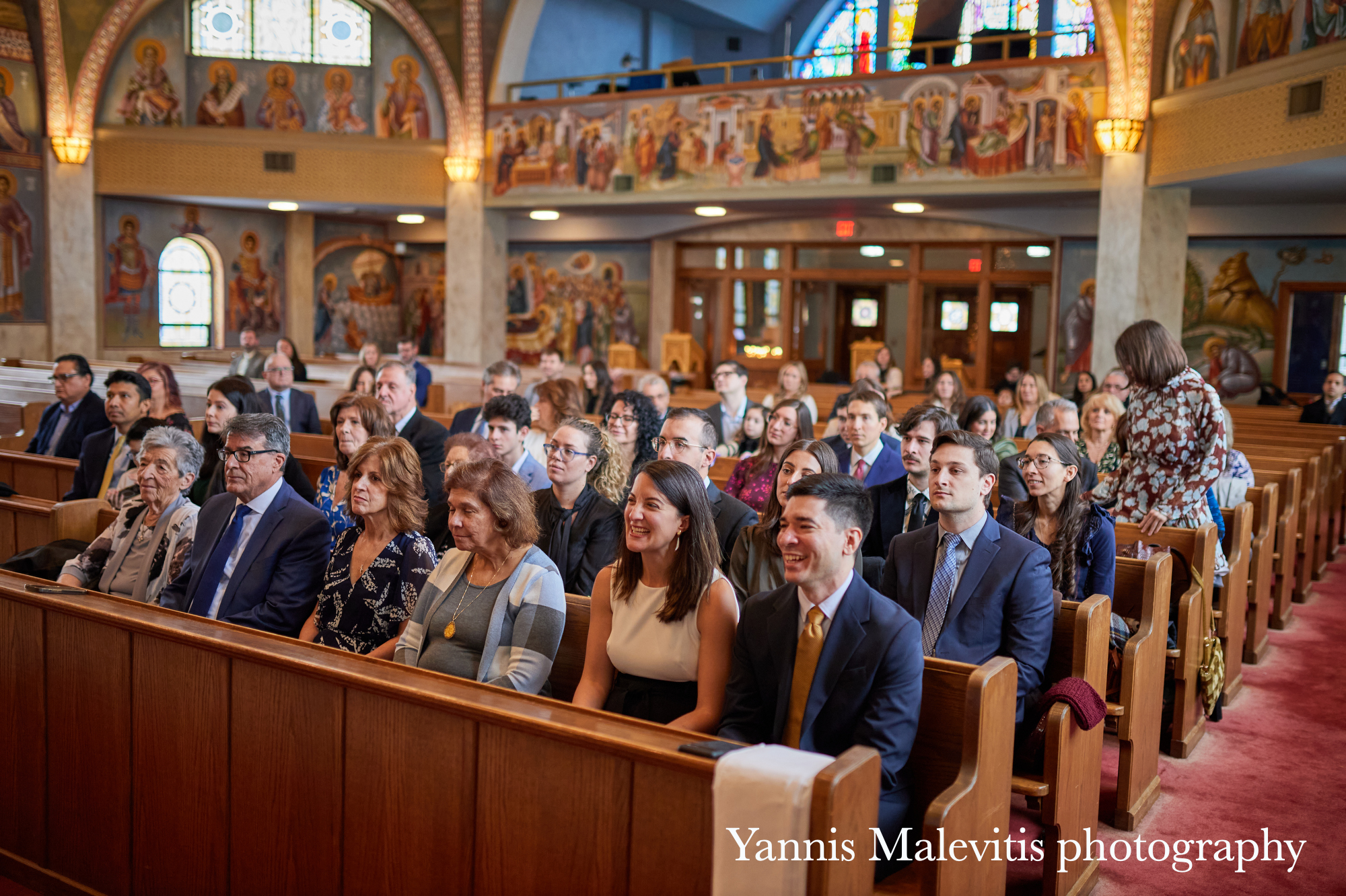
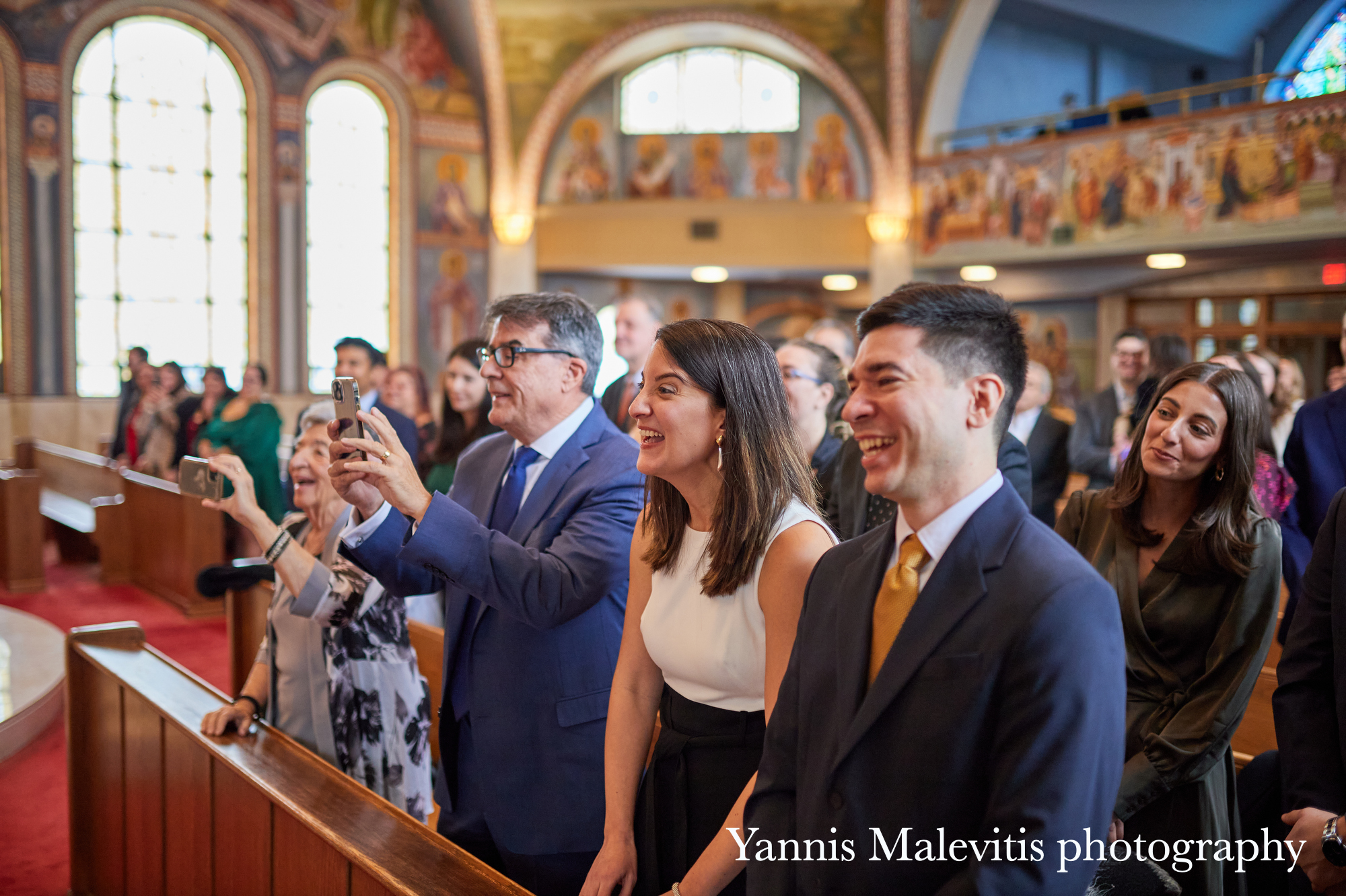
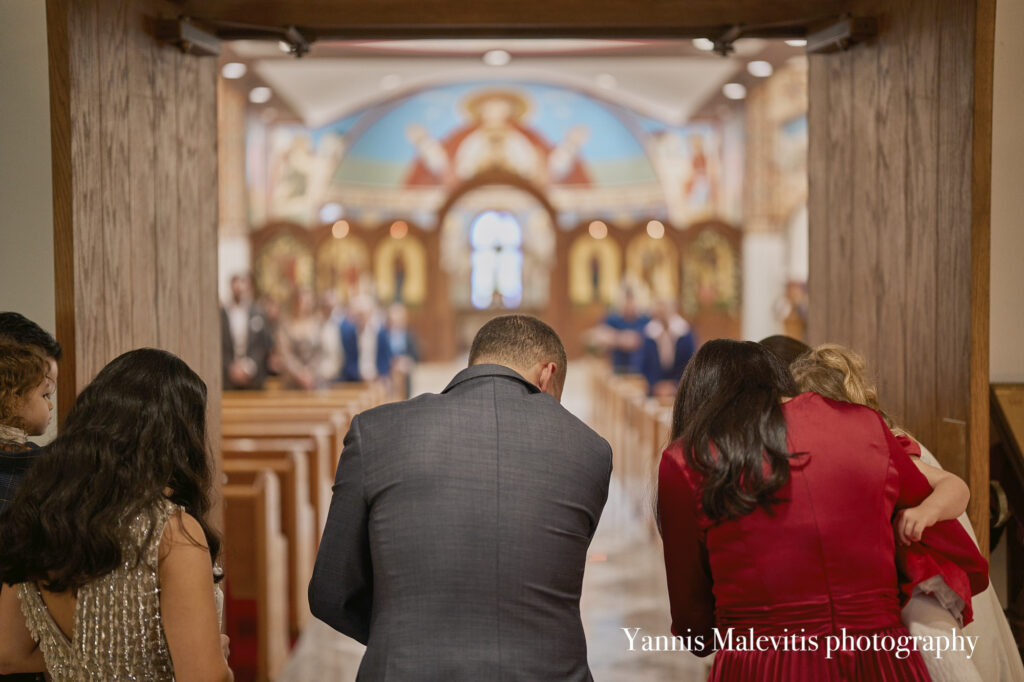
    In the pews beyond, relatives and friends stood in reverent silence. Their faces, lit by the cathedral’s warm glow, reflected a shared tenderness.

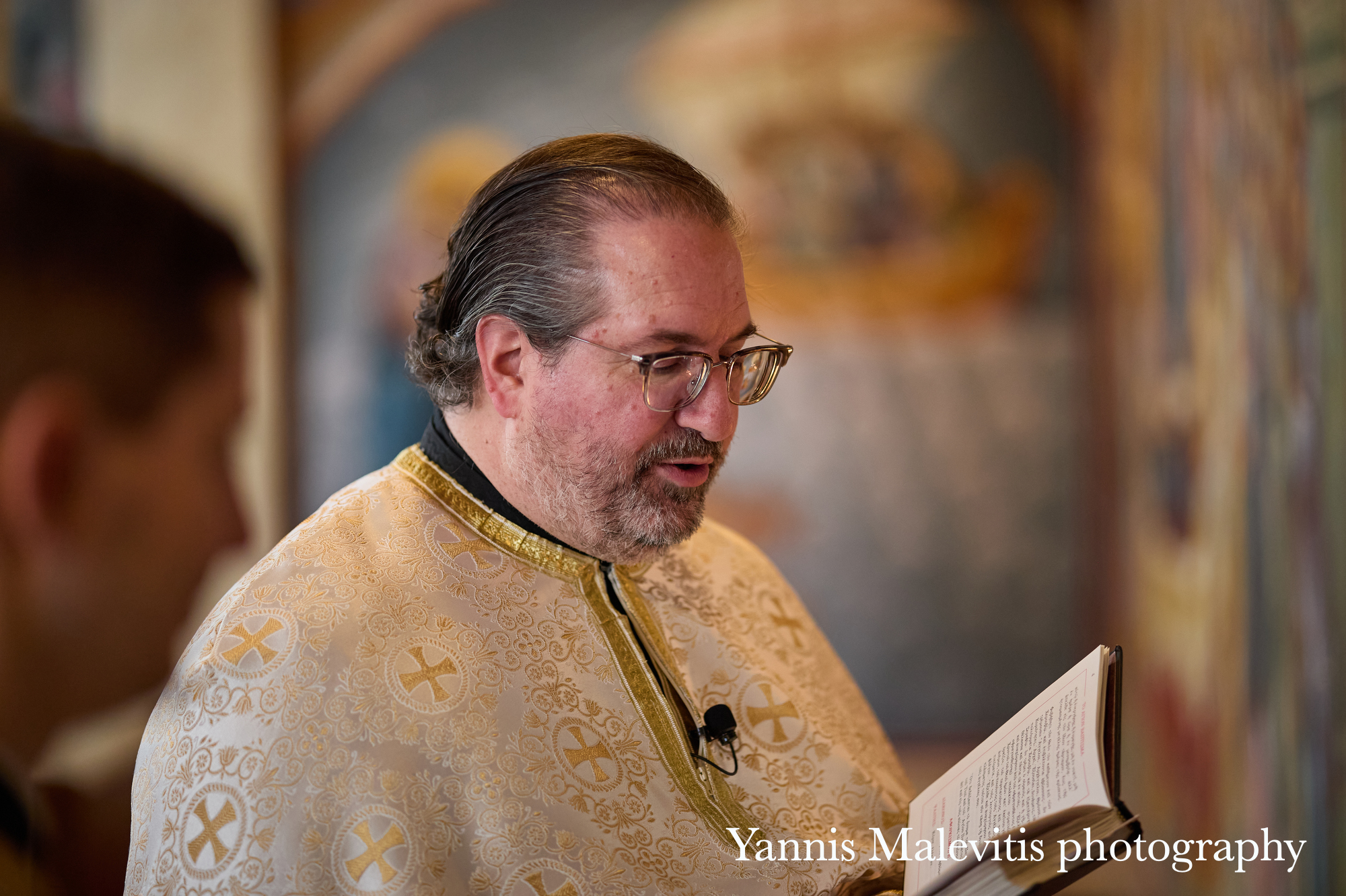
    The priest welcomed the family at the front of the cathedral, his vestments shimmering under the gentle glow of the chandeliers. 

    The sequence of the service is as follows:

    1. Reception and Naming of the Child

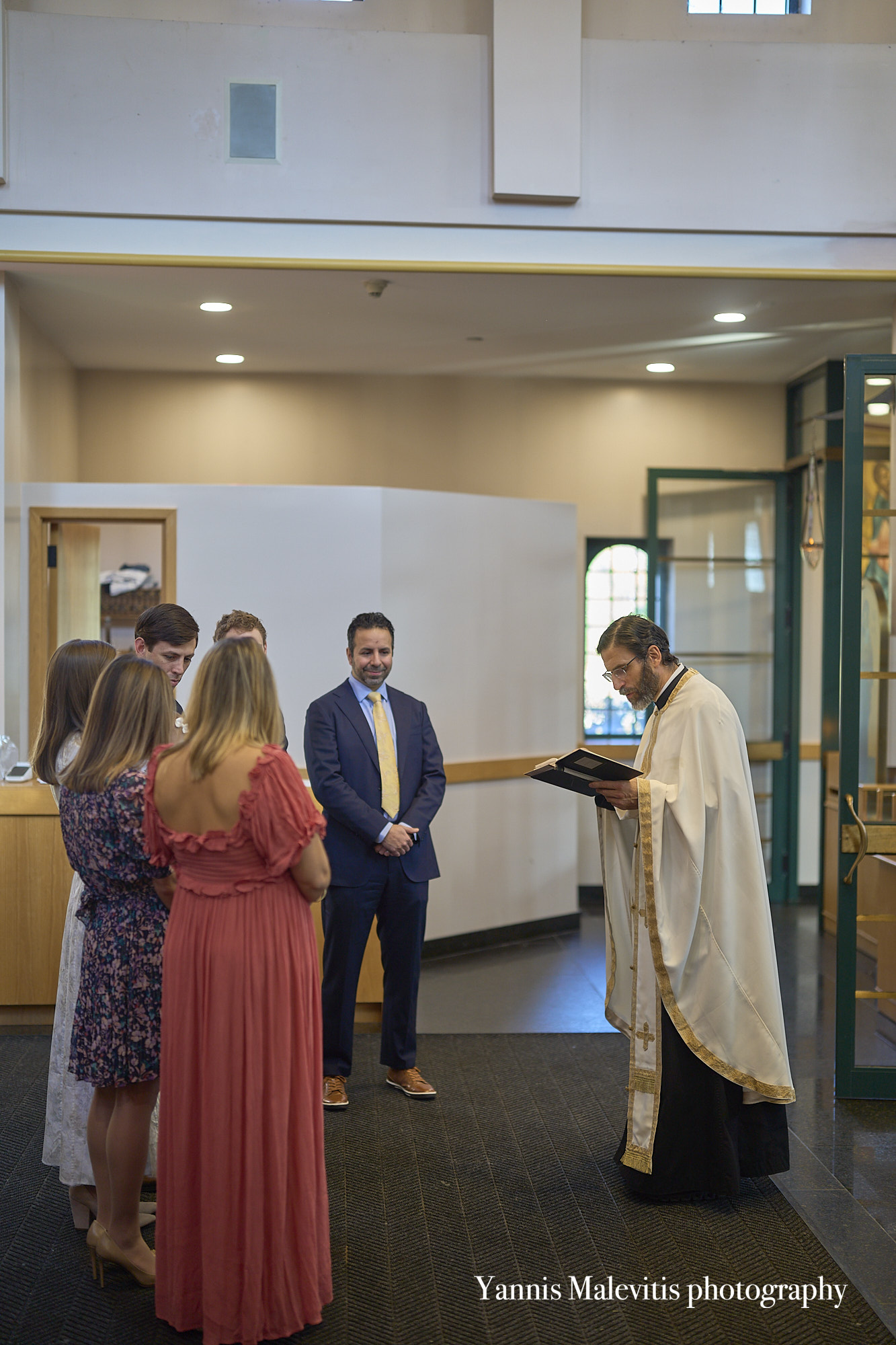
    The priest meets the family in the narthex and formally receives the child into the Church. At this moment, the child is given their Christian name, and the godparent assumes the spiritual responsibility to guide the child in the Orthodox faith.


    2. Renunciation of Satan and Profession of Faith

    Standing in the narthex, the godparent turns to the west and renounces Satan three times.

    Turning to the east, they profess the Orthodox Christian faith and recite the Nicene Creed, declaring the child’s entry into the light of Christ.


    3. Entrance Into the Nave

    The priest leads the family and the newly received child into the main body of the church. Prayers are offered for the child’s protection, enlightenment, and spiritual growth.


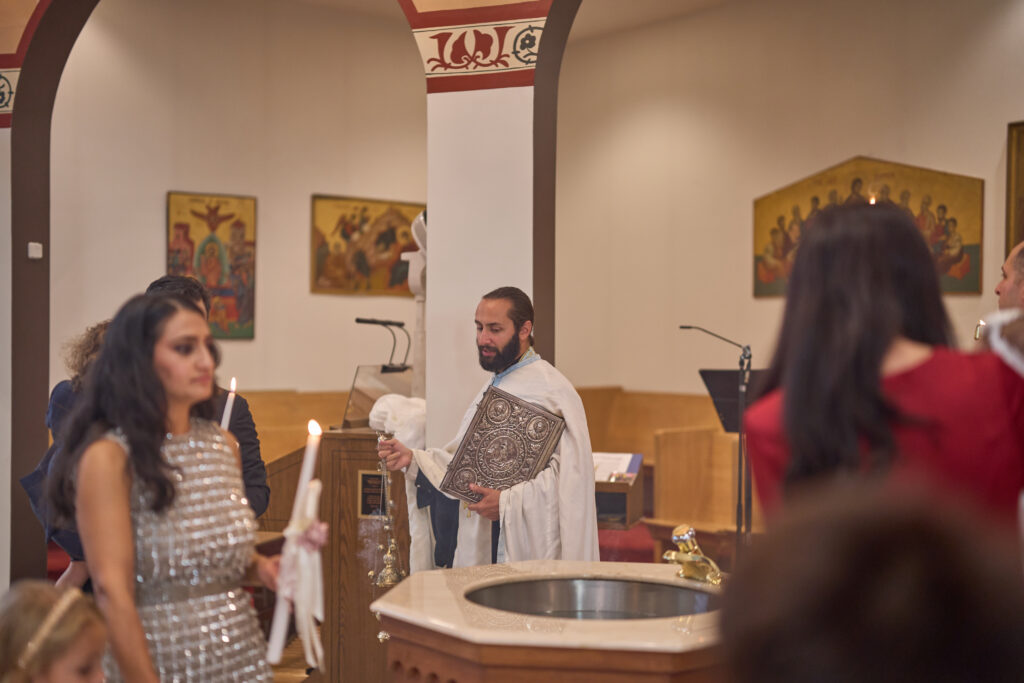
    4. Blessing of the Baptismal Water

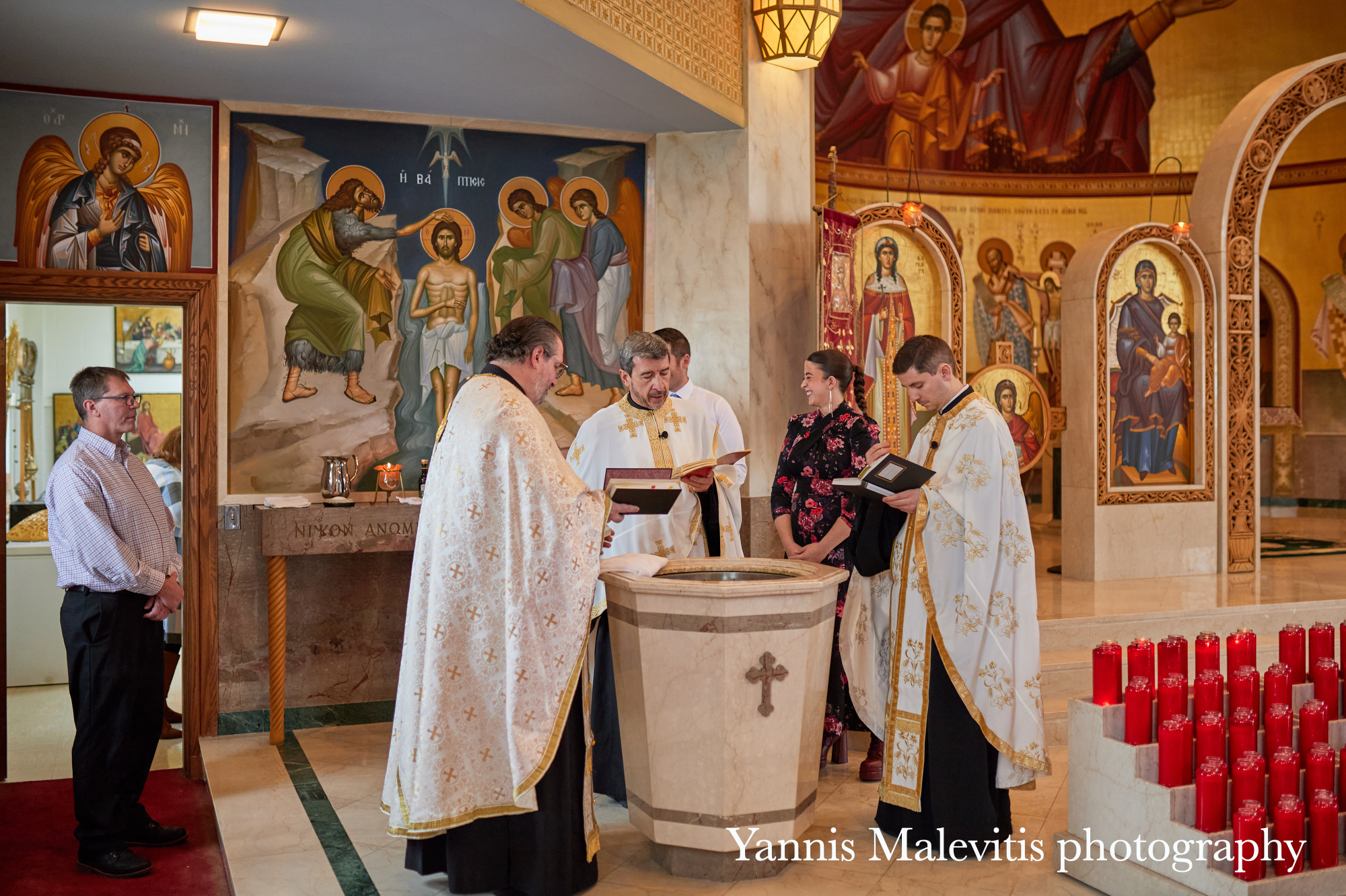
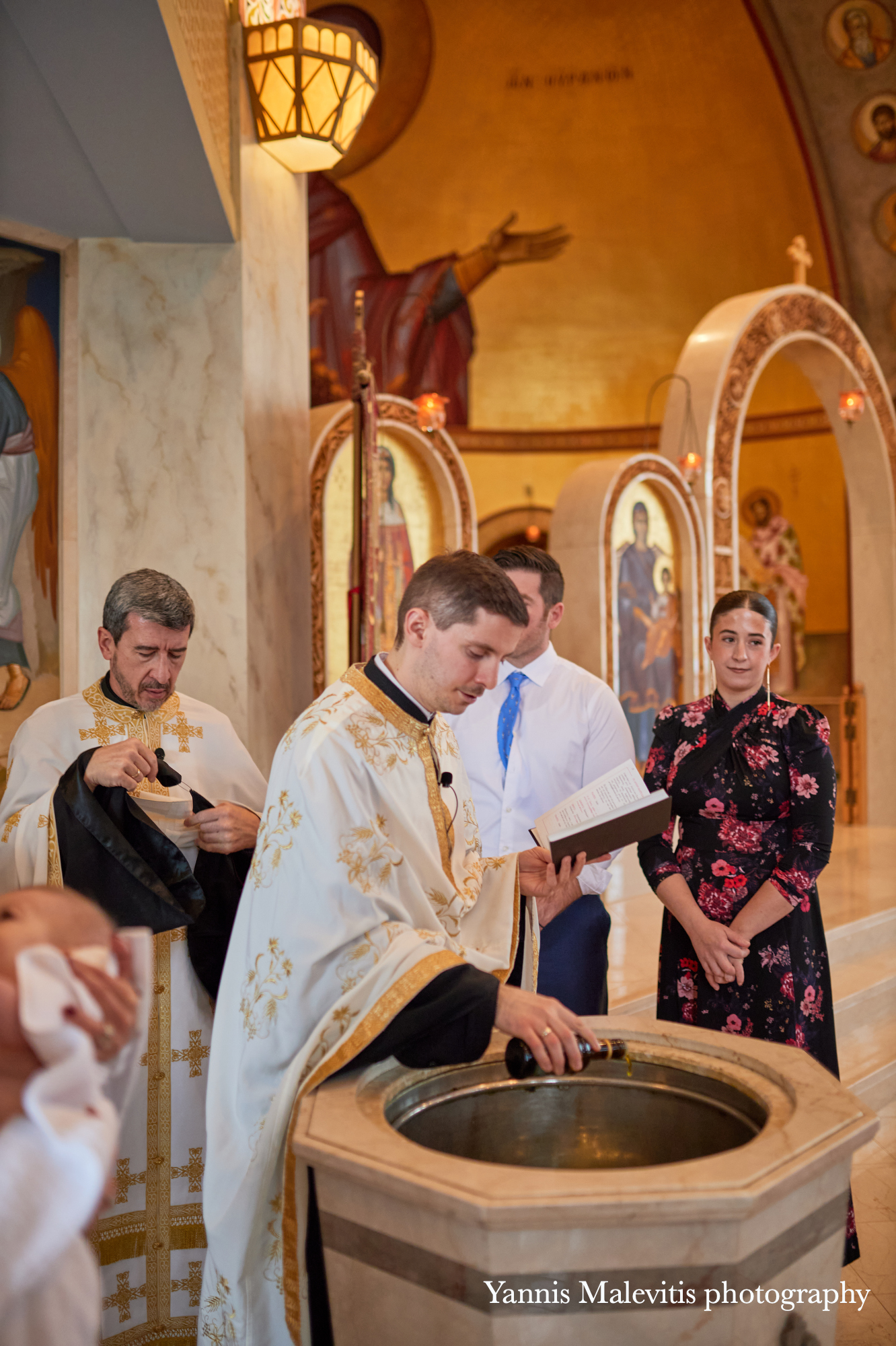
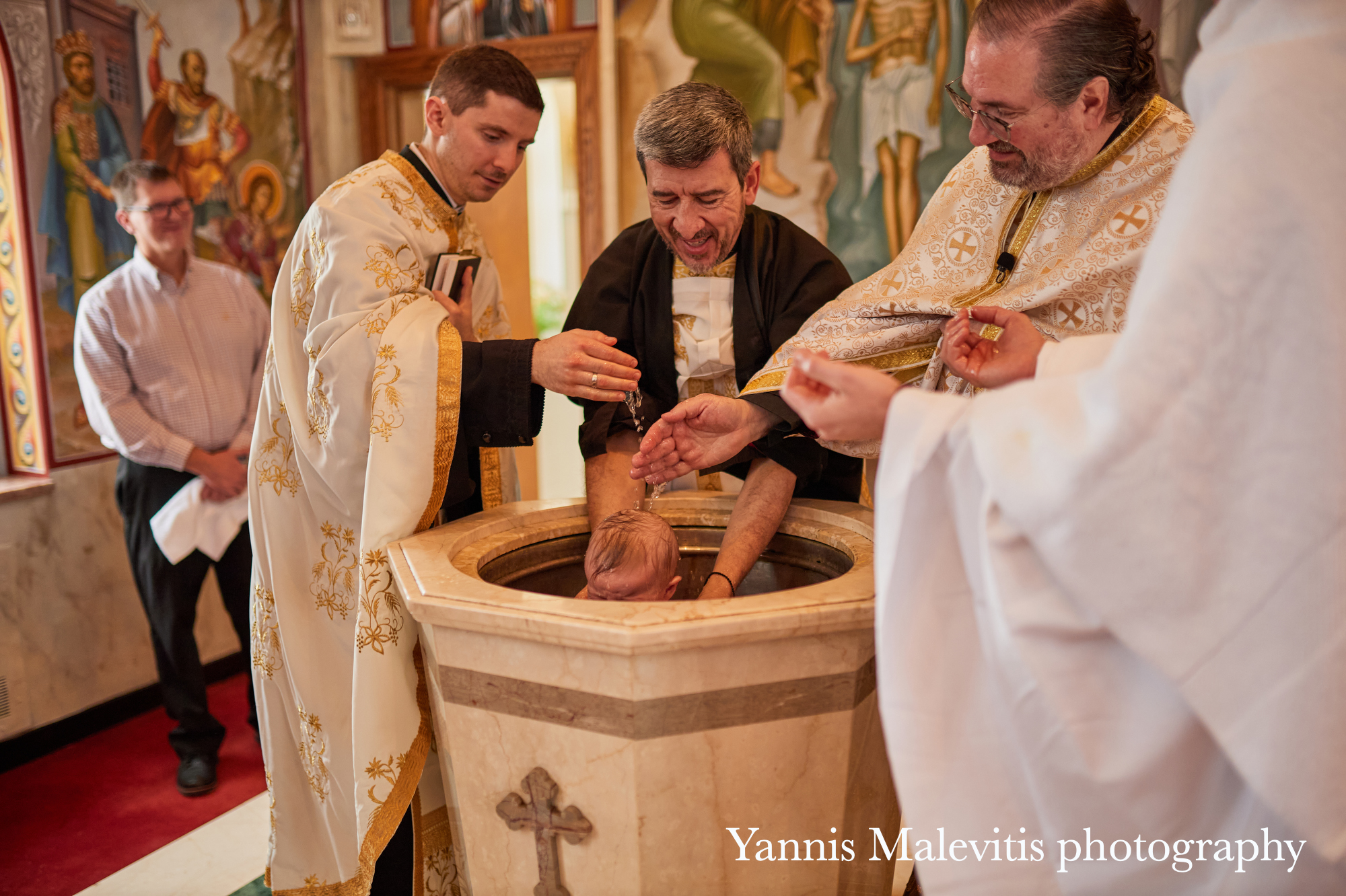
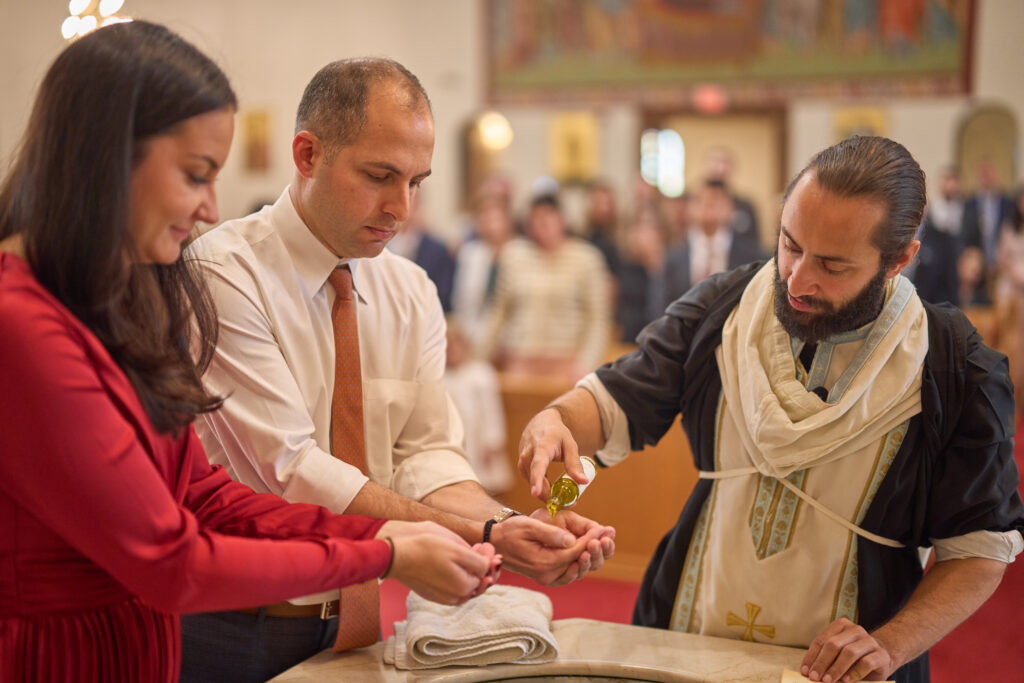
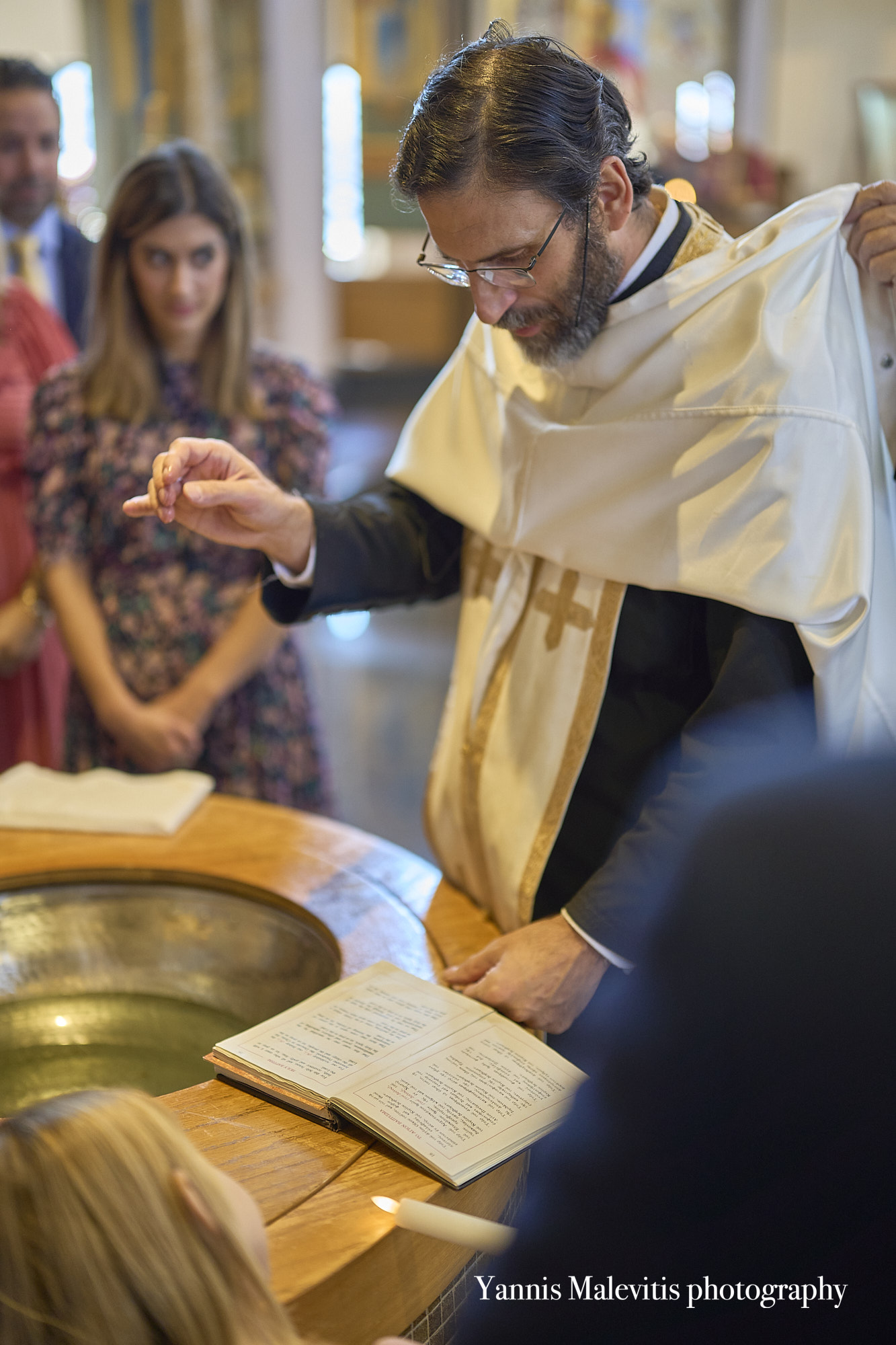
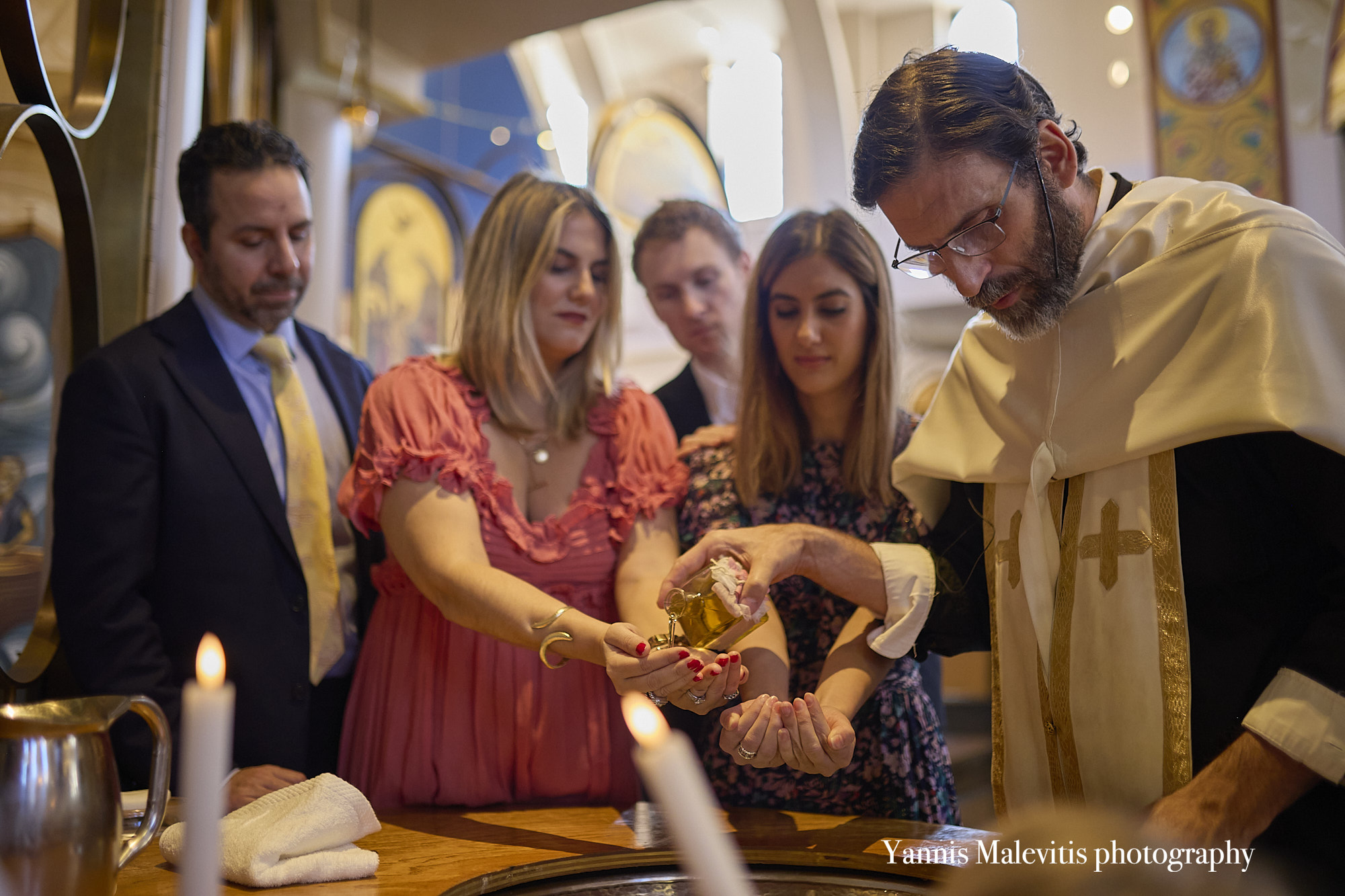
    At the font, the priest blesses the water through prayer and symbolic actions, including breathing over it in the form of a cross. Blessed oil is also added to the water, signifying joy and preparation for the sacrament.


    5. Pre-Baptismal Anointing

    The child is anointed with the Oil of Gladness on the chest, back, hands, feet, ears, and mouth. This anointing symbolizes strength and readiness to receive new spiritual life in Christ.


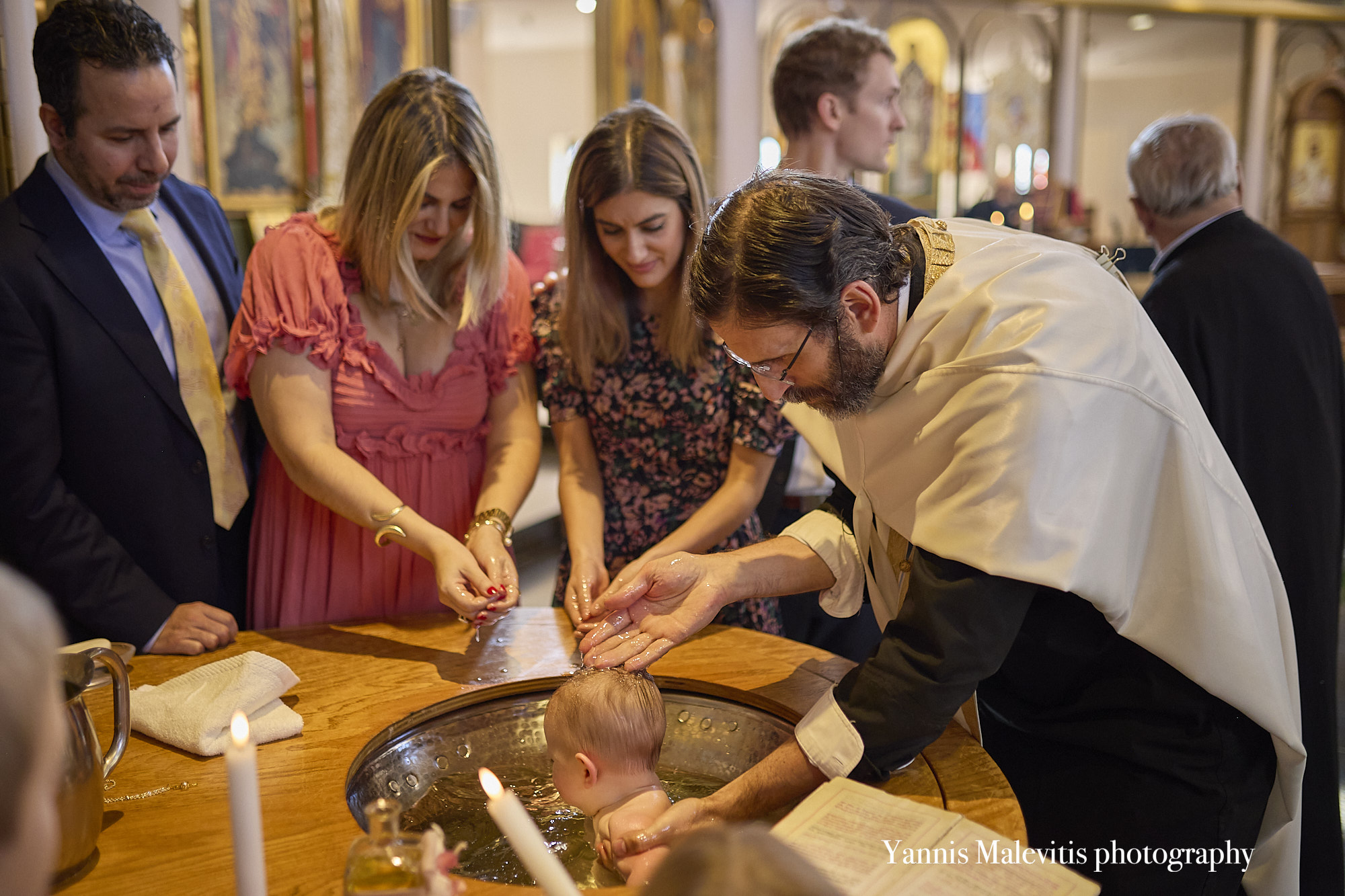
    6. The Baptism by Triple Immersion

    The priest immerses the child three times into the blessed water, invoking the name of the Father, the Son, and the Holy Spirit. Through this act, the child mystically dies and rises with Christ, entering into the fullness of the Christian faith.

    7. The Sacrament of Holy Chrismation

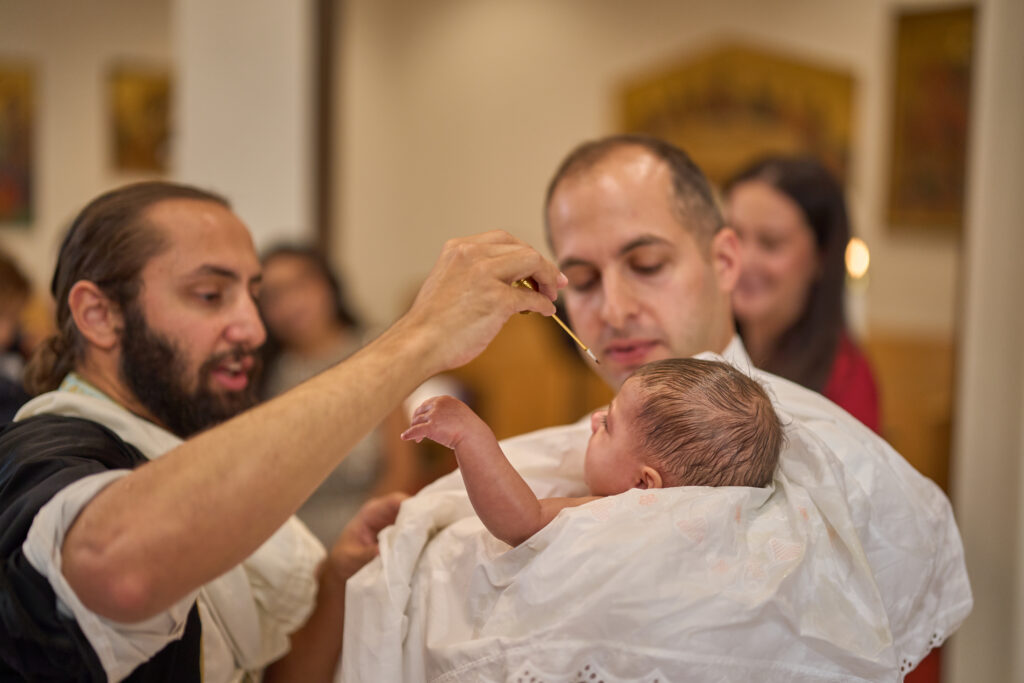
    Immediately following baptism, the priest anoints the child with Holy Chrism (Myrrh) on the forehead, eyes, nose, mouth, ears, chest, hands, and feet. This seals the newly baptized with the gifts of the Holy Spirit.

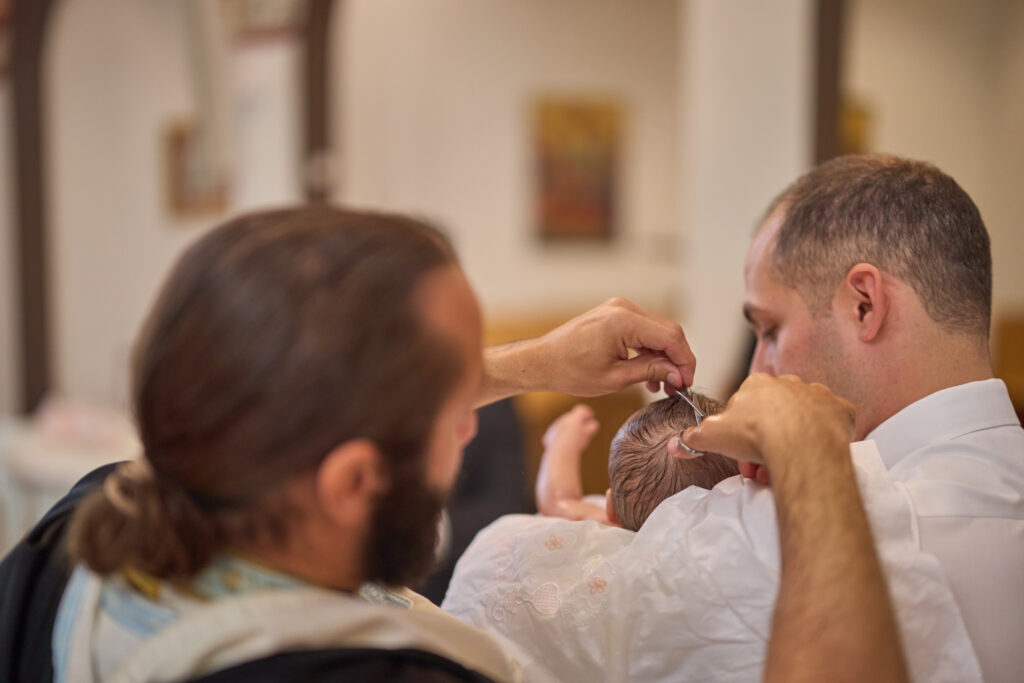
    8. Tonsure

    The priest cuts small locks of hair from the child’s head in the form of a cross. This act symbolizes the child’s first offering to God and the dedication of their life to Christ.


    9. Vesting in the Baptismal Garment

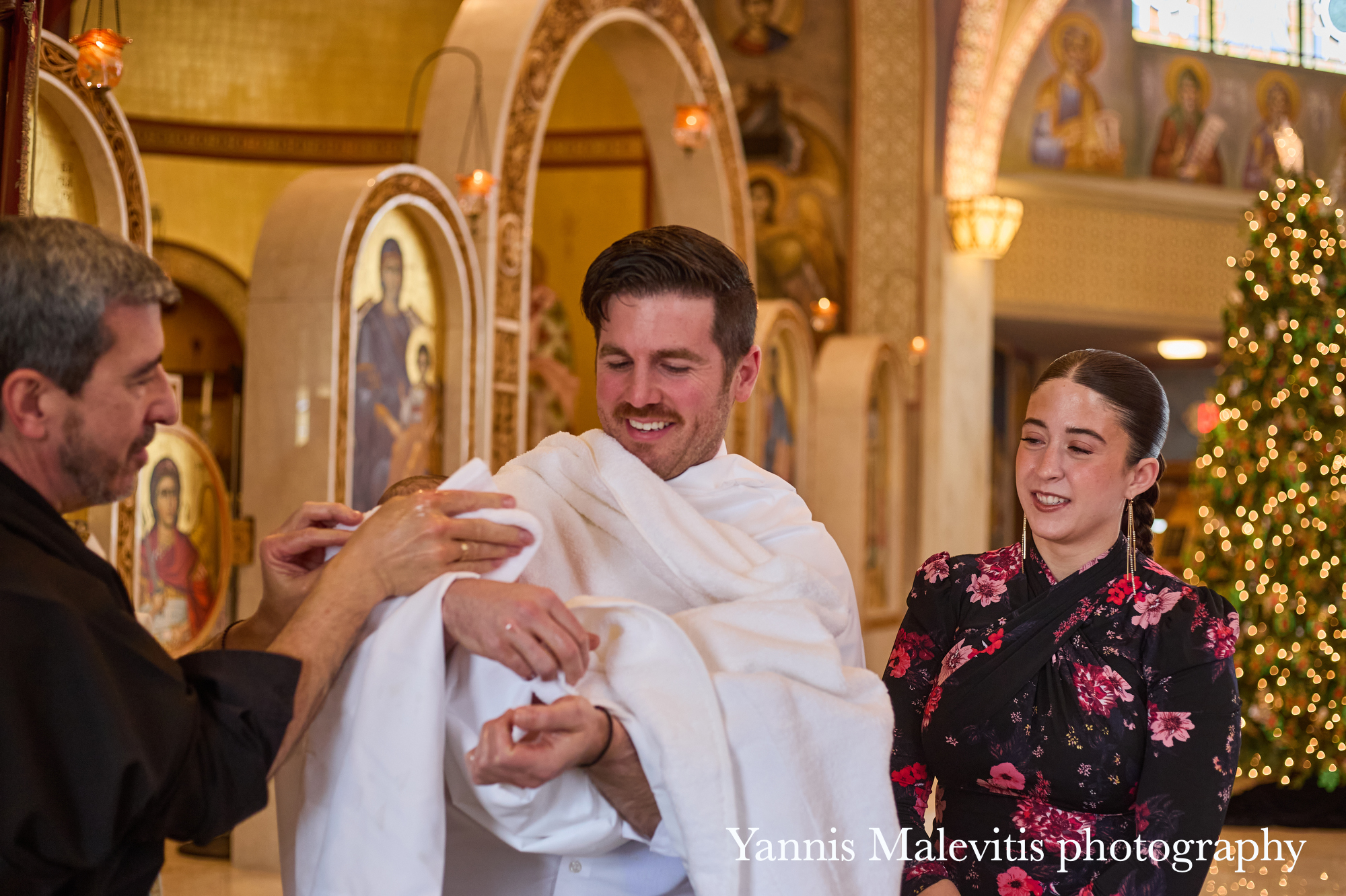
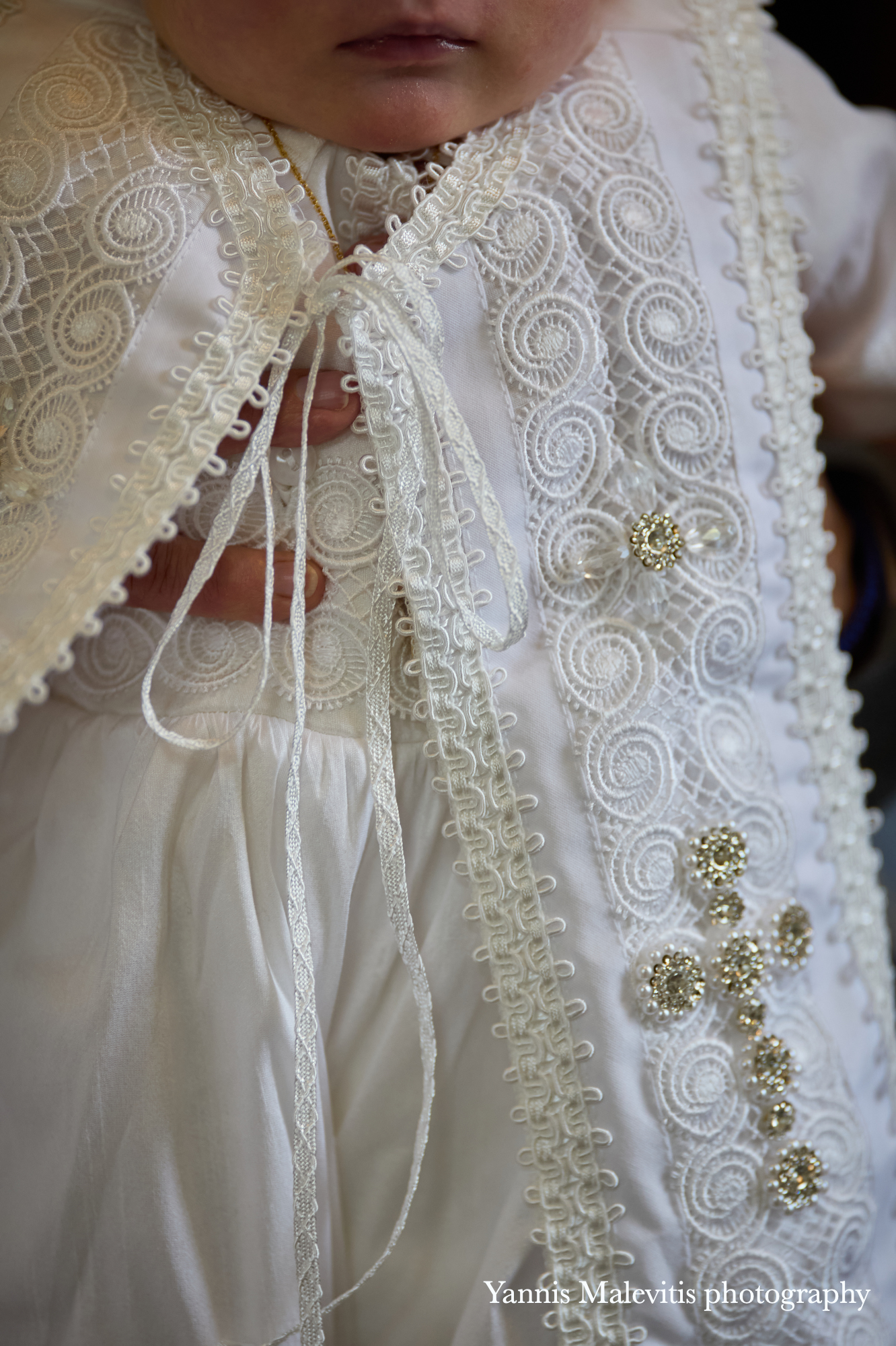
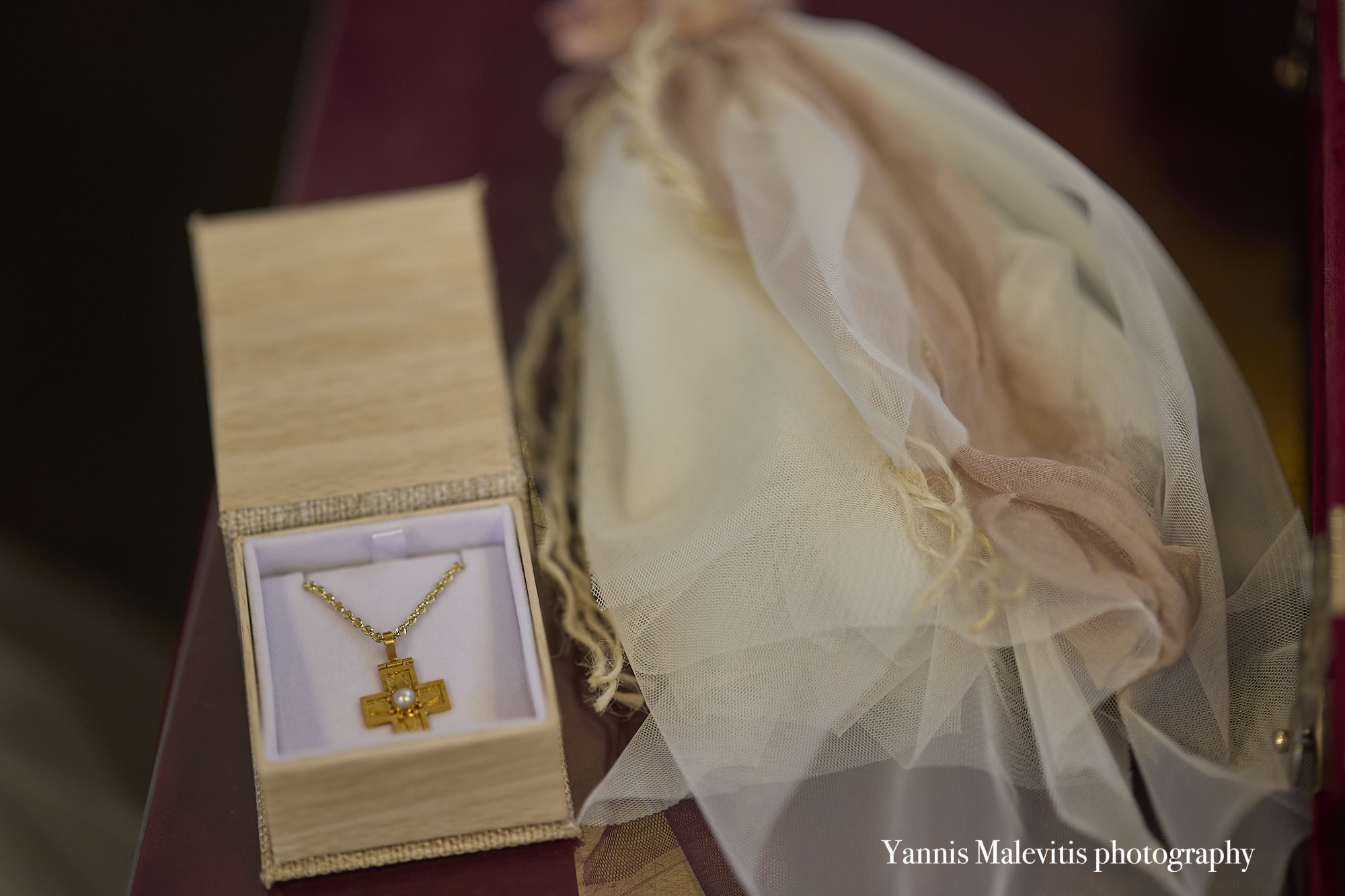
    The child is clothed in white garments, signifying purity, renewal, and the new life bestowed through baptism.


    10. Procession Around the Font

    Priest, godparent, and child circle the baptismal font three times as hymns are chanted. This joyous procession reflects the child’s entrance into the community of the Church.


    11. Holy Communion

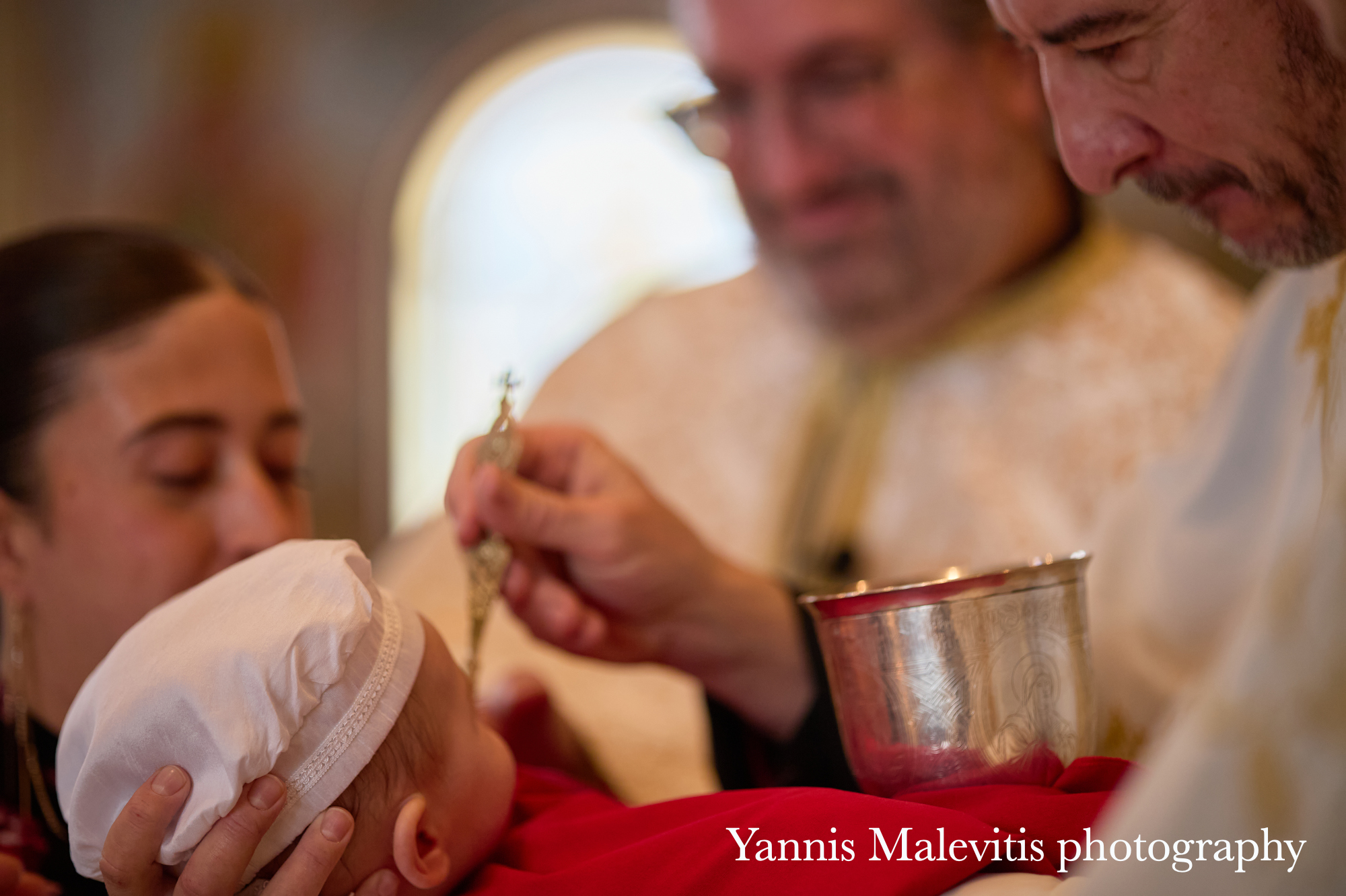
    As a full member of the Orthodox Church, the child receives Holy Communion for the first time, partaking of the Body and Blood of Christ.


    12. Final Blessing and Presentation

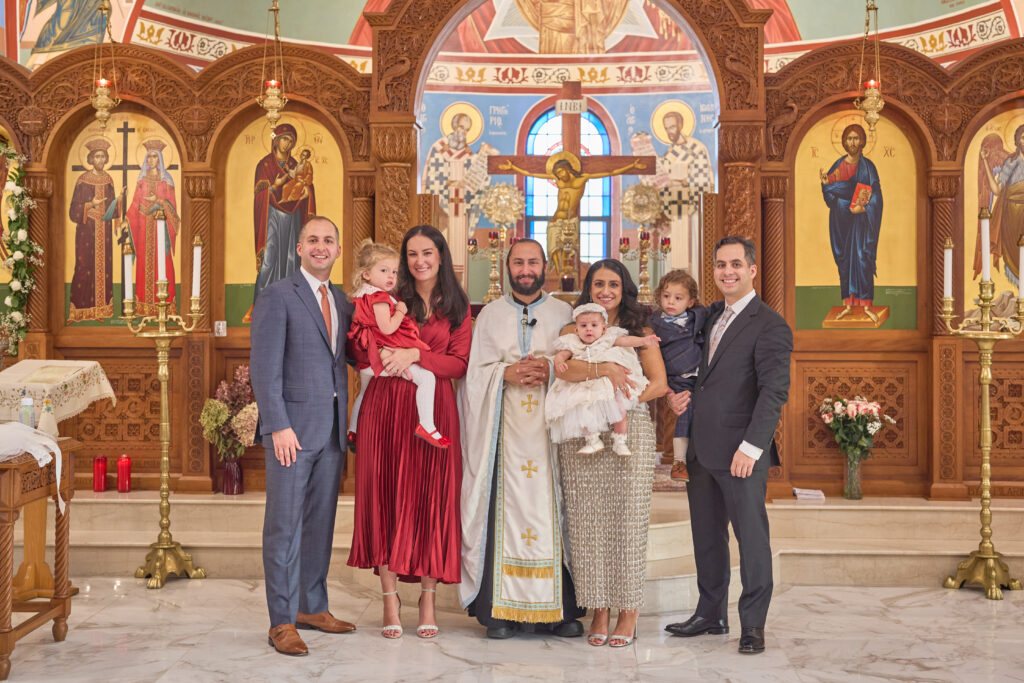
    The priest offers the final prayers and blessings, then presents the newly baptized child to the family and gathered congregation, who joyfully welcome the child into the faith.

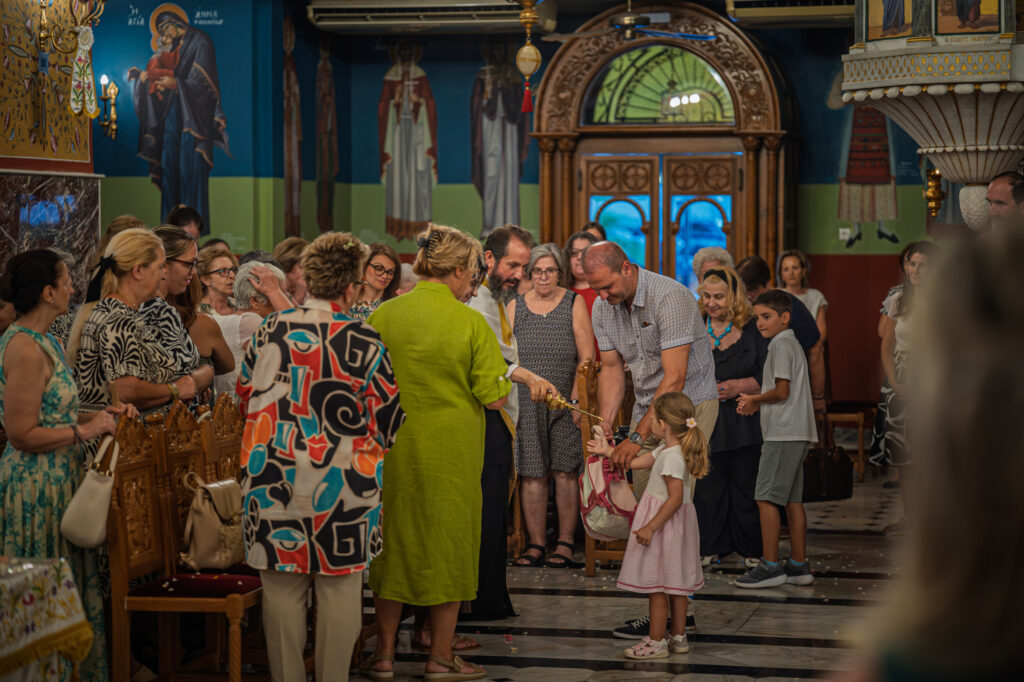
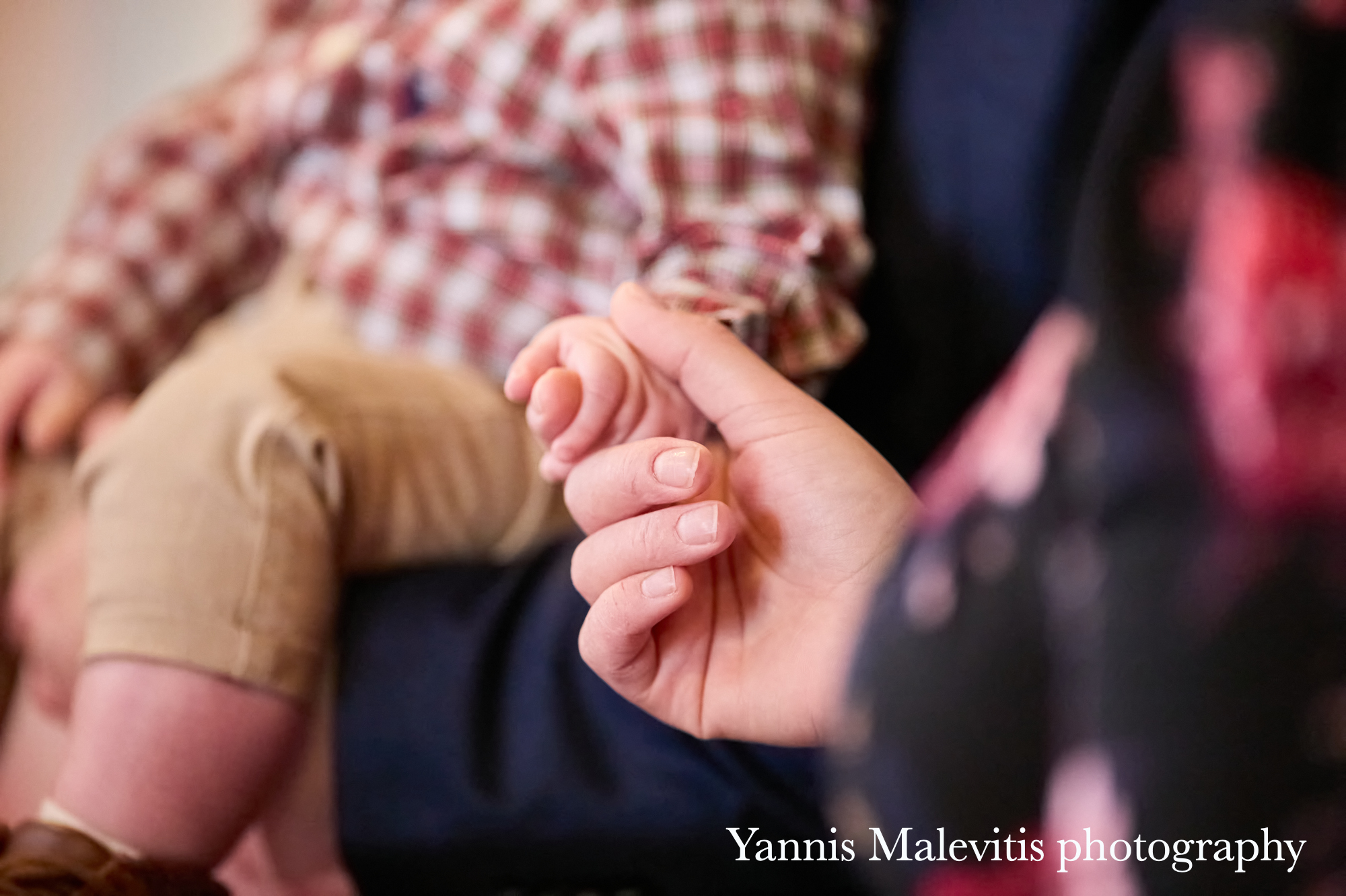
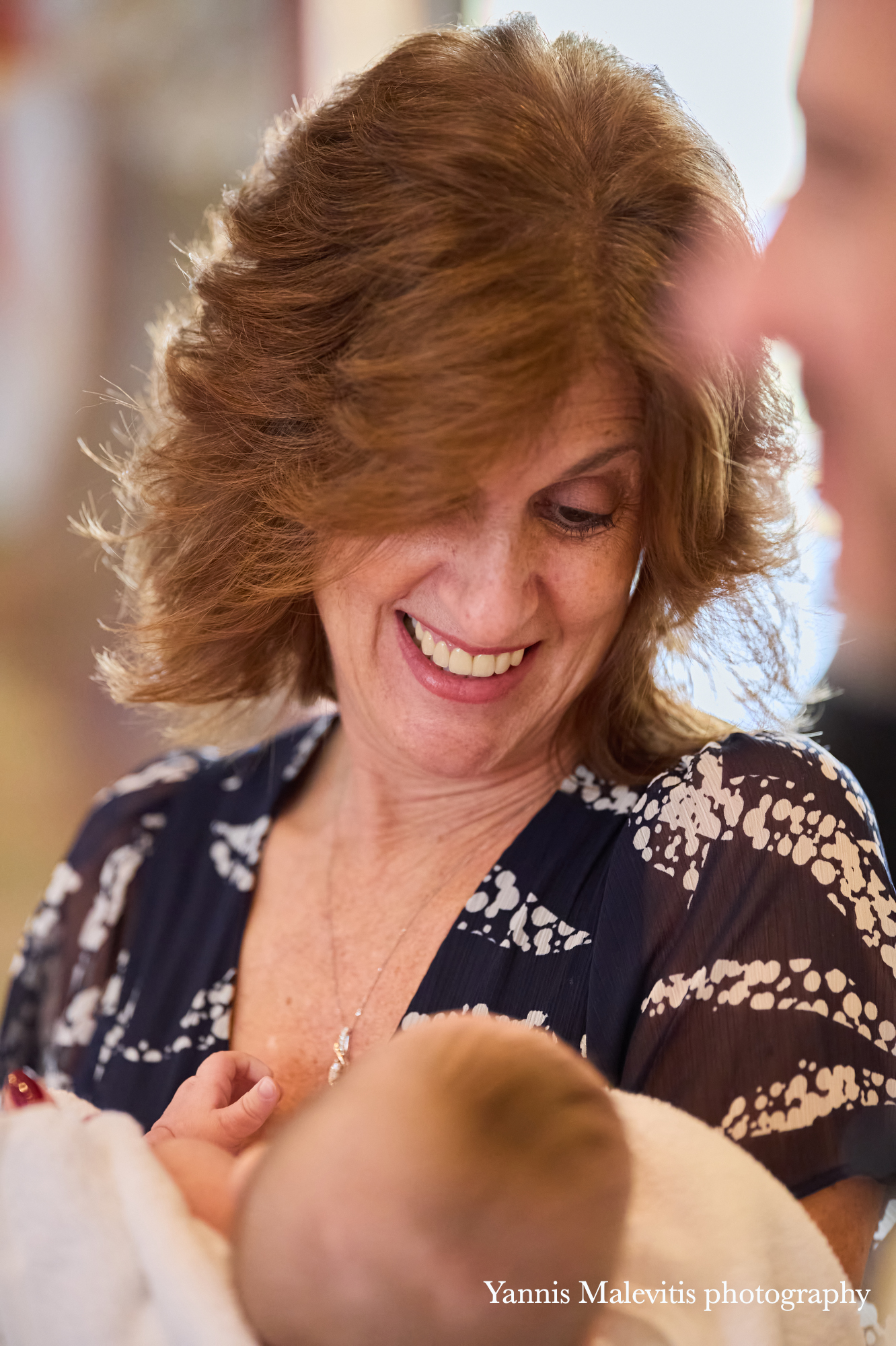
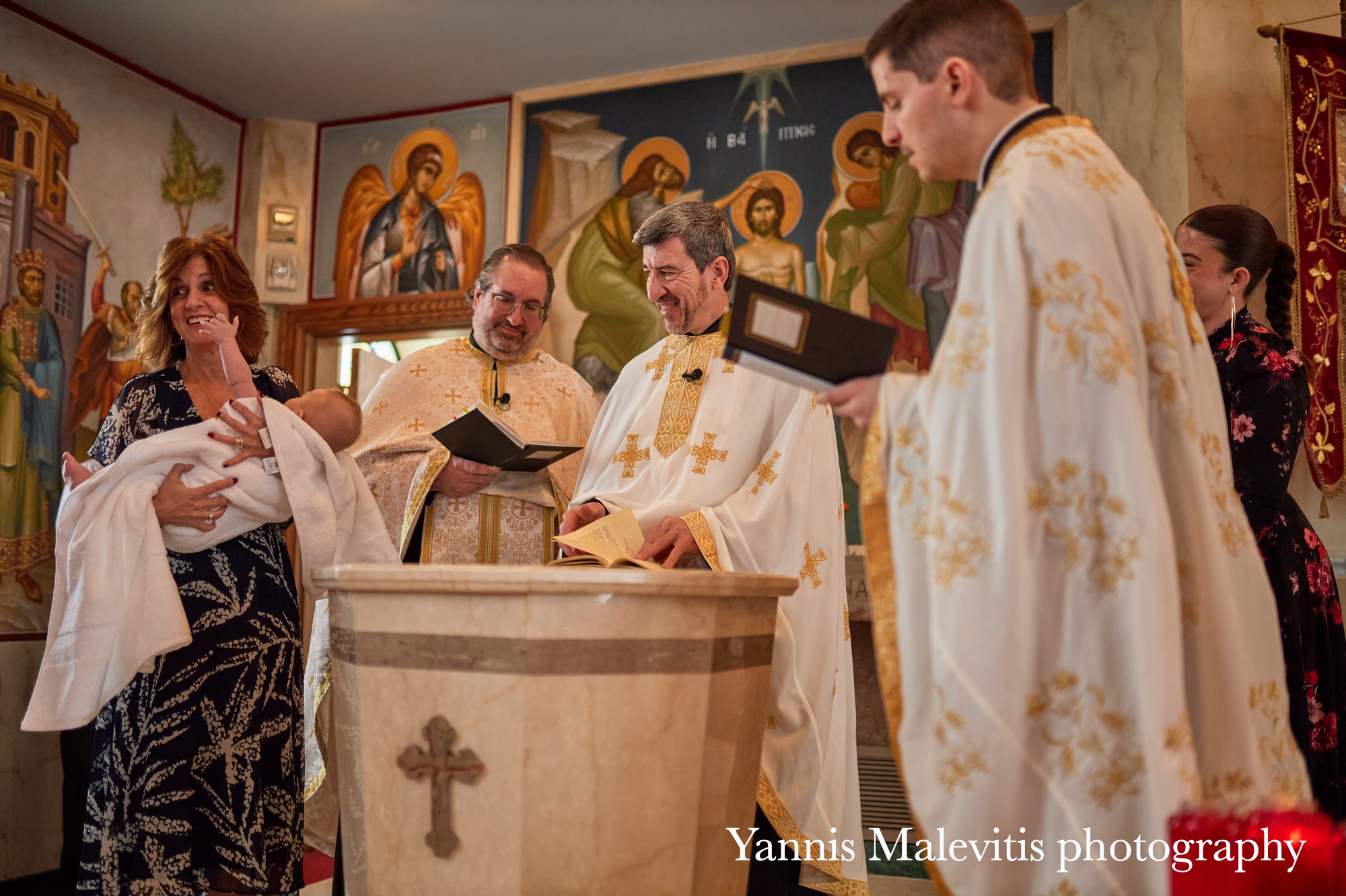
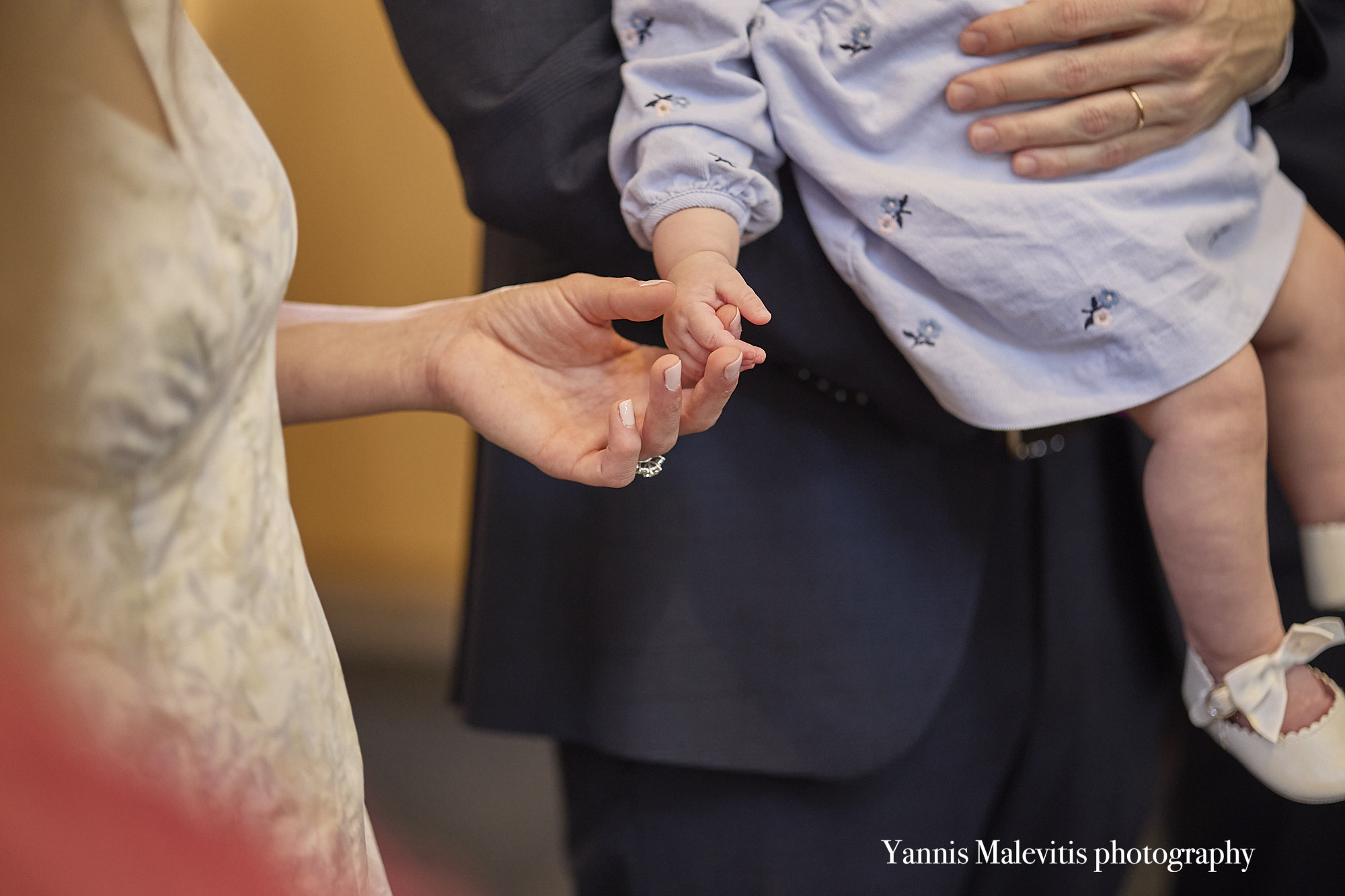
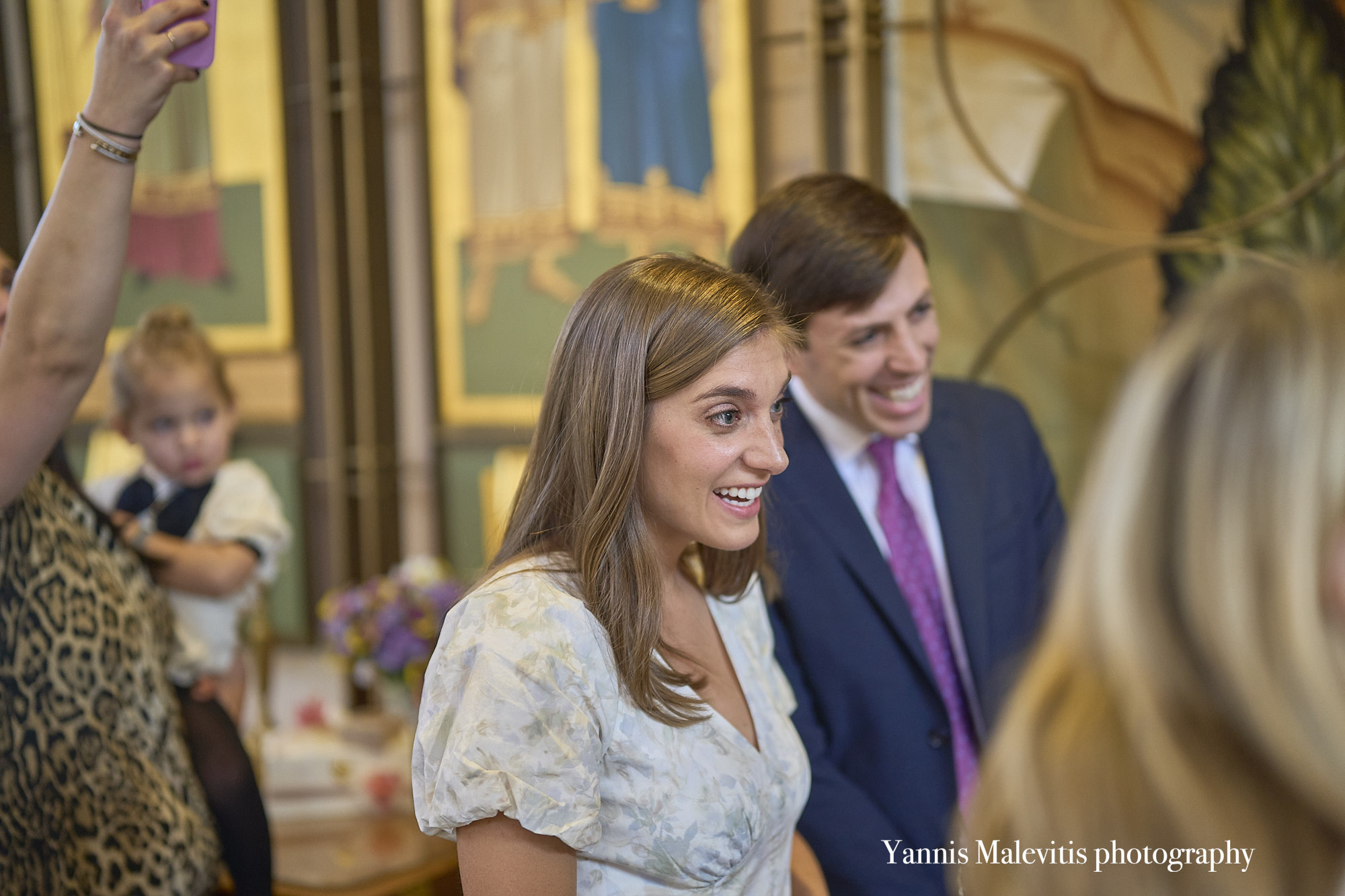
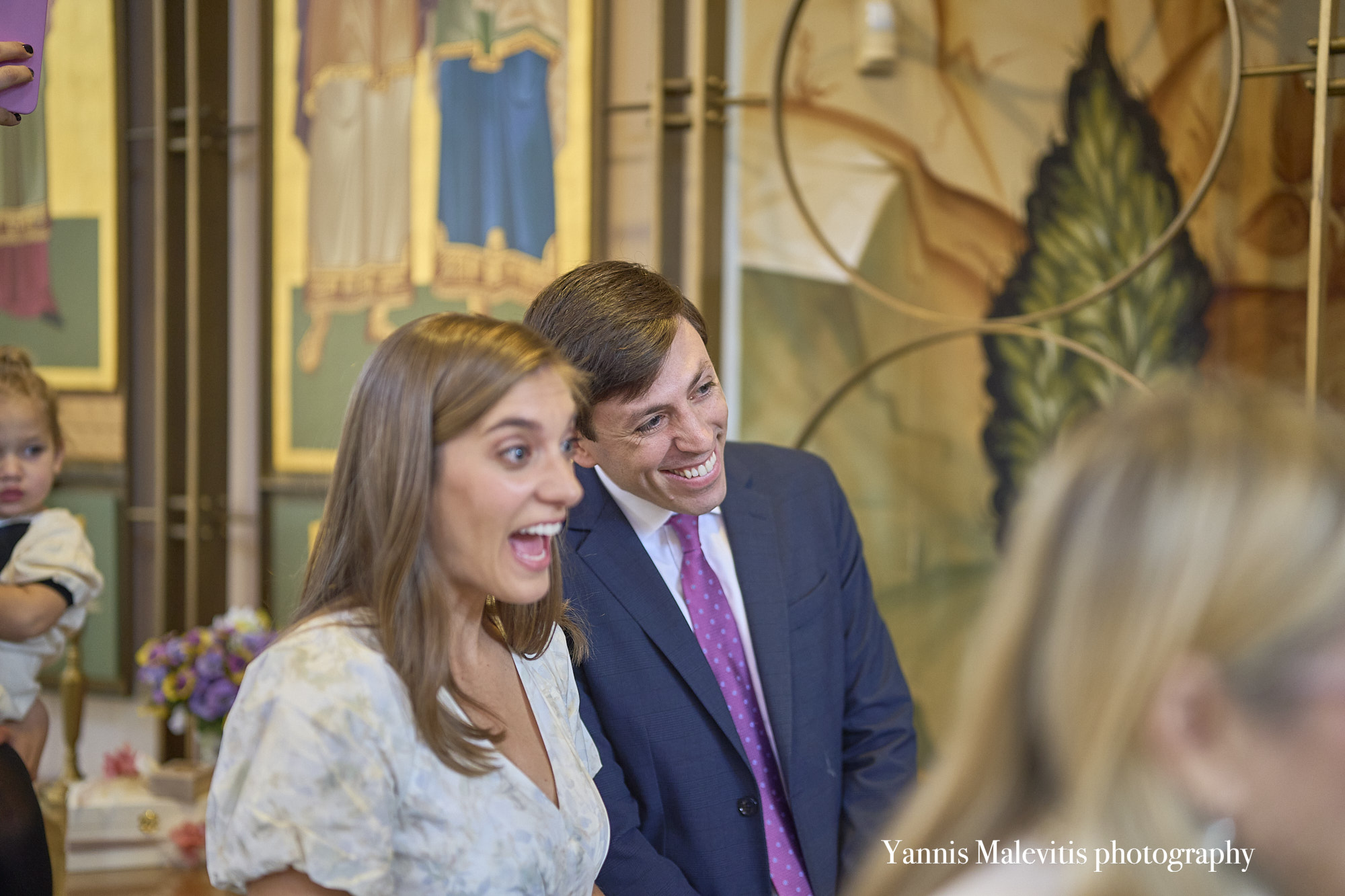
    After the ceremony, the atmosphere turned even brighter. Guests gathered around the baby, offering wishes, kisses, and gentle touches on tiny hands. The parents glowed—proud, grateful, and perhaps a bit overwhelmed by the outpouring of love.

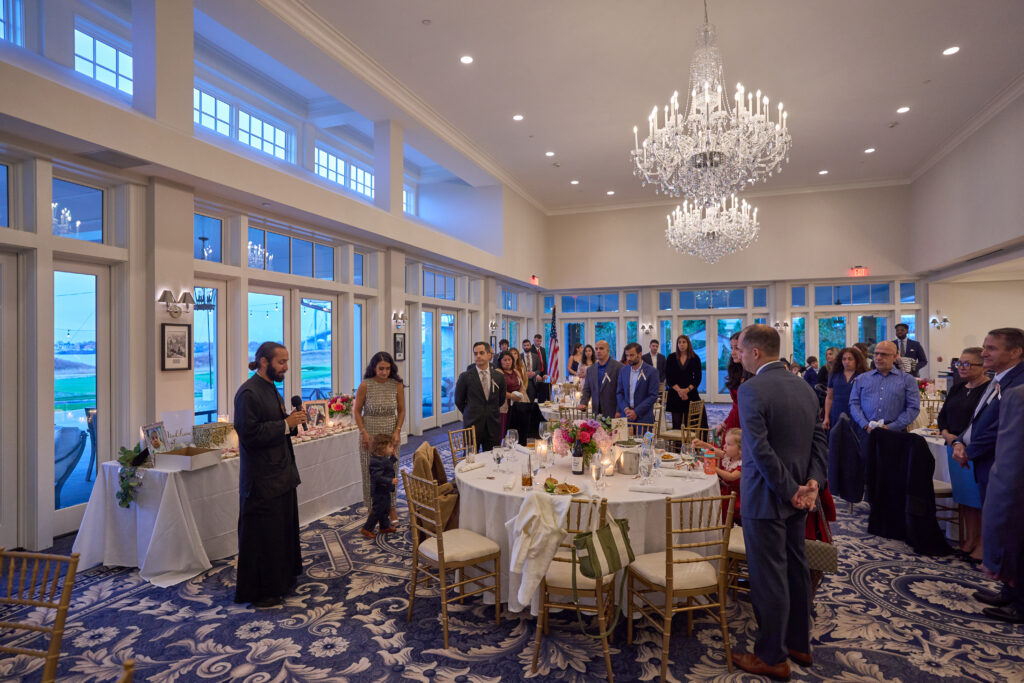
    In the reception that followed, there were embraces, laughter, and shared stories between people who hadn’t seen each other in years. The baby, now fully settled in everyone’s arms, became the joyful thread weaving the community together.

  • Hellenic heritage and pride

    Hellenic heritage and pride

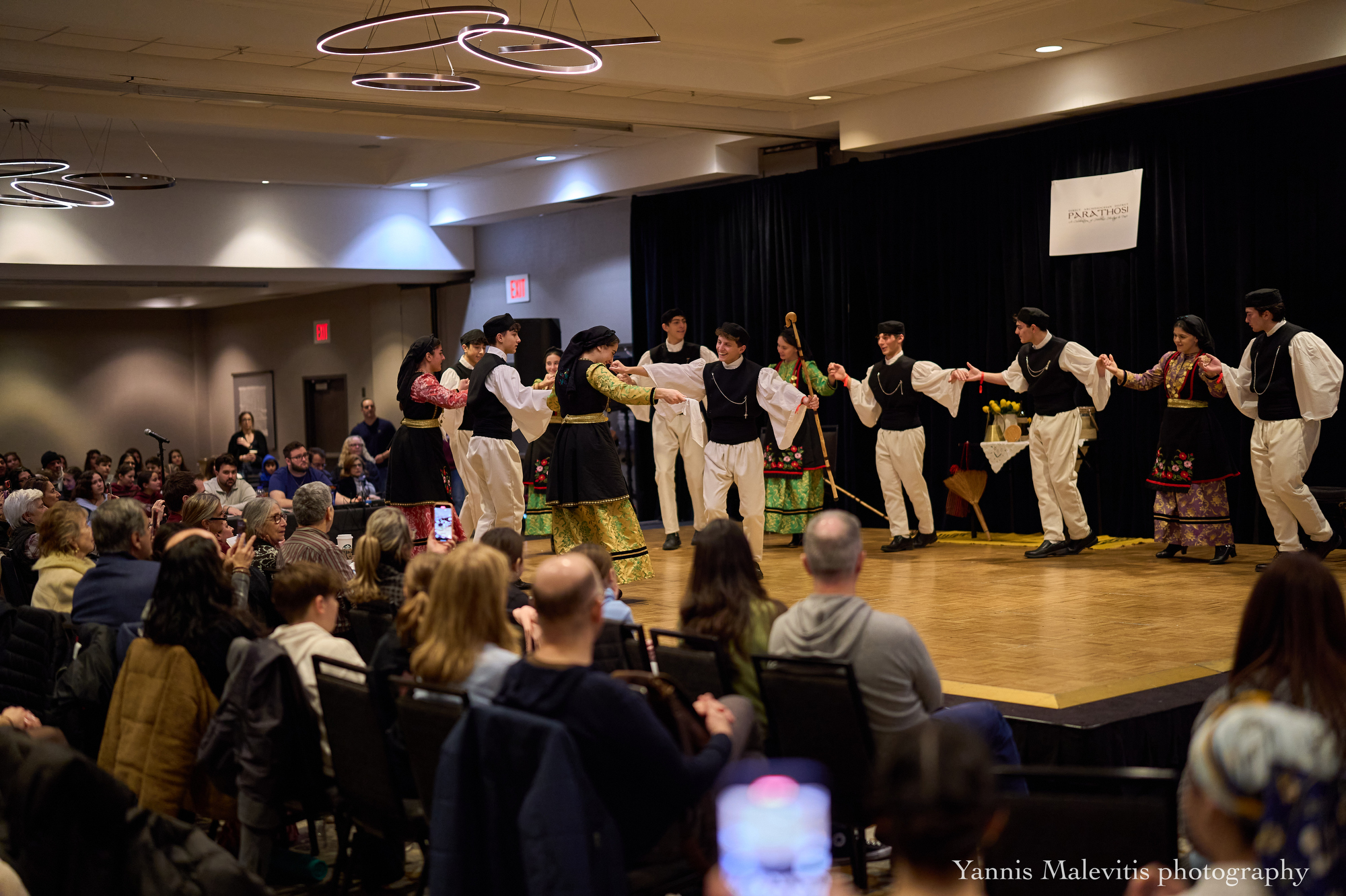
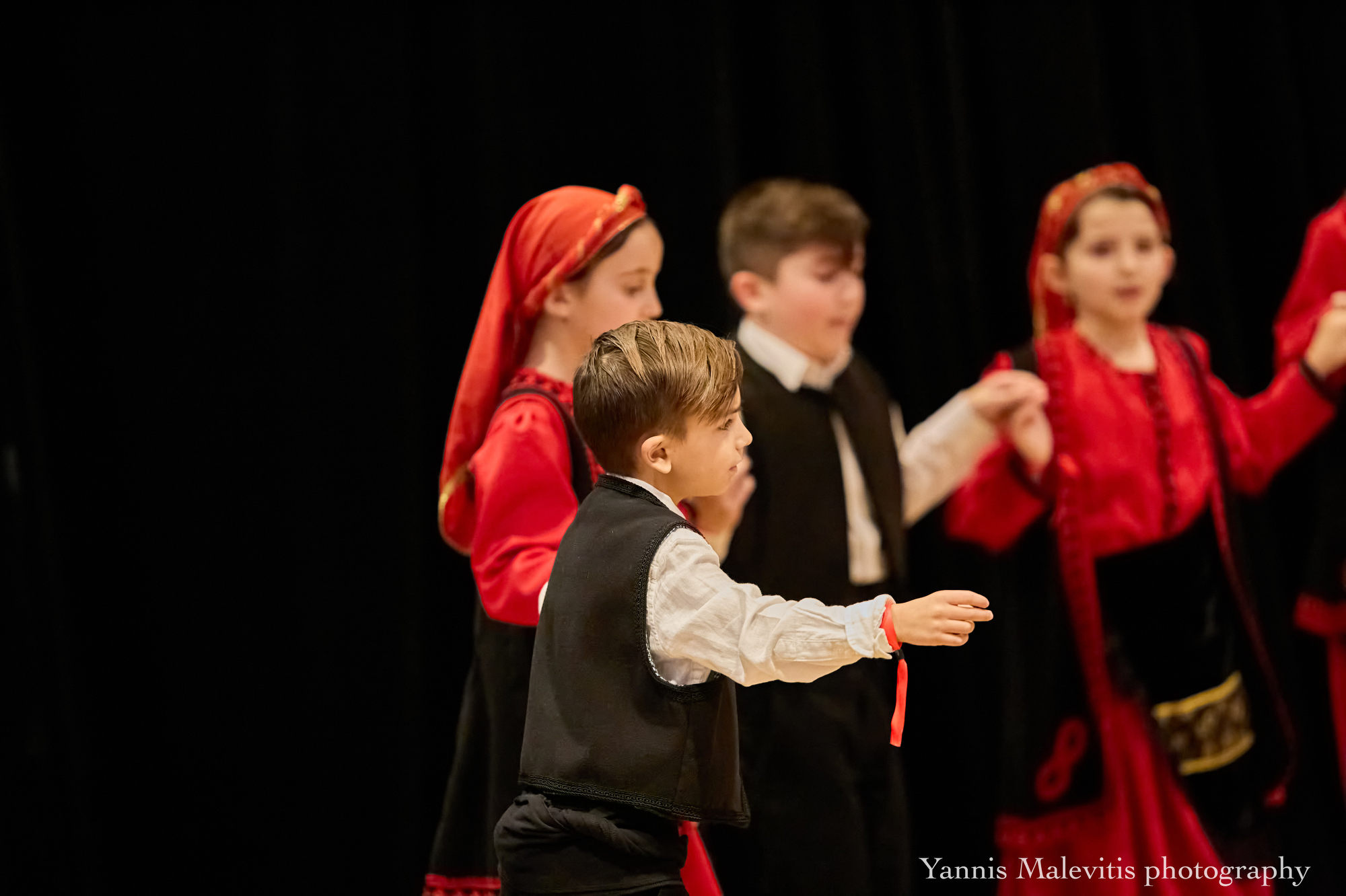
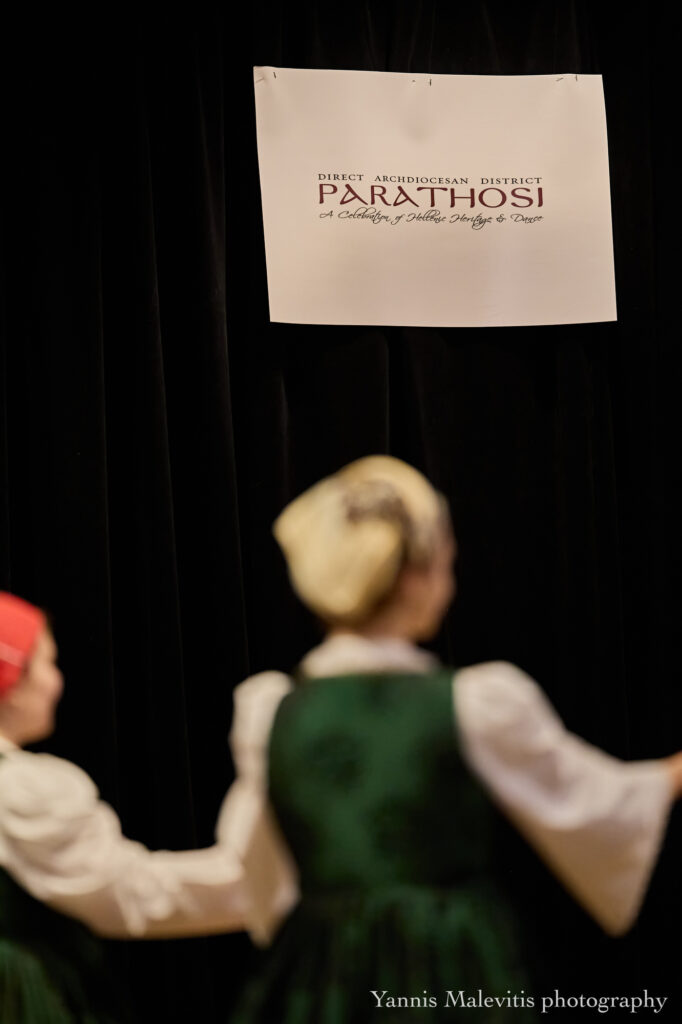
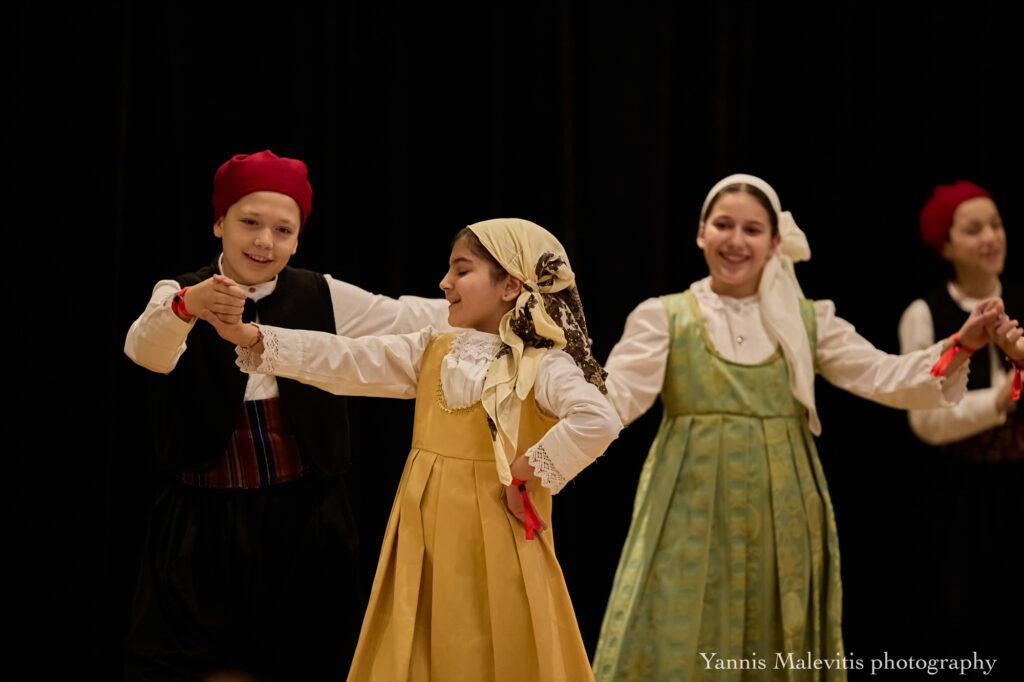
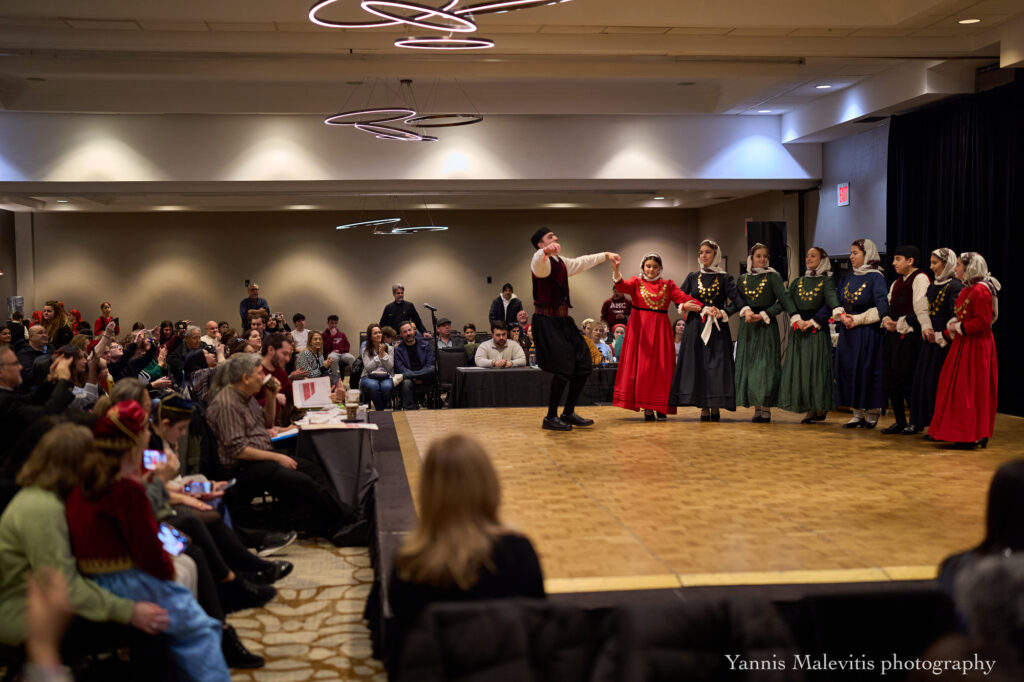
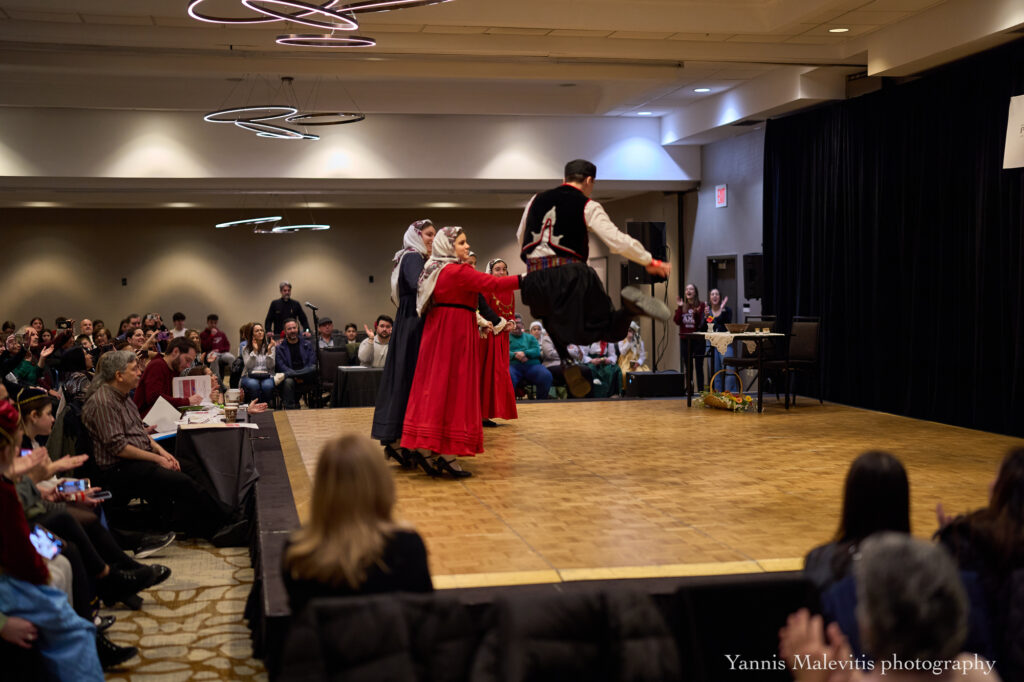
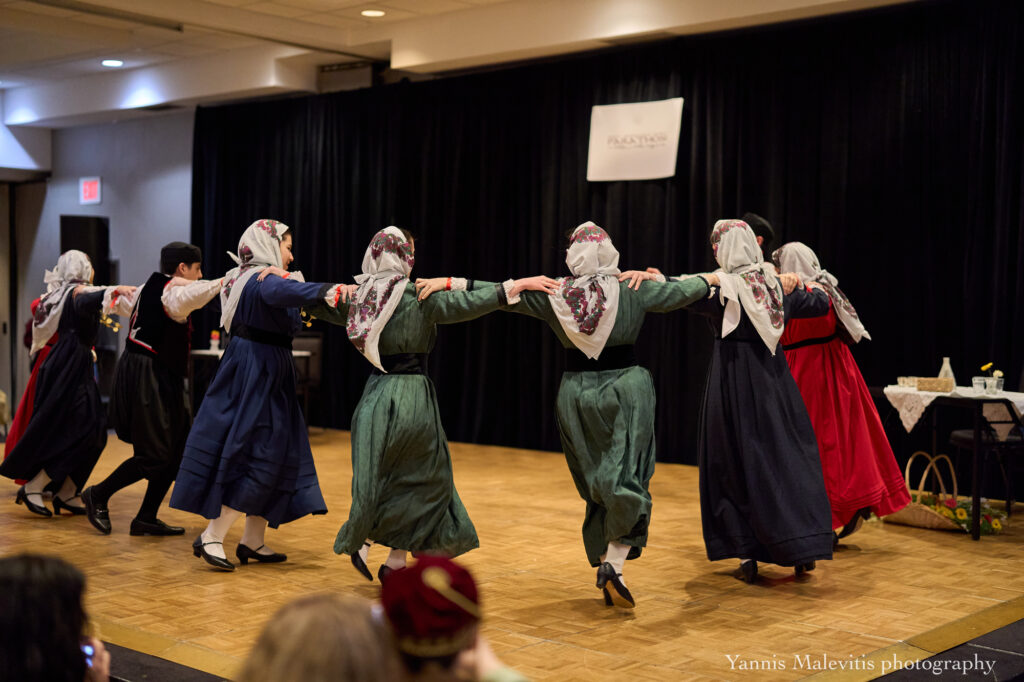
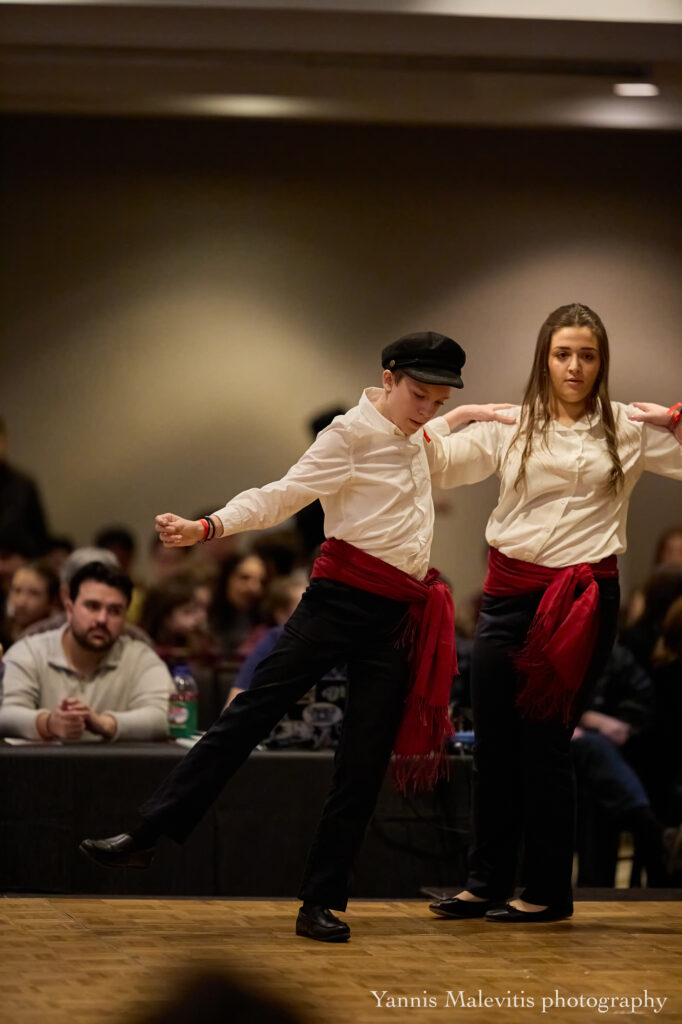
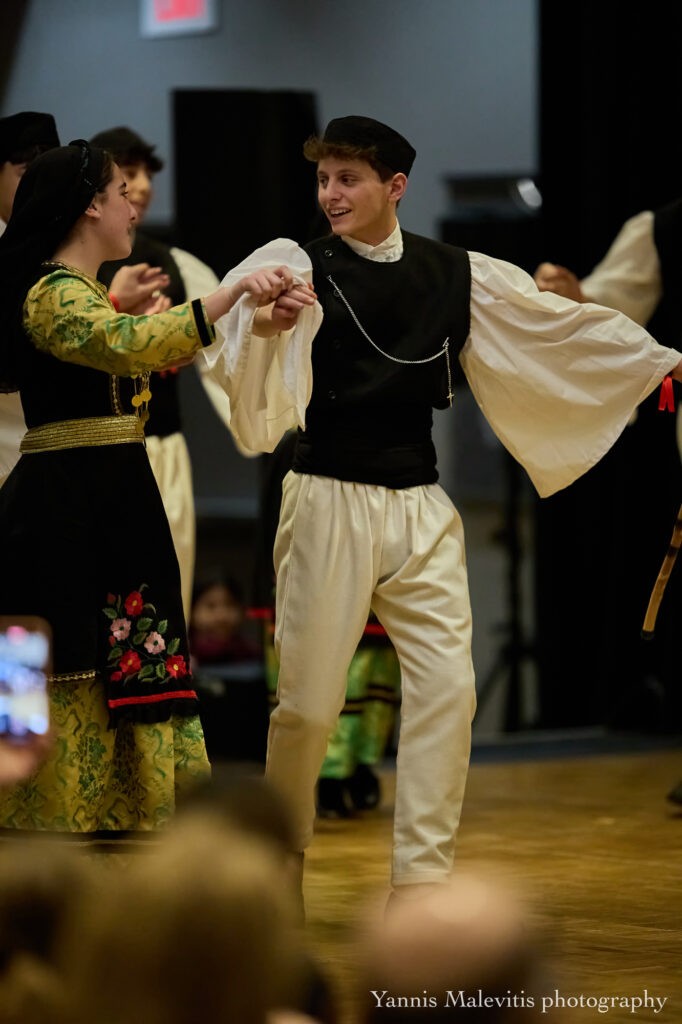
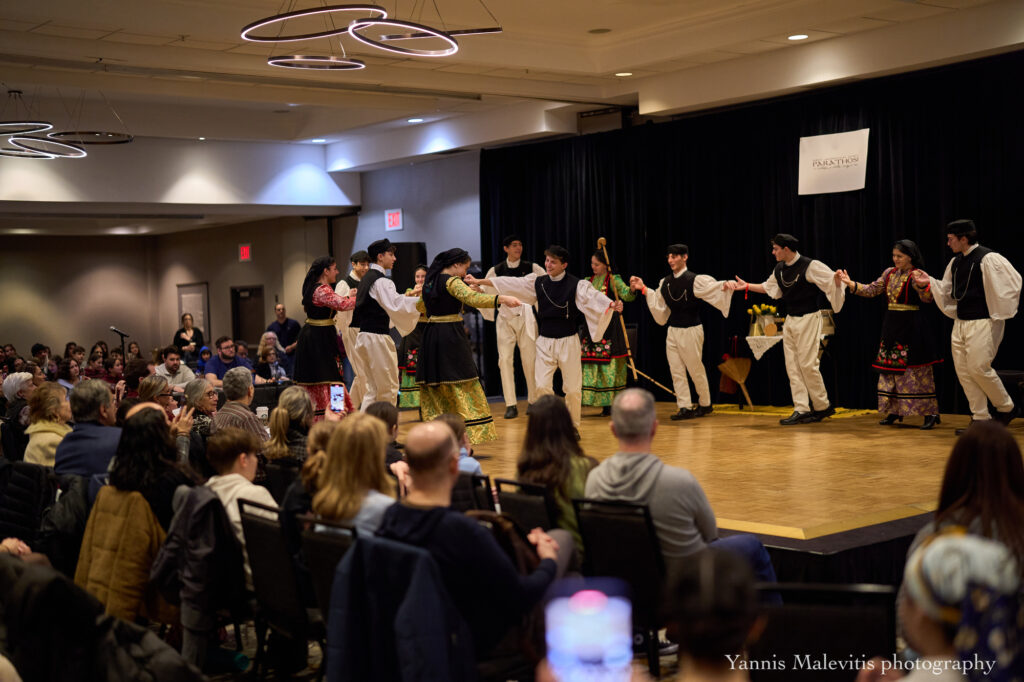
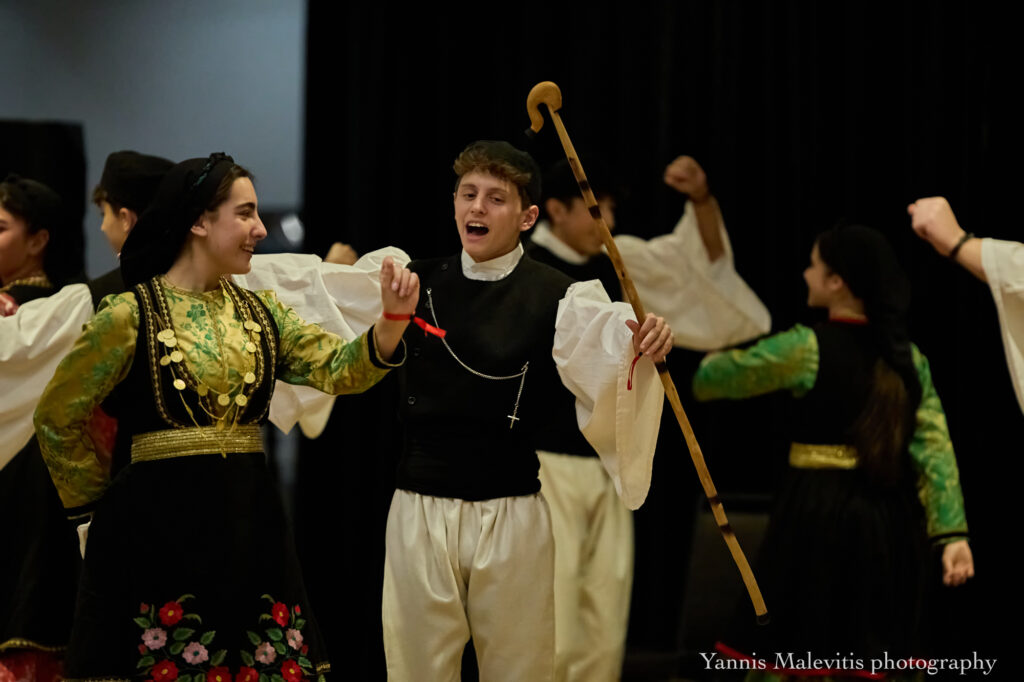
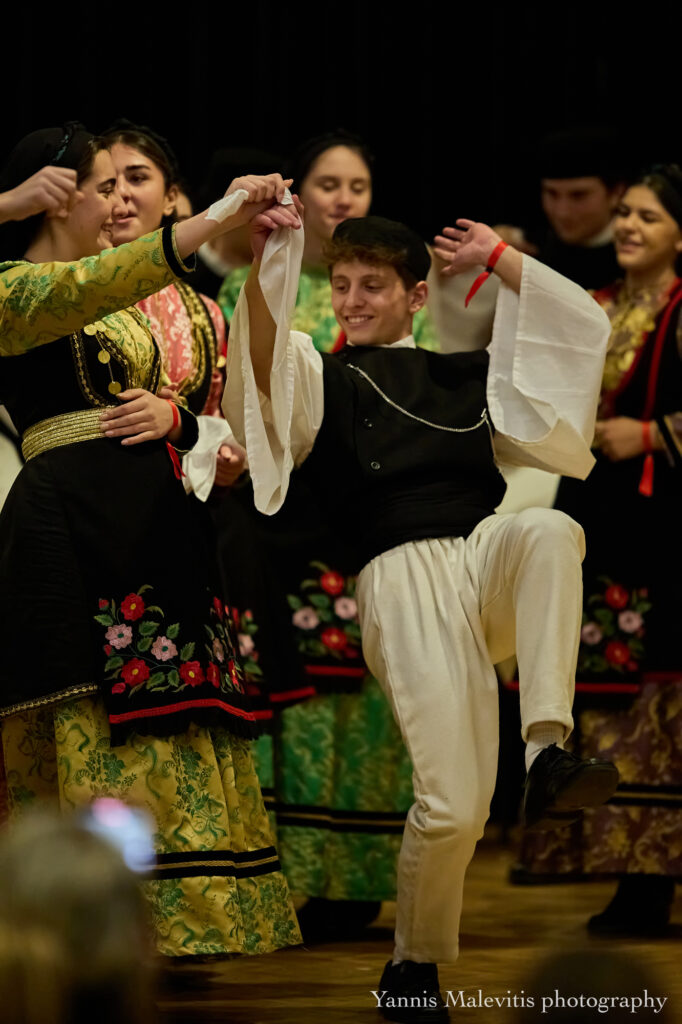
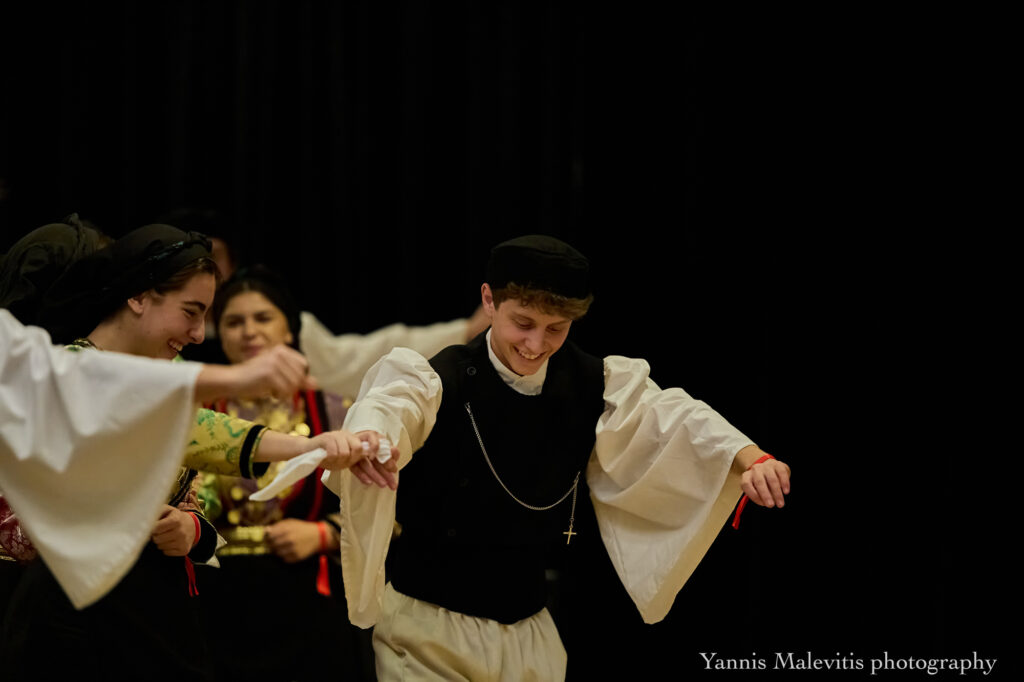
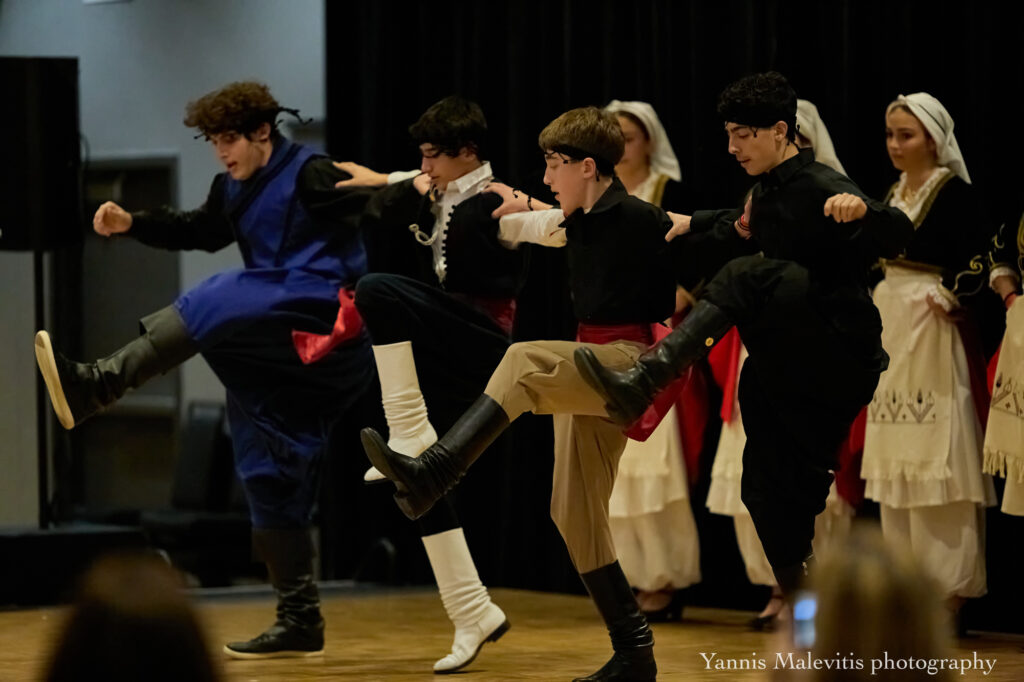
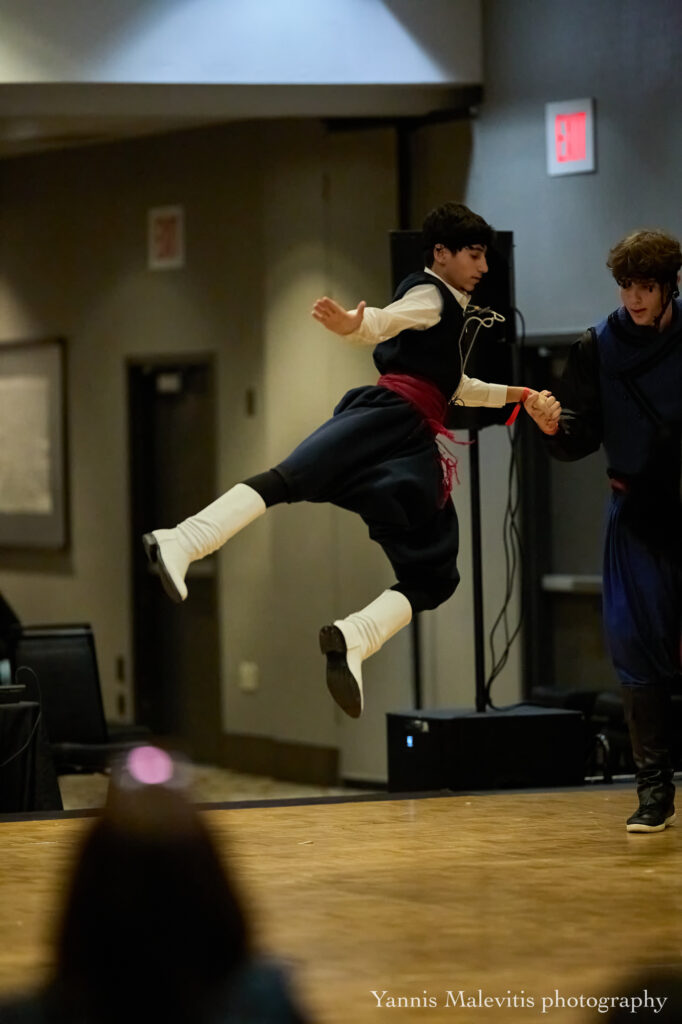
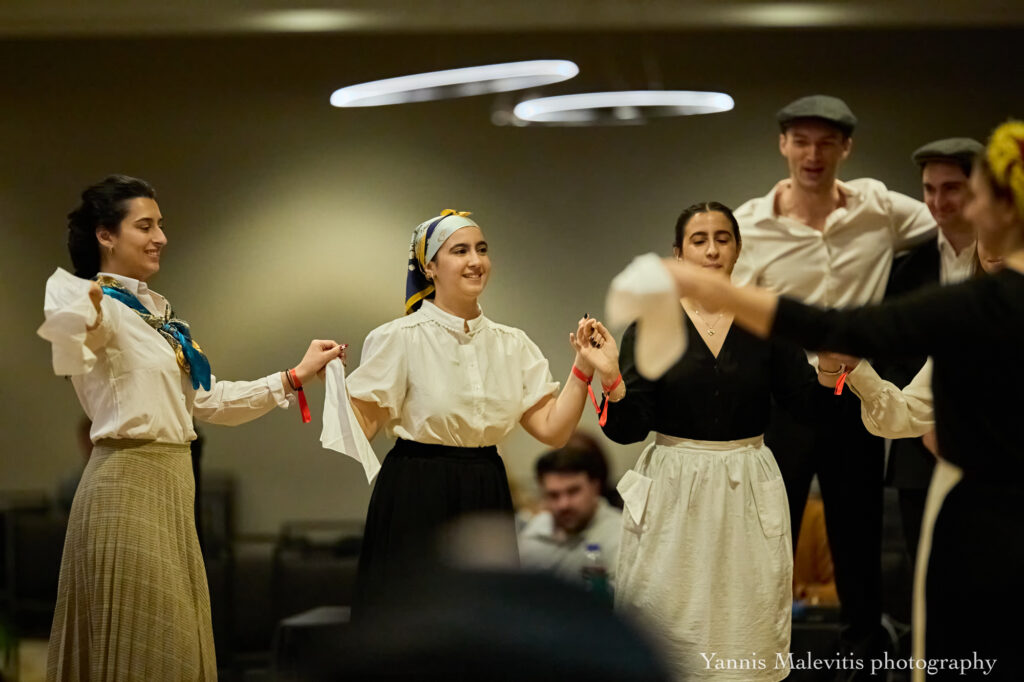
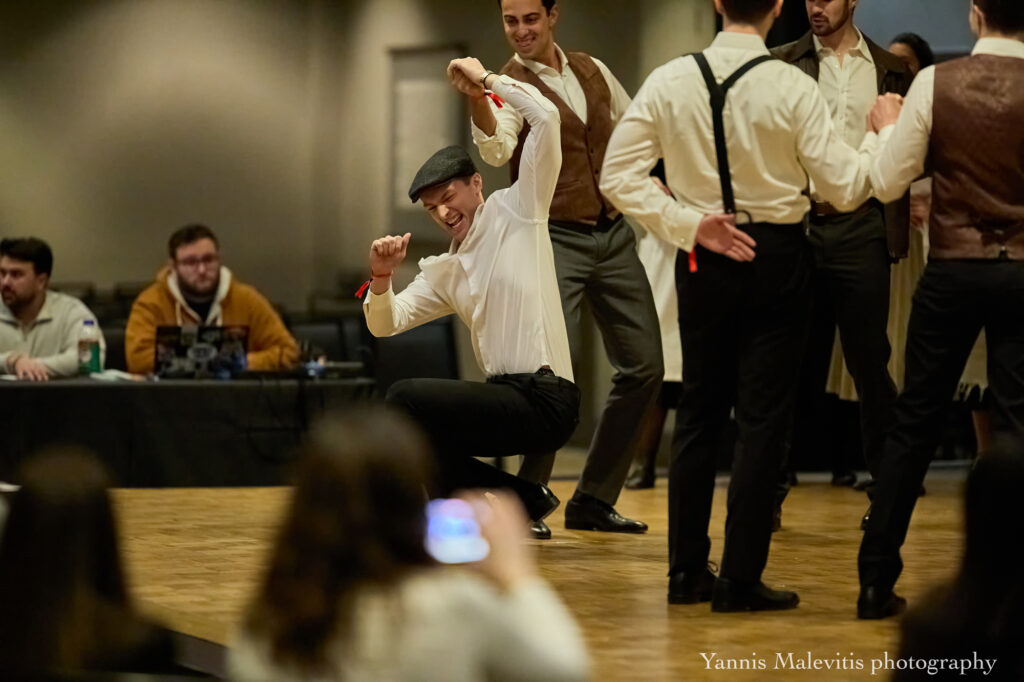
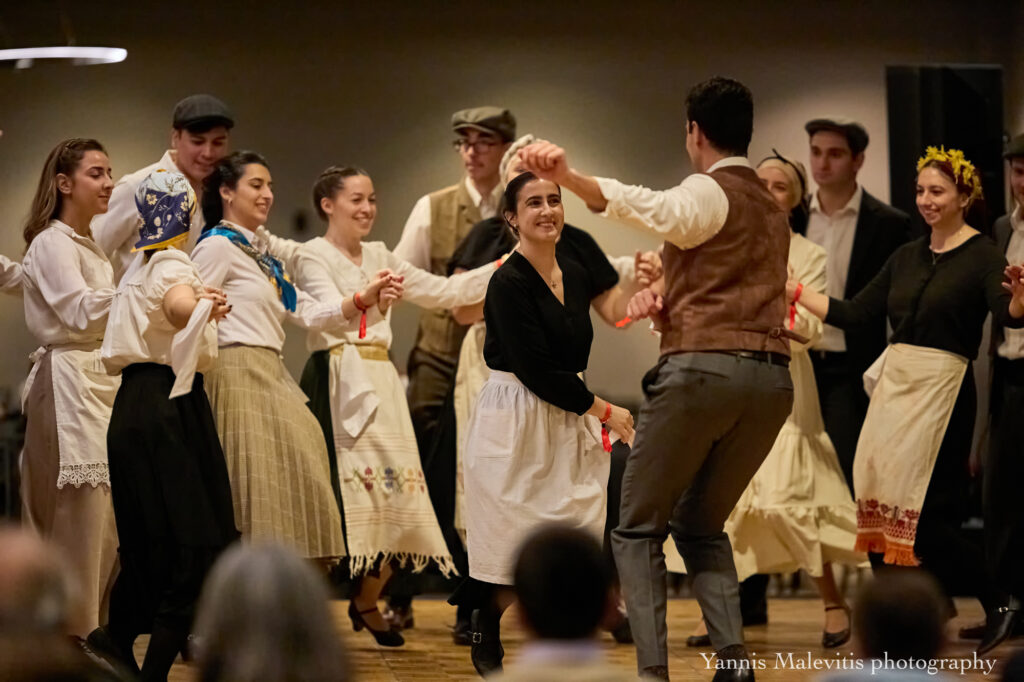
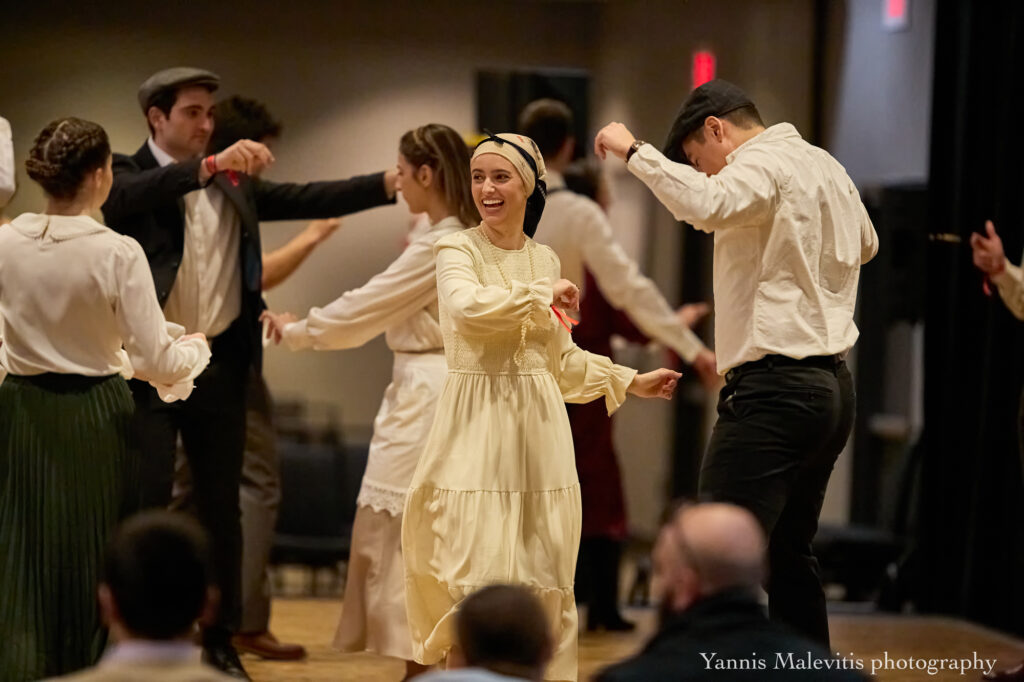
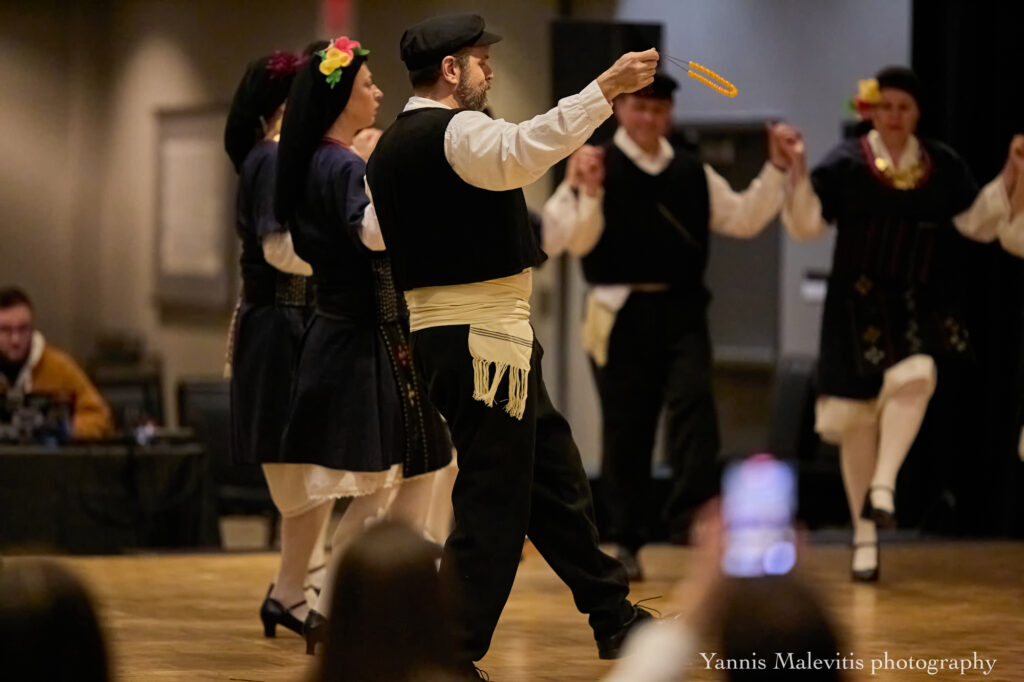
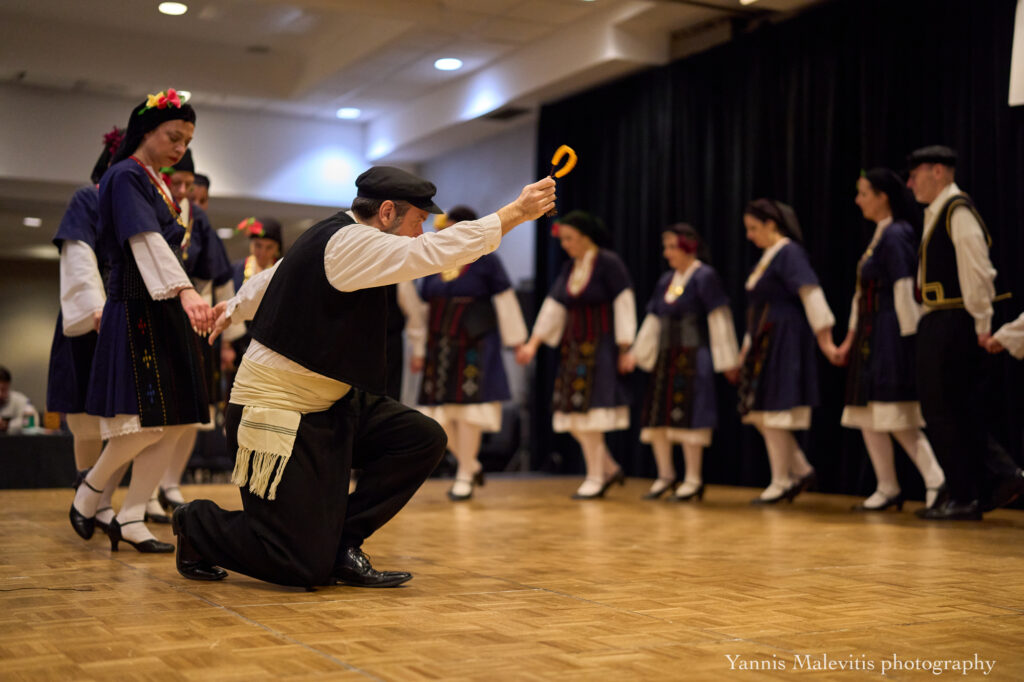
    PARATHOSI is a ministry of the Office of Youth and Young Adult Ministries of the Direct Archdiocesan District.  It gives our youth the ability to come together in Orthodox fellowship and display our Hellenic heritage and pride.
    I photographed this celebration of Hellenic Heritage & Dance. These are just a few images from a total set of 5,000 images.

  • How I photograph the dances on a wedding day

    How I photograph the dances on a wedding day

    A typical question I have from prospective clients is how I photograph the dances on a wedding day.

    The dances at a wedding—the couple’s first dance, parent dances, and the party on the dance floor—are filled with emotion, movement, and energy. Capturing these moments effectively requires preparation, creativity, and attention to detail.

    Preparation Ahead of Time

    • Knowing the Schedule: I confirm the timing and sequence of dances with the couple or planner so I am ready for each key moment.
    • Scouting the Venue: I check the lighting conditions and space around the dance floor during my pre-event walkthrough.
    • Coordinating with the DJ/Band: I understand the music transitions, any lighting effects (like spotlights or strobes), and when moments like dips or spins might occur.

    Gear and Settings

    Lenses: I prefer to use prime lenses with an 1.2 or 1.4 aperture. Depending on the size of the dance floor I may bring the Canon 200mm f/2 lens which allows me to isolate the subject and emphasize the feelings.

    Lighting: I avoid using external lights as I aim to capture the ambience and mood of the reception. I use off-camera flash or bounce flash to evenly illuminate subjects without harsh shadows, if the DJ dims the lights.

    Capturing the Energy of the Dance Floor

    • Showing the Crowd: I photograph groups of guests dancing, laughing, and celebrating together.
    • Using Wide Angles: A wide-angle lens can capture the full energy of the dance floor, especially when it’s packed.

    Staying Ready for Spontaneous Moments

    • I watch for unexpected interactions, like kids joining the dance floor, couples dancing together, or hilarious moves by friends.

    By combining technical skills with creative flair, I capture the energy, emotion, and elegance of the dances, providing the couple with memories they’ll treasure forever. How I photograph the dances on a wedding day shows my keen interest in capturing authentic moments. You may view additional images from this wedding on my website. My blog page is www.yannisphotography.com.

  • Photographic perspective of a Greek Orthodox Christening

    Photographic perspective of a Greek Orthodox Christening

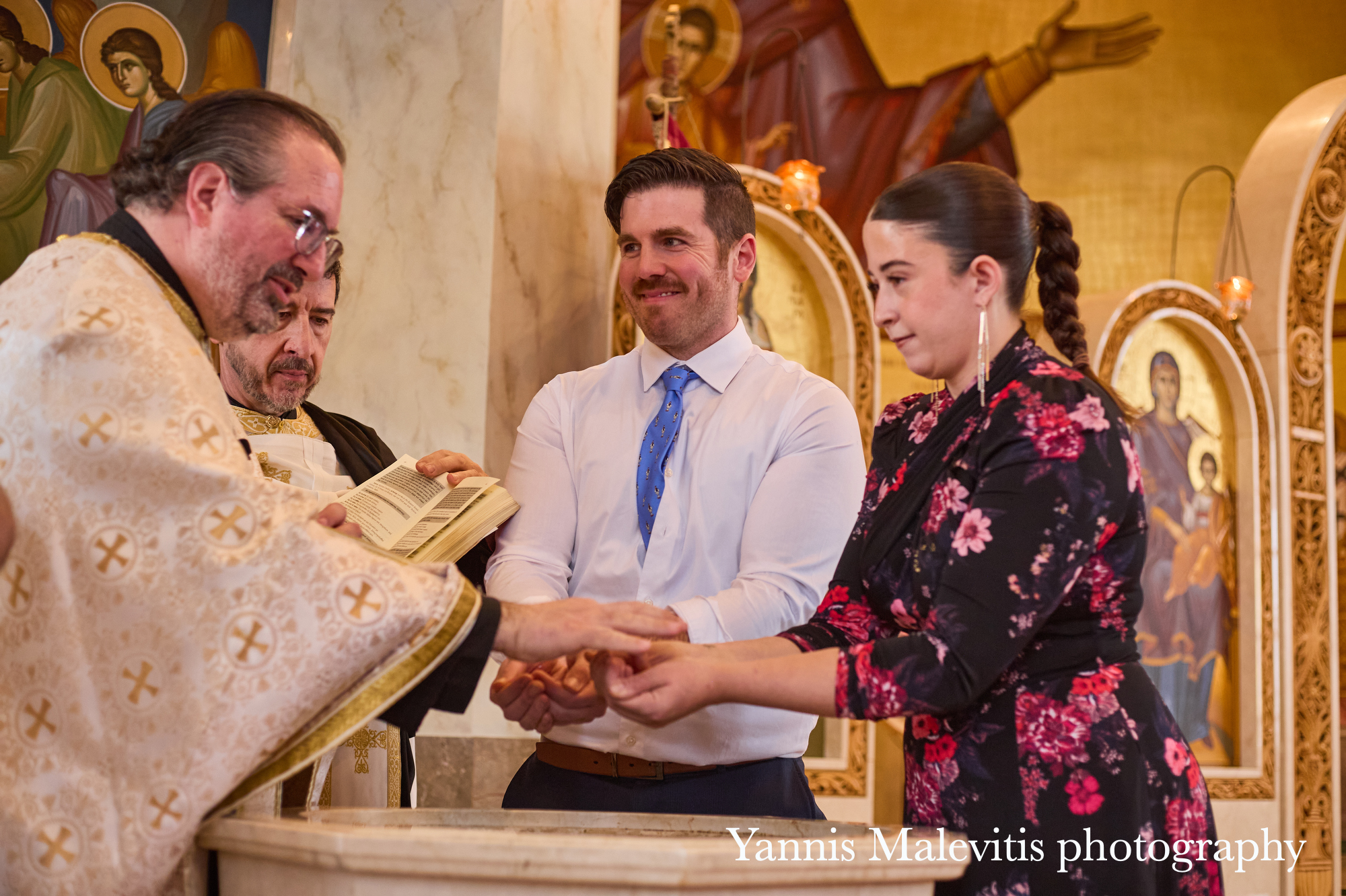
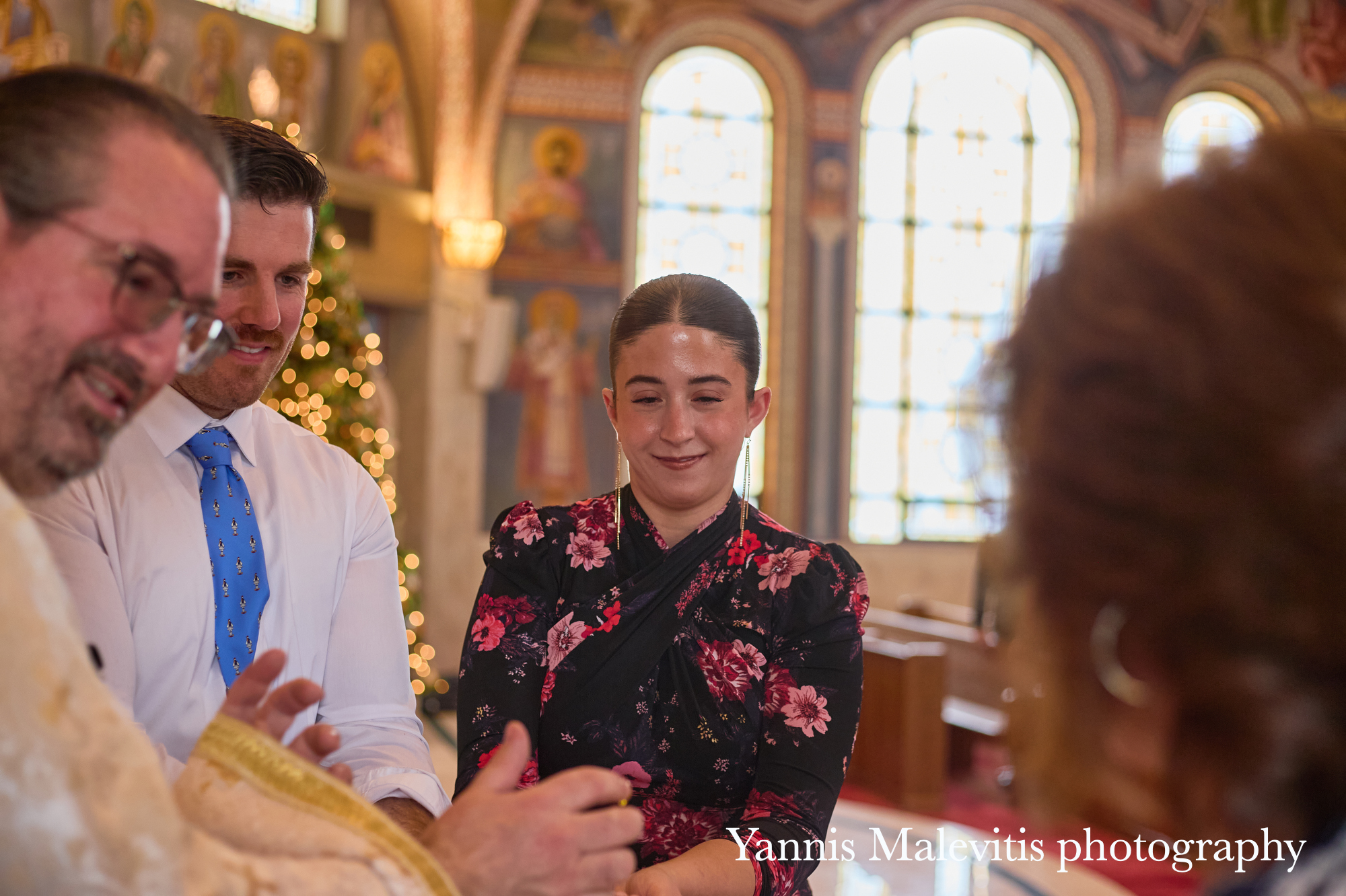
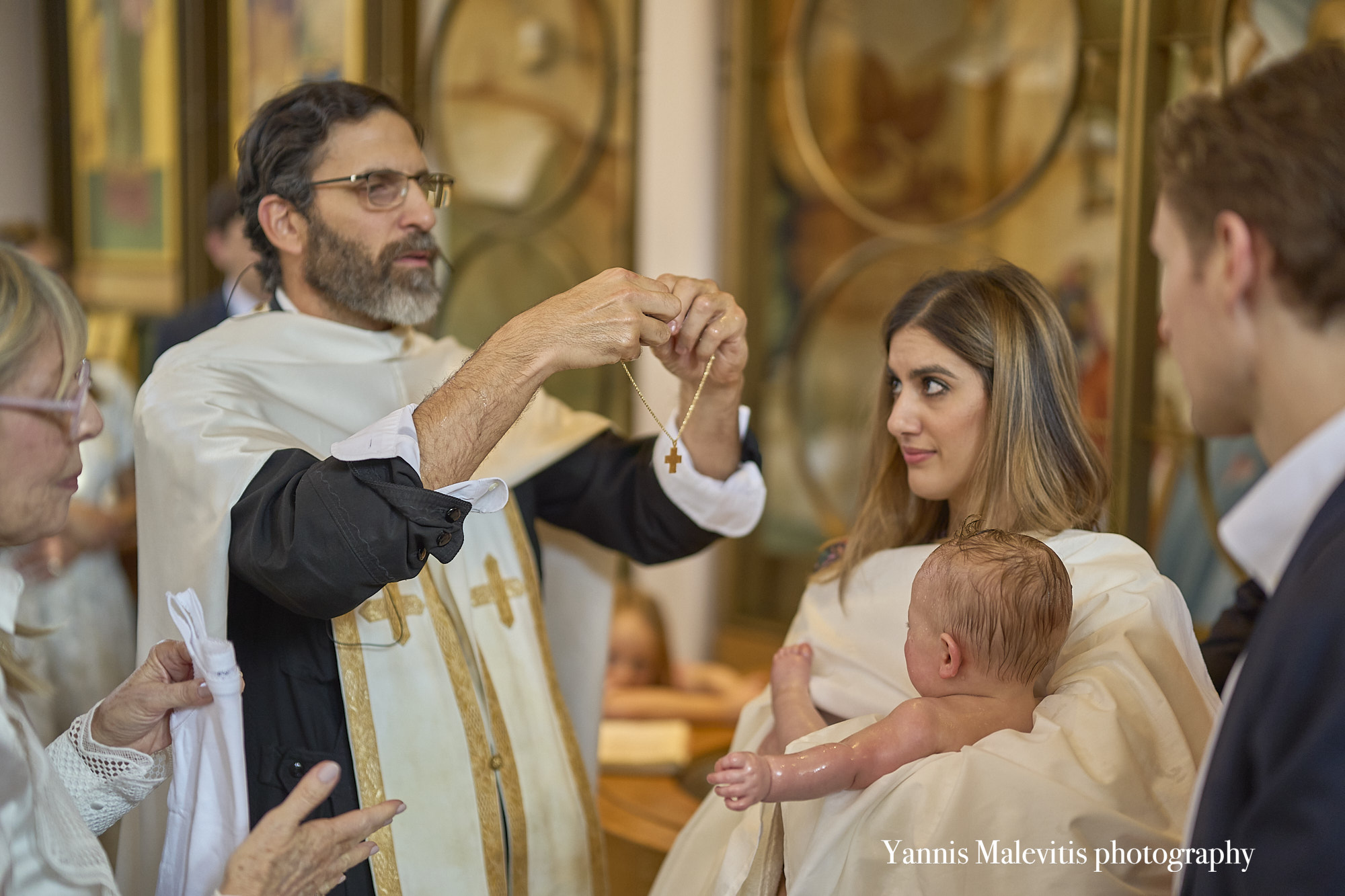
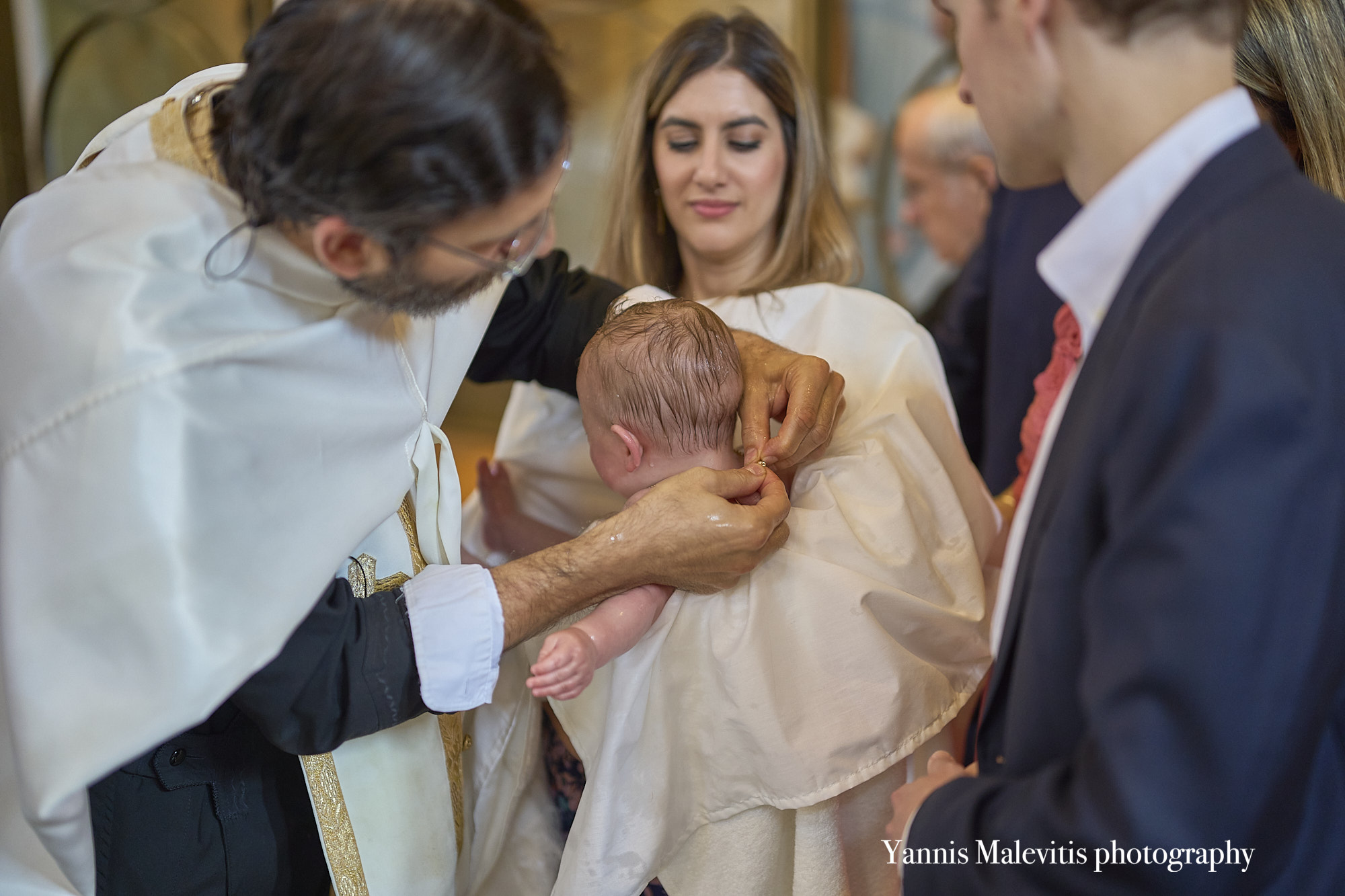
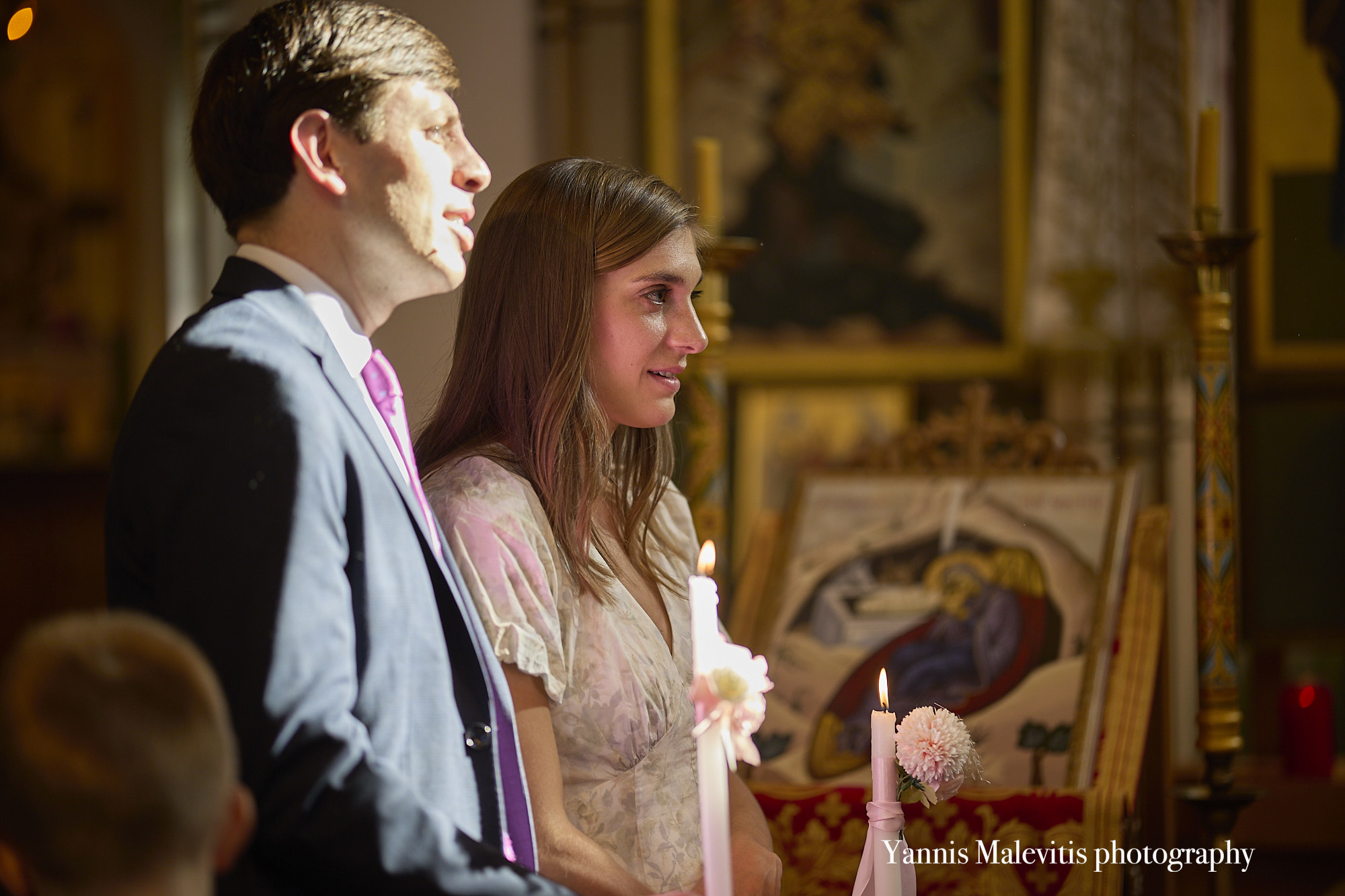
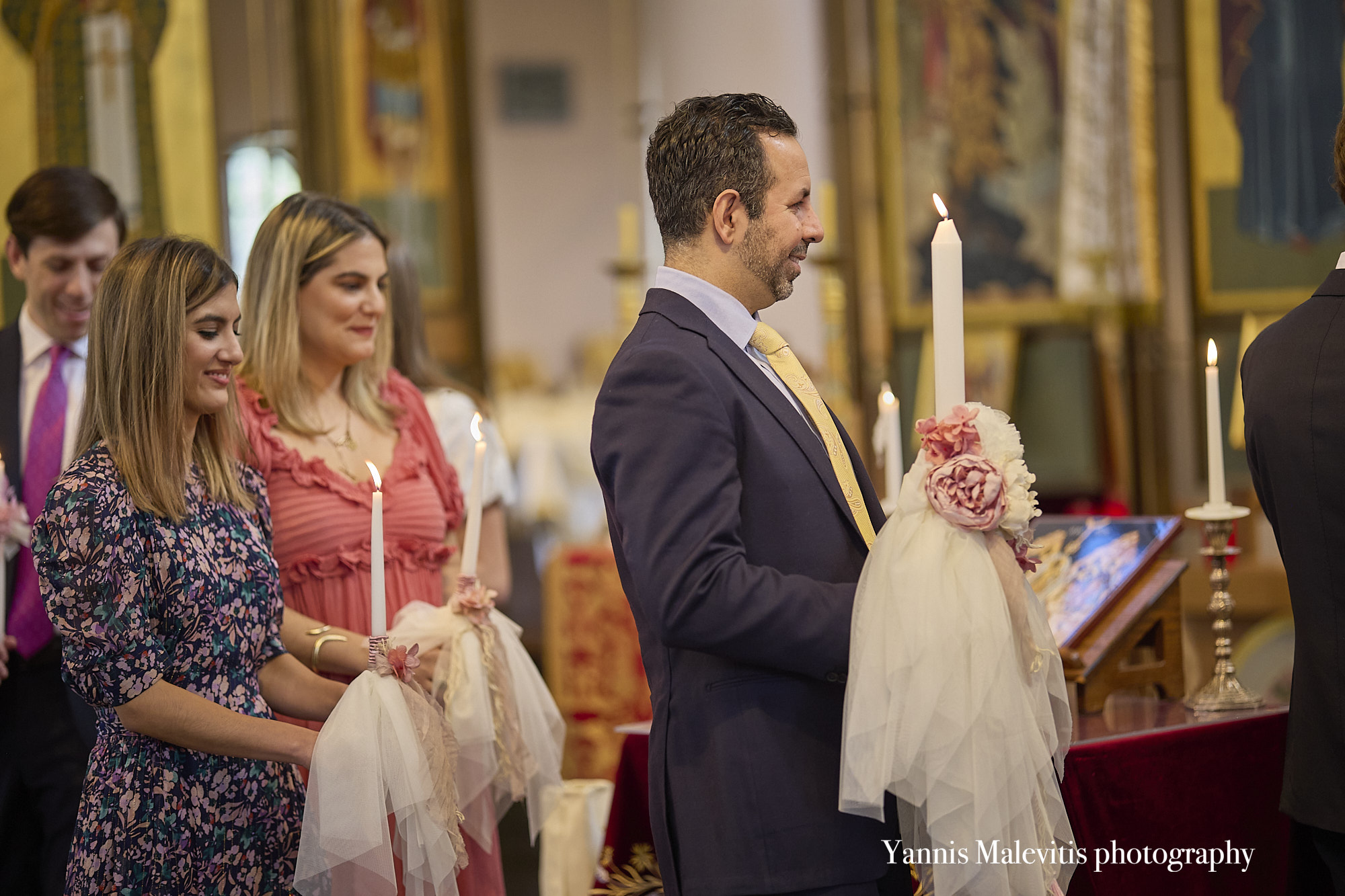
    As a Greek Orthodox, I fully understand the importance of the baptism for a person’s life. For this reason, my photographic perspective of a Greek Orthodox Christening is characterized by great respect and unobtrusive coverage. I would like to give a few photo examples which illustrate my work and approach.

    Before the ceremony

    I arrive at the church 30-45 minutes before the start of the baptism. If I have not photographed an event at the church in the past, I allocate some time in understanding the direction of natural light. I also make the final selection of prime lenses that I will use during the event. Apart from my main lenses, a 50mm 1.2, a 100mm 1.4 and a 200mm f/2, I sometimes need to use a 20mm 1.4 or a 16mm 1.8 to show the architectural beauty of the church. I have extensive experience as an architectural church photographer. You may view my portfolio by clicking this link: Yannis architectural portfolio

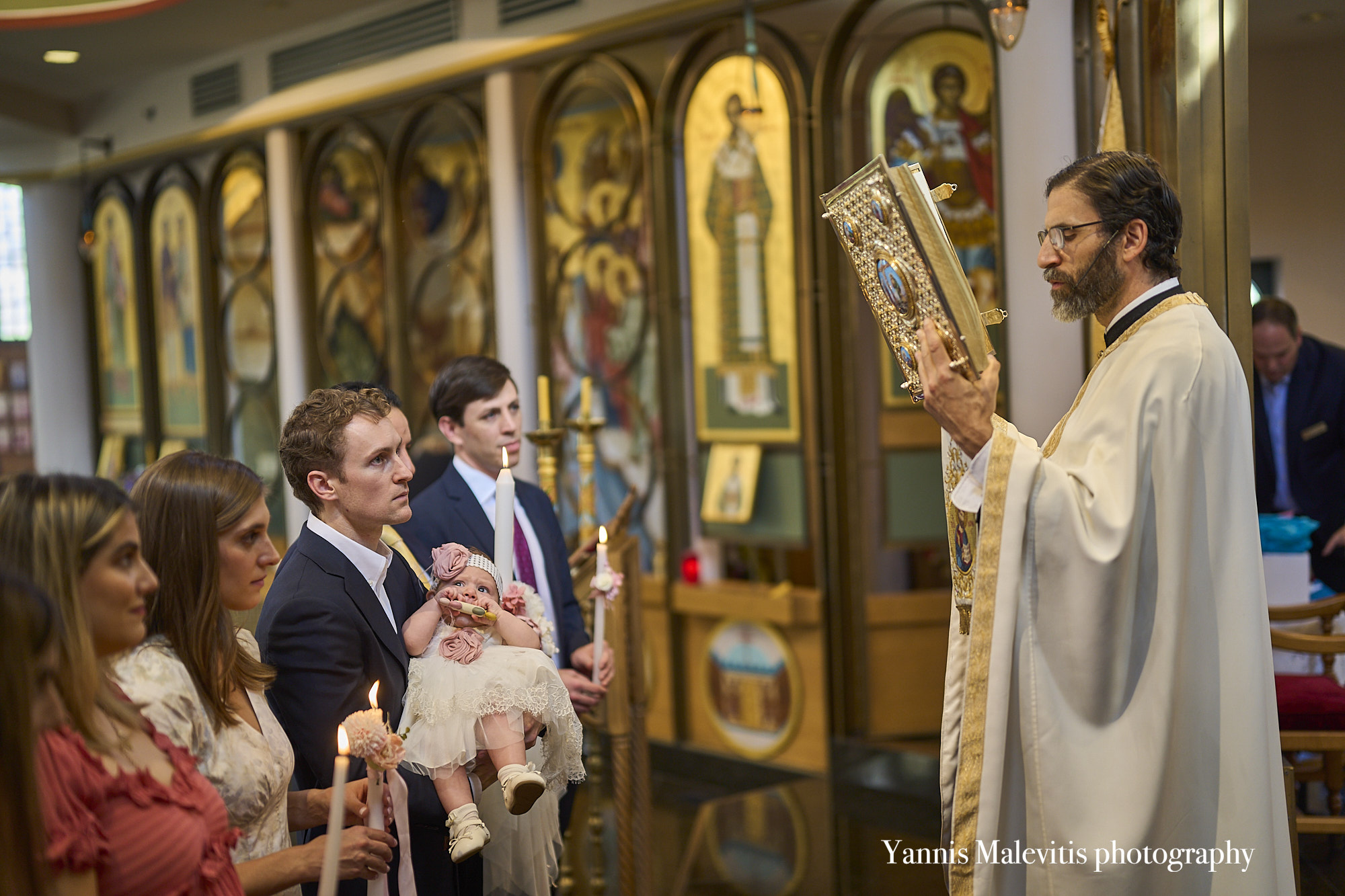
    At this particular Christening ceremony I decided to use three camera bodies with a 20mm 1.8, a 50mm 1.2, a 100mm 1.4 and a 200mm f/2 lens. As the family and the guests are waiting for the beginning of the ceremony, I walk around them aiming to capture authentic moments. I try to show their feelings and isolate the subject through the use of wide aperture or the direction of natural light. Having a 200mm f/2 lens is highly convenient as it allows me to capture emotions from a distance even in the dark environment of the Narthex of the church.

    The renunciation and the acceptance

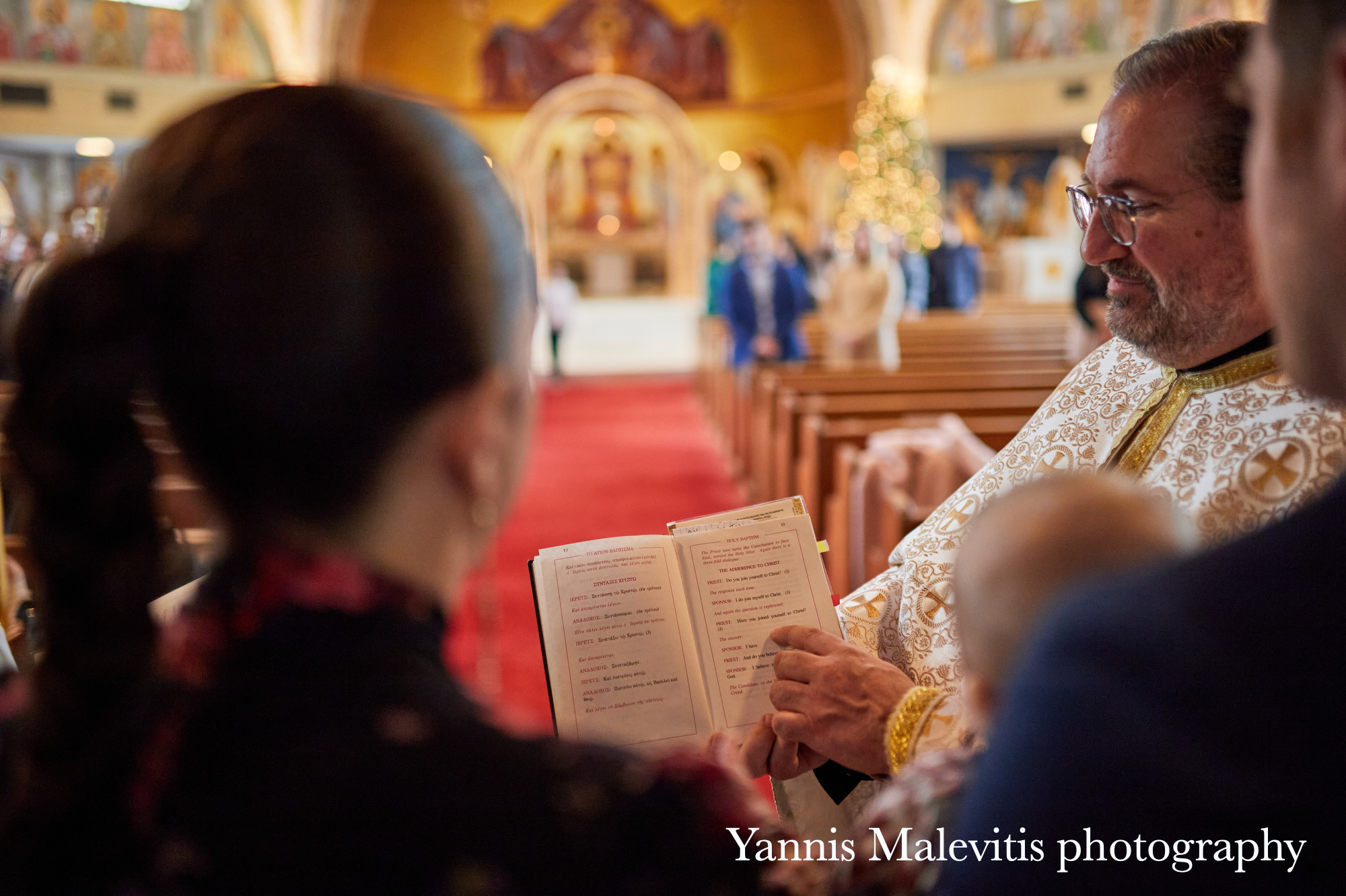
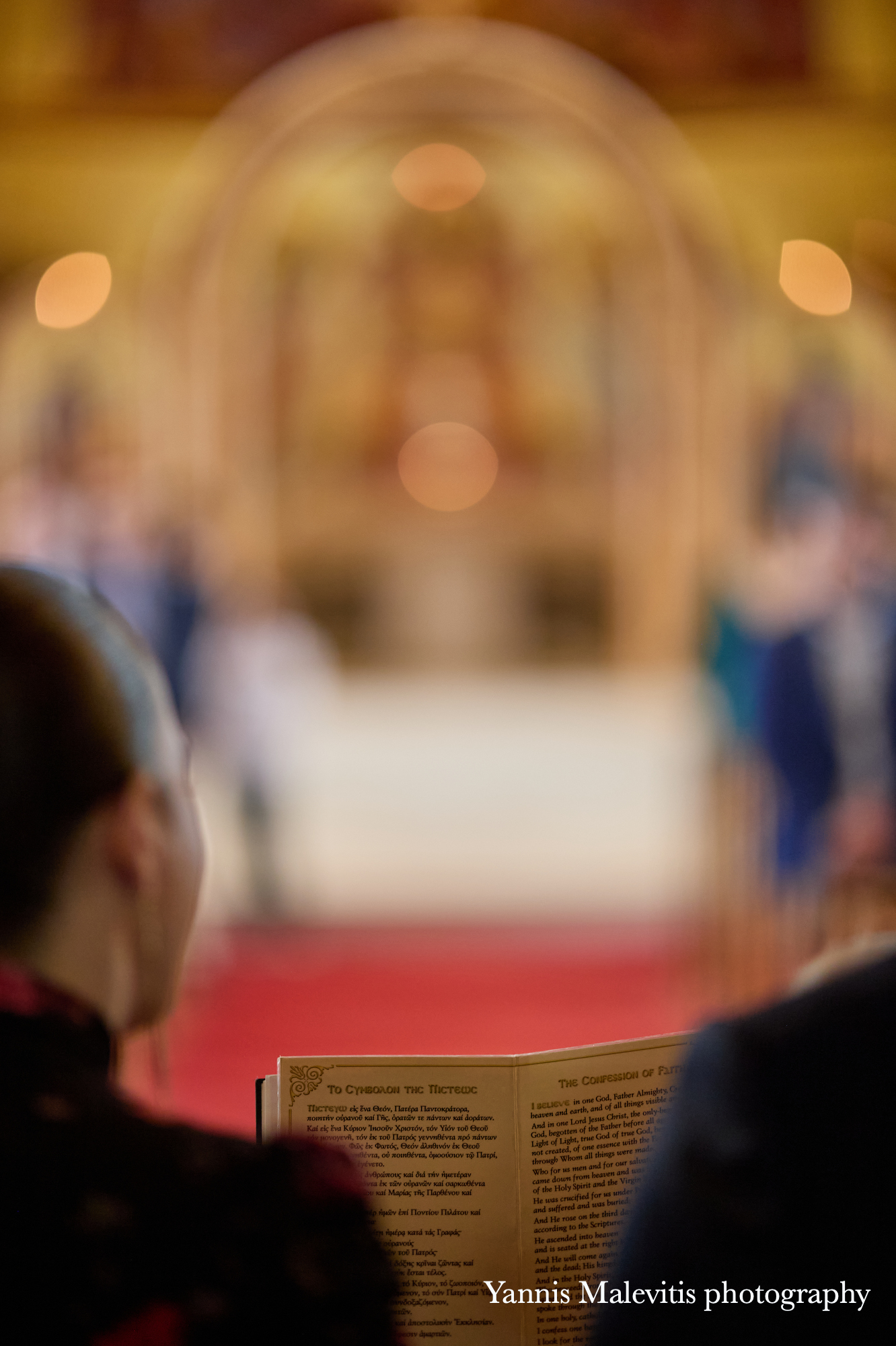
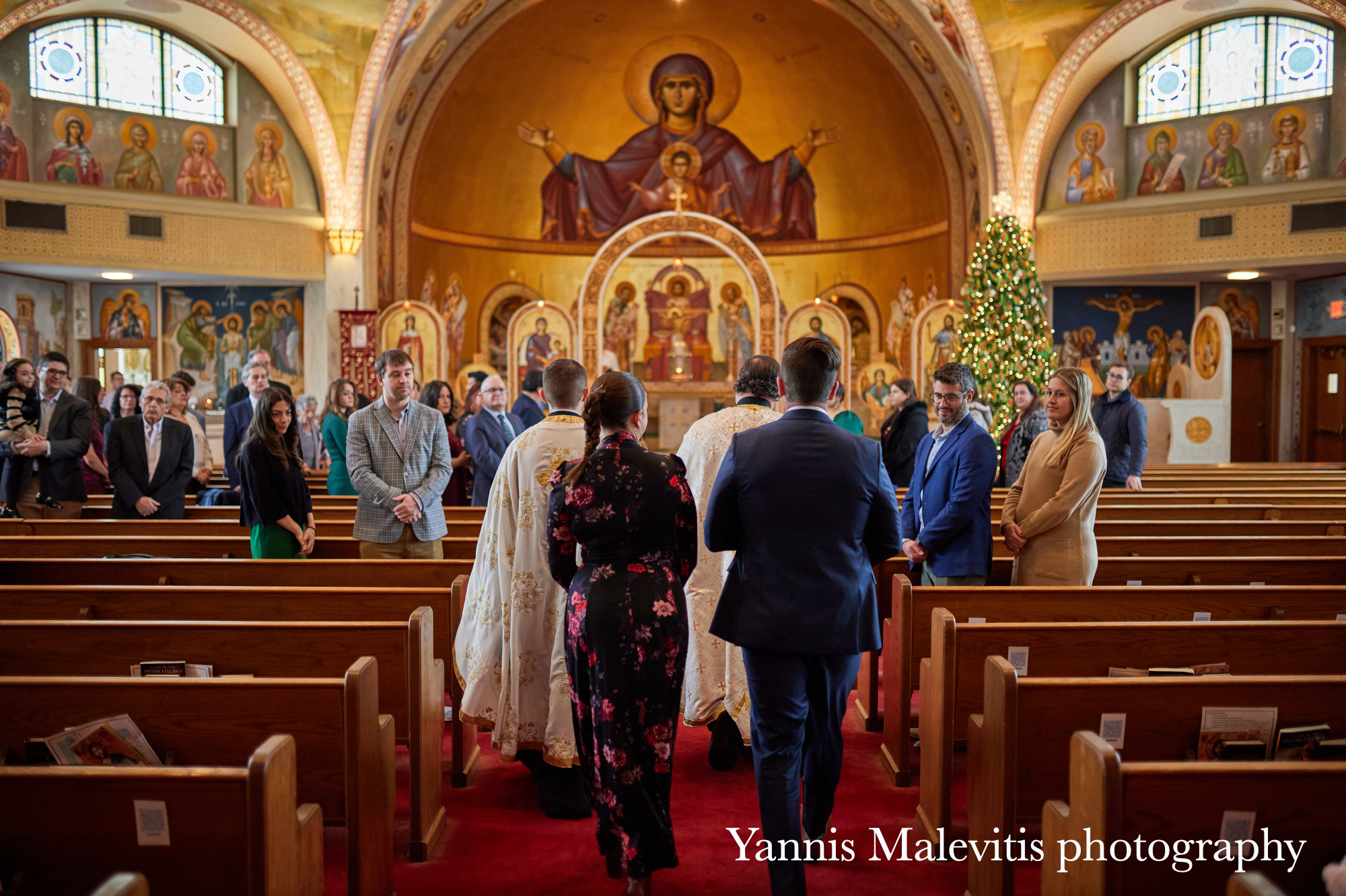
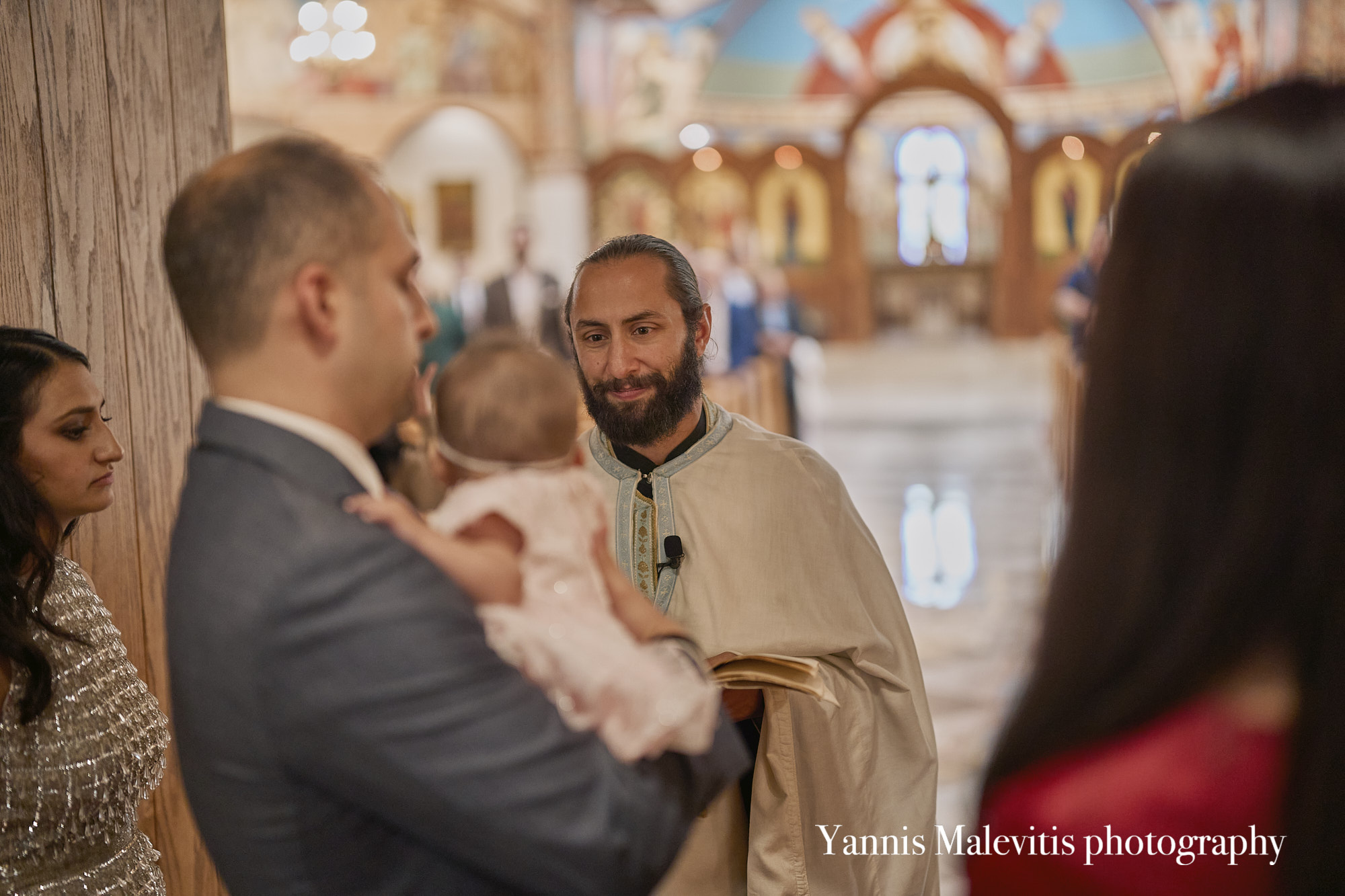
    The first part of a Greek Orthodox Christening is the renunciation and the acceptance. The person being baptized will be with the Godparent (Nouno or Nouna in Greek) as he/she stands in the Narthex of the church. The prayer is followed by three Exorcisms and yet another prayer, the prayer of acceptance, at the end of which the Priest asks God to drive out and banish from the person to be baptized, any and every evil and impure spirit. The Godparent, will then be asked to face west and renounce Satan and all his works. Then the Godparent, will face east again and affirmatively answer the Priest who will ask him/her (three times) if he/she has pledged his allegiance to Christ. After doing so, the Godparent will recite the Creed, the Symbol of Faith (‘To Pistevo’ in Greek).
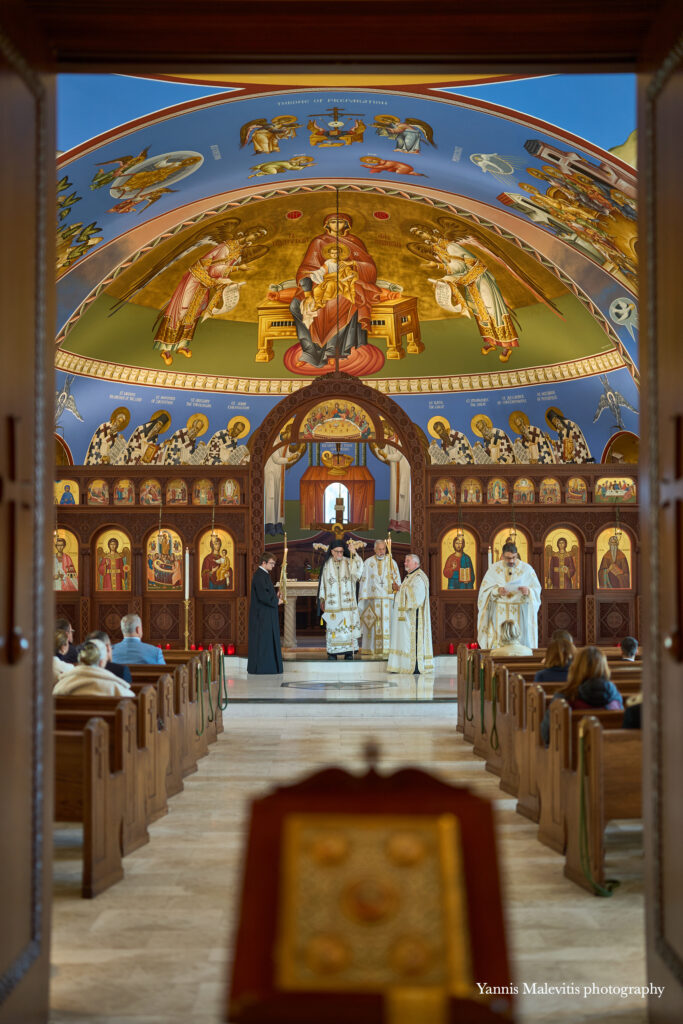
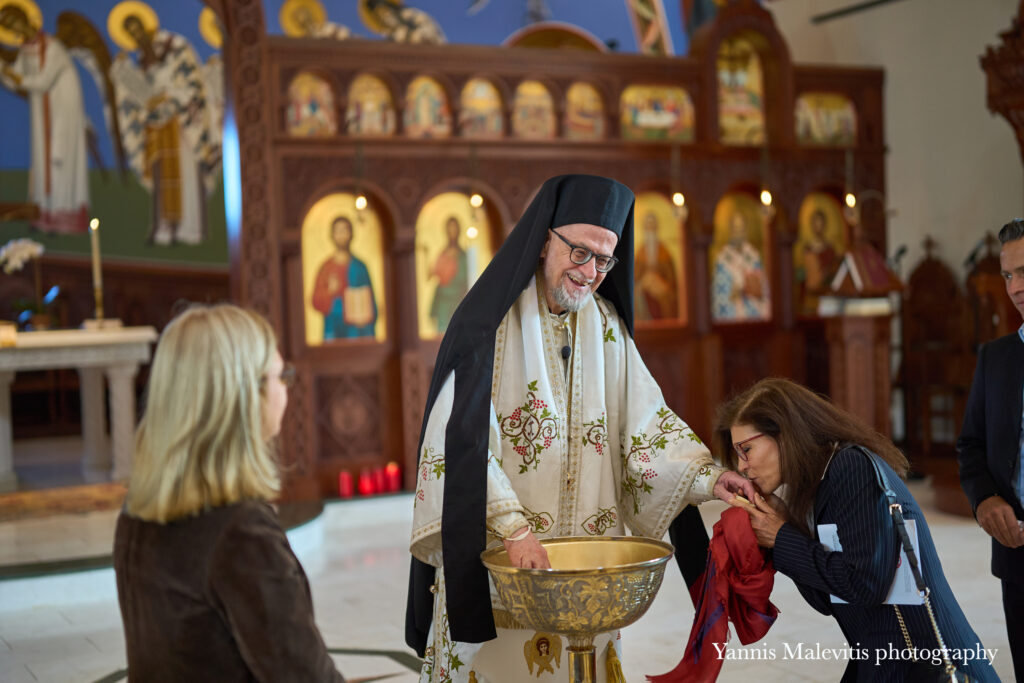
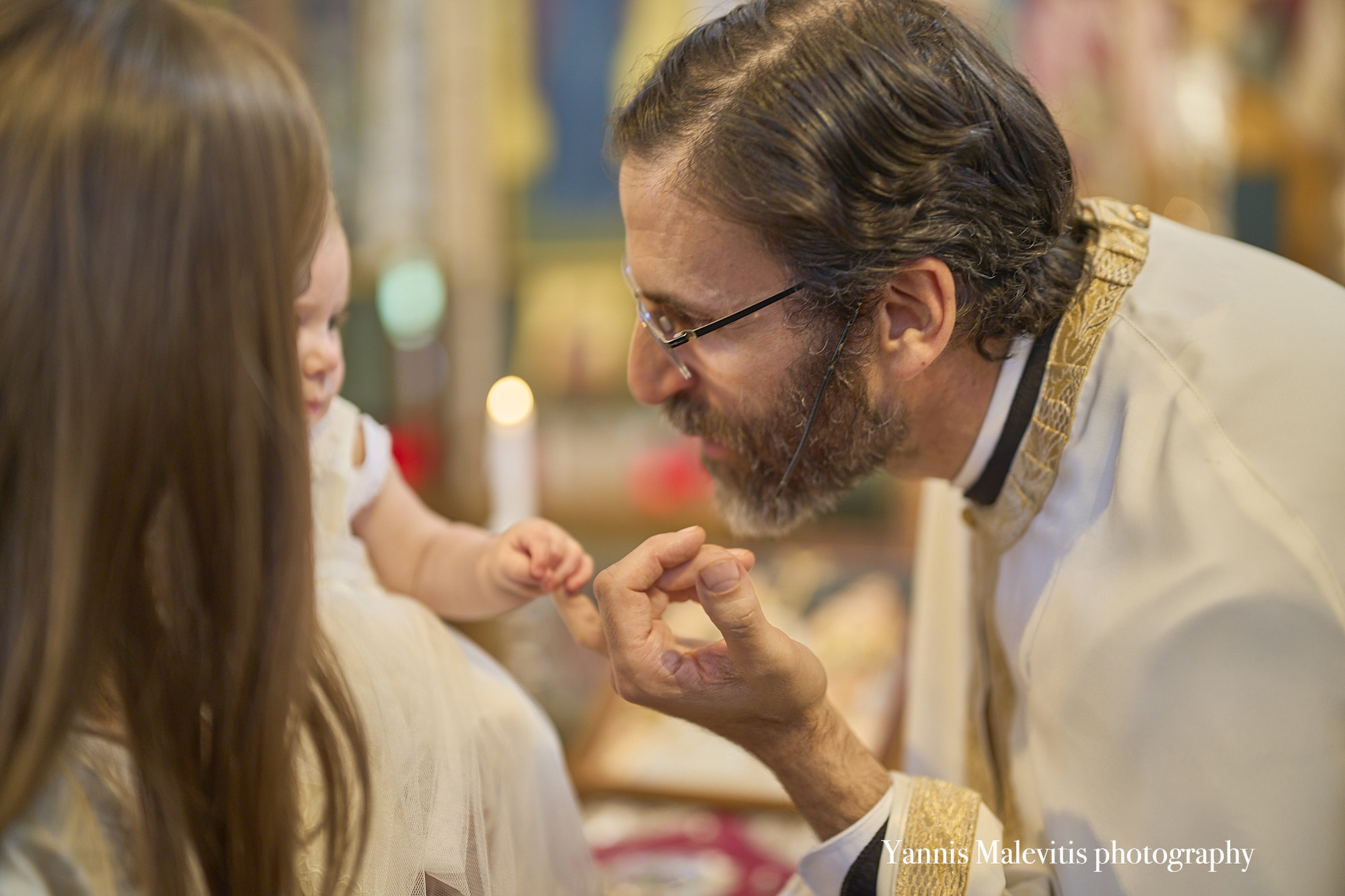
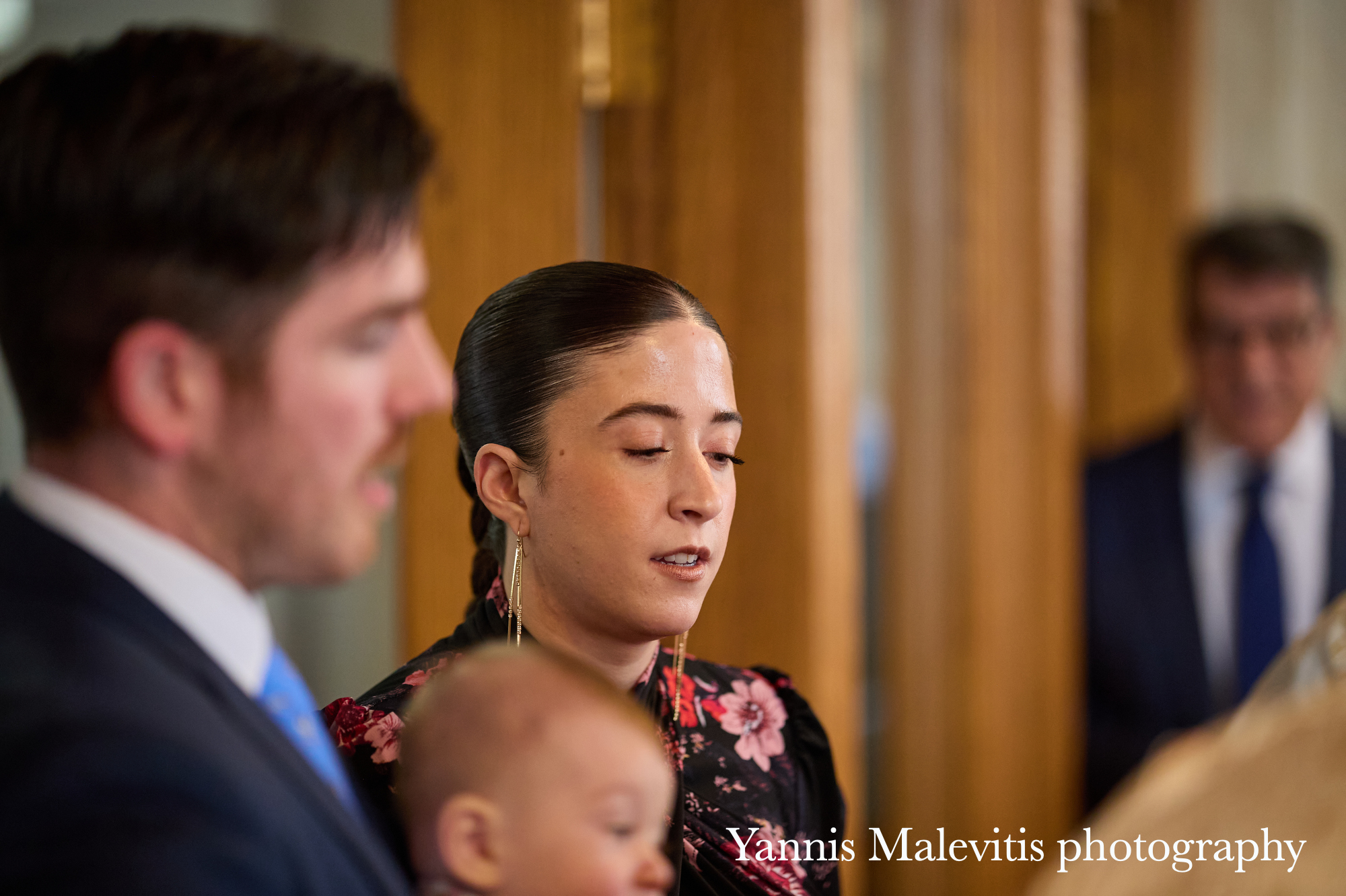
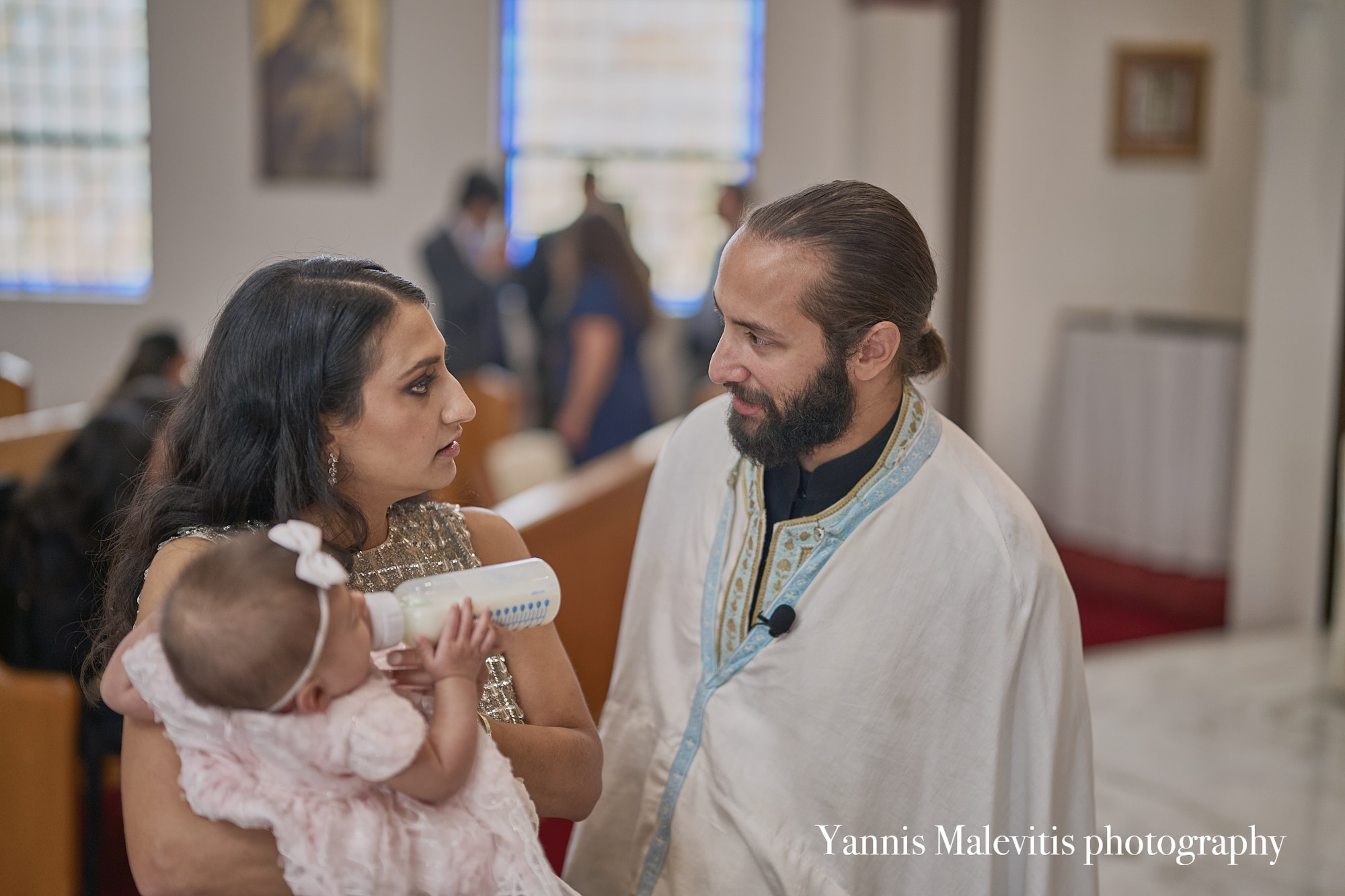
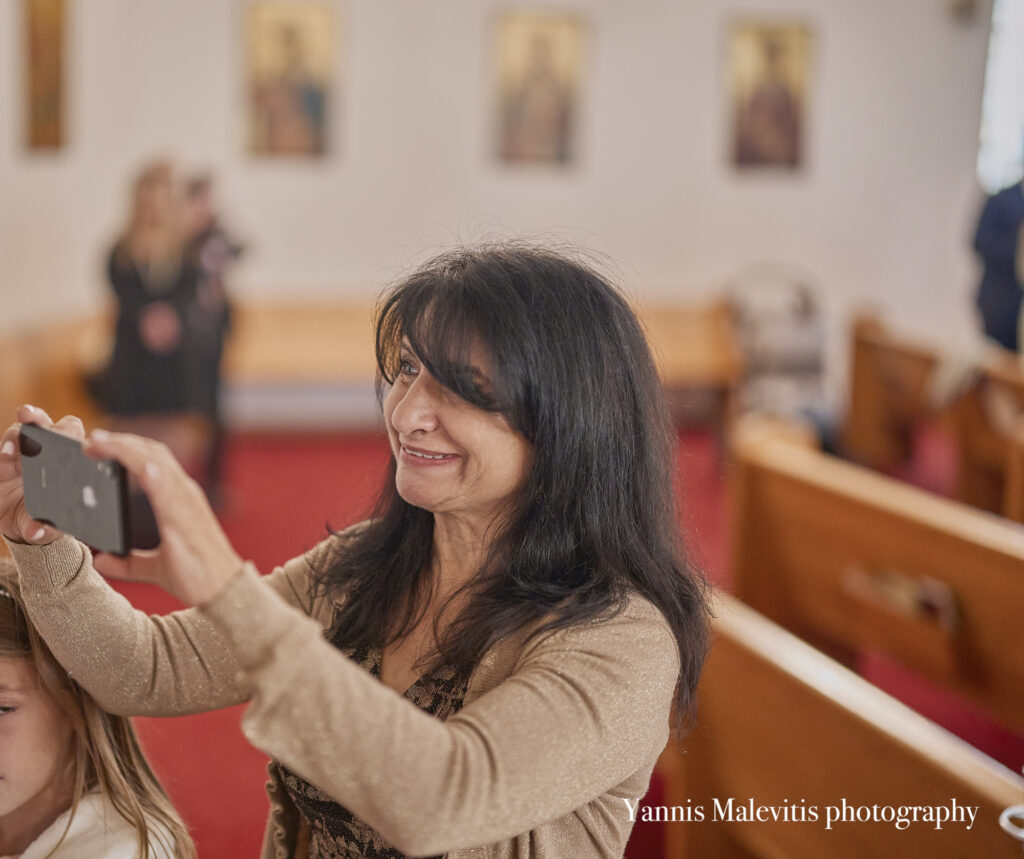
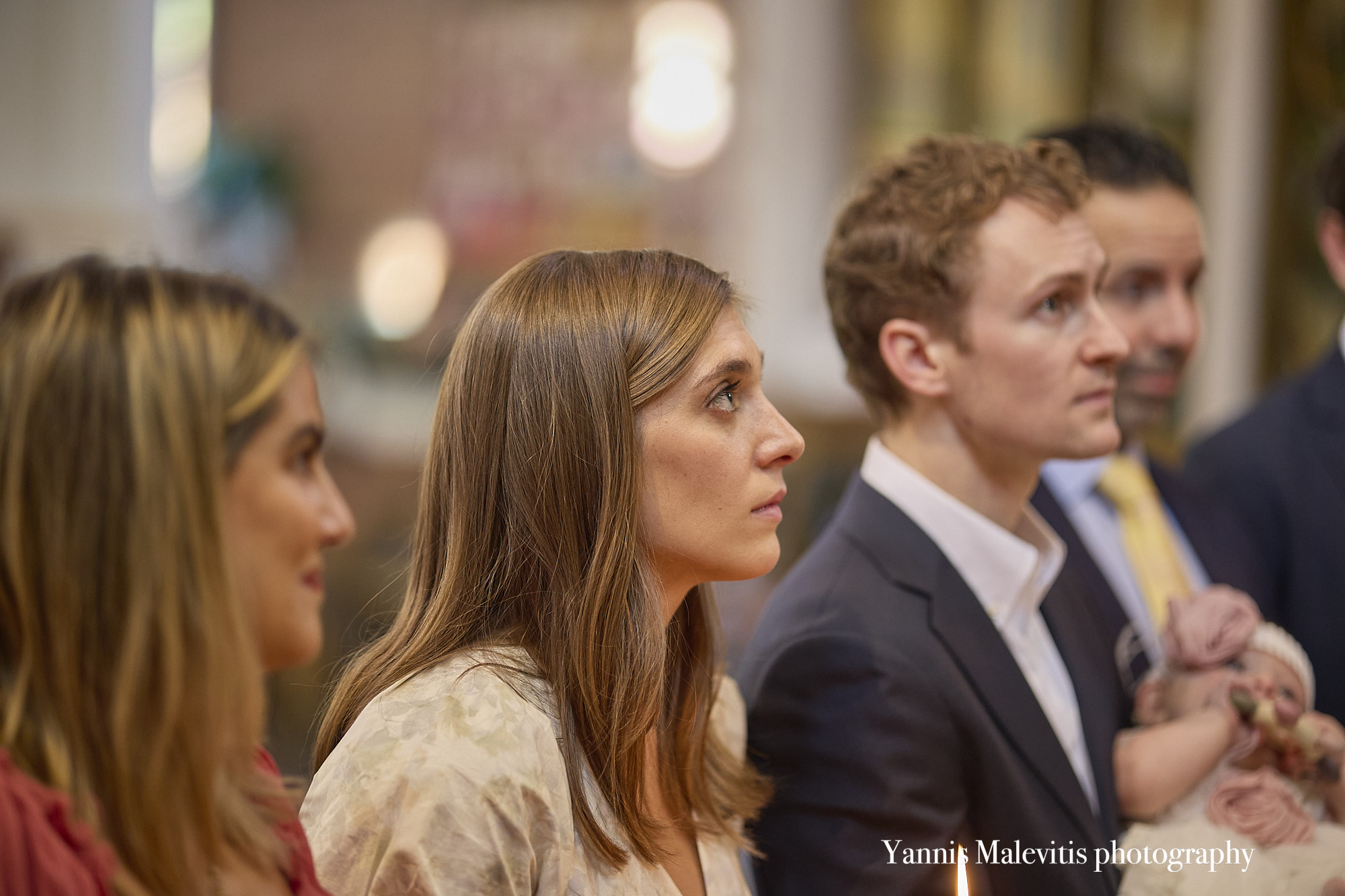
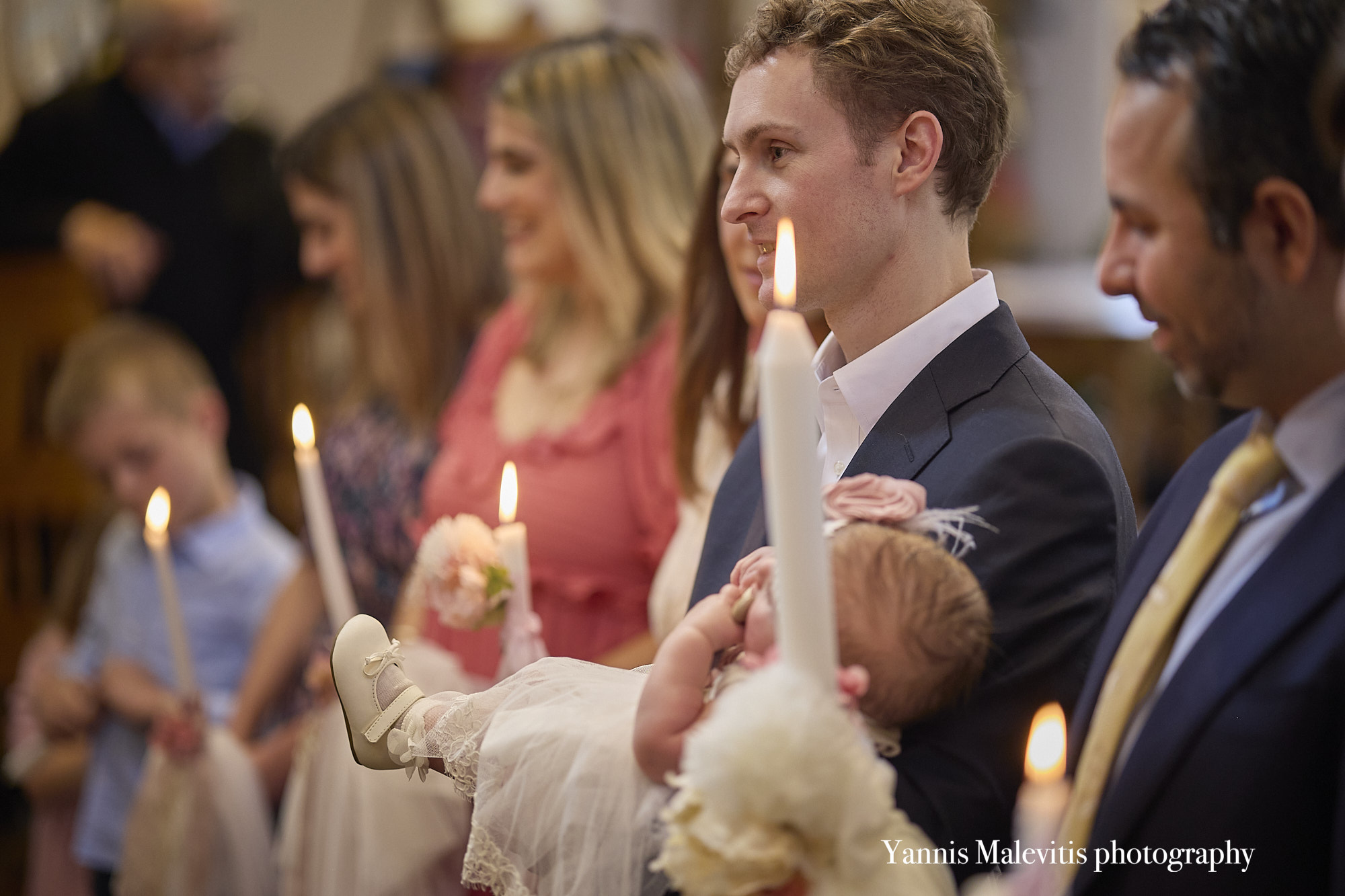
    I walk around the Narthex of the church in order to capture reactions and gestures from the most flattering or interesting perspective. I consider myself a storyteller with images and the story includes other moments, such as the reaction of the mother, the grandmother capturing video, the Presvytera and aunt of the baby cherishing the moment from a distance. I photograph all these moments using only available light.

    My photographic perspective of a Greek Orthodox Christening aims to differentiate my work and create works of art.

  • Event at the Harvard Club

    Event at the Harvard Club

    Yesterday I had the great pleasure to photograph an event at the Harvard Club of New York City.

    The Annunciation Greek Orthodox Church organized its Annual Stewardship & Mistletoe Gala. His Eminence Archbishop Elpidoforos graced the event with his presence.

    The purpose of this fund event was mainly to raise money for a major construction project of the church.
    Fr Sotirios wanted to raise awareness about this specific issue and build community engagement and loyalty among supporters.
    My photographing engagement was from 8pm until 10pm. I typically arrive 30-60 minutes before the beginning of photographic coverage and start making a few architectural images. In order to eliminate any distortion caused by ultra wide focal lengths, if I have the time, I prefer to create a multi row panorama using a longer focal length (either a 50mm or even a 100mm lens).

    The following image was created using a Zeiss Otus 100mm 1.4 lens. It consists of about 16 images stitched together.

    Event at the Harvard Club

    I also make a few images of the table decor and details. A similar multi row panorama technique was implemented. I was satisfied with the final rendering and the 3D effect.

    Event at the Harvard Club

    Cocktail Hour

    During the cocktail hour I enjoy walking around the room and capturing candid moments in an unobtrusive way. Zoom lenses (even with an f/2 aperture) may be excellent and highly convenient but sometimes I need the extra sensitivity of a prime lens with an f/1.2 aperture. In order to be discreet and respond fast to facial expressions and moments of joy, I avoid using flash. In addition I appreciate the smaller size of a prime lens compared to the size of a professional f/2 zoom lens.

    Reception

    During the second part of the event, there were a number of speeches. I carry three camera bodies with a 200mm f/2, a 50mm f/1.2 and a 24mm f/1.4 lens. This choice of focal lengths provides creative freedom and allows to be able to respond to moments in any light.

  • Photographing a Greek Orthodox Divine Liturgy

    Photographing a Greek Orthodox Divine Liturgy

    A few days ago Fr. Constantine Lazarakis from the Greek Orthodox Church of the Dormition of the Virgin Mary invited me to photograph the Divine Liturgy. His Grace, Bishop Themi, the founder of Paradise 4 Kids, led us in worship. Photographing a Greek Orthodox Divine Liturgy requires sensitivity, respect, and an understanding of the sacred nature of the event.

    The Dormition of the Virgin Mary Greek Orthodox Church, located in the Hamptons, serves as a prominent spiritual and cultural center for the Orthodox Christian community. It offers a wide array of ministries, youth programs, and events like the annual Hamptons Greek Festival and the Blue Dream Summer Gala.

    My main photographic considerations during the Divine Liturgy are the following:

    Many Orthodox churches are dimly lit to create a contemplative atmosphere. I prefer to use lenses with a wide aperture (f/1.4 or f/2) to maximize light intake. My favorite lenses are the Canon 200mm f/2, the Zeiss Otus 100mm f/1.4 and a 50mm f/1.2.

    The use of flash can be disruptive and distract from the reverence of the service. This is why I prefer using only available light.

    My intention is to capture key moments such as:
    • Architecture and Icons: I begin with photos of the church’s interior, iconostasis, and icons to set the context.
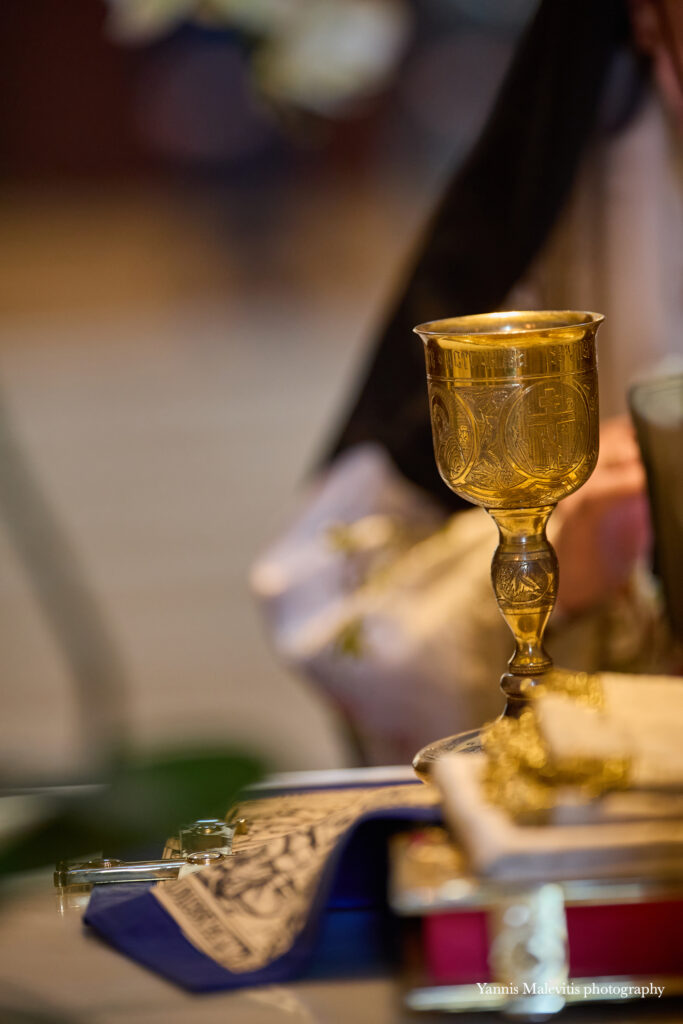
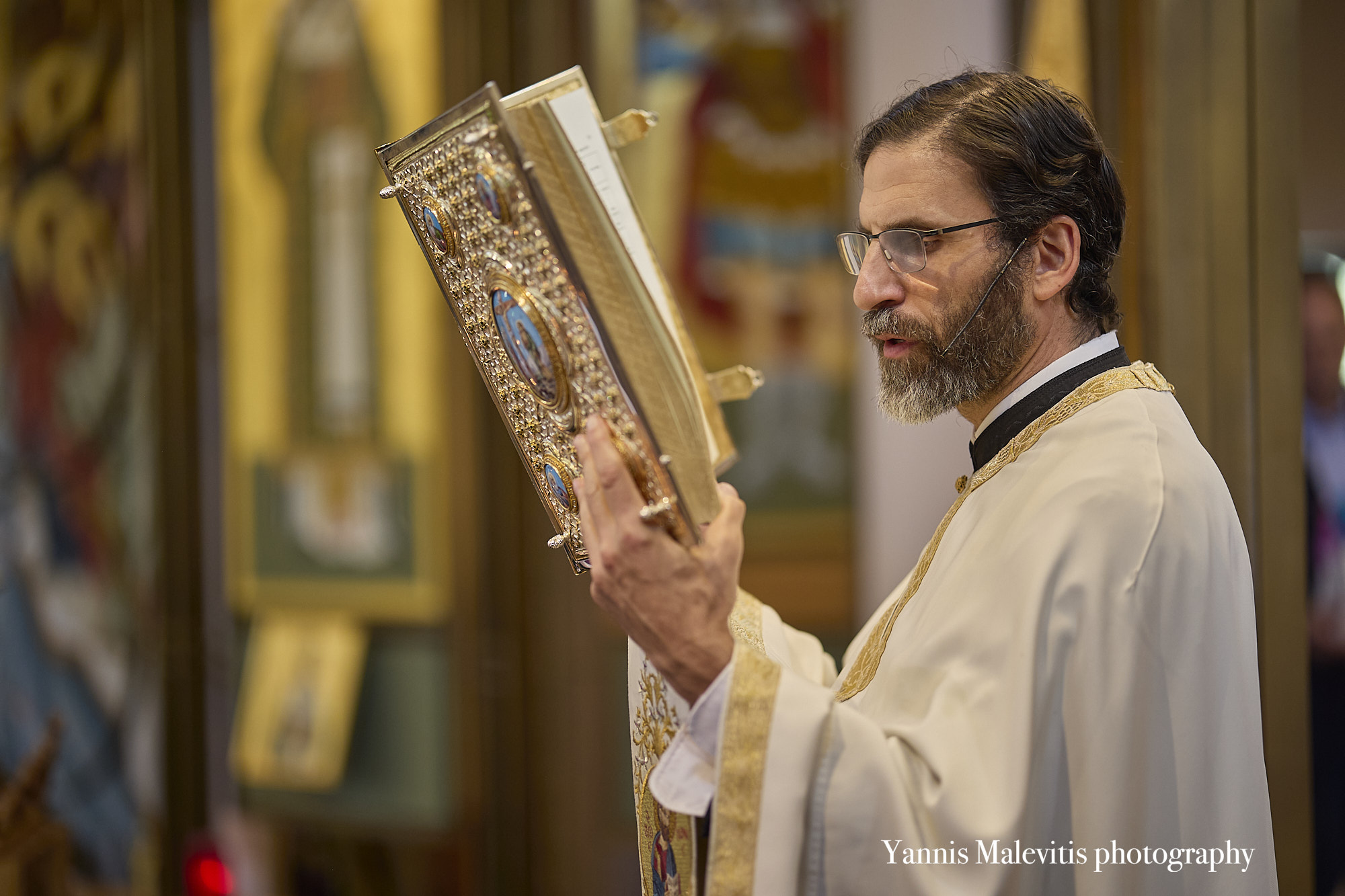
    • The Liturgy: I capture the procession of clergy, the incensing, the raising of the Gospel, and the chalice.
    • Clergy and Vestments: I focus on the ornate vestments and sacred vessels, as these are integral to the visual richness of the liturgy.

    While photographing a Greek Orthodox Divine Liturgy, the photographer must be respectful and understanding of the religious rituals.

  • Christmas Gala at the Harvard Club

    Christmas Gala at the Harvard Club

    I look forward to photographing the Christmas Gala at the Harvard Club of New York organized by the Annunciation Greek Orthodox Church, NYC.

    Photographing a Christmas Gala at the prestigious Harvard Club of NYC is an exciting opportunity to capture a blend of holiday cheer and classic elegance. The Harvard Club’s iconic wood-paneled interiors, high ceilings, and historic decor provide a rich backdrop.

    I took advantage of the venue’s warm, atmospheric lighting to create rich, cozy images. We set up a small corner for posed group photos. It was necessary to use a soft lighting and a clean backdrop to complement the gala’s elegance. I also took natural portraits by capturing people mid-conversation or sharing a laugh.

    I captured the atmosphere by taking wide shots showcasing the venue’s decor, including holiday-themed centerpieces, lighting, and festive elements like the Christmas tree. In addition I included detail shots of ornaments, table settings, invitations, and event signage.
    Some of my favorite moments were the following:

    a) Guests arriving and mingling during the cocktail hour

    b) Group shots of attendees, especially formal portraits of VIPs and hosts

    c)Speeches, toasts, or performances

    d) Guests interacting, laughing, and enjoying the holiday festivities

    e)Dance floor action and candid moments during dinner or entertainment

    These are a few images from last year’s celebration.

    By combining technical skill with an eye for storytelling, I am able to create a stunning visual record of the gala that captures the festive spirit and sophistication of the Harvard Club’s Christmas celebration.

    Next week I will post a few images from this year’s Christmas Gala at the Harvard Club of New York.