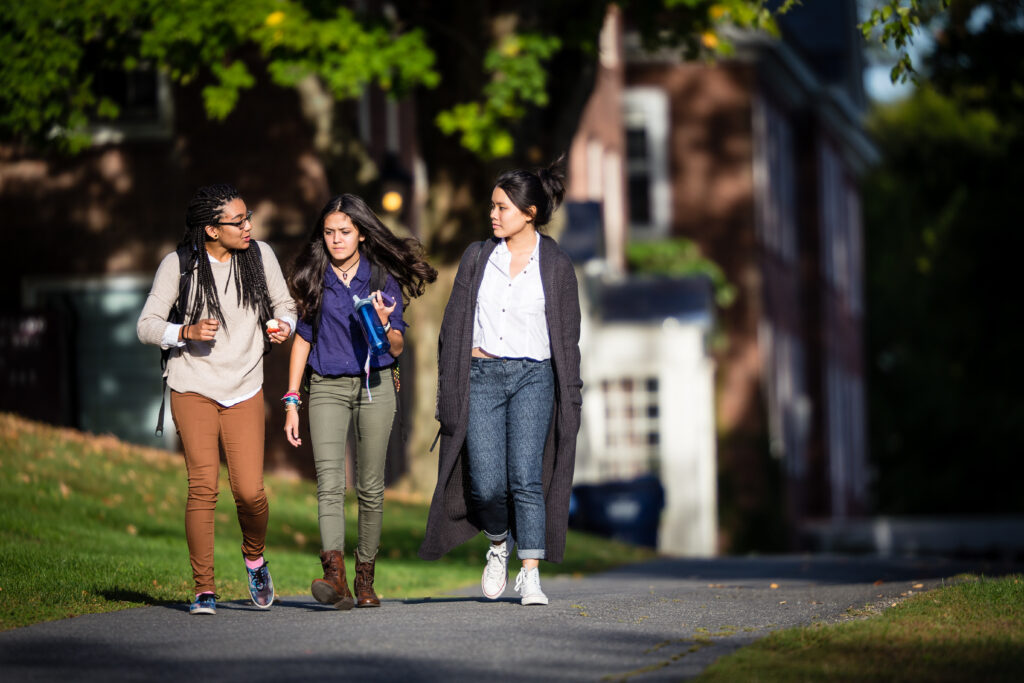
A school is more than its buildings, classrooms, and athletic fields. Its identity is created by the people who inhabit those spaces—the relationships between students and teachers, the concentration of a classroom, the energy of competition, and the quieter moments that reveal a genuine sense of community.
I have had the opportunity to photograph student life and athletics at Millbrook School on several occasions. Each assignment has reinforced how important it is to look beyond a list of required photographs and understand what distinguishes the school itself.
The most effective school photography should allow prospective families, alumni, and the wider community to imagine what it feels like to be there. That requires a combination of careful observation, technical preparation, and the ability to move through an active campus without interrupting the experiences being documented.
Establishing a Sense of Place
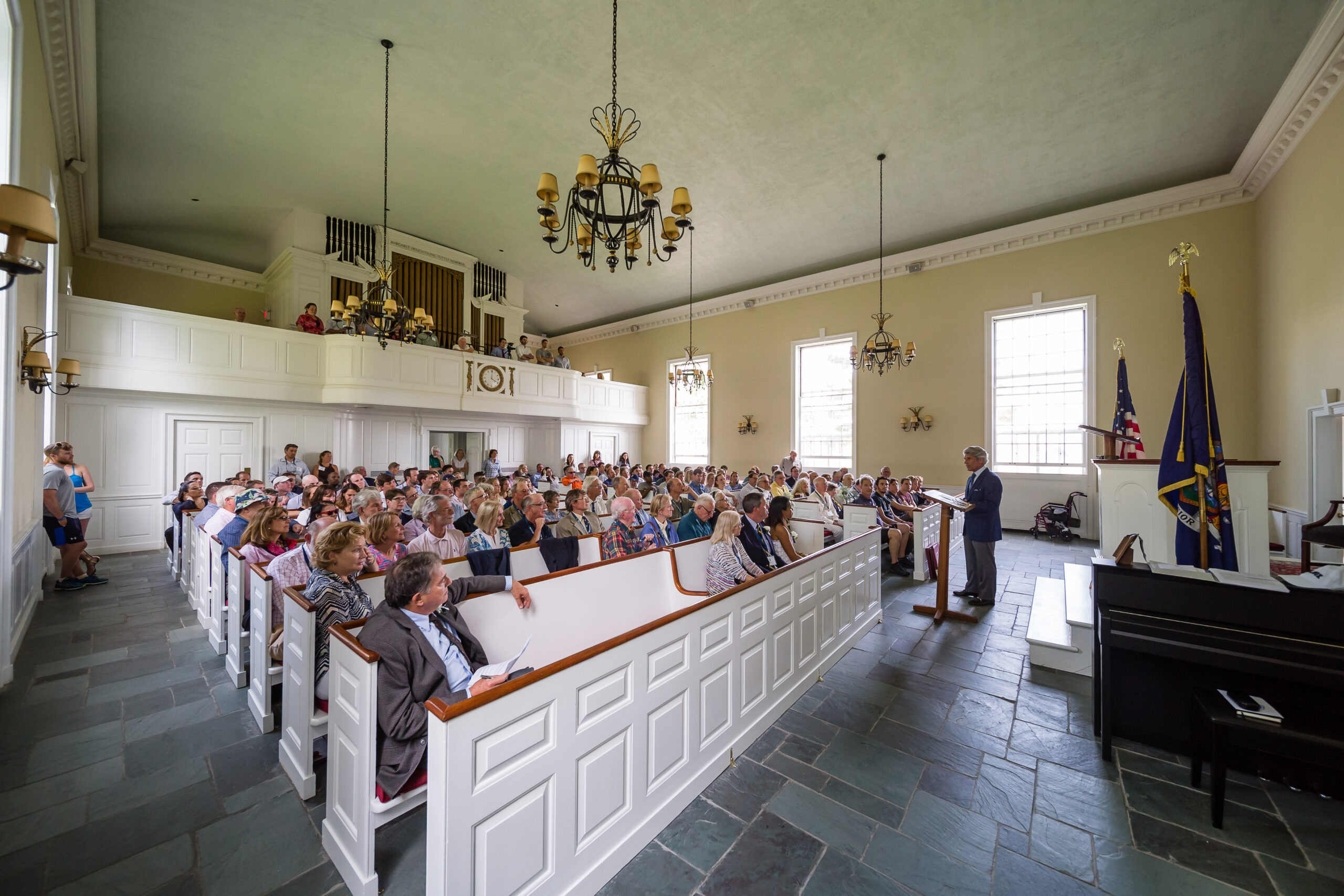
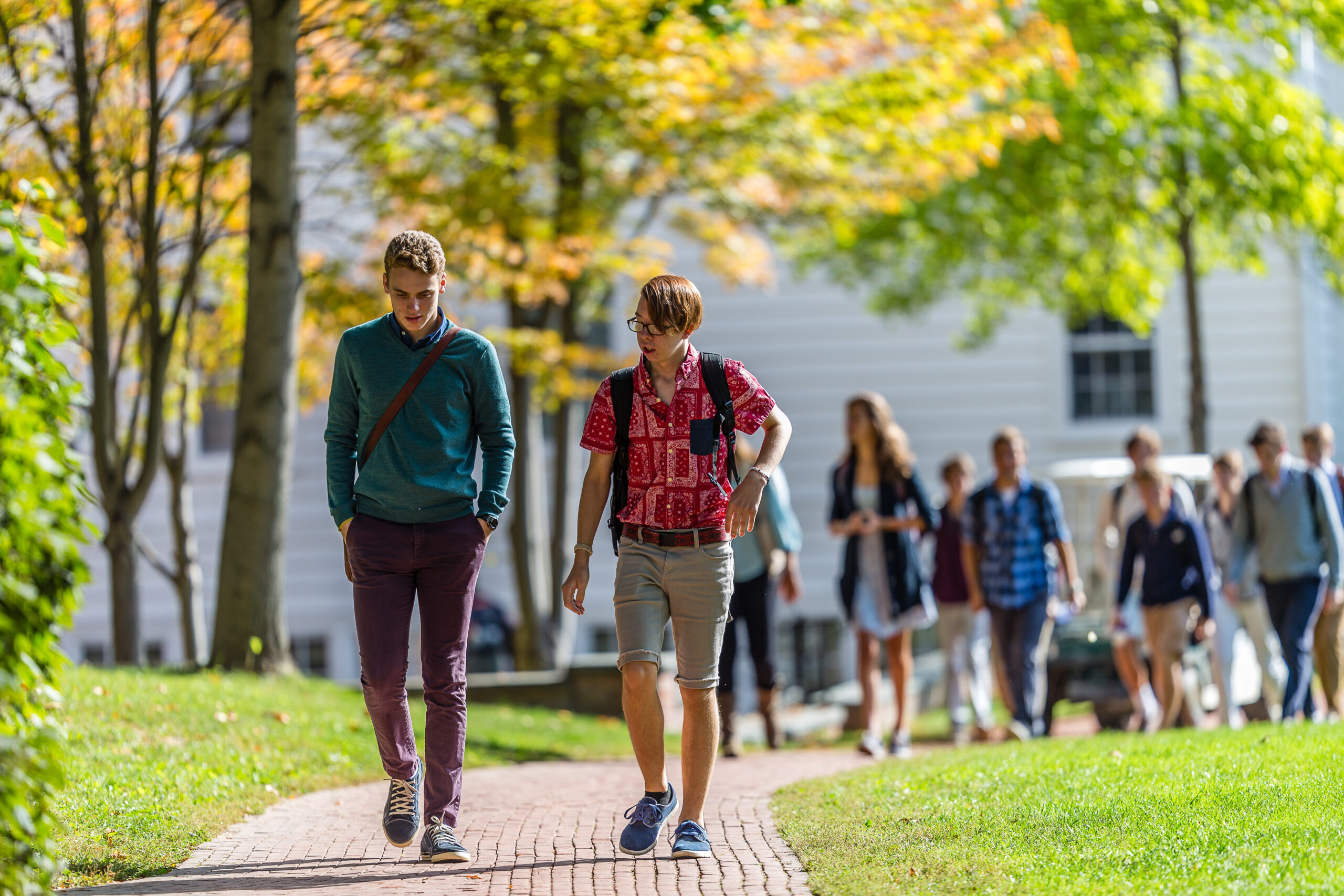
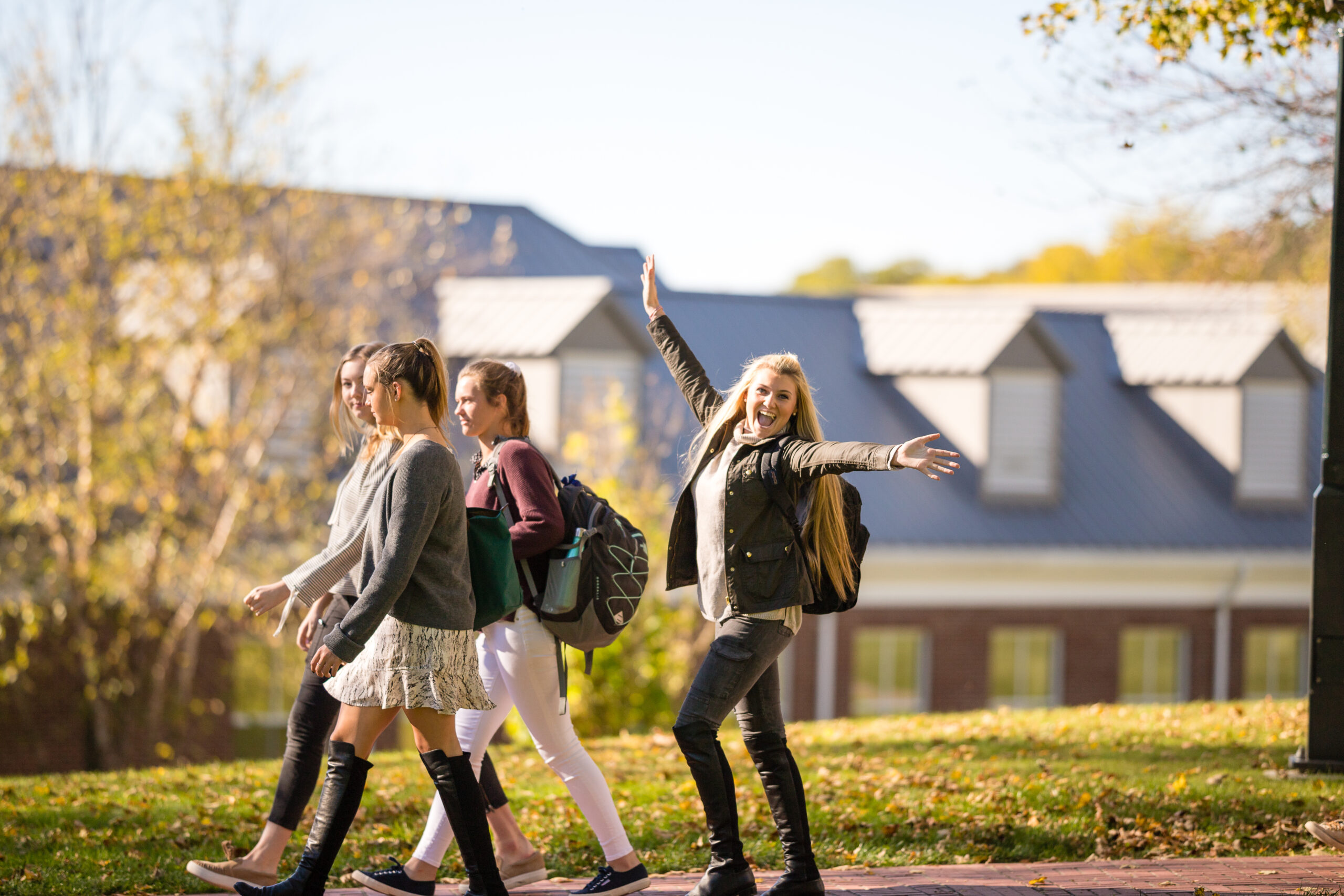
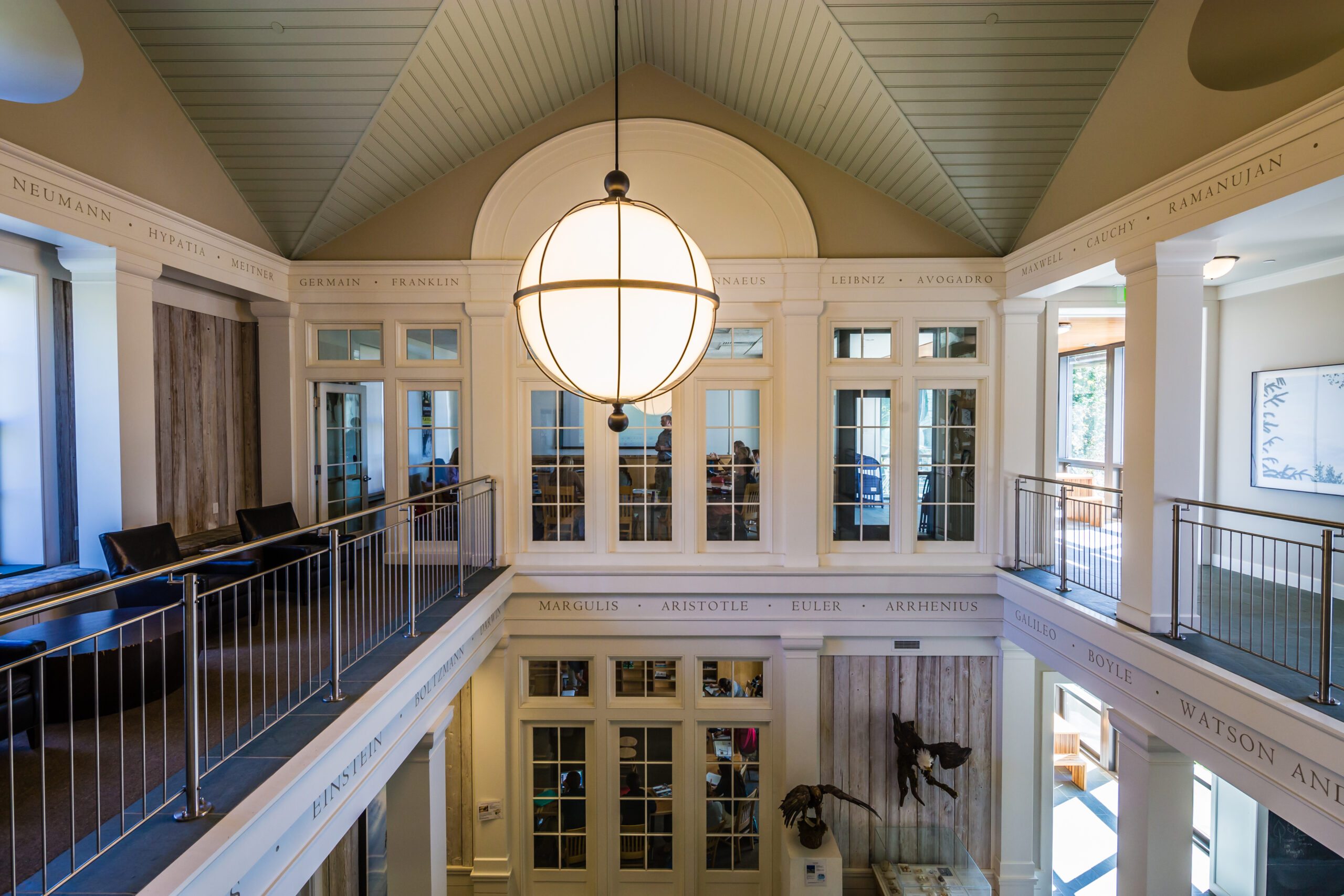
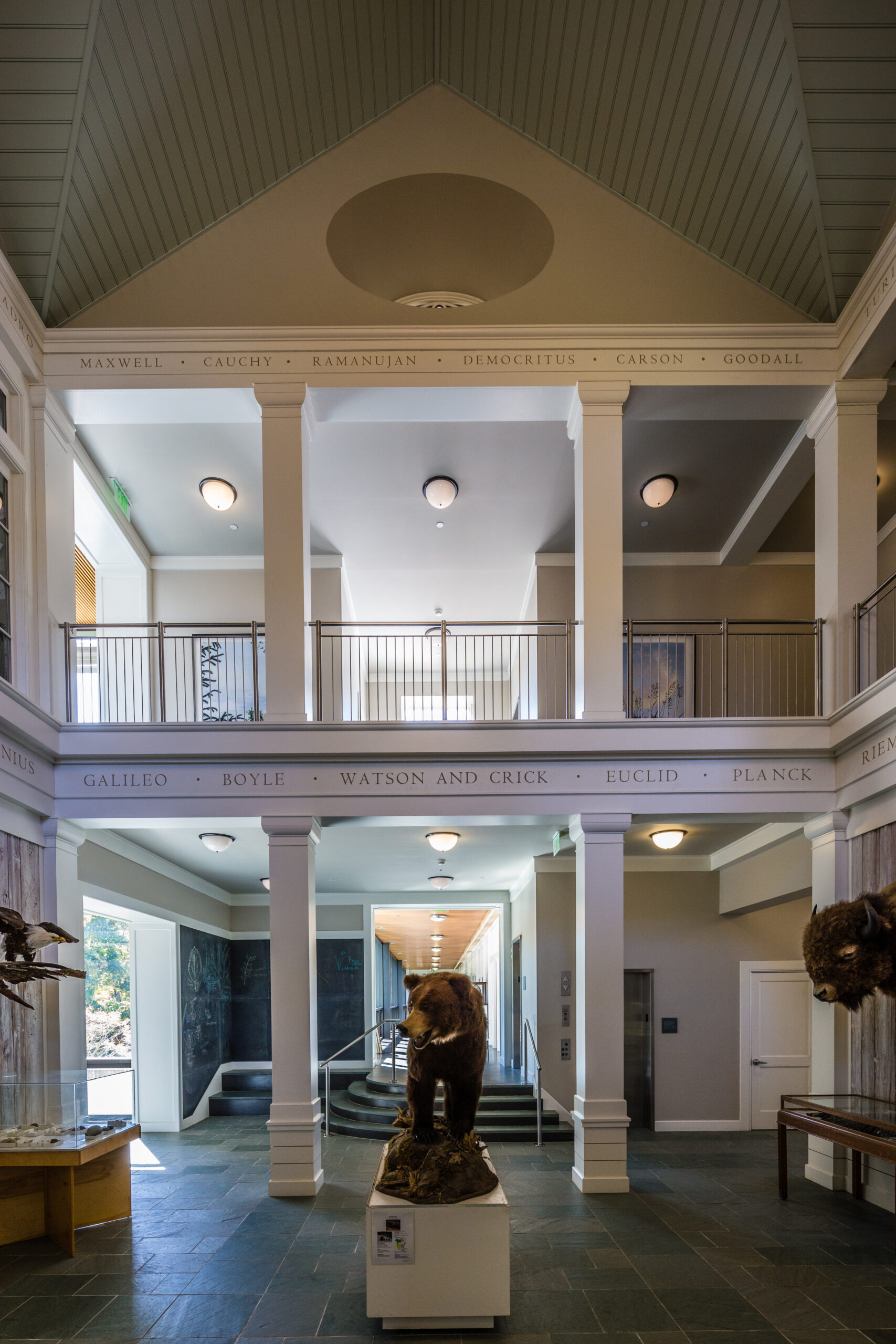
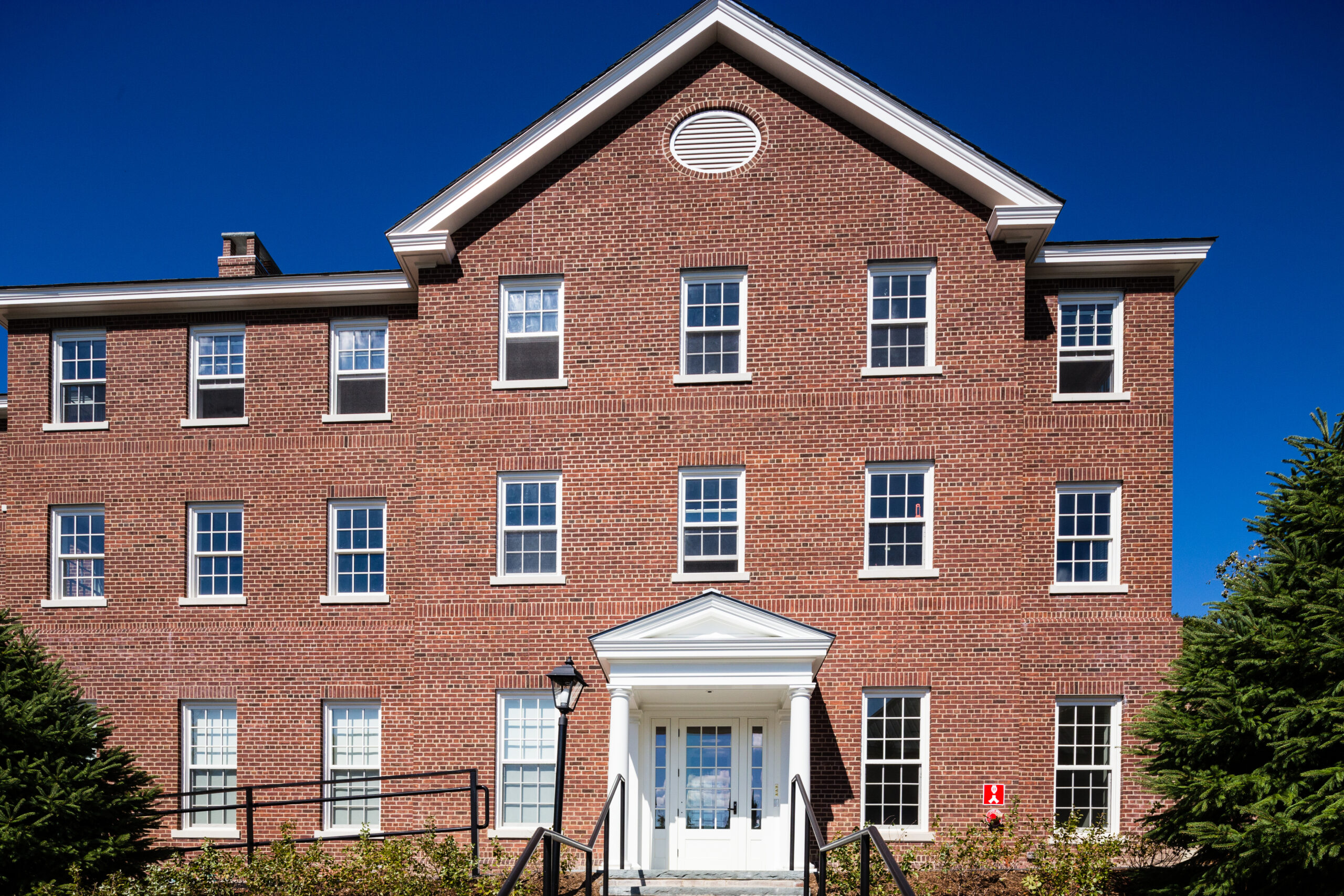
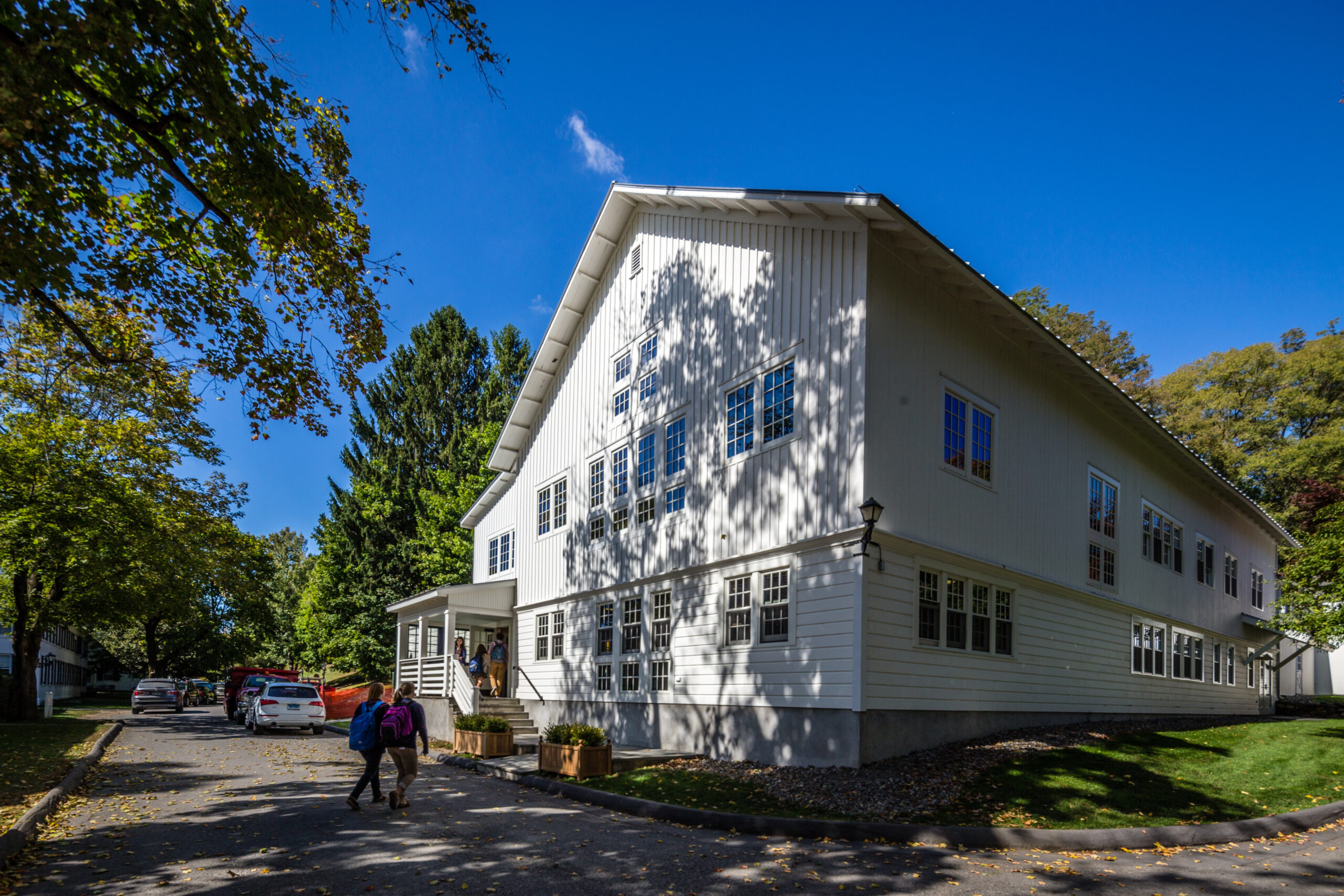
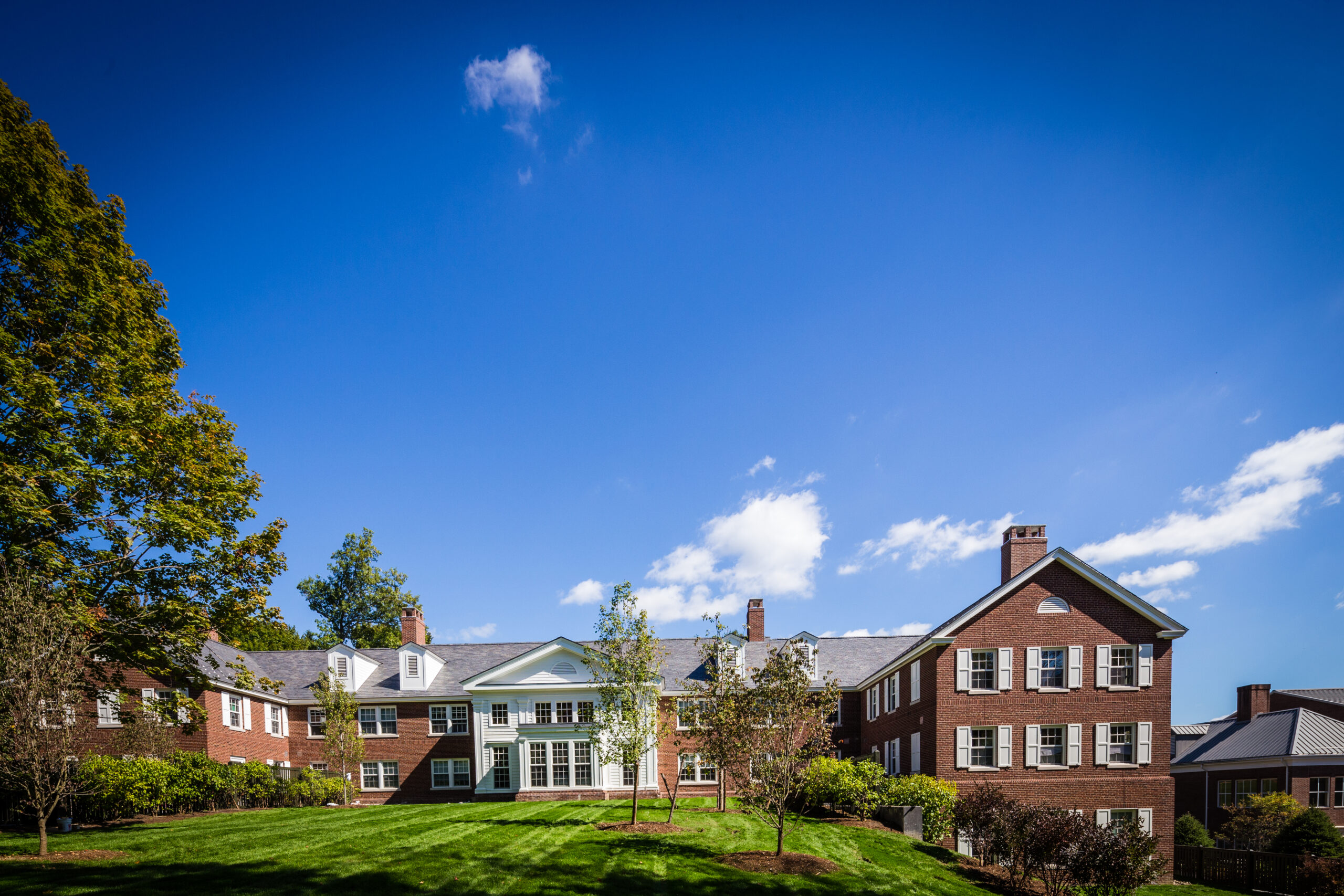
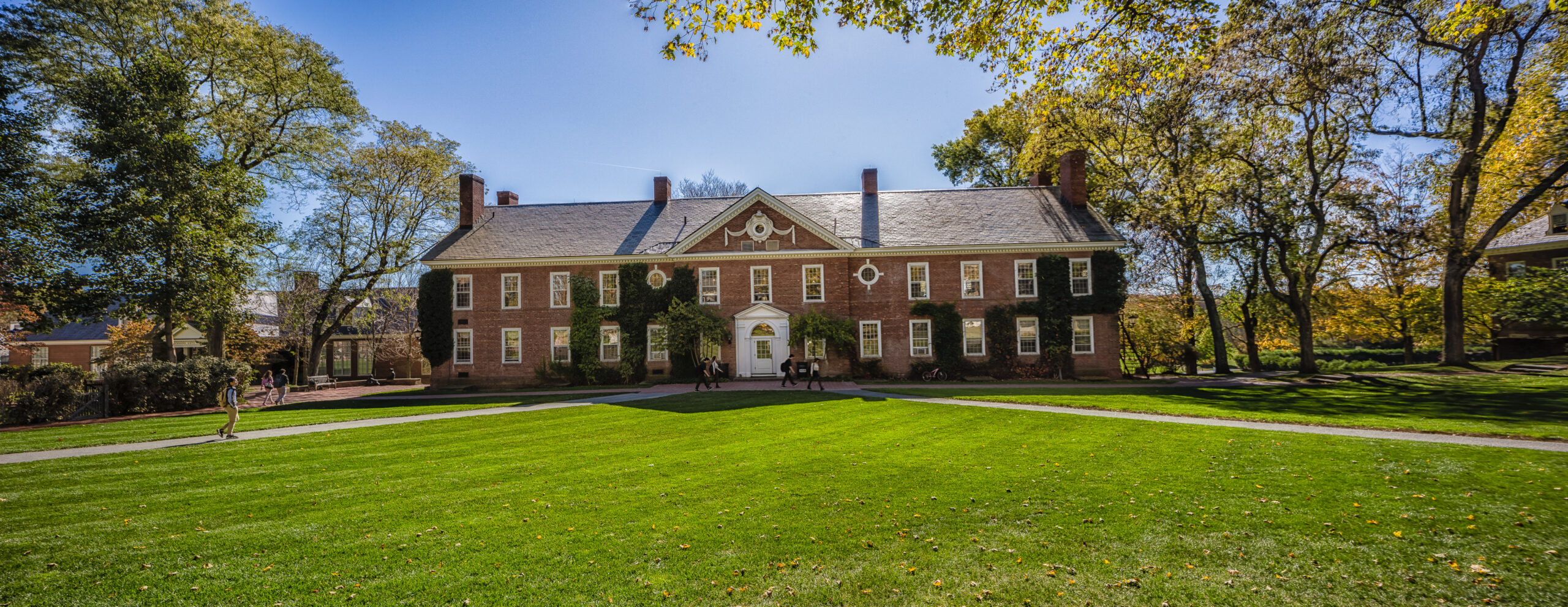
The architecture and landscape provide the setting for every school story. Exterior views establish the character of the campus, while interiors reveal where students learn, gather, perform, and develop their interests.
Photographing these spaces requires attention to perspective, proportion, and natural light. The objective is not simply to record a building but to show how it contributes to the life of the institution. A classroom without students may describe the architecture; the same room animated by conversation and concentration begins to communicate the school’s culture.
Authentic Moments in the Classroom
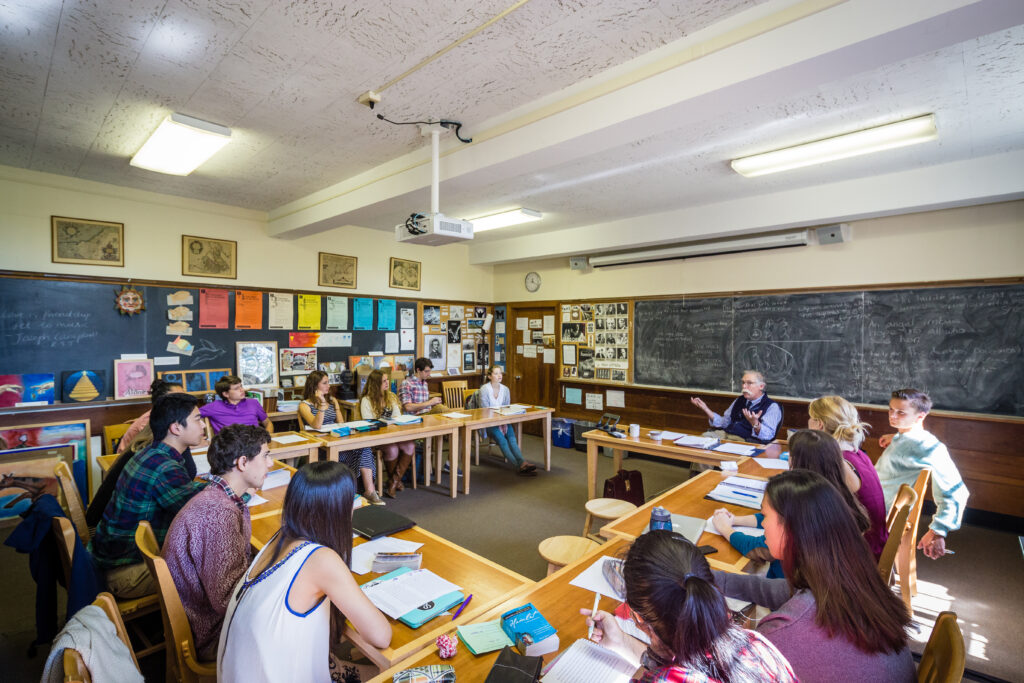
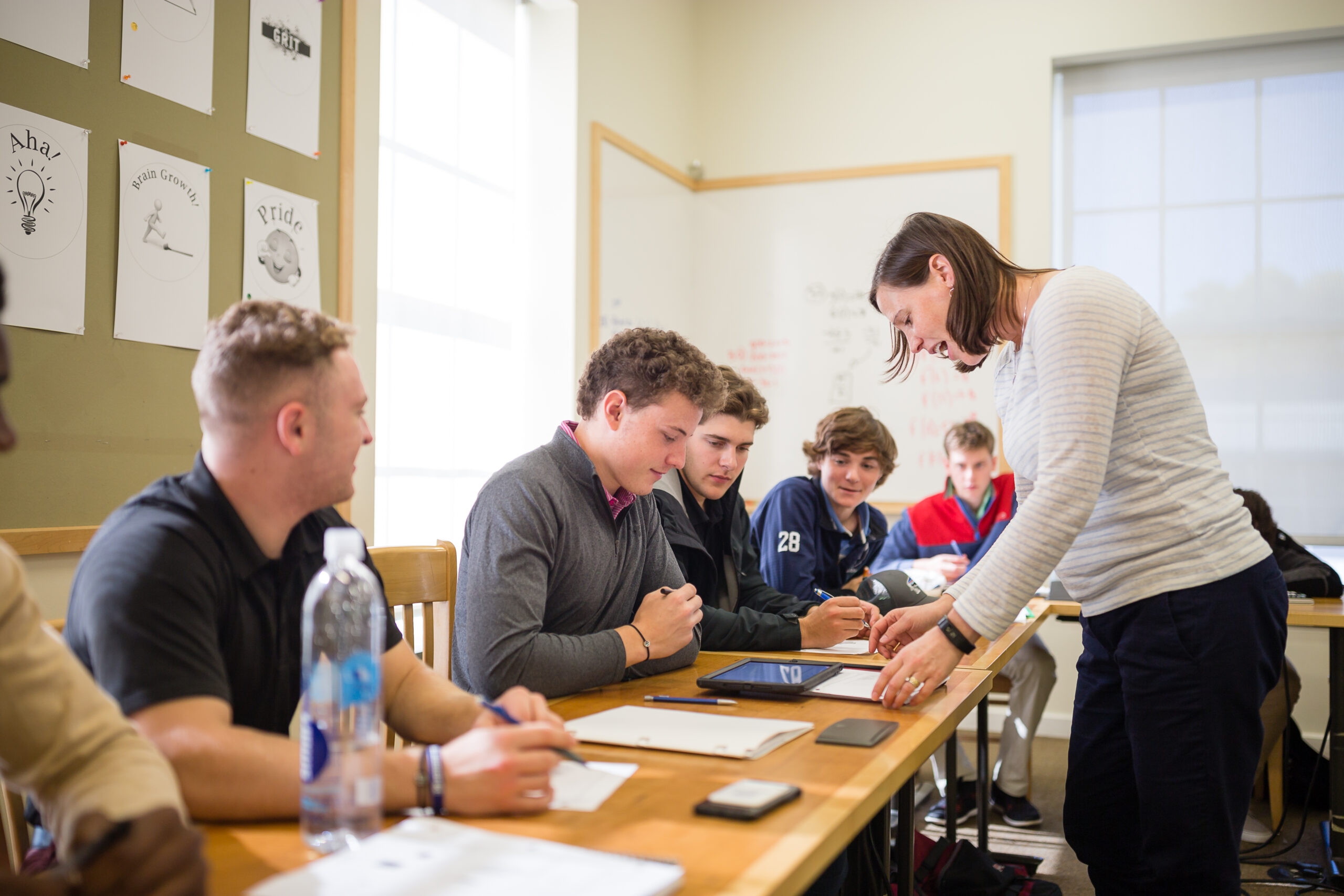
Classroom photography works best when students and teachers can remain absorbed in what they are doing. Rather than repeatedly stopping activities to create photographs, I prefer to observe how people naturally interact and anticipate the moments that express engagement.
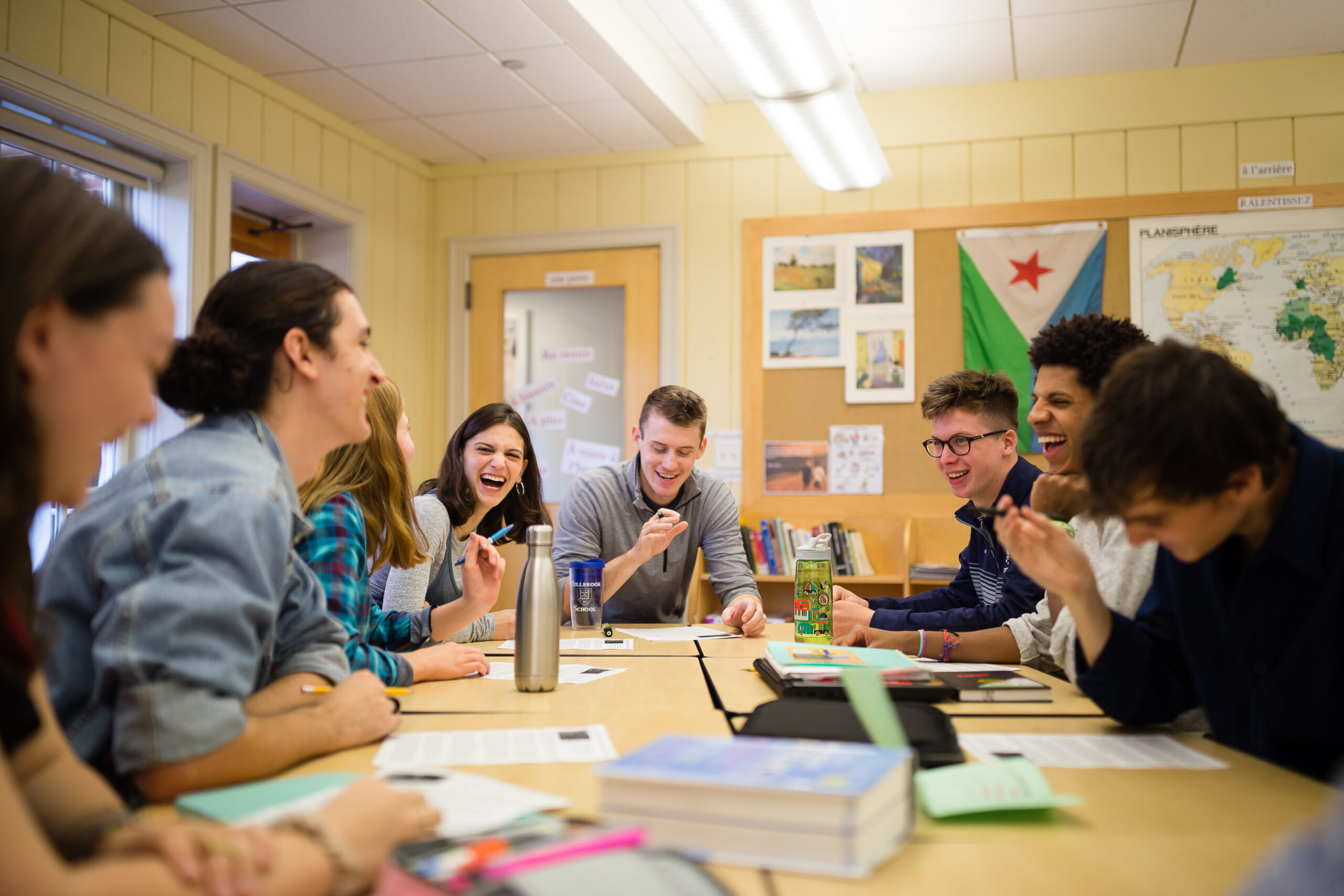
A teacher leaning toward a student, classmates exchanging ideas, or a moment of concentration can communicate more than a formally arranged scene. These photographs feel credible because the relationships within them are real.
Remaining unobtrusive is essential. I work quietly and select my position carefully so that awareness of the camera gradually disappears. Once that happens, expressions become more natural and the photographs begin to reveal the atmosphere of the classroom rather than merely its appearance.
Athletics and Movement
Athletics introduce a different rhythm. The action changes quickly, and meaningful photographs depend on anticipating what may happen rather than responding after it has already occurred.
The obvious photograph may be the decisive play, but the complete story also includes preparation, determination, teamwork, and the reactions that follow. A glance between teammates or the response from the sideline can sometimes communicate the character of a team more clearly than the action itself.
Distance can also be valuable. Photographing without entering the athletes’ immediate space allows competition and interaction to continue naturally while still revealing expression and intensity.
Showing the Full Life of a School
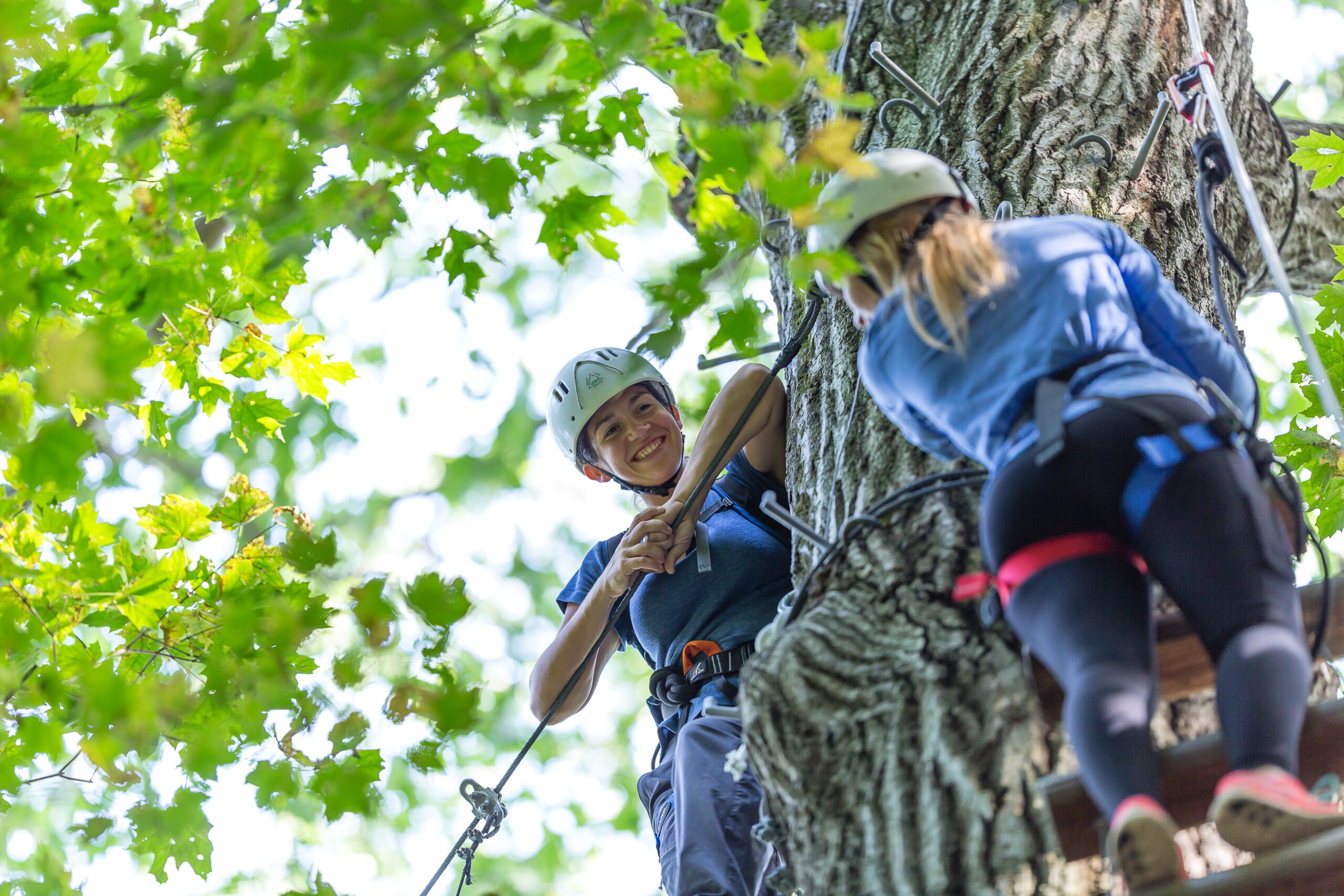
A strong collection should not feel like a series of unrelated photographs. Architecture, academics, arts, athletics, and informal student interactions should work together to create a consistent visual account of the institution.
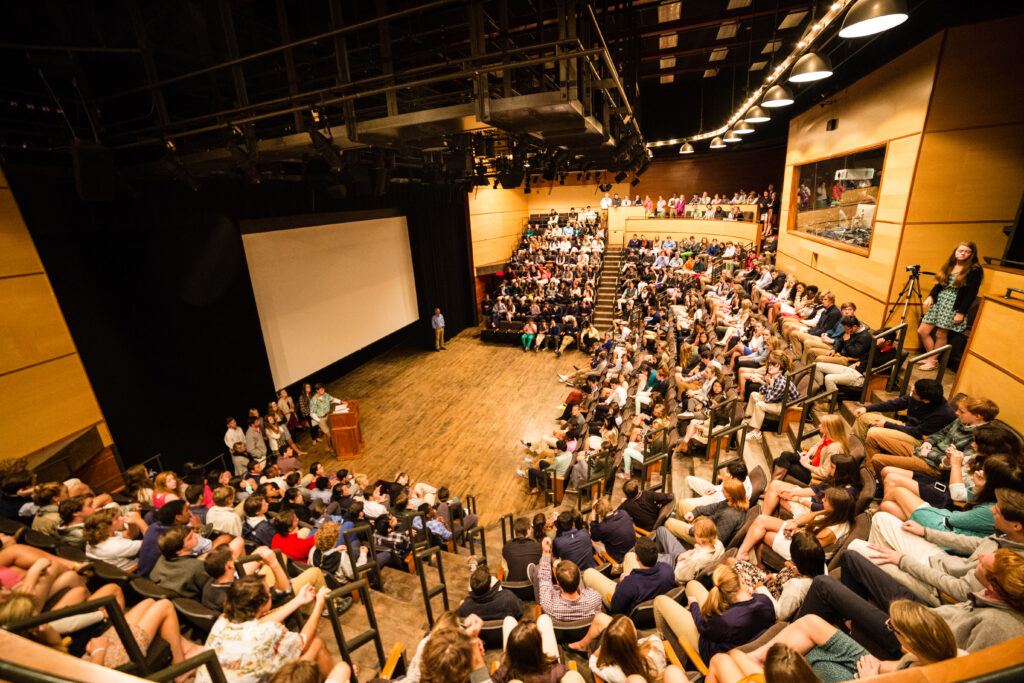
Wide photographs establish the environment. Closer images reveal individual expression. Photographs made from a distance show relationships without disrupting them. The combination allows the final collection to communicate both the scale of the campus and the personal experiences unfolding within it.
The most memorable school photographs are rarely the ones that could have been made anywhere. They are the images that reveal something particular about the people, relationships, and traditions of that community.
Photographing student life is ultimately an exercise in attention. The goal is not only to show what students do, but to preserve how learning, friendship, creativity, and belonging are experienced within the school.
.